How to Choose the Right Sulphate-Free Shampoo for Men

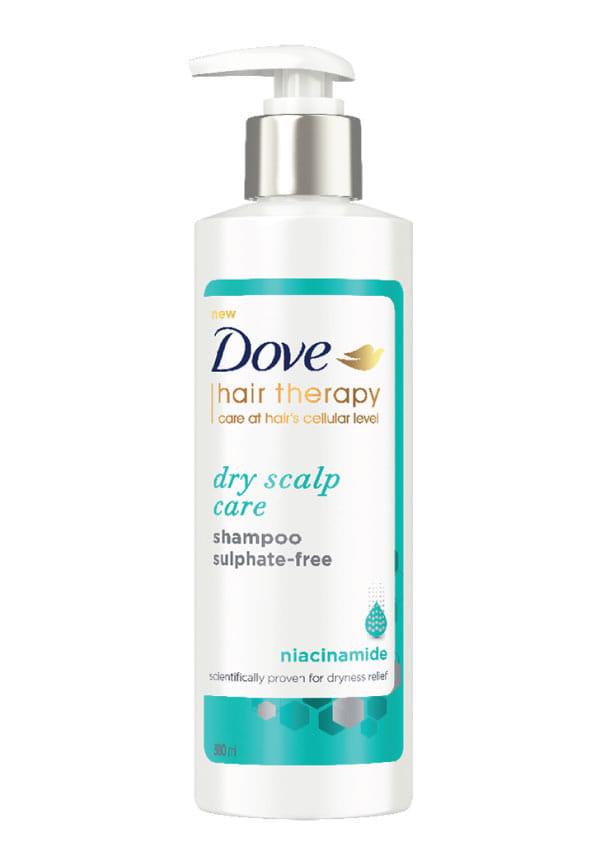
Hair Therapy Dry Scalp Care Sulphate-Free Shampoo
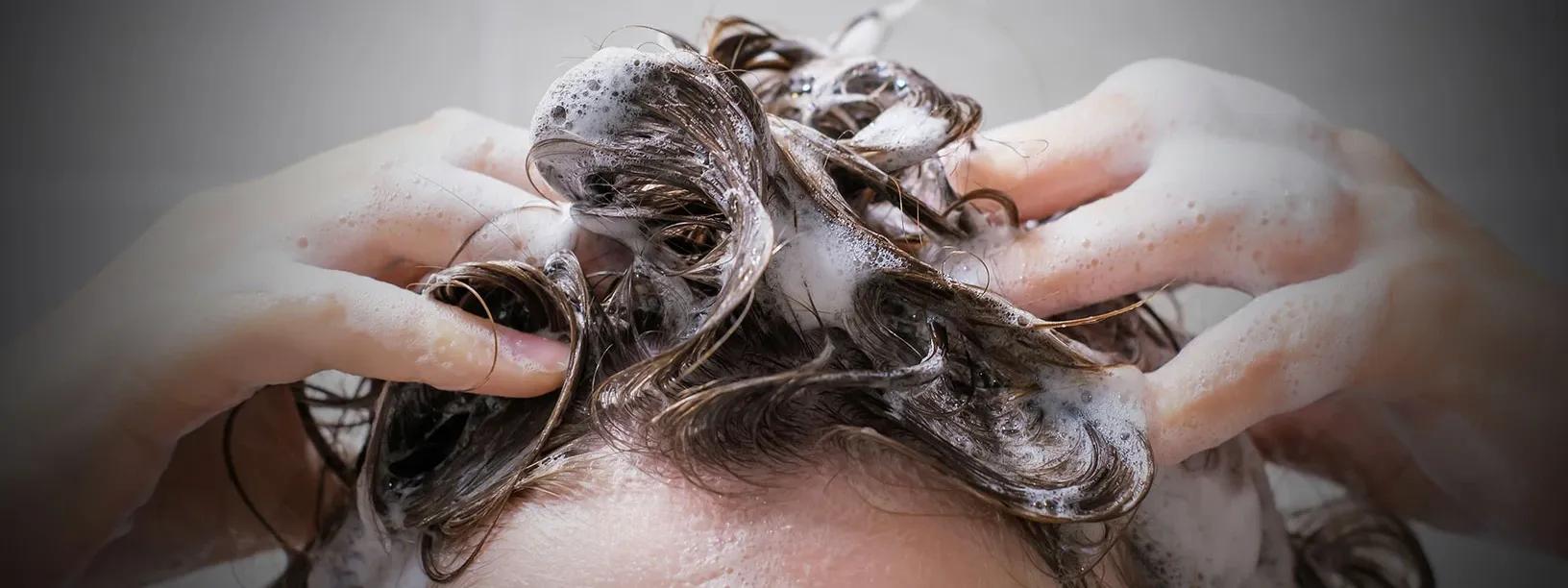
You know that moment when you realise your scalp feels like it's been through a washing machine cycle? That tight, stripped feeling after shampooing isn't normal—it's your hair crying out for something gentler. If you've been dealing with irritation, dryness, or that weird squeaky-clean sensation that doesn't actually feel clean, it might be time to ditch the harsh stuff. Let's talk about how to choose the right sulphate-free shampoo for men, because your scalp deserves better than feeling like sandpaper.
Real talk—sulphates are those foaming agents that make your shampoo bubble up like a car wash. Sodium lauryl sulphate and sodium laureth sulphate might sound fancy, but they're basically detergents. The same stuff that gets grease off your dishes is what's been cleaning your hair. No wonder your scalp feels tight afterwards.
Here's where it gets interesting for men specifically. Male scalps typically produce more sebum (natural oils) than women's, which means we often think we need stronger cleansing. But here's the plot twist—over-cleansing with harsh sulphates actually triggers your scalp to produce even more oil to compensate. It's like your scalp is stuck in panic mode, constantly trying to replace what's being stripped away.
The sulfate free shampoo benefits men experience are pretty game-changing. Less scalp irritation means no more of that itchy, flaky situation. Your natural oils stay balanced instead of being completely wiped out. If you've got colour-treated hair or any chemical processing, sulphate-free formulas won't fade your investment as quickly. Plus, that gentle shampoo for men's scalp approach means you can actually wash daily without turning your head into a desert.
Men's hair follicles are different—they're typically larger and produce more sebum. This doesn't mean we need industrial-strength cleaning. It means we need smart cleaning that works with our scalp's natural rhythm, not against it.
Shopping for natural shampoo for men isn't about finding the most expensive bottle with the fanciest packaging. It's about understanding what your hair actually needs and finding ingredients that deliver without the harsh side effects.
Look for gentle cleansing agents like cocamidopropyl betaine or sodium cocoyl isethionate. These are the good guys—they clean effectively without stripping your scalp bare. Coconut-derived cleansers are particularly good because they're strong enough to handle men's typically oilier scalps but gentle enough not to cause irritation.
Moisturising ingredients are your friends, even if you think your hair is oily. Glycerin, aloe vera, and natural oils like argan or jojoba help maintain that crucial moisture balance. When you're looking at paraben free shampoo men options, check for alternative preservatives like phenoxyethanol or natural preservatives—they keep your product safe without the potential hormone-disrupting effects.
Avoid anything with 'sulphate' in the name, obviously, but also watch out for sodium C14-16 olefin sulphonate—it's basically sulphate's sneaky cousin that can be just as harsh.
Ingredients are listed by concentration, so the first five ingredients make up most of your product. If you see sulphates in that top five, keep looking. INCI names can be confusing, but a quick Google search will tell you what you're actually putting on your scalp.
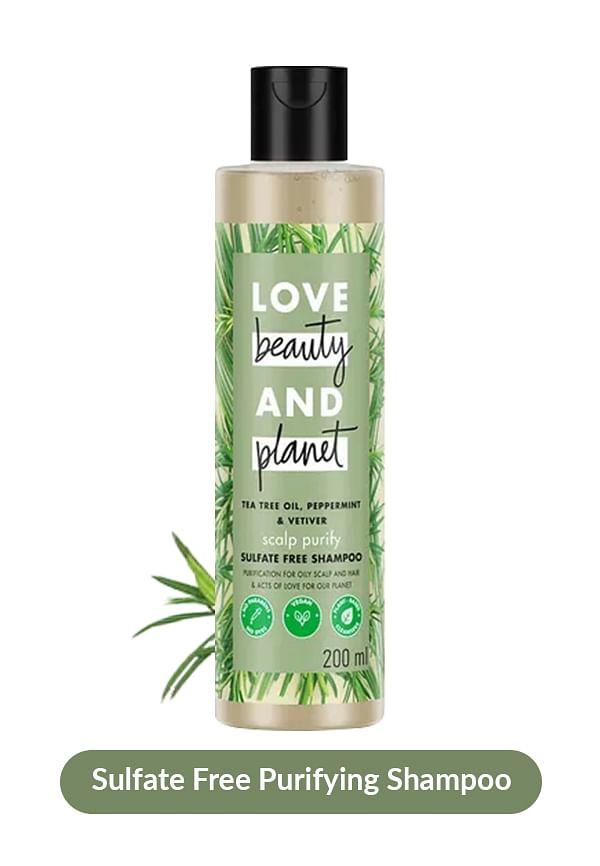
Tea Tree, Peppermint & Vetiver Sulfate Free Purifying Shampoo,
This is where hair cleansing for men gets personal. Your mate's holy grail shampoo might be completely wrong for your hair type, and that's perfectly normal.
If you've got oily hair, you might think you need the strongest shampoo possible. Actually, you need something that cleanses effectively without triggering your scalp to overproduce oil. Look for ingredients like tea tree oil or salicylic acid that help regulate oil production naturally.
Dry or damaged hair needs moisture-focused formulations. Shea butter, ceramides, and protein-rich ingredients like hydrolysed wheat protein can help repair and protect. If your hair feels like straw or breaks easily, moisture is your priority.
Normal hair—lucky you—can handle most sulphate-free formulas. Focus on maintaining that balance with gentle cleansers and light moisturising ingredients.
Sensitive scalp requires ultra-gentle options. Fragrance-free formulas with soothing ingredients like chamomile or oat extract can help calm irritation. If you get red, itchy, or flaky after washing, your scalp is telling you to go gentler.
Colour-treated hair needs protection above all else. Sulphate-free formulas won't strip colour as aggressively, but look for UV protection and colour-safe ingredients to make your investment last longer.
Wash your hair with a gentle shampoo, skip all products, and see how it looks after 24 hours. Greasy roots? Oily type. Dry ends but normal roots? Combination. Feels tight and looks dull? Dry type.
Let's be honest—men's grooming shampoo needs to tick some practical boxes. It needs to actually clean your hair, not leave you feeling like you've washed with expensive water. The texture should feel substantial, even if it doesn't foam like a bubble bath.
pH balance matters more than most people realise. Your scalp's natural pH is around 5.5, slightly acidic. Shampoos that match this pH help maintain your scalp's protective barrier and keep your hair cuticles smooth. This means less frizz and more shine.
About that lather—sulphate-free shampoos won't foam like traditional ones, and that's completely normal. The cleaning power isn't in the bubbles; it's in the ingredients. You might need to adjust your expectations, but the results speak for themselves.
Scent is subjective, but look for something that doesn't clash with your other grooming products. Fresh, clean scents like eucalyptus, mint, or subtle woody notes tend to work well without being overwhelming.
Give any new shampoo at least 2-4 weeks to show results. Your scalp needs time to adjust, and you need time to see if the formula actually works for your hair type and lifestyle.
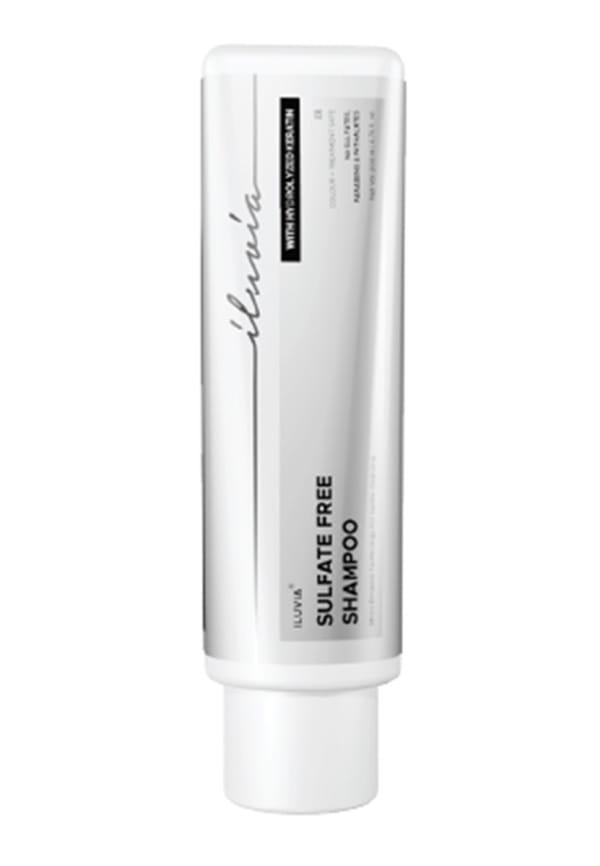
Sulfate Free Shampoo | For damaged, dry, dull hair
The biggest mistake? Expecting immediate results that look exactly like what you got with sulphate shampoos. Your hair might feel different initially—maybe less squeaky clean, possibly a bit heavier. This is normal and usually temporary.
Don't ignore your scalp type when choosing products. You might have oily hair but a sensitive scalp, or dry hair with normal scalp sensitivity. These need different approaches.
Another common error is not considering how your styling products interact with sulphate-free shampoos. Heavy pomades or waxes might need a clarifying wash occasionally, even with sulphate-free formulas.
Price doesn't always equal quality, but extremely cheap options often cut corners on ingredients. You don't need to spend a fortune, but investing in a decent formula usually pays off in results.
Switching products every week won't give you accurate results. Your hair needs consistency to show you what's actually working.
Your hair might go through a 1-2 week adjustment period where it feels different. This is your scalp learning to regulate oil production naturally instead of being in constant damage-control mode.
Application technique matters with sulphate-free formulas. Use more product than you think you need—these shampoos are concentrated differently. Focus on your scalp, not your hair lengths, and massage gently for at least 30 seconds to activate the cleansing agents.
Frequency depends on your lifestyle and hair type. Oily hair might need daily washing, while normal to dry hair could go every other day. Listen to your scalp—if it feels greasy or itchy, it's time to wash.
Consider your styling routine when choosing products. If you use heavy products daily, you might need a slightly stronger sulphate-free formula or an occasional clarifying treatment.
Seasonal adjustments are smart—you might need more moisture in winter and lighter formulas in humid summer months.
Most modern styling products work fine with sulphate-free shampoos, but heavy waxes or pomades might need extra attention. A double wash or weekly clarifying treatment can help prevent buildup.
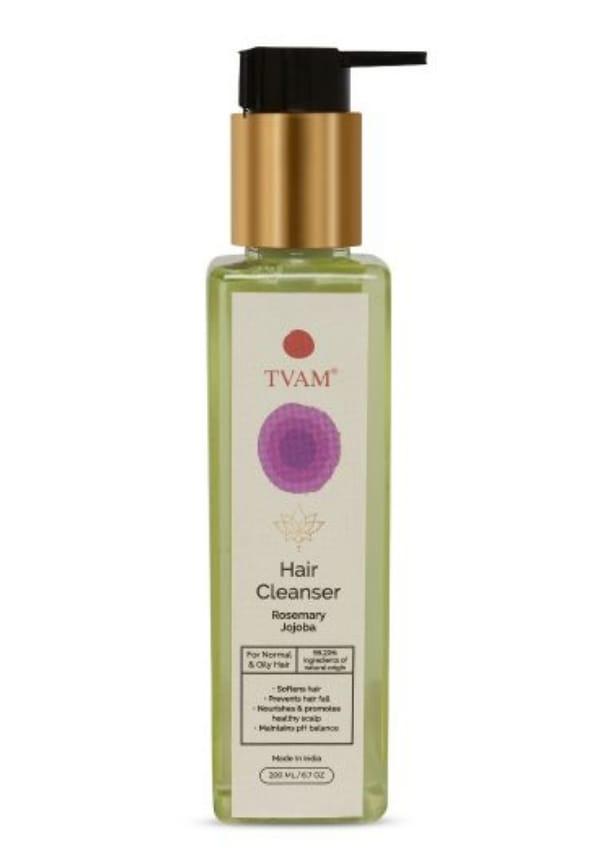
Hair Cleanser - Rosemary Jojoba - Normal & Oily Hair
Absolutely. Sulphate-free doesn't mean cleaning-free. These formulas use gentler surfactants that clean effectively without stripping your scalp's natural protective barrier. You might notice less foam, but the cleaning power is definitely there.
It depends on your hair type and lifestyle. Most men can use sulphate-free shampoo daily if needed, since it's gentler than traditional formulas. Oily hair types might need daily washing, while normal to dry hair can often go every other day.
Yes, but you might need to adjust your routine. Heavy styling products can sometimes require a double wash or an occasional clarifying treatment to prevent buildup. Most water-based styling products wash out easily with sulphate-free formulas.
For most men, yes. The benefits—reduced scalp irritation, better moisture balance, and healthier hair over time—usually justify the slightly higher price. Plus, you often need less product per wash, so bottles last longer.
Most men notice immediate benefits like reduced scalp irritation within a few washes. For overall hair health improvements, give it 2-4 weeks. Your scalp needs time to adjust its natural oil production.
While sulphate-free shampoo won't regrow hair, it can create a healthier scalp environment by reducing irritation and inflammation. A healthier scalp supports better hair growth conditions, though hair loss usually requires targeted treatments.
Choosing the right sulphate-free shampoo for men comes down to understanding your specific hair and scalp needs, then finding a formula that addresses them without harsh ingredients. The best sulphate free shampoo men love isn't necessarily the most expensive or the one with the fanciest marketing—it's the one that works with your hair type and lifestyle.
Start by identifying your hair type and any specific concerns like sensitivity or oiliness. Look for gentle cleansing agents, avoid hidden sulphates, and give your chosen formula time to work. Remember, the goal isn't to strip your scalp clean—it's to maintain a healthy balance that keeps your hair looking and feeling its best.
The switch to sulphate-free might feel different initially, but most men find their hair looks healthier, feels more manageable, and their scalp is significantly more comfortable. Your hair routine should work for you, not against you. Not sure which sulphate-free formula might work for your hair type? Smytten offers trial-size versions of many quality men's haircare products—a smart way to test different options before committing to a full bottle.
