How to Choose the Right Shampoo for Premature Hair Fall


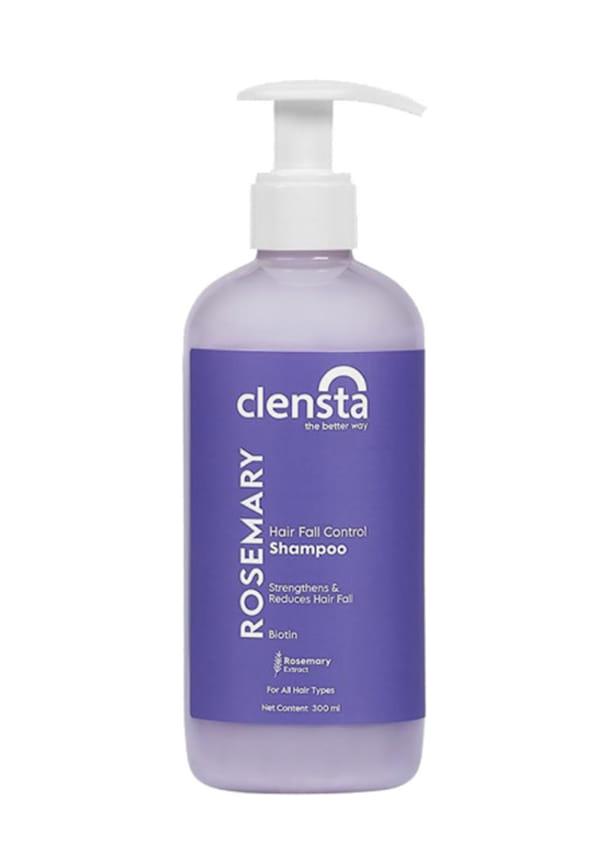
Rosemary Hair Fall Control Shampoo With Biotin For Reducing Hair Loss, Breakage & Daily Use
You know that sinking feeling when you run your fingers through your hair and come away with more strands than usual? Or when you notice your ponytail feels noticeably thinner than it used to? Premature hair fall can be genuinely unsettling, especially when it seems to come out of nowhere. The good news is that choosing the right shampoo can make a real difference in managing hair fall and supporting healthier hair growth. Let's dive into everything you need to know about finding your perfect match.
First things first—let's get clear on what we're dealing with. Normal hair shedding involves losing about 50-100 strands daily as part of your hair's natural growth cycle. Premature hair fall, however, goes beyond this normal range and can happen due to various factors that disrupt your hair's healthy growth pattern.
The culprits behind premature hair fall are surprisingly diverse. Genetics play a major role, but so do hormonal changes, chronic stress, nutritional deficiencies, and even certain hairstyling habits. Environmental factors like pollution and hard water can also contribute to weakened hair that's more prone to falling out. Understanding these triggers helps you choose a hair fall control shampoo that addresses your specific situation rather than just treating symptoms.
Early warning signs include increased hair on your pillow, more strands in the shower drain, a widening part, or areas where your scalp becomes more visible. If you're experiencing sudden or severe hair loss, it's worth consulting a dermatologist or trichologist. However, for gradual thinning or increased shedding, the right shampoo can be your first line of defence.
When you're scanning ingredient lists, certain actives have proven track records for supporting hair health and reducing fall. Think of these as your hair's personal bodyguards—each one tackles different aspects of hair loss prevention and scalp health.
Ketoconazole stands out as one of the most researched ingredients for hair loss treatment shampoo formulations. Originally an antifungal agent, it also helps block DHT (dihydrotestosterone), a hormone linked to pattern hair loss. You'll typically find it in concentrations of 1-2% in over-the-counter shampoos.
Biotin and B-vitamins strengthen hair from the inside out, supporting the protein structures that make up each strand. Caffeine might perk up your morning routine, but it also stimulates blood circulation to the scalp when applied topically. Niacin (Vitamin B3) works similarly, improving nutrient delivery to hair follicles.
If you prefer a natural shampoo for hair fall, look for saw palmetto extract, which naturally inhibits DHT production. Rosemary oil has shown promising results in studies comparing it to conventional hair growth treatments, while peppermint oil provides that tingly sensation that indicates increased blood flow.
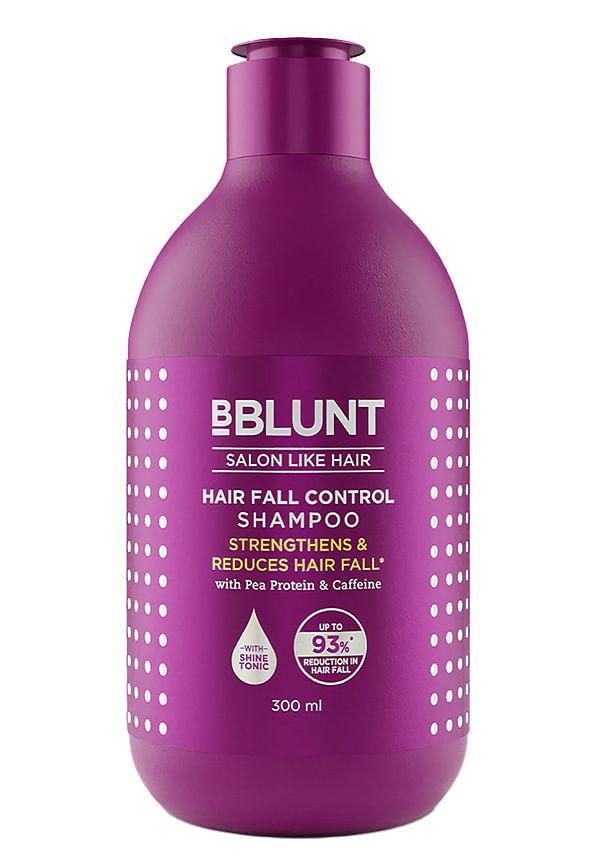
Hair Fall Control Shampoo with Pea Protein & Caffeine for Stronger Hair
Ginseng and green tea extracts bring antioxidant power to fight environmental damage, whilst argan oil and keratin proteins help repair and strengthen existing hair. These ingredients work best when combined rather than relied upon individually.
Your hair type significantly influences which anti-hair fall shampoo will work best for you. What works brilliantly for your friend with oily hair might leave your dry strands feeling even more brittle. Here's how to match your specific needs with the right formula.
If your scalp tends to get greasy quickly, you need a shampoo for thinning hair that can cleanse thoroughly without over-stripping. Look for lightweight formulas containing zinc pyrithione, which controls excess oil production whilst providing antifungal benefits. Avoid heavy moisturising agents that might weigh down already fine hair or clog follicles.
Dry hair requires extra TLC, especially when you're dealing with hair fall. Seek out hydrating ingredients like hyaluronic acid and ceramides that restore moisture without heaviness. Protein-rich formulas help rebuild damaged hair structure, but use them sparingly—too much protein can make hair brittle. This is particularly important if you're looking for shampoo for weak hair that's already compromised.
Fine or thinning hair needs volume and strength without weight. Volumising ingredients like rice protein and panthenol can help create the appearance of fuller hair whilst supporting strand strength. Avoid sulfates and harsh chemicals that can further weaken delicate hair. Instead, opt for gentle cleansing agents that won't strip natural oils your hair desperately needs.
The science behind effective hair loss treatment shampoo goes beyond just active ingredients—the overall formula matters enormously. Your scalp's natural pH sits around 4.5-5.5, slightly acidic to maintain healthy barrier function and optimal conditions for hair growth.
Shampoos with the right pH help seal hair cuticles, reducing breakage and creating smoother, stronger strands. Alkaline formulas (pH above 7) can lift cuticles, making hair more vulnerable to damage and fall. When choosing between sulfate-free and sulfate-containing formulas, consider your hair's condition. Sulfates cleanse effectively but can be harsh on already weakened hair.
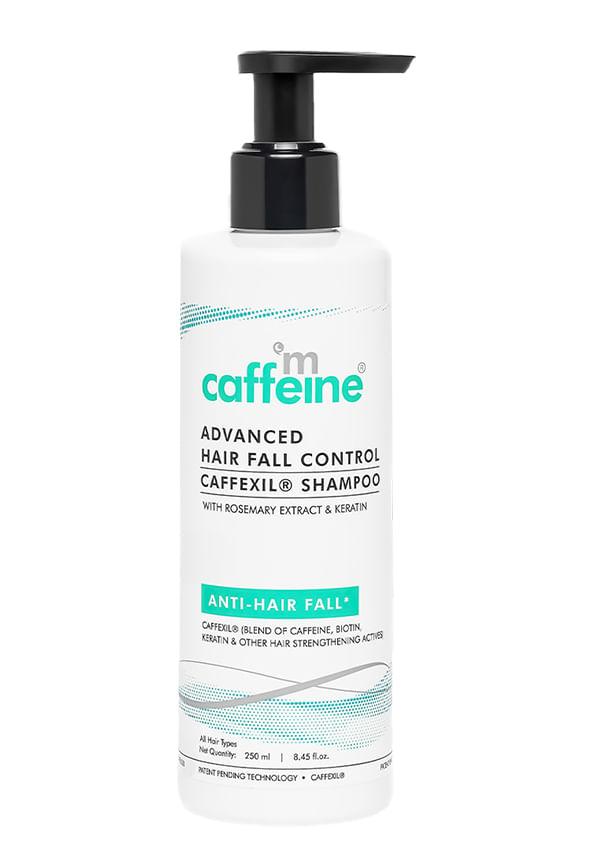
Advanced Hair Fall Control Caffexil® Shampoo With Keratin, Biotin & Rosemary
Paraben-free and chemical-free options are worth considering if you have sensitive skin or prefer cleaner formulations. However, don't assume that natural always means better—some synthetic ingredients have stronger research backing than their natural counterparts. The key is finding the right balance for your specific needs.
Frequency matters too. Daily washing with a gentle formula might suit oily hair, whilst dry or chemically treated hair might benefit from washing every other day or less frequently.
Hair loss affects people differently based on gender, age, and hormonal factors. Understanding these differences helps you choose more targeted solutions.
Men dealing with pattern baldness or receding hairlines benefit most from shampoo for receding hairline that contains DHT-blocking ingredients. Look for formulas with ketoconazole, saw palmetto, or caffeine. These work best when combined with other treatments like topical minoxidil, creating a comprehensive approach to hair loss prevention.
Women's hair loss often relates to hormonal fluctuations during pregnancy, postpartum, or menopause. During pregnancy, choose gentle, pregnancy-safe formulas without harsh chemicals. Post-pregnancy hair loss is temporary but can be distressing—supportive shampoos with biotin and gentle proteins can help during this transition period.
Even with the best intentions, it's easy to make choices that might worsen hair fall rather than improve it. Over-washing strips natural oils, whilst harsh scrubbing can damage follicles and increase breakage. Your scalp isn't dirty dishes—gentle massage is more effective than aggressive scrubbing.
Don't choose based purely on marketing claims or celebrity endorsements. Instead, focus on ingredient lists and formulations that match your specific hair type and concerns. If you have dandruff alongside hair fall, you'll need a dandruff shampoo for hair fall that addresses both issues simultaneously.
Ignoring your hair's porosity level is another common oversight. High-porosity hair absorbs products quickly but also loses moisture fast, whilst low-porosity hair resists product penetration. Understanding your hair's porosity helps you choose formulas that actually work with your hair's natural characteristics.
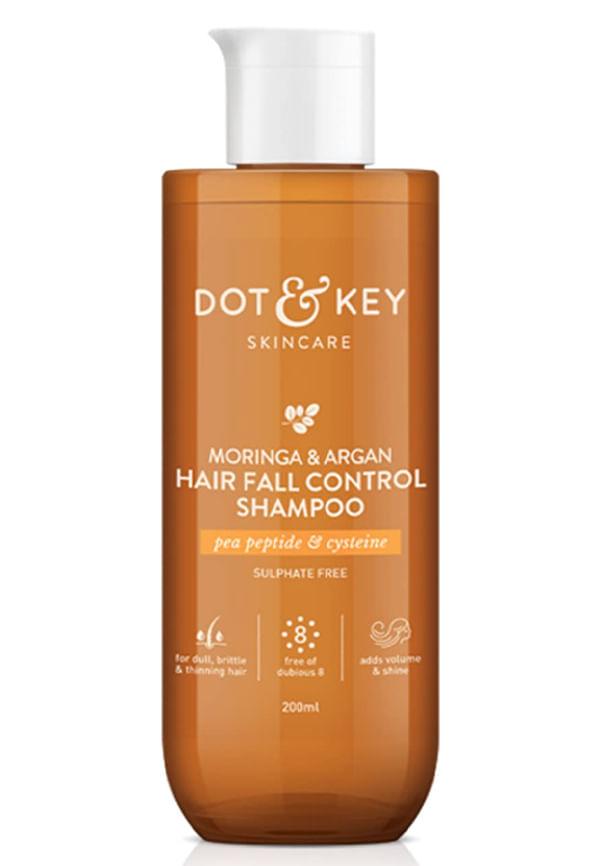
Moringa & Argan Oil Anti Hairfall Shampoo
Perhaps most importantly, don't expect overnight miracles. Hair growth cycles take months, so consistent use over 3-6 months gives you a realistic timeframe to assess whether your chosen hair growth shampoo is working.
This depends on your hair type and scalp condition. Oily hair might benefit from daily use with a gentle formula, whilst dry or chemically treated hair typically needs washing every 2-3 days. Over-washing can strip natural oils and worsen hair fall, so find the frequency that keeps your scalp clean without causing dryness or irritation.
Absolutely, and you should. Hair fall shampoos focus on scalp health and cleansing, whilst conditioners provide moisture and protection to hair lengths. Choose a lightweight conditioner that won't weigh down thinning hair, and apply it from mid-length to ends, avoiding the scalp area.
Hair growth cycles mean you'll need patience—typically 8-12 weeks of consistent use before noticing significant changes. You might see reduced shedding within 4-6 weeks, but new growth and improved hair thickness take longer to become apparent. Keep a hair diary to track progress objectively.
Not necessarily. Whilst sulfates can be harsh, some people with oily scalps need their cleansing power to maintain healthy follicles. If your hair is already damaged or very dry, sulfate-free formulas are gentler. The key is choosing the right sulfate concentration and formula for your specific hair needs.
Choosing the right shampoo for premature hair fall isn't about finding a magic bullet—it's about understanding your hair's specific needs and matching them with proven ingredients and appropriate formulations. Focus on clinically backed actives like ketoconazole and biotin, consider your hair type when selecting formulas, and remember that consistency trumps perfection.
The journey to healthier hair starts with making informed choices rather than hoping for quick fixes. Whether you're dealing with early signs of thinning or more advanced hair loss, the right shampoo can be a valuable part of your hair care routine. Not sure which formula works best for your specific hair concerns? Smytten offers trial-size versions of many hair fall control shampoos from trusted brands—a smart way to test different options before committing to full-size bottles.
