How to Choose the Right Shampoo for Hair Growth in Men

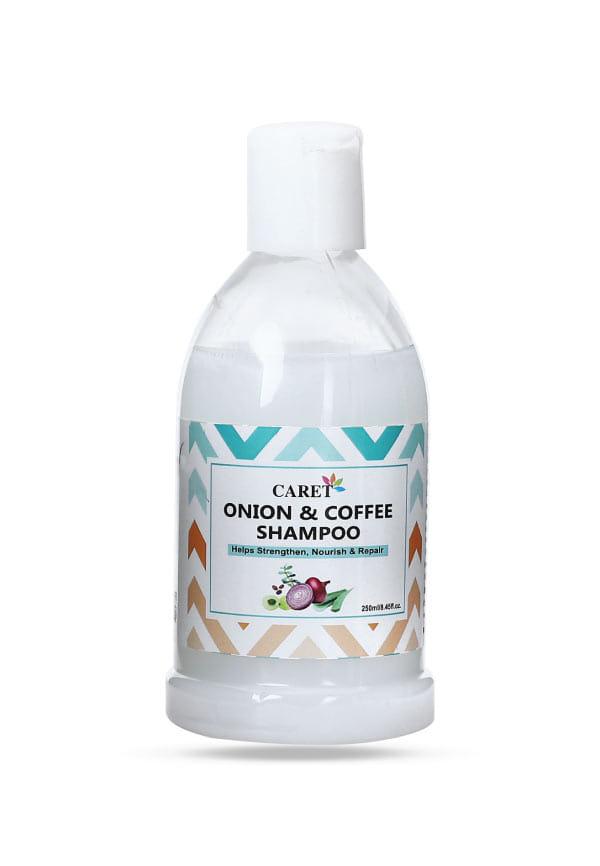
Onion Shampoo With Caffeine For Hair Growth & Hair Fall Control -Cruelty & Paraben Free
You're standing in the shower, watching more hair swirl down the drain than you'd like to admit. Sound familiar? If you've been noticing your hairline creeping back or your crown looking a bit thinner, you're definitely not alone. Male pattern baldness affects around 50% of men by age 50, but here's the thing — the right shampoo can actually make a difference. Not a miracle cure, but a solid foundation for healthier hair growth. Let's dive into how to choose the right shampoo for hair growth in men, because your scalp deserves better than whatever's on sale at the corner shop.
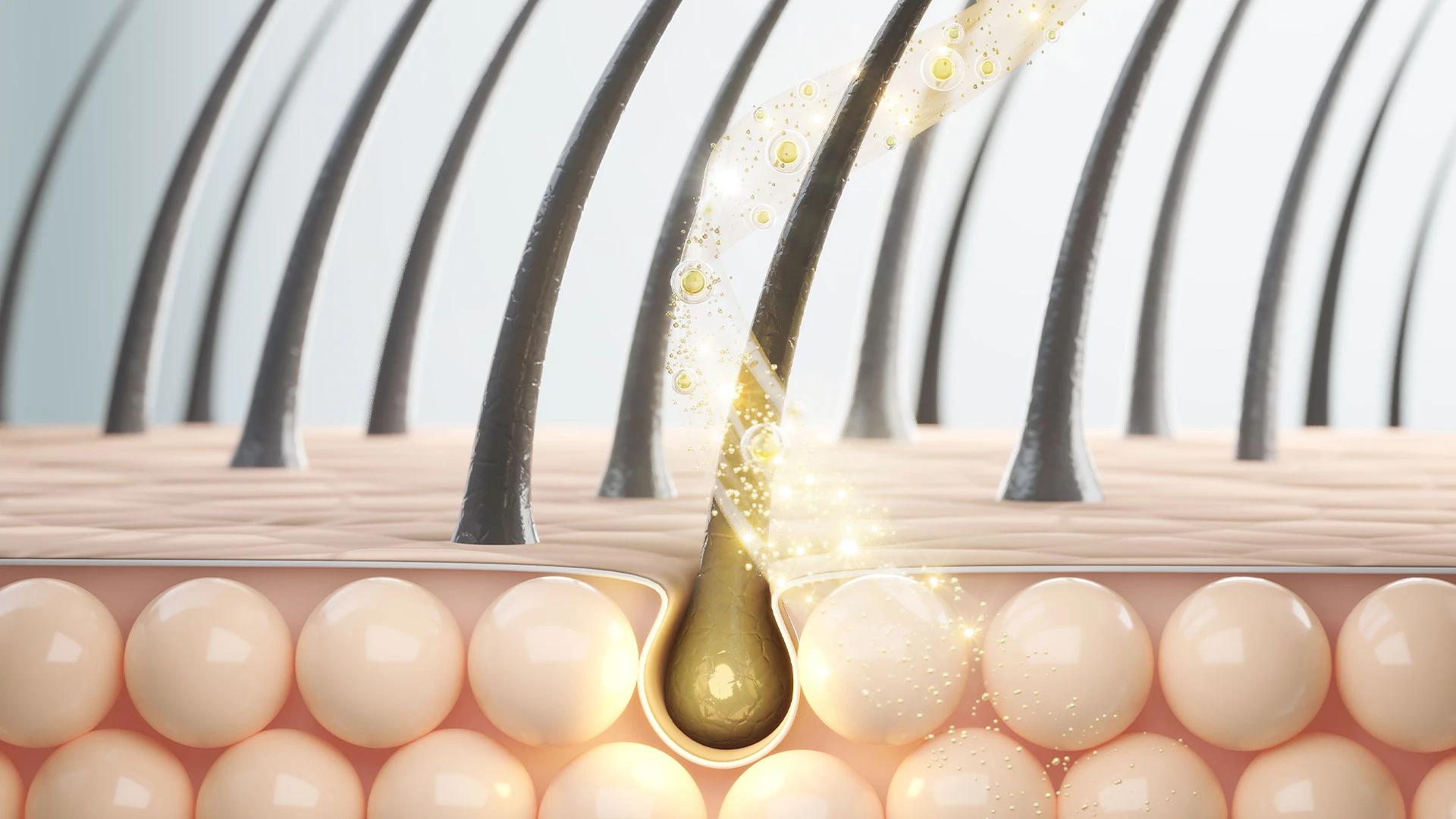
Real talk — male hair loss isn't just about bad genes (though they play a part). The main culprit is DHT, or dihydrotestosterone, a hormone that basically tells your hair follicles to pack up and leave. This hormone binds to receptors in your scalp, shrinking follicles until they can't produce healthy hair anymore. Stress, poor nutrition, and even harsh hair products can speed up this process.
Now, here's where the best shampoo for hair growth men can step in. A good hair growth shampoo for men works by keeping your scalp clean and healthy, removing DHT buildup, and creating the right environment for hair to grow. Think of it as prepping the soil before planting seeds — you want the best possible conditions for growth.
But let's be realistic about what shampoo can and cannot do. A quality shampoo for thinning hair men can help slow down hair loss, improve scalp health, and make existing hair look thicker and fuller. What it can't do is regrow hair on completely bald spots or work overnight miracles. Most people see noticeable improvements after 3-6 months of consistent use, so patience is key.
When you're shopping for hair thickening shampoo men, the ingredient list is where the magic happens. Not all ingredients are created equal, and some have actual science backing them up.
Ketoconazole is probably the most researched ingredient for male pattern baldness. Originally an antifungal, it also blocks DHT production in the scalp. Studies show it can be almost as effective as some prescription treatments. Saw palmetto extract and pumpkin seed oil are natural alternatives that work similarly, though they're generally milder.
Caffeine isn't just for your morning coffee — it actually improves blood circulation to hair follicles when applied topically. Niacinamide (vitamin B3) does something similar, plus it helps regulate oil production. Essential oils like peppermint and rosemary create a tingling sensation that indicates increased blood flow to the scalp.
Biotin and B-complex vitamins help strengthen existing hair strands, making them less likely to break. Keratin proteins can temporarily fill in gaps in damaged hair cuticles, whilst amino acids like arginine and cysteine provide building blocks for healthy hair growth.
When choosing between natural hair growth shampoo men options and chemical formulations, consider your scalp sensitivity. Natural ingredients tend to be gentler but may take longer to show results. Chemical actives often work faster but might cause irritation in sensitive individuals.
Not all hair loss is the same, and neither should your shampoo choice be. Your hair type and scalp condition play huge roles in determining what'll work best for you.
Oily scalps produce excess sebum that can clog follicles and trap DHT. If your hair gets greasy within a day of washing, you've got an oily scalp. Dry scalps, on the other hand, can become flaky and irritated, creating inflammation that hinders hair growth. Fine hair shows thinning more obviously than thick hair, so volumising formulas become crucial.
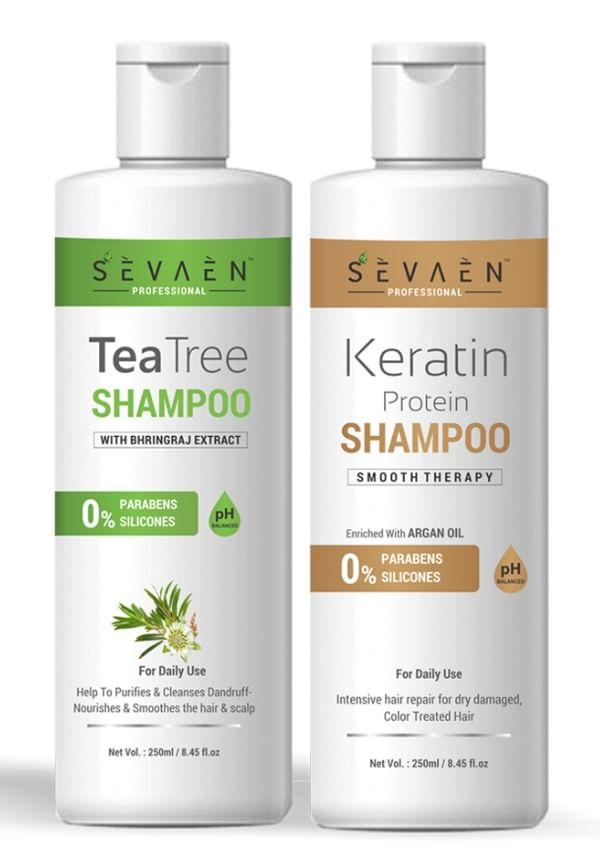
Keratin Protein Hair Shampoo 250Ml And Teatree Shampoo 250Ml No Paraben & Mineral Oil-For Men And Women Combo
For thinning hair, look for volumising ingredients like rice protein or hydrolysed wheat protein that coat hair strands to make them appear thicker. If you're dealing with both dandruff and hair loss, a dandruff shampoo for hair growth men that combines antifungal ingredients with growth stimulators kills two birds with one stone.
Men with chemically treated or coloured hair need gentler formulations. Sulfate-free options are usually your best bet here, as they clean without stripping away protective oils or colour.
Your scalp's natural pH sits between 4.5 and 6.5, slightly acidic. Shampoos within this range help maintain your scalp's protective barrier and keep hair cuticles smooth. Alkaline shampoos can cause irritation and make hair look dull and frizzy.
Understanding different types of hair loss shampoo for men helps you make a more informed choice based on your specific needs and preferences.
These are probably your strongest over-the-counter option for blocking DHT. Ketoconazole shampoos typically contain 1-2% of the active ingredient and should be used 2-3 times per week initially, then reduced to maintenance use once you see results. They can be drying, so follow up with a good conditioner.
Plant-based DHT blockers like saw palmetto, nettle extract, and green tea offer gentler alternatives. These formulations often combine multiple natural ingredients for synergistic effects. They're typically sulfate and paraben-free, making them suitable for daily use and sensitive scalps.
Some hair loss conditions require prescription-strength treatments. If over-the-counter options aren't working after 6 months, or if you're experiencing sudden, severe hair loss, it's time to consult a dermatologist. They might prescribe stronger ketoconazole formulations or recommend combining shampoo with other treatments.
Many effective shampoos combine anti-dandruff ingredients with hair growth stimulators. This approach makes sense because scalp conditions like seborrheic dermatitis can contribute to hair loss. Look for formulations that balance antifungal properties with gentle cleansing.
Not all shampoos marketed for hair growth are worth your money. Some ingredients can actually make hair loss worse, whilst certain marketing claims should set off alarm bells.
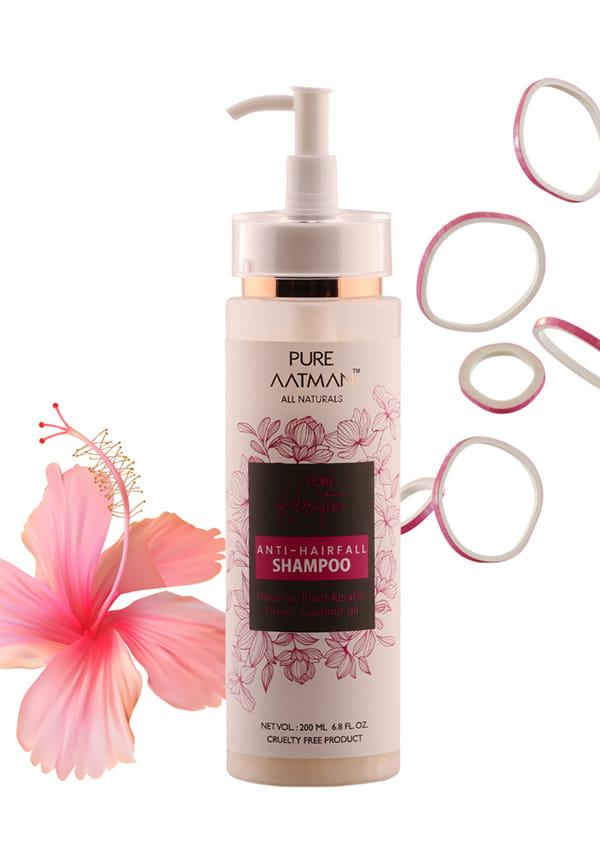
Shampoo for women men ladies Keratin Anti Hairfall
Harsh sulfates like sodium lauryl sulfate can strip your scalp of natural oils, leading to irritation and inflammation. High alcohol content has a similar drying effect. Heavy silicones might make hair look temporarily thicker but can build up over time, weighing hair down and clogging follicles.
Be wary of products promising instant results or claiming to regrow hair in bald spots. Hair growth is a slow process, and legitimate products will be honest about timelines. "Miracle" ingredients with no scientific backing are usually just marketing fluff. Always look for clinical studies or dermatologist recommendations.
The most expensive option isn't always the best. Some budget-friendly shampoos contain effective ingredients like ketoconazole or caffeine. Focus on the ingredient list rather than fancy packaging or celebrity endorsements.
Even the best shampoo won't work if you're not using it properly. How you apply and use your hair growth shampoo can significantly impact its effectiveness.
Start with a gentle scalp massage using your fingertips (not nails) for 2-3 minutes before applying shampoo. This stimulates blood flow and helps loosen dead skin cells. Apply shampoo to wet hair, focusing on the scalp rather than the hair strands. Let active ingredients sit for 2-3 minutes before rinsing — this contact time is crucial for ingredients like ketoconazole to work.
Oily scalps can handle daily washing with a gentle formula, whilst dry or sensitive scalps might do better with every other day. Medicated shampoos are typically used 2-3 times per week initially. Pay attention to how your scalp responds and adjust accordingly.
Use lukewarm water rather than hot, which can irritate the scalp and strip natural oils. When towel-drying, pat rather than rub to avoid mechanical damage to wet, vulnerable hair. Consider a scalp massage tool or derma roller (used gently) to boost circulation.
Hair growth is gradual, so tracking progress helps you determine whether your chosen shampoo is working or if it's time to try something else.
Take photos from the same angles in consistent lighting every month. Focus on your hairline, crown, and any areas of particular concern. Some people find it helpful to count hairs lost during washing, though this can become obsessive.
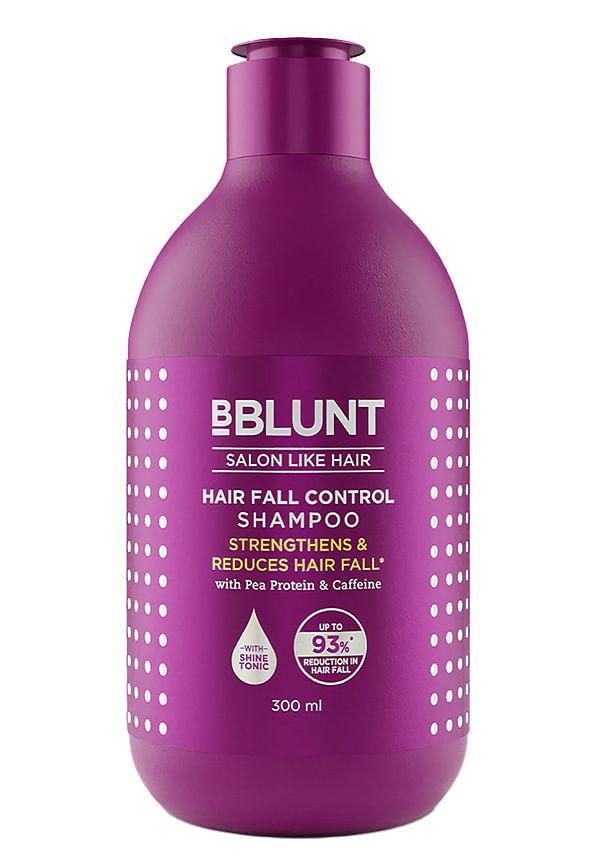
Hair Fall Control Shampoo with Pea Protein & Caffeine for Stronger Hair
Most people notice reduced hair shedding within 4-6 weeks of starting an effective shampoo. Visible improvements in hair thickness and coverage typically take 3-4 months. Significant regrowth, if it occurs, usually becomes apparent after 6-12 months of consistent use.
If you're experiencing increased hair loss, persistent scalp irritation, or no improvement after 4 months, it might be time to switch products or consult a professional. Sudden or severe hair loss warrants immediate medical attention, as it could indicate an underlying condition requiring treatment beyond shampoo.
The best hair growth shampoo depends on your specific hair type and scalp condition. Ketoconazole-based shampoos have the strongest scientific backing for male pattern baldness, whilst natural options with saw palmetto and caffeine work well for those preferring gentler formulations. Look for products that combine DHT-blocking ingredients with scalp-stimulating compounds for the most comprehensive approach.
Most hair growth shampoos can be used 2-3 times per week initially, then adjusted based on your scalp's response. Medicated formulations with ketoconazole typically start with this frequency, whilst gentler natural formulas might be suitable for daily use. Oily scalps generally tolerate more frequent washing than dry or sensitive ones.
Shampoo alone rarely regrows hair in completely bald areas, but it can significantly slow hair loss, improve scalp health, and make existing hair appear thicker. For best results, combine a quality hair growth shampoo with other treatments like minoxidil, proper nutrition, and stress management. Realistic expectations are key — think maintenance and improvement rather than dramatic regrowth.
Avoid harsh sulfates like sodium lauryl sulfate, high alcohol content, and heavy silicones that can build up on the scalp. Parabens and artificial fragrances can also cause irritation in sensitive individuals. Be particularly wary of products with unproven "miracle" ingredients or those making unrealistic promises about instant results.
Most men notice reduced hair shedding within 4-6 weeks of consistent use. Visible improvements in hair thickness and overall scalp health typically become apparent after 3-4 months. Significant changes in hair coverage or regrowth, if they occur, usually take 6-12 months of dedicated use combined with other healthy hair practices.
Choosing the right shampoo for hair growth isn't about finding a magic solution — it's about understanding your hair type, scalp condition, and realistic expectations. The best approach combines scientifically-backed ingredients like ketoconazole or natural alternatives like saw palmetto with proper application techniques and patience.
Remember, hair growth is a marathon, not a sprint. Consistency matters more than perfection, and what works for your mate might not work for you. Start with a formula that matches your specific needs, give it at least 3-4 months to show results, and don't be afraid to adjust your approach based on how your scalp responds.
If you're curious about trying different formulations before committing to full-size bottles, platforms like Smytten offer trial-size versions of many hair growth products. This way, you can test how your scalp reacts to different ingredients without the financial commitment of buying full bottles that might not work for you.
