How to Choose the Right Shampoo for Damaged Hair Men

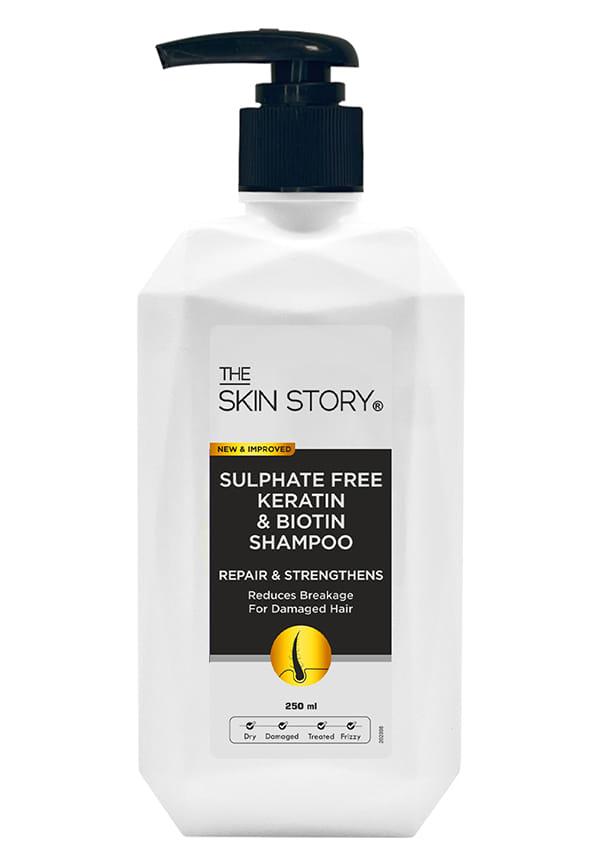
Sulphate Free Keratin Biotin Shampoo For Damaged Hair
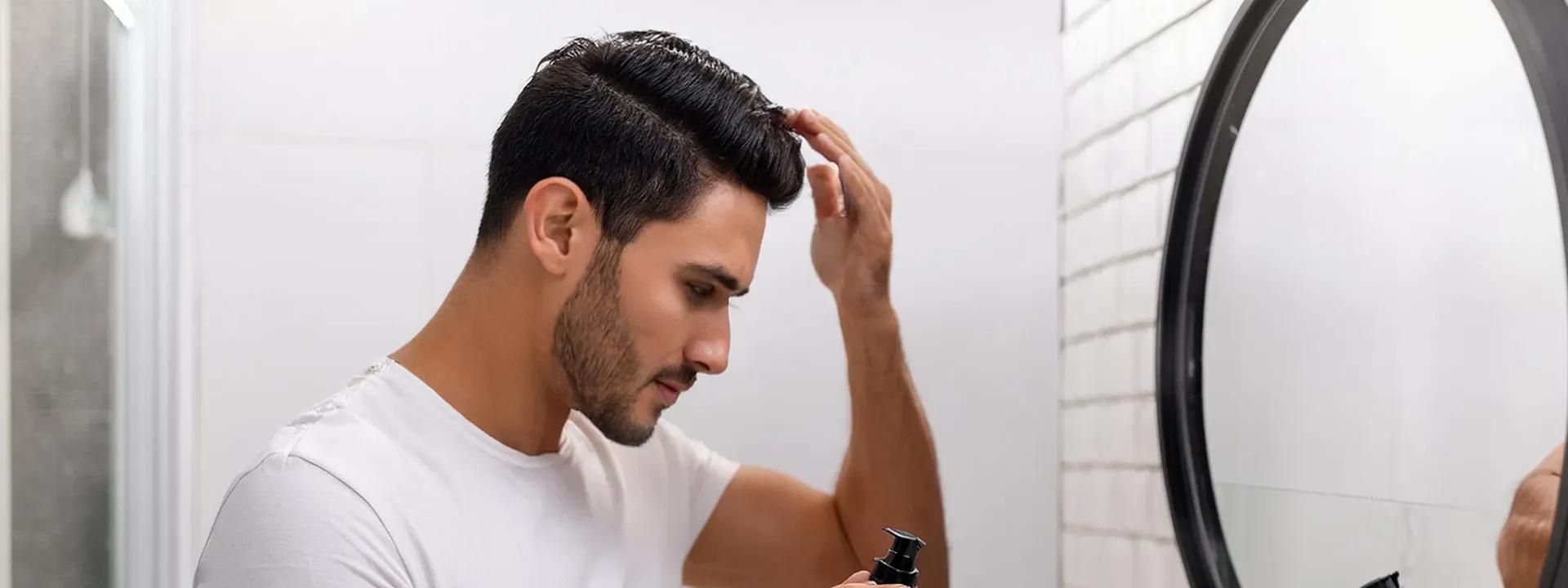
Let's be real — damaged hair isn't just a women's problem. Whether it's from too much heat styling, harsh weather, or just neglecting your haircare routine, men's hair takes a beating too. You might notice your hair feeling rougher, looking duller, or even breaking more easily. The good news? The right shampoo can be a total game-changer for bringing your hair back to life. But with so many options out there, knowing how to choose the right shampoo for damaged hair men can feel overwhelming. Don't worry — we've got you sorted with everything you need to know.
Before diving into shampoo selection, it's worth understanding what damaged hair actually looks like and why it happens. Recognising the signs early can help you address the problem before it gets worse.
Damaged hair doesn't always announce itself dramatically. Sometimes it's subtle changes that build up over time. Your hair might feel drier than usual, especially at the ends. You could notice more breakage when you run your fingers through it, or find more hair in your brush than normal. The texture might feel rougher, and your hair could look less shiny or vibrant than it used to.
Thinning is another common sign, particularly if your hair feels weaker overall. This isn't necessarily male pattern baldness — it could be damage-related hair loss that's actually reversible with the right care.
Heat styling is probably the biggest culprit. Blow dryers, straighteners, and even hot showers can strip moisture from your hair over time. Chemical treatments like colouring or perming also weaken hair structure, making it more prone to breakage.
Environmental factors play a huge role too. Sun exposure, pollution, and hard water can all contribute to hair damage. Even your lifestyle choices matter — stress, poor diet, and using the wrong products can leave your hair looking worse for wear. Many men also make the mistake of using body wash on their hair or choosing shampoos that are too harsh for their hair type.
When you're shopping for the best shampoo for men's damaged hair, ingredients matter more than fancy packaging or bold claims. Here's what actually works for repairing and strengthening damaged hair.
Argan oil is your friend when it comes to deep hydration. It penetrates the hair shaft to restore moisture from within, making it perfect for shampoo for dry and brittle hair men. Coconut oil works similarly, helping to seal in moisture and add shine.
Aloe vera is brilliant for soothing a damaged scalp whilst providing lightweight moisture. If your scalp feels irritated or flaky alongside your hair damage, look for moisturising shampoo for damaged scalp men that includes aloe vera. Hyaluronic acid might sound fancy, but it's basically a moisture magnet that helps your hair hold onto hydration longer.
Protein complexes like keratin and biotin are essential for strengthening shampoo for men's hair. These ingredients help rebuild the hair's structure from the inside out. Keratin is particularly effective because it's naturally found in hair, so it can fill in gaps where damage has occurred.
Amino acids work alongside proteins to repair damaged cuticles — the outer layer of your hair that protects everything underneath. When cuticles are damaged, hair looks dull and feels rough. Peptides are smaller protein fragments that can penetrate deeper into the hair shaft, making them excellent for severe damage.
Sulfates are the big one to watch out for. These harsh detergents create that satisfying lather, but they strip away natural oils that damaged hair desperately needs. Look for sulfate-free shampoo for men damaged hair instead.
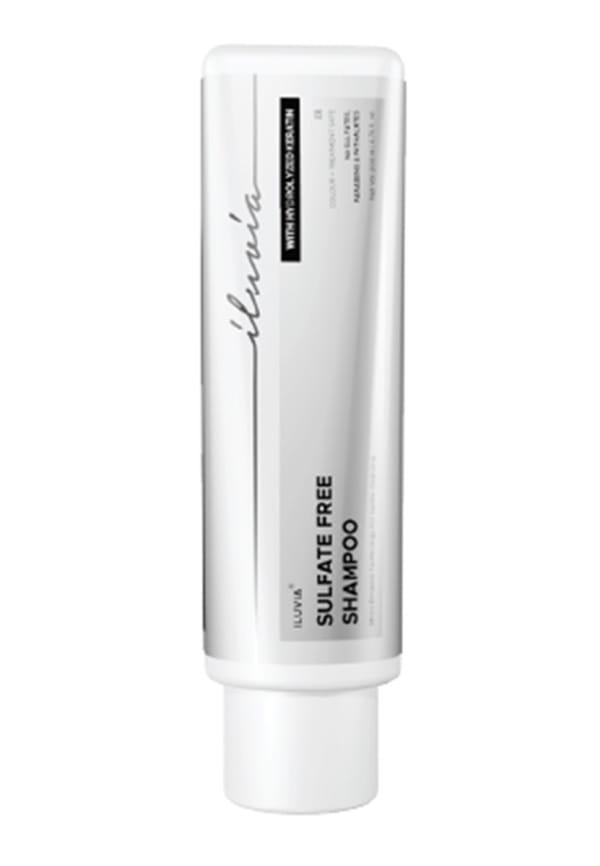
Sulfate Free Shampoo | For damaged, dry, dull hair
Alcohols like isopropyl alcohol or ethanol can be incredibly drying, which is the last thing damaged hair needs. Artificial fragrances might smell nice, but they can irritate an already sensitive scalp and potentially worsen damage.
Not all damaged hair is the same, so your shampoo choice should match your specific situation. Here's how to narrow down your options based on what your hair actually needs.
If your hair is already compromised, the last thing you want is a shampoo that strips away what little moisture and natural oils you have left. Sulfate-free formulas clean gently without being harsh, making them ideal for sensitive, damaged hair.
These shampoos might not lather as much as you're used to, but that's actually a good thing. The gentle cleansing action means you can wash more frequently if needed without causing further damage. Most men with damaged hair find they can use sulfate-free shampoos 3-4 times a week without issues.
Sometimes the damage isn't just in your hair — your scalp needs attention too. If you're dealing with flakiness, irritation, or dryness at the roots, you need a shampoo that addresses both hair and scalp health.
Look for ingredients like tea tree oil for its anti-inflammatory properties, or ceramides that help restore the scalp's natural barrier. These shampoos often have a slightly thicker consistency and might feel more nourishing when you apply them.
When damage leads to thinning, you need a shampoo that strengthens without weighing hair down. Volumising properties are crucial here, but you want them to come from strengthening ingredients rather than harsh chemicals.
Some shampoos include DHT-blocking ingredients like saw palmetto, which can help if your thinning is related to hormonal factors. The key is finding something that makes your existing hair look fuller whilst encouraging healthier growth.
Choosing the right shampoo isn't just about grabbing the first "repair" formula you see. Here's how to approach it systematically to get the best results for your specific situation.
Start by honestly evaluating how damaged your hair actually is. Light damage might just be occasional dryness or slight dullness — this usually responds well to basic moisturising shampoos with gentle ingredients.
Moderate damage includes visible breakage, noticeable dullness, and texture changes. You'll need something with more intensive repair ingredients like proteins and deeper moisturising components.
Severe damage means extreme brittleness, significant thinning, or hair that breaks easily with minimal manipulation. This level requires specialised natural shampoo for men's hair repair with high concentrations of rebuilding ingredients.
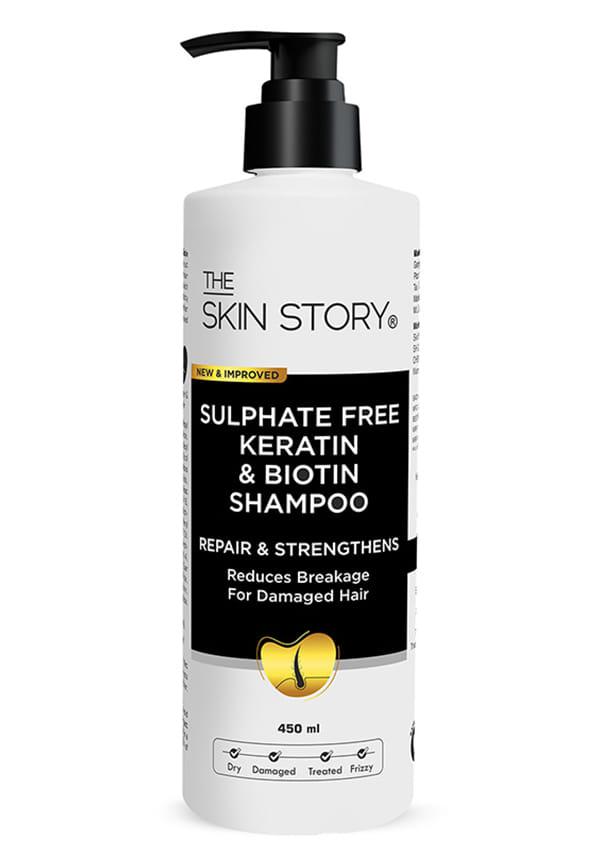
Sulphate Free Keratin Shampoo Enriched With Biotin & Vitamin E | Repairs & Strengthens Hair
Your underlying hair type matters just as much as the damage level. Fine damaged hair needs lightweight formulas that won't weigh it down further. Look for volumising ingredients that add body without heaviness.
Thick damaged hair can handle richer, more intensive formulas. You might benefit from shampoos with heavier oils and butters that provide deep nourishment.
Curly damaged hair has special needs because the curl pattern makes it naturally drier. Sulfate-free formulas with curl-enhancing ingredients work best here.
Don't get swayed by marketing buzzwords. "Miracle repair" and "instant transformation" are usually just clever marketing. Instead, focus on the actual ingredient list and look for the repair components we mentioned earlier.
Check where key ingredients appear in the list — they should be in the first few ingredients if they're present in meaningful concentrations. Be wary of products that list water, sulfates, and fillers first, then bury the good stuff at the bottom.
The right shampoo is just one part of fixing damaged hair. How you use it and what you do before and after washing makes a massive difference to your results.
Consider using a pre-shampoo oil treatment once or twice a week. Apply coconut or argan oil to dry hair, focusing on the ends, and leave it for 15-30 minutes before shampooing. This gives your hair extra protection during the cleansing process.
Scalp massage isn't just relaxing — it improves blood circulation, which can help with hair health. Spend a minute or two gently massaging your scalp before applying shampoo.
Water temperature matters more than you might think. Hot water strips natural oils and can worsen damage, whilst cold water doesn't clean effectively. Lukewarm water is your sweet spot.
Apply shampoo primarily to your scalp, not the lengths of your hair. Let the suds run down as you rinse — this is usually enough to clean the rest of your hair without over-manipulating damaged strands.
For damaged hair, washing every other day or even every third day is often better than daily washing. This gives your hair time to recover between washes.
Never skip conditioner when you have damaged hair. Apply it from mid-length to ends, avoiding the roots unless your scalp is very dry. Leave it on for at least 2-3 minutes to let it work properly.
Consider adding a leave-in treatment or hair oil to damp hair for extra protection. When styling, always use heat protectant if you're using any hot tools.
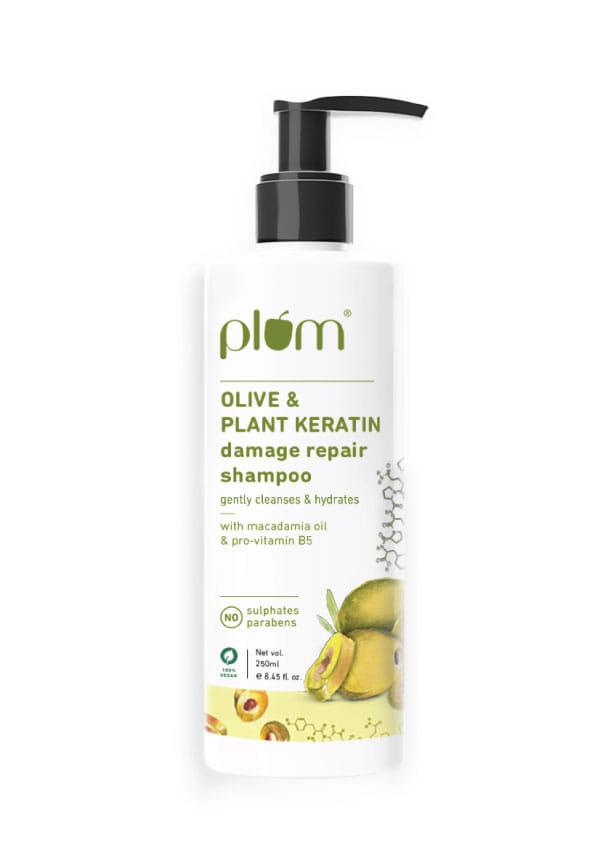
Olive & Plant Keratin Damage Repair Shampoo
Natural ingredients can be incredibly effective for damaged hair repair, often with fewer side effects than synthetic alternatives. Here's what to look for in natural formulations.
Tea tree oil is excellent for scalp health and has natural antifungal properties that can help if scalp issues are contributing to your hair damage. It's particularly good in shampoos for men who exercise frequently or live in humid climates.
Rosemary extract improves circulation to the scalp, which can encourage healthier hair growth. Some studies suggest it might be as effective as certain chemical treatments for promoting hair health.
Saw palmetto is a natural DHT blocker that can help if your hair damage is related to hormonal factors. It's particularly beneficial for men experiencing both damage and thinning.
Whilst homemade treatments can be effective, they're often not practical for daily use and might not have the right pH balance for your hair. Commercial natural shampoos offer the convenience of proper formulation with the benefits of natural ingredients.
That said, occasional DIY treatments like egg masks or honey treatments can complement your regular shampoo routine. Just don't rely on them as your primary hair repair strategy.
The best shampoo depends on your specific type of damage and hair type. Generally, sulfate-free formulas with moisturising ingredients like argan oil and strengthening proteins like keratin work well for most men with damaged hair. Look for shampoos specifically designed for repair rather than just general cleansing.
Sulfate-free, moisturising shampoos with repair-focused ingredients are typically best for damaged hair. These clean gently without stripping natural oils and include ingredients that actually help rebuild hair structure. Avoid clarifying or volumising shampoos that might be too harsh for compromised hair.
Start by assessing your damage level and hair type, then look for shampoos with appropriate repair ingredients. Read ingredient lists carefully, focusing on moisturising oils, proteins, and avoiding harsh sulfates. Consider trying travel or trial sizes first to test how your hair responds before committing to full-size products.
Most men with damaged hair should wash every 2-3 days rather than daily. This gives hair time to recover between washes and allows natural oils to nourish damaged strands. If you exercise frequently, you can rinse with water on non-shampoo days or use a very gentle, sulfate-free formula.
Absolutely. Shampoos with harsh sulfates, high alcohol content, or strong fragrances can worsen existing damage by stripping moisture and irritating the scalp. Using the wrong shampoo for your hair type can also cause problems — for example, using a volumising shampoo on already brittle hair can increase breakage.
Choosing the right shampoo for damaged hair doesn't have to be complicated once you know what to look for. Focus on gentle, sulfate-free formulas with proven repair ingredients like proteins and natural oils. Remember that consistency matters more than expensive products — using the right shampoo regularly will give you better results than switching between different products constantly.
Your hair didn't get damaged overnight, and it won't repair overnight either. Give any new shampoo at least 4-6 weeks to show results, and don't forget that your overall haircare routine matters just as much as the products you choose. With the right approach, you can definitely get your hair back to looking and feeling healthier. Not sure which shampoo format works best for your hair type? Smytten also offers trial-size versions of many haircare products — a smart way to test different formulas before committing to full bottles.
