How to Choose the Right Ketoconazole Shampoo for Men

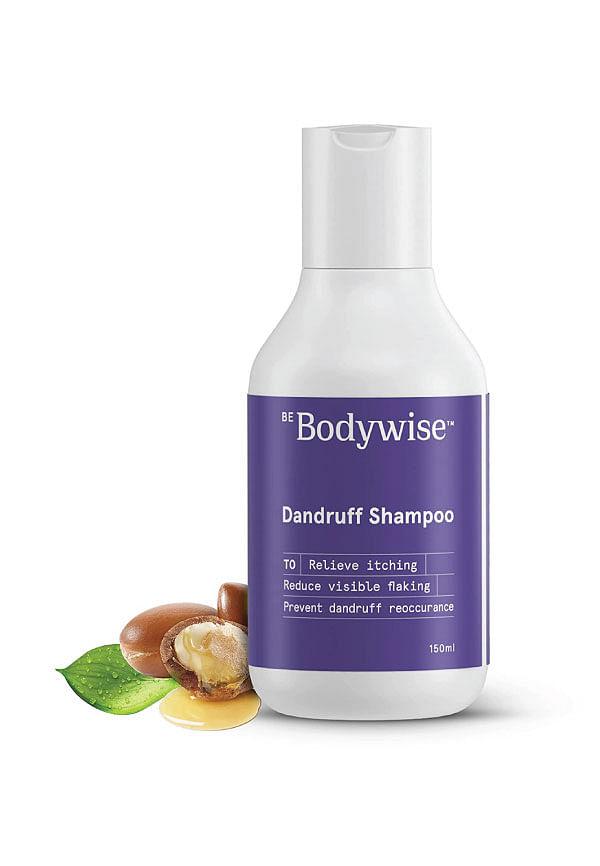
1% Ketoconazole Dandruff Shampoo
Picture this: you're getting ready for an important meeting, and as you run your fingers through your hair, you notice those telltale white flakes on your shoulders. Again. Or maybe you've been dealing with an itchy, irritated scalp that just won't quit, no matter how many regular shampoos you've tried. If this sounds familiar, you're definitely not alone. Millions of men deal with scalp issues like dandruff, seborrheic dermatitis, and even hair loss, and finding the right solution can feel overwhelming. That's where ketoconazole shampoo comes in—a game-changing ingredient that's worth knowing about if you're serious about sorting out your scalp health.
Let's start with the basics. Ketoconazole is an antifungal medication that's become a go-to solution for various scalp conditions affecting men. Unlike your typical dandruff shampoo that might just mask the problem temporarily, ketoconazole actually tackles the root cause—literally. It works by targeting the fungi and yeast that often trigger scalp irritation, dandruff, and other annoying conditions that can make your hair routine a proper nightmare. What makes ketoconazole particularly interesting for men is its dual action. Not only does it fight fungal infections, but research suggests it might also help with DHT (dihydrotestosterone) inhibition. DHT is that hormone that's often behind male pattern baldness, so you're potentially getting two benefits in one bottle. The ingredient comes in different concentrations, typically 1% for over-the-counter formulations and 2% for prescription-strength versions.
Ketoconazole belongs to a class of antifungal agents called azoles. When you apply it to your scalp, it disrupts the cell membrane of fungi and yeast, essentially stopping them from thriving on your scalp. This is particularly effective against Malassezia, a type of yeast that's often responsible for dandruff and seborrheic dermatitis. The DHT-blocking properties are an added bonus that many men find appealing. While ketoconazole isn't primarily a hair loss treatment, studies have shown it can help reduce DHT levels on the scalp, which might slow down hair thinning. It's like getting a scalp treatment and potential hair loss prevention rolled into one.
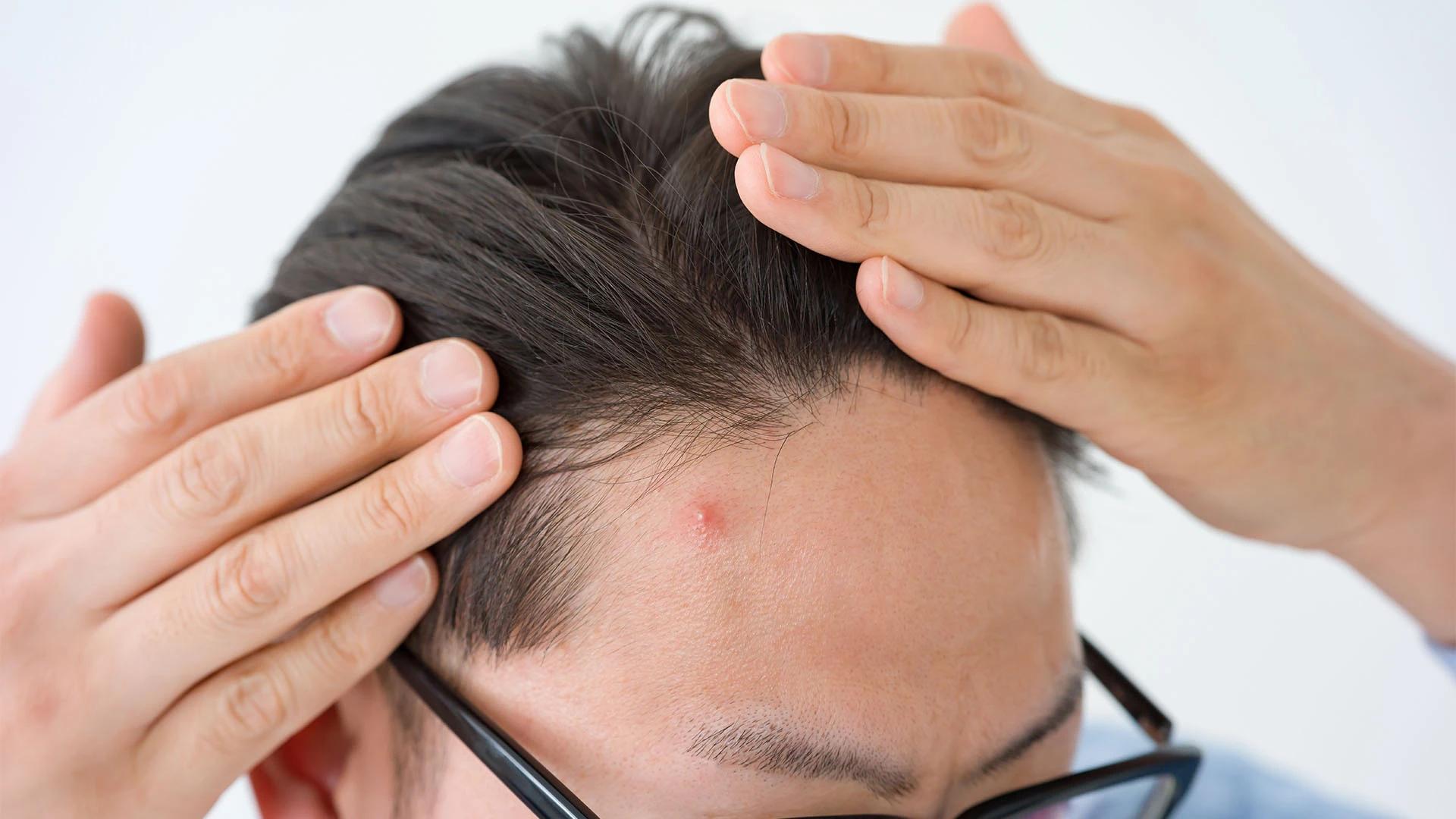
Seborrheic dermatitis is probably the most common reason men reach for ketoconazole shampoo. This condition causes red, scaly patches on the scalp and can be seriously uncomfortable. Then there's fungal acne, which can appear along the hairline and cause those stubborn bumps that regular acne treatments just won't touch. Dandruff control is another major benefit, especially for men who've tried everything else without success. And if you're dealing with early signs of male pattern baldness, ketoconazole might be worth considering as part of your overall hair care strategy.
Choosing the right ketoconazole shampoo isn't just about grabbing the first one you see. There are several factors that'll determine whether you get the results you're after or end up disappointed. The concentration level is probably the most important consideration, but your hair type, scalp sensitivity, and specific concerns all play a role in finding your perfect match. Think about it like choosing the right strength of coffee—you wouldn't start with a triple shot if you're sensitive to caffeine, and you wouldn't go for decaf if you need serious energy. Same principle applies here. Starting with the right concentration and formulation can make the difference between success and giving up too early.
The ketoconazole dosage for men typically starts at 1% for mild to moderate scalp issues. This concentration is available over-the-counter and is generally well-tolerated by most people. If you're new to ketoconazole or have sensitive skin, this is usually the best starting point. For more stubborn conditions like severe seborrheic dermatitis or persistent dandruff that hasn't responded to other treatments, you might need the 2% prescription strength. This requires a chat with your doctor or dermatologist, but it's often worth it for serious scalp concerns.
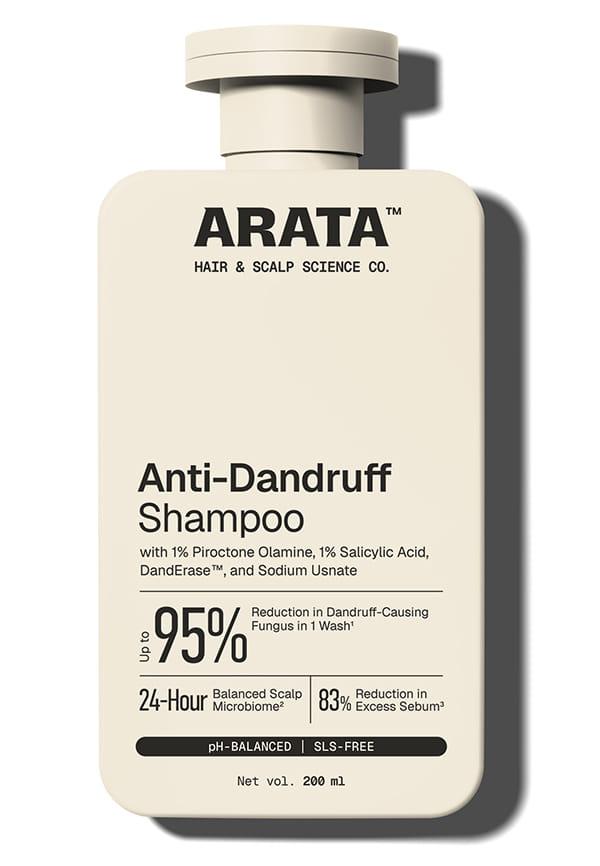
Anti-Dandruff Shampoo | Reduction in Dandruff-Causing Fungus | Controls Dandruff & Itching | With Piroctone Olamine & Salicylic Acid | For All Hair T
Fine hair needs a lighter touch—look for formulations that won't weigh your hair down or make it look greasy. Thick, coarse hair can handle stronger formulations and might actually benefit from the extra moisture some ketoconazole shampoos provide. If you've got an oily scalp, you might be able to use ketoconazole shampoo more frequently than someone with dry, sensitive skin. Pay attention to how your scalp responds and adjust accordingly.
Not all ketoconazole shampoos are created equal. Some are designed for daily use (though most ketoconazole formulations are meant for 2-3 times weekly), while others are more intensive treatments meant for specific conditions. Understanding these differences can help you choose a product that fits your lifestyle and hair care routine. Medicated shampoo for men often combines ketoconazole with other active ingredients for enhanced effectiveness. These combination formulas can be particularly useful if you're dealing with multiple scalp issues at once.
Clinical-strength medicated shampoos are your heavy hitters—these are typically 2% ketoconazole formulations that require a prescription. They're designed for serious scalp conditions and usually show results faster than over-the-counter options. Daily-use formulations are gentler and designed for maintenance once you've got your scalp issues under control. These often have lower concentrations of ketoconazole but include moisturising ingredients to prevent over-drying.
Zinc pyrithione paired with ketoconazole creates a powerful anti-dandruff combination that tackles multiple causes of scalp irritation. Salicylic acid additions help with exfoliation, removing dead skin cells that can contribute to flaking. Tea tree oil provides additional antifungal support and can be particularly helpful for men with oily scalps. However, avoid formulations with harsh sulfates if you have sensitive skin or colour-treated hair.
Using ketoconazole shampoo properly is crucial for getting results. It's not like regular shampoo where you can just lather up and rinse immediately. The active ingredient needs time to work, which means leaving it on your scalp for a few minutes before rinsing. Most people make the mistake of using it too frequently at first, thinking more is better. Actually, overuse can lead to scalp irritation and dryness, which defeats the purpose entirely. Starting slowly and building up frequency as your scalp adjusts is usually the smarter approach.
Start by wetting your hair thoroughly, then apply the shampoo directly to your scalp rather than just your hair. Work it into a lather and make sure it covers all areas where you're experiencing issues. The key is the contact time—leave it on for 3-5 minutes to let the ketoconazole do its work. Rinse thoroughly and follow up with a gentle conditioner if needed, focusing on the hair lengths rather than the scalp. Some men find that alternating ketoconazole shampoo with their regular shampoo works best for maintaining scalp health without over-drying.
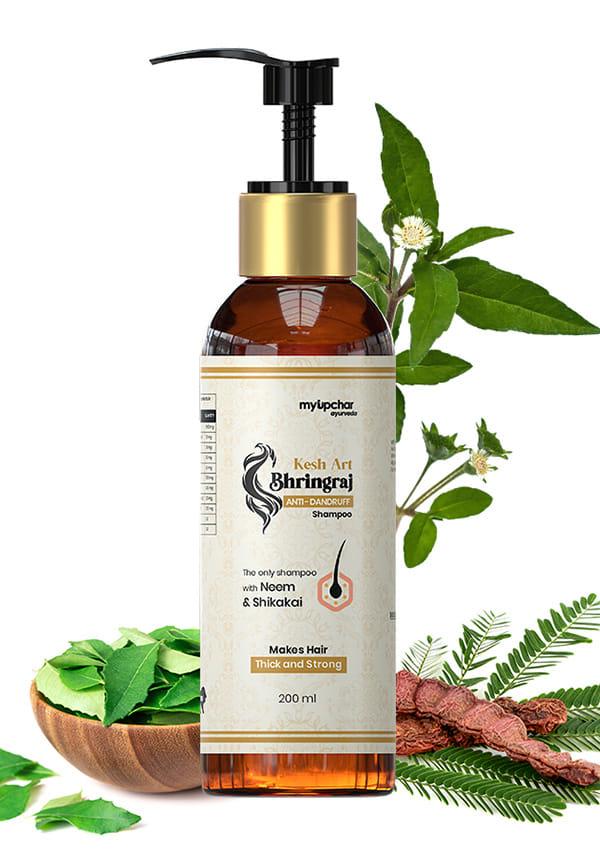
Ayurveda KeshArt Bhringraj Anti-Dandruff Shampoo with Neem & Shikakai
Integration with your regular hair care routine is important for long-term success. Most dermatologists recommend using ketoconazole shampoo 2-3 times per week initially, then reducing to once or twice weekly for maintenance once your scalp condition improves. Conditioning becomes more important when using medicated shampoos, as they can be drying. Look for lightweight, non-comedogenic conditioners that won't clog your hair follicles or interfere with the ketoconazole's effectiveness.
Different scalp concerns require slightly different approaches when selecting ketoconazole shampoo. Hair loss prevention needs might lead you towards formulations that emphasise the DHT-blocking properties, while severe dandruff might require stronger antifungal action. Understanding your primary concern helps narrow down the options and sets realistic expectations for results. Some conditions respond quickly to ketoconazole treatment, while others require patience and consistent use over several months.
For men dealing with androgenic alopecia, ketoconazole's role is more supportive than primary treatment. It can help create a healthier scalp environment and potentially slow DHT-related hair loss, but it works best when combined with other proven hair loss treatments like minoxidil or finasteride. Timeline expectations are important here—while you might notice improved scalp health within a few weeks, any hair loss benefits typically take 3-6 months to become apparent. Consistency is key, and monitoring progress with photos can help you track subtle improvements.
Seborrheic dermatitis shampoo for men often requires stronger formulations and more frequent initial use. If you're dealing with red, scaly patches and significant itching, starting with 2% ketoconazole might be necessary. Treatment duration varies, but most men see significant improvement within 4-6 weeks of consistent use. If you don't see results after 8 weeks, it's worth consulting a dermatologist to rule out other conditions or consider combination treatments.
Like any medicated product, ketoconazole shampoo can cause side effects, though most are mild and manageable. The most common issues are scalp dryness and irritation, especially when you first start using it or if you use it too frequently. Patch testing is always a good idea, particularly if you have sensitive skin or a history of allergic reactions to hair care products. Apply a small amount to a discrete area of your scalp and wait 24-48 hours to check for any adverse reactions.
Scalp dryness is the most frequent complaint, but this can usually be managed by reducing frequency of use or following up with a moisturising conditioner. Some men experience temporary increased hair shedding when they first start using ketoconazole shampoo, but this typically resolves within a few weeks. If you notice persistent redness, burning, or worsening of your scalp condition, discontinue use and consult a healthcare provider. These could be signs of an allergic reaction or that the formulation isn't right for your skin type.
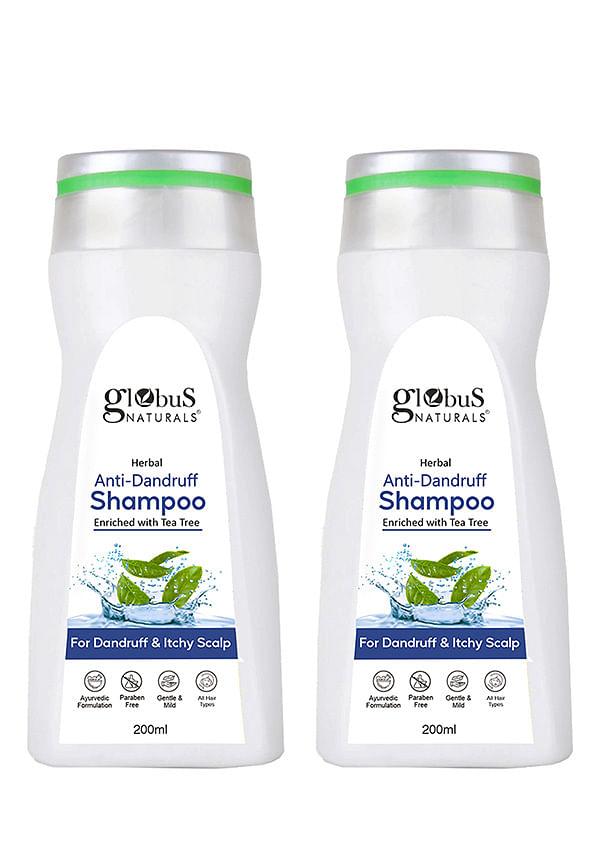
Anti Dandruff Shampoo, For Dandruff and Itchy Scalp
While topical ketoconazole has minimal systemic absorption, it's still worth mentioning any medications you're taking to your doctor, especially if you're using prescription-strength formulations. Men with certain pre-existing scalp conditions or those taking specific medications might need modified treatment approaches or closer monitoring during ketoconazole use.
Most men should start with 2-3 times per week, then adjust based on their scalp's response. For maintenance, once or twice weekly is usually sufficient. Daily use isn't typically recommended unless specifically prescribed by a dermatologist.
Ketoconazole shampoo doesn't cause permanent hair loss, though some men experience temporary increased shedding when they first start using it. This usually resolves within a few weeks and may actually indicate that the treatment is working to improve scalp health.
For most men, starting with 1% ketoconazole is recommended. It's effective for mild to moderate scalp conditions and has fewer side effects. The 2% concentration should be reserved for severe conditions or when 1% hasn't provided adequate results after 6-8 weeks of consistent use.
Dandruff and scalp irritation typically improve within 2-4 weeks of consistent use. Hair loss benefits, if any, may take 3-6 months to become noticeable. Patience and consistency are crucial for optimal results.
Choosing the right ketoconazole shampoo for men comes down to understanding your specific scalp concerns, hair type, and tolerance for active ingredients. Starting with a lower concentration and gradually increasing if needed is usually the safest approach, and consistency matters more than intensity when it comes to seeing results. Remember that scalp health is a long-term commitment, not a quick fix. While ketoconazole can be incredibly effective for various men's scalp concerns, it works best as part of a comprehensive hair care routine that includes proper nutrition, stress management, and regular scalp care. If you're curious about trying ketoconazole shampoo but want to test it first, Smytten offers trial-size versions of many scalp treatment products. This lets you see how your scalp responds before committing to a full-size bottle—particularly useful given that everyone's scalp reacts differently to medicated treatments.
