How to Choose the Right Face Wash for Men with Combination Skin


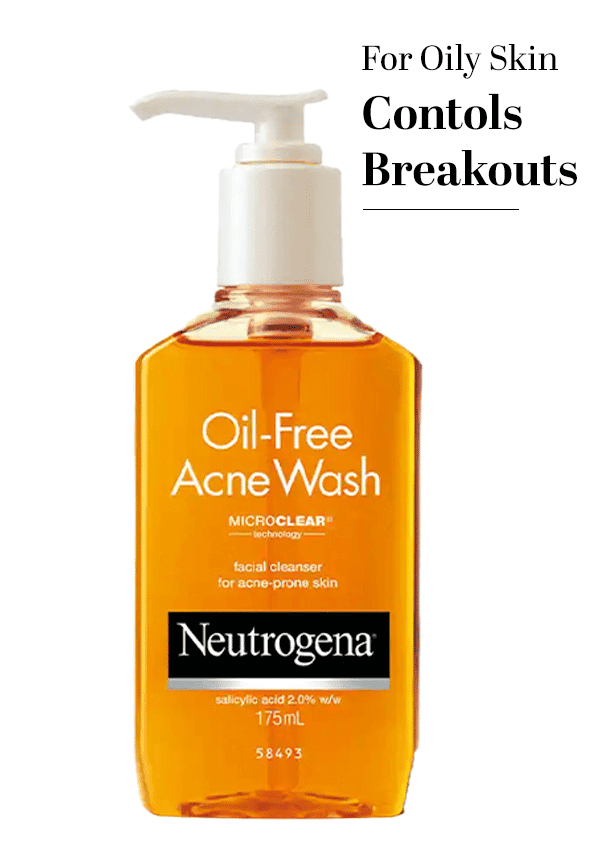
Oil Free Acne Wash For Acne Prone Skin With Salicylic Acid
Ever caught yourself staring in the mirror, wondering why your forehead looks like it could fry an egg while your cheeks feel tighter than a new pair of jeans? Welcome to the combination skin club—where your T-zone acts like it's in a different climate zone from the rest of your face. If you've been using the same face wash for years and wondering why half your face still looks angry, it might be time to rethink your approach. Let's sort out how to choose the right face wash for combination skin that actually works with your skin, not against it.
Real talk—men's combination skin isn't just a fancy way of saying "complicated." It's actually a specific skin type where different areas of your face behave completely differently. Think of it as having multiple personalities, but for your skin. Your T-zone (forehead, nose, and chin) tends to be the overachiever, producing oil like it's going out of style, while your cheeks might be sitting there feeling parched and forgotten.
Here's what makes men's combination skin particularly tricky: testosterone. Yep, that same hormone that gives you your deep voice also cranks up sebum production, especially around your T-zone. This means men typically deal with more pronounced oil production than women, making that oily forehead situation even more noticeable. Your pores around the nose area might look larger, and you'll probably notice the occasional breakout in these oily zones.
The seasonal factor is real too. Summer might turn your T-zone into an oil slick while winter could leave your cheeks feeling like sandpaper. Understanding this pattern is the first step in choosing a combination skin cleanser for men that actually makes sense for your lifestyle.
Before diving into product hunting, let's figure out exactly what you're dealing with. The easiest way to map your skin is the morning mirror test. Wake up, skip the face wash, and take a good look. If your forehead and nose area look shiny while your cheeks feel tight or normal, you've got combination skin.
Another tell-tale sign? Your pores. Combination skin usually means enlarged pores around your nose and forehead, while the pores on your cheeks are barely visible. You might also notice that breakouts tend to happen in specific zones—usually that T-zone area where oil production is highest.
For those dealing with acne-prone combination skin, the pattern becomes even clearer. Blackheads and whiteheads typically cluster around your nose and forehead, while your cheeks might be relatively clear but prone to dryness or irritation. This is where choosing the right face wash for men with acne prone combination skin becomes crucial—you need something that can handle the oil without stripping the drier areas.
Look out for these specific indicators: oily shine appearing within 2-3 hours of washing in your T-zone, occasional tightness in your cheek area, and different textures across your face. If you find yourself blotting oil from your forehead while your cheeks feel fine, that's combination skin talking.
Choosing the right ingredients is like picking the right tools for a job—you need different solutions for different problems. For your oily T-zone, salicylic acid is your friend. It dives deep into pores, clearing out oil and dead skin cells without being overly harsh. Niacinamide is another winner for oil control, helping regulate sebum production while keeping inflammation in check.
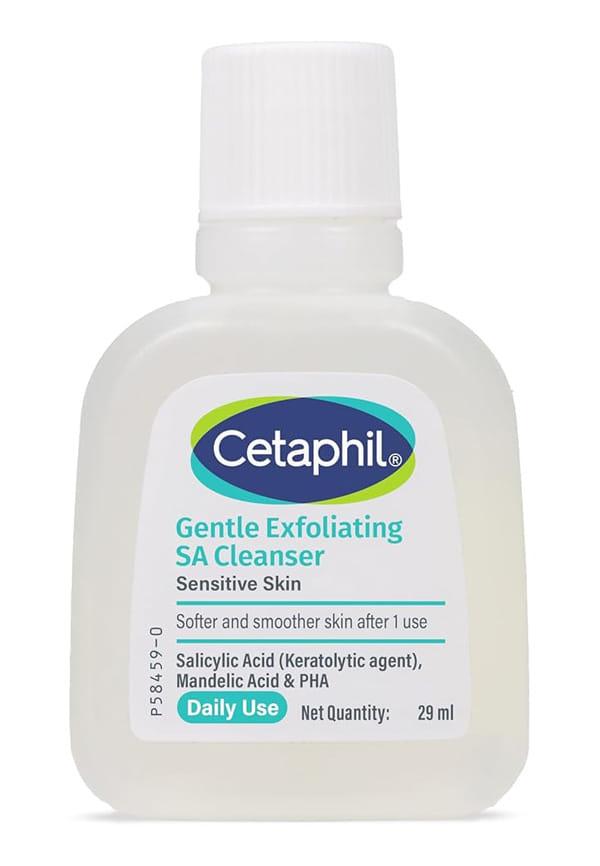
Gentle Daily Exfoliating Cleanser With Salicylic Acid For Oily Acne Prone Skin
For the drier areas of your face, you'll want ingredients that add moisture back without clogging pores. Hyaluronic acid is brilliant for this—it pulls moisture from the air and locks it into your skin. Glycerin works similarly, creating a protective barrier that prevents water loss. Ceramides are worth looking for too, as they help repair and maintain your skin's natural barrier function.
The pH balance of your cleanser matters more than you might think. Your skin naturally sits at around 4.5-5.5 on the pH scale, and using a gentle cleanser for men's combination skin that respects this balance prevents irritation and maintains your skin's protective barrier. Sulfate-free formulas are generally gentler and less likely to strip your skin of its natural oils.
Steer clear of harsh sulfates like sodium lauryl sulfate, which can over-dry your skin and trigger more oil production in response. Alcohol-based cleansers might seem appealing for oily areas, but they often backfire by causing irritation and rebound oil production.
Start by honestly assessing your skin's current condition. Look at your face in natural light and note where you see shine, where you feel tightness, and where breakouts typically occur. This mapping exercise helps you understand what you're working with and what you need from a balancing cleanser for men.
When reading product labels, focus on the first five ingredients—these make up the bulk of the formula. Look for gentle surfactants like cocamidopropyl betaine or sodium cocoyl glutamate instead of harsh sulfates. If you see salicylic acid or glycolic acid listed, check the concentration—you want enough to be effective but not so much that it irritates drier areas of your face.
Consider your lifestyle factors too. If you're hitting the gym regularly or work in a humid environment, you might need something with slightly more oil-control power. If you're shaving daily, look for formulas that won't interfere with your shaving routine or cause additional irritation to already sensitive skin.
The testing phase is crucial. Start by using any new face wash every other day for the first week, paying attention to how different areas of your face respond. Your T-zone should feel clean without being stripped, while your cheeks shouldn't feel tight or irritated. This gradual approach helps you figure out if you've found the right match for your skin.
If your skin feels squeaky clean after washing, that's actually a bad sign—it means your cleanser is too harsh. Similarly, if you notice increased oiliness or breakouts after a week of use, the product might be disrupting your skin's balance.
Building an effective men's skincare routine for combination skin is about working with your skin's natural patterns, not against them. In the morning, start with lukewarm water and your chosen cleanser, focusing on gentle circular motions. Pay extra attention to your T-zone where oil and debris accumulate overnight, but don't scrub—let the cleanser do the work.
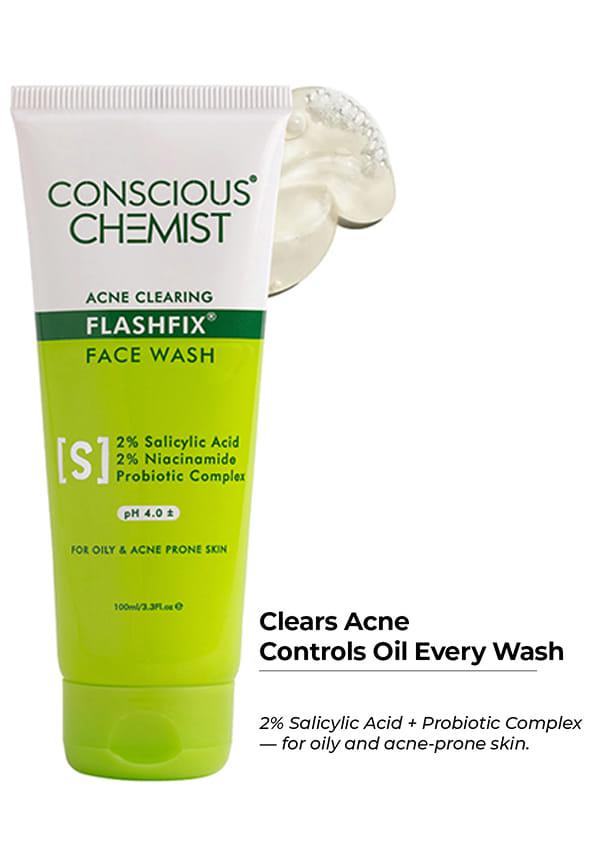
Flashfix Salicylic Acid Cleanser For Oily Acne Prone Skin
After cleansing, apply products strategically. A lightweight, oil-free moisturiser works well for your entire face, but you might want to add a bit extra to drier areas like your cheeks. Sunscreen is non-negotiable, regardless of your skin type—look for broad-spectrum SPF 30 or higher that won't clog pores.
Evening routines can be slightly more intensive. If you've been wearing sunscreen or dealing with pollution all day, a thorough cleanse becomes even more important. This is when you might incorporate targeted treatments—perhaps a gentle exfoliant for your T-zone once or twice a week, or a hydrating serum for drier areas.
For weekly treatments, consider using a clay mask specifically on your T-zone to deep-clean pores, while applying a hydrating mask to your cheeks. This targeted approach addresses the different needs of your combination skin without over-treating any area.
How you wash your face matters as much as what you use. Gentle, upward circular motions work better than aggressive scrubbing. Spend about 30 seconds massaging the cleanser into your skin, then rinse thoroughly with lukewarm water.
The biggest mistake? Treating your entire face like it's oily. Many men focus so intensely on controlling oil in their T-zone that they end up over-cleansing and irritating the drier areas of their face. This often leads to a cycle where the oily areas produce even more oil to compensate, while the dry areas become irritated and flaky.
Another common error is switching products too frequently. Your skin needs time to adjust to new formulations—usually about 4-6 weeks. Jumping between different cleansers every week doesn't give your skin a chance to show you what's actually working.
Skipping moisturiser is a classic mistake, especially among men who think oily skin doesn't need hydration. Even if your T-zone is producing oil, your skin still needs moisture to maintain its barrier function. Using a men's facial cleanser for oily and normal skin without following up with appropriate hydration can actually make combination skin worse.
Seasonal stubbornness is another issue. What works for your skin in humid summer months might not cut it during dry winter weather. Being flexible with your routine and adjusting products based on how your skin behaves throughout the year is key to long-term success.
Washing your face more than twice daily rarely helps combination skin and often makes things worse. Over-cleansing strips your skin's natural oils, triggering increased oil production and potentially causing irritation in drier areas.
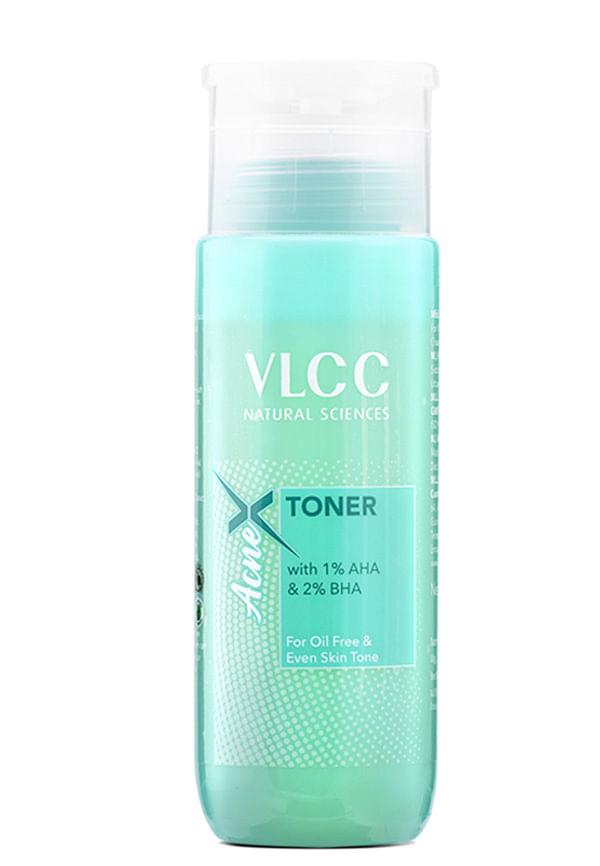
AcneX Face wash with 2% Salicylic Acid + Toner For Oily Free Skin Tone
The best face wash for combination skin men is one that balances oil control with gentle hydration. Look for pH-balanced, sulfate-free formulas containing salicylic acid for oil control and hyaluronic acid for hydration. Gel-based cleansers often work well as they're effective at removing oil without over-drying.
Start by mapping your skin to identify oily and dry zones. Choose cleansers with gentle surfactants, avoid harsh sulfates, and look for ingredients that address both oil control and hydration. Test new products gradually and give your skin 4-6 weeks to adjust before deciding if a product works.
The 4-2-4 rule involves massaging cleanser into your skin for 4 minutes, adding water and massaging for 2 more minutes, then rinsing for 4 minutes. While thorough, this method can be too intensive for combination skin—stick to 30-60 seconds of gentle cleansing instead.
Twice daily is ideal for most men with combination skin—once in the morning to remove overnight oil buildup and once in the evening to clear away daily accumulation of dirt, oil, and environmental pollutants. Over-cleansing can disrupt your skin's natural balance.
While possible, using different cleansers for different facial zones can be impractical and potentially irritating. It's better to find one well-formulated cleanser that addresses combination skin needs, then use targeted treatments like serums or spot treatments for specific concerns.
Finding the right face wash for combination skin doesn't have to feel like solving a puzzle. Focus on gentle, pH-balanced formulas that can handle oil control without stripping your skin. Remember that your skin's needs might change with seasons, stress levels, and age—staying flexible with your routine is part of the process.
The key is understanding that combination skin requires balance, not extremes. You don't need to wage war on oil production or completely avoid hydration. Instead, work with your skin's natural patterns and give products time to show their effects.
Building a sustainable routine that you'll actually stick to matters more than finding the "perfect" product. Consistency beats perfection every time when it comes to skincare. Not sure which cleanser might work for your specific combination skin concerns? Smytten offers trial-size versions of many cleansers and skincare products—a smart way to test different formulations before committing to full-size bottles.
