How to Choose the Right Anti Dandruff Shampoo for Curly Hair


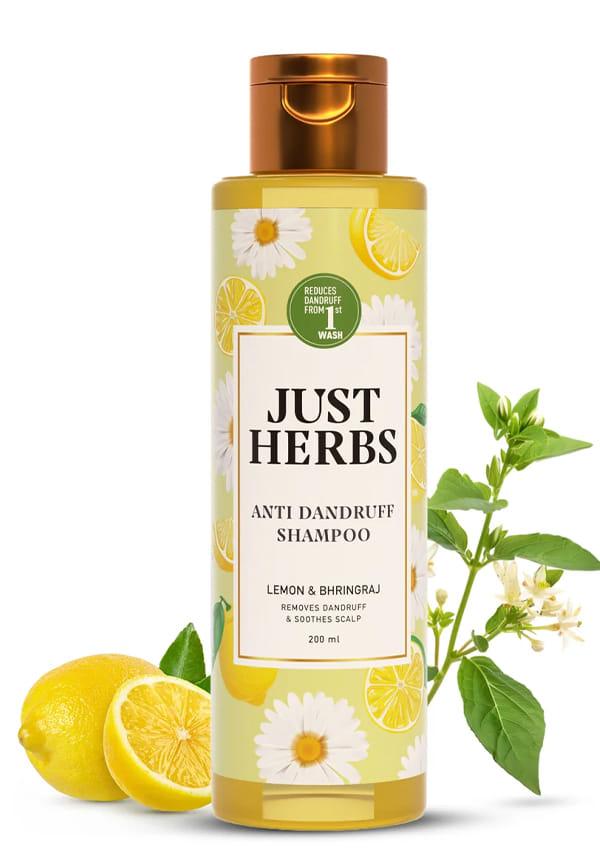
Anti Dandruff Shampoo | Lemon, Bhringraj & 12 Herbs
Favourite Product Ever
 5
5“this is my favourite product ever”
Affordable Favourite Shampoo
5“affordable and favourite shampoo”
Affordable Favourite Shampoo
5“affordable and favourite shampoo”
Let's be real—dealing with dandruff when you have curly hair feels like solving a puzzle with missing pieces. Your curls need moisture, but dandruff shampoos can be drying. You want to cleanse your scalp, but harsh formulas can leave your texture feeling like straw. Finding the right anti dandruff shampoo for curly hair isn't just about tackling flakes—it's about keeping your curls happy, healthy, and bouncy whilst getting your scalp sorted. Whether you're dealing with occasional flakes or persistent itchiness, choosing the wrong product can make things worse. The good news? With the right knowledge and a bit of trial (maybe through platforms like Smytten where you can test products before committing), you can find a formula that works for both your scalp concerns and your curl pattern.
TL;DR
Curly hair needs sulfate-free anti-dandruff shampoo to prevent dryness whilst treating flakes
Look for gentle actives like zinc pyrithione or ketoconazole combined with moisturising ingredients
Different curl patterns (2A-4C) need different approaches—tighter curls require more moisture
Proper application technique matters: focus on scalp, not lengths, and follow with deep conditioning
Consistency is key—most formulas take 2-4 weeks to show results
Curly hair and dandruff have a complicated relationship. The natural spiral structure of curls makes it harder for sebum (your scalp's natural oil) to travel down the hair shaft, which can lead to both dry ends and an oily, flaky scalp. This creates the perfect storm for dandruff-causing fungi like Malassezia to thrive.
Your curl pattern affects how oils distribute across your hair. Straight hair allows sebum to slide down easily, but curls create barriers. This uneven distribution means your scalp might be producing excess oil that gets trapped, creating an environment where yeast overgrowth can happen. The result? Flakes, itchiness, and that uncomfortable feeling that makes you want to scratch constantly.
Several factors make curly hair more prone to flaky scalp issues. Heavy styling products like leave-in conditioners and curl creams can build up on your scalp, especially if you're following the popular "no-poo" or low-poo methods. Infrequent washing—whilst great for maintaining moisture—can sometimes allow buildup and dead skin cells to accumulate. Additionally, seborrheic dermatitis tends to be more noticeable on textured hair because the flakes get caught in the curl pattern rather than falling away naturally.
Not all anti-dandruff ingredients are created equal, especially when it comes to curly hair. You need actives that fight fungi and bacteria without stripping your hair of essential moisture. The trick is finding formulas that balance treatment with nourishment.
Ketoconazole is the heavyweight champion for stubborn dandruff, particularly effective against yeast overgrowth. It's strong, so use it sparingly—maybe once or twice a week. Zinc pyrithione offers a gentler approach that's perfect for regular maintenance, whilst piroctone olamine provides anti-fungal benefits without being too harsh on sensitive scalps. Salicylic acid helps exfoliate buildup and dead skin cells, but be careful—it can be drying if overused.
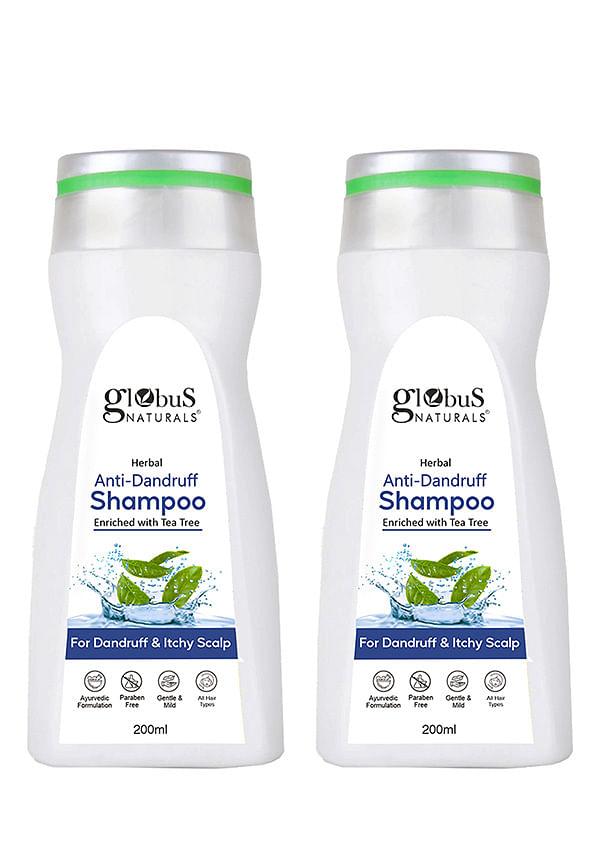
Anti Dandruff Shampoo, For Dandruff and Itchy Scalp
Effective for Itchy Scalp, Small Packing
5“small packing, but a great offer in price product is nice on scalp to reduce itchy issues effectively”
Nice Shampoo
5“dis shampoo is very nice liked it”
Nice Shampoo
5“dis shampoo is very nice liked it”
Look for moisturising dandruff shampoo formulas that include natural oils like coconut, argan, or jojoba. These help maintain your hair's moisture barrier whilst the active ingredients do their work. Glycerin and hyaluronic acid are brilliant for attracting and retaining moisture. Avoid protein-heavy formulas during dandruff treatment, as they can make curls feel stiff and crunchy.
Harsh sulfates like sodium lauryl sulfate are your curls' worst enemy—they strip natural oils and can worsen both dryness and flaking. Drying alcohols (anything ending in -ol except cetyl or stearyl alcohol) can leave your hair feeling like straw. Heavy silicones might provide temporary smoothness but can cause long-term buildup that makes dandruff worse.
Your curl pattern determines how much moisture your hair needs and how often you should use medicated shampoos. What works for loose waves might be too harsh for tight coils, and what's perfect for 4C hair might be too heavy for 2A curls.
Loose curls can handle more frequent washing and lighter formulas. Look for sulfate-free anti-dandruff shampoo with tea tree oil or zinc pyrithione. These curl patterns benefit from weekly treatment with a medicated shampoo, alternating with a gentle, moisturising cleanser. Your hair can handle more active ingredients without becoming overly dry.
Tighter curls need more moisture and less frequent washing. Choose cream-based cleansers with anti-dandruff actives that won't disrupt your curl pattern. These formulas should be compatible with co-washing routines and rich enough to cleanse without stripping. Bi-weekly application of medicated shampoo is usually sufficient, with gentle co-washing in between.
Dandruff treatment for coily hair requires the most moisture-rich formulas. Look for ultra-moisturising medicated shampoos with oil infusions. These hair types benefit from monthly intensive treatments rather than frequent washing. Focus on scalp-specific treatments and follow up with deep conditioning to maintain moisture balance.
Technique matters just as much as the product you choose. Proper application ensures the active ingredients reach your scalp whilst protecting your curl structure. The goal is to treat the scalp without compromising your hair's health.
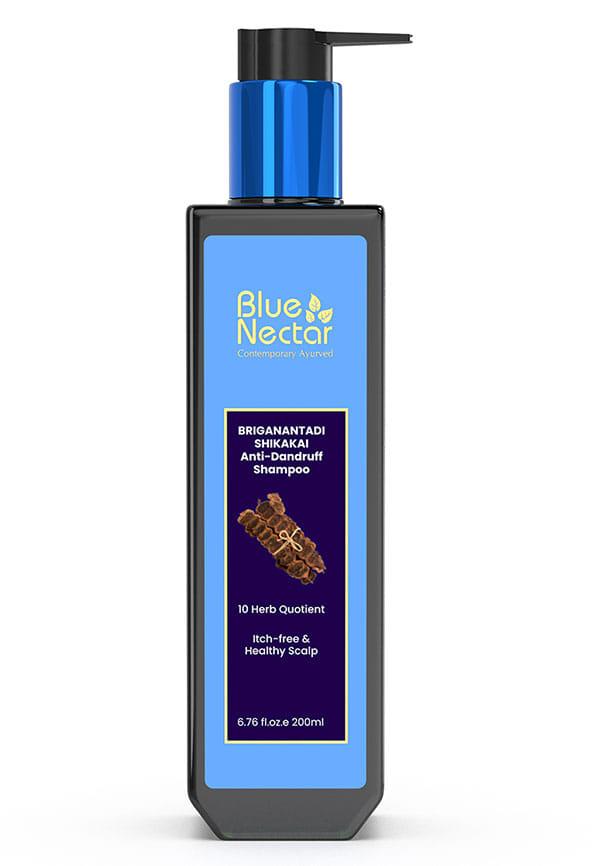
Anti Dandruff Shampoo with Bhringraj & Shikakai 10 Herbs
Start with a pre-treatment scalp massage using a light oil like jojoba or tea tree oil diluted in a carrier oil. This helps loosen flakes and prepares your scalp for cleansing. Apply the anti-dandruff shampoo directly to your scalp—not your hair lengths. Massage gently with your fingertips (never nails) and let the active ingredients sit for 2-3 minutes before rinsing thoroughly. Focus on removing all residue to prevent buildup.
Alternate between your medicated shampoo and a gentle, moisturising cleanser. For most curl types, using anti-dandruff shampoo 1-2 times per week is sufficient, with regular gentle cleansing or co-washing in between. Always follow with a deep conditioner or leave-in treatment to restore moisture. Consider your lifestyle—if you exercise frequently or live in a humid climate, you might need to adjust your routine.
Weekly scalp exfoliation with a gentle scrub or brush can help remove buildup and improve circulation. Use leave-in treatments with anti-fungal properties like tea tree oil between washes. Rotate your styling products to prevent buildup, and consider doing a clarifying treatment monthly to reset your scalp and hair.
Sometimes your first choice doesn't work perfectly, and that's completely normal. Understanding how to adjust your routine can make the difference between success and frustration. Most issues can be resolved with simple tweaks to your approach.
If you're not seeing improvement after 4-6 weeks of consistent use, you might need a stronger active ingredient. Switch from zinc pyrithione to ketoconazole, or try alternating between different anti-fungal agents. Sometimes the issue isn't the strength but the frequency—you might need to use the treatment more or less often depending on your scalp's response.
If your gentle dandruff shampoo is still leaving your curls feeling dry, increase your deep conditioning routine. Use a protein-free deep conditioner after every medicated wash, and consider adding a leave-in treatment with humectants. Protective styling during treatment can also help minimise manipulation and retain moisture.
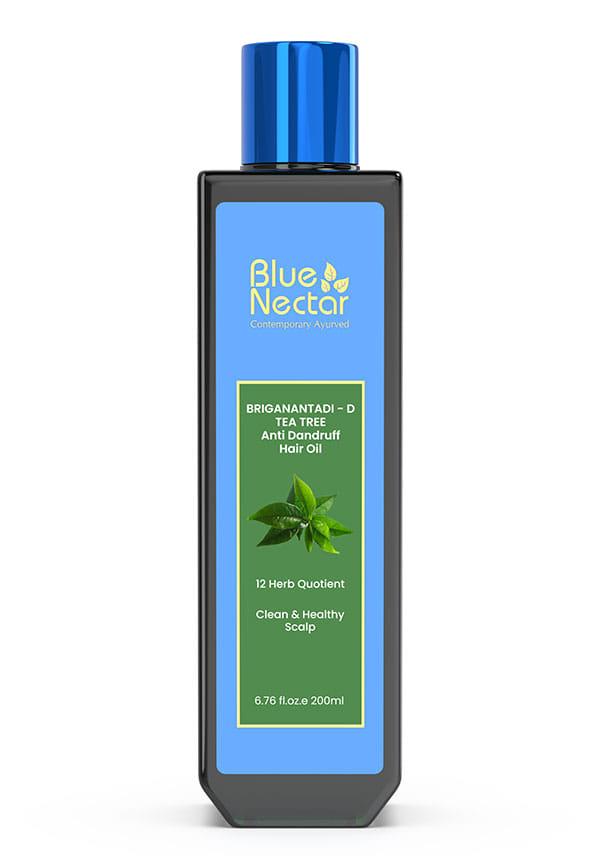
Tea Tree Anti Dandruff and Healthy Scalp Oil 12 Herbs
Once you've got your dandruff under control, maintenance is key. Continue using your medicated shampoo once a week or as needed. Pay attention to seasonal changes—you might need more frequent treatments during humid months or when you're stressed. Keep your styling tools clean, and don't skip regular scalp care even when things are going well.
Daily use of medicated shampoos isn't recommended for curly hair as it can lead to over-drying and damage to your curl pattern. Most curl types do best with 1-2 applications per week, alternating with gentle cleansing or co-washing. If your scalp is very oily or you have severe dandruff, consult a dermatologist about safe daily options.
The best anti-dandruff shampoo for natural curls depends on your specific curl pattern and scalp condition. Look for sulfate-free formulas with gentle actives like zinc pyrithione or tea tree oil, combined with moisturising ingredients. Brands available on platforms like Smytten often offer trial sizes, letting you test different formulas before committing to full-size bottles.
Most people see initial improvement within 2-3 weeks of consistent use, with significant results appearing after 4-6 weeks. The timeline can vary based on the severity of your dandruff, your curl pattern, and how consistently you follow your routine. Be patient—rushing the process by using products too frequently can actually slow down progress.
Daily washing isn't necessary for most curly hair types, even with dandruff. Over-washing can strip natural oils and worsen both dryness and flaking. Instead, focus on thorough scalp cleansing 2-3 times per week with appropriate products, and use dry shampoo or scalp-refreshing sprays between washes if needed.
Marketing aside, there's usually no significant difference in the active ingredients between men's and women's anti-dandruff formulas. The main differences are often fragrance and packaging. Focus on finding a formula that suits your curl pattern and scalp needs rather than gender-specific marketing. Many effective options are unisex and work well for everyone.
Choosing the right anti dandruff shampoo for curly hair is about finding the sweet spot between effective treatment and curl-friendly care. Remember that sulfate-free formulas with gentle actives work best for most curl patterns, but tighter curls need more moisture and less frequent application. Consistency is crucial—give any new product at least 4-6 weeks to show results, and don't be afraid to adjust your routine based on your scalp's response. The key is treating your scalp whilst protecting your curl structure, and with the right approach, you can have both healthy scalp and gorgeous curls.
Finding your perfect anti dandruff shampoo for curly hair might take some experimentation, but it's worth the effort for healthy, flake-free curls. Smytten is India's largest product discovery and trial platform, connecting consumers with top lifestyle, beauty, wellness, and grooming brands. At its core, Smytten offers curated trial packs - mini-sized products from over 2,400 trusted brands such as Cetaphil, Dot & Key, WishCare, Love Beauty & Planet, and many others specialising in curly hair care for dandruff. This lets users explore and experience products before committing to full-size purchases, which is perfect when you're trying to find the right balance of anti-dandruff treatment and curl-friendly care. Each mini is linked with Trial Points, and users can get up to 10 Trial Points for just ₹279. Plus, Smytten offers 100% cashback* on the purchase of these minis, redeemable in the shop section for future orders, making product discovery both affordable and rewarding. With authentic brand-verified minis available across India and PAN-India delivery, you can try before you buy and find your perfect anti-dandruff solution without the risk. After all, why settle for 'maybe' when you can #TryItAll!
