Let's be real—walking down the haircare aisle can feel like navigating a maze. Rows upon rows of bottles promising everything from silky strands to voluminous locks, but which one's actually right for your hair? Finding the best shampoo isn't about grabbing the prettiest bottle or the one with the most promises. It's about understanding what your hair actually needs and matching it with the right formula. Whether you're dealing with oily roots, dry ends, or somewhere in between, the perfect hair shampoo is out there waiting to become your new fave. Here's how to find it without all the guesswork.
Understanding Your Hair Type: The Foundation of Great Haircare
Before diving into specific products, you need to know what you're working with. Your hair type isn't just about whether it's curly or straight—it's about texture, porosity, scalp condition, and any damage or treatments you've had. Think of it as getting to know your hair's personality so you can give it exactly what it craves.
How to Identify Your Hair Type and Scalp Condition
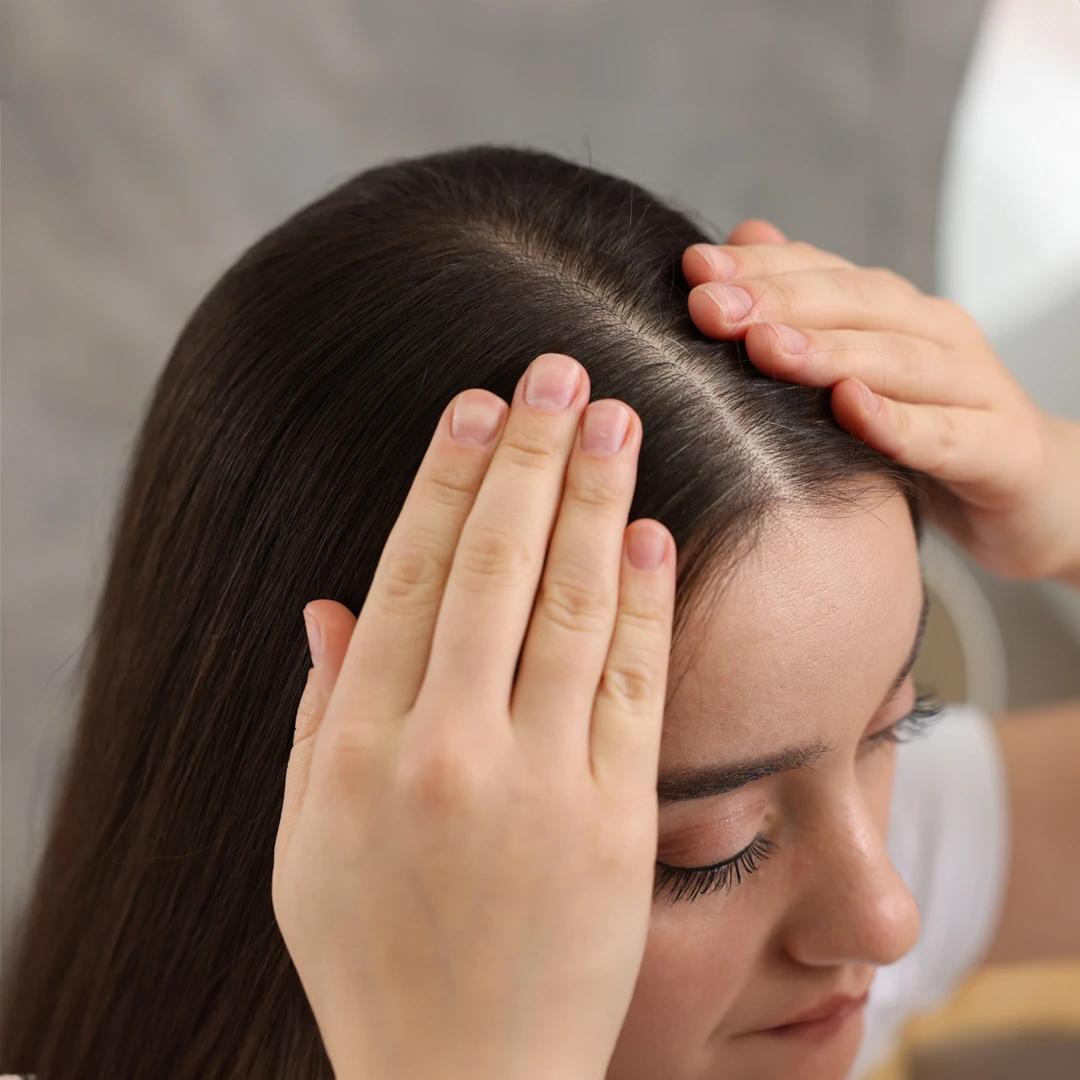
Start with the basics: touch your scalp about 24 hours after washing. Does it feel oily, dry, or just right? This tells you loads about what kind of cleansing power you need. For hair texture, take a single strand between your fingers—fine hair feels almost invisible, medium hair has some substance, and coarse hair feels thick and strong.
The porosity test is a game-changer too. Drop a clean strand of hair in water and watch what happens. If it sinks quickly, you've got high porosity hair that drinks up moisture but loses it just as fast. If it floats, your hair has low porosity and needs gentle encouragement to absorb products.
Why Hair Type Matters When Selecting Hair Shampoo
Your hair's pH balance sits around 4.5 to 5.5, and the right shampoo should respect that. Oily hair can handle stronger cleansing agents, whilst dry hair needs gentler formulas that won't strip away precious oils. It's like choosing the right intensity workout for your fitness level—too much and you'll damage, too little and you won't see results.
Shampoo for Dry Hair: Bringing Back the Bounce
Dry hair is basically your strands crying out for moisture and protection. It often feels rough, looks dull, and might be prone to breakage. The best shampoo for this hair type focuses on gentle cleansing whilst adding back hydration and nutrients.
Key Ingredients to Look for
Argan oil, coconut oil, and shea butter are your dry hair's best mates. These natural moisturisers penetrate the hair shaft and create a protective barrier. Glycerin draws moisture from the environment into your hair, whilst hyaluronic acid holds onto that hydration like a sponge.
Protein can be tricky—damaged dry hair might need it for strength, but over-proteined hair becomes brittle. Start with protein-free formulas and see how your hair responds.
Why Sulfate Free Shampoo Works Wonders
Sulfate free shampoo is often the holy grail for dry hair. Traditional sulfates can be too harsh, stripping away the natural oils your hair desperately needs. Look for gentler cleansing agents like coco-glucoside or decyl glucoside that clean effectively without the drama.
The texture matters too—creamy, lotion-like shampoos tend to be more moisturising than clear, gel formulas. And here's a pro tip: you don't need to wash dry hair every day. Two to three times a week is usually plenty.
Shampoo for Oily Hair: Finding the Perfect Balance
Oily hair can feel like a constant battle, but the right approach makes all the difference. The goal isn't to strip every bit of oil (that actually makes your scalp produce more), but to cleanse effectively whilst maintaining balance.
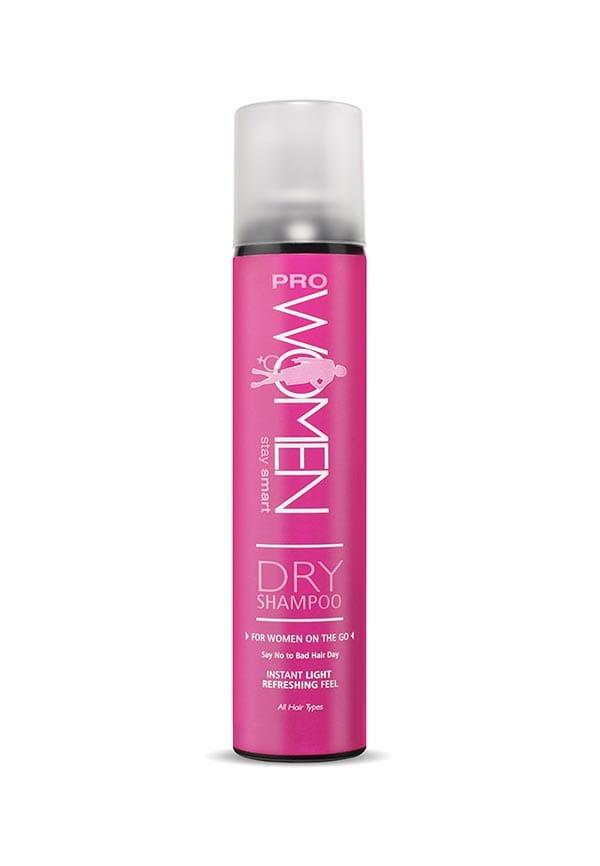
4.2|(195 ml)
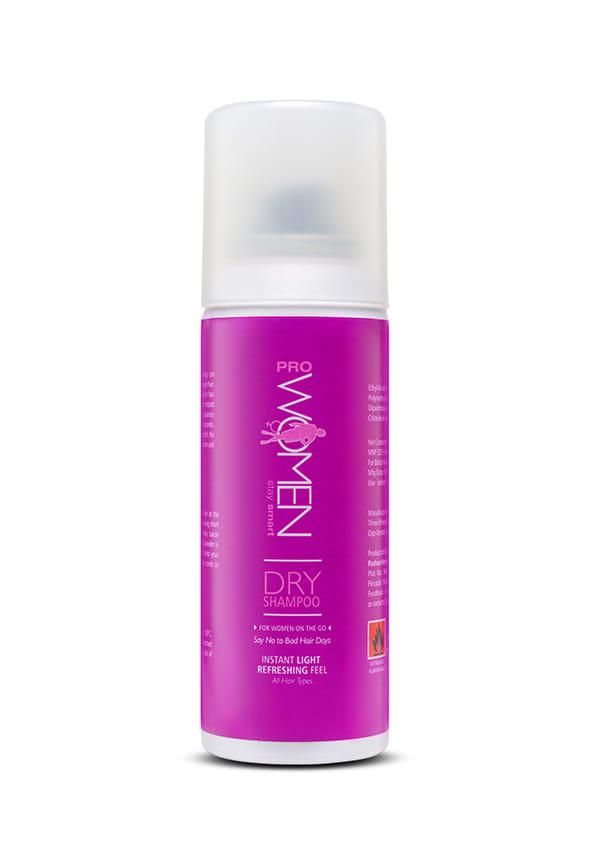
Prowomen
Dry Shampoo
₹ 599
Reviews from genuine users
Positive Product Review
5
“I loved the product it was great.”
Santhoshi Kumari21 May 2024
Understanding What Your Scalp Actually Needs
Oily hair often comes from an overactive scalp, genetics, or sometimes over-washing. Your scalp produces sebum to protect and moisturise, but when there's too much, hair looks greasy and feels heavy. The trick is finding a shampoo that cleanses thoroughly without triggering more oil production.
When to Reach for Clarifying Shampoo
Clarifying shampoo is like a deep clean for your hair—brilliant for removing product buildup, excess oil, and environmental grime. But it's not for daily use. Think of it as your weekly reset button, used once or twice a week max. For daily washing, stick to a gentler formula designed for oily hair.
The key difference? Clarifying shampoos contain stronger surfactants that can strip colour and natural oils, whilst daily shampoos for oily hair focus on balanced cleansing.
Volumizing Shampoo for Flat, Oily Hair
Volumizing shampoo can be a lifesaver if oily hair leaves you looking flat. These formulas typically contain lightweight ingredients that cleanse without weighing hair down. Look for rice protein, biotin, or panthenol—ingredients that add body without heaviness.
Specialised Solutions for Damaged and Colour-Treated Hair
Damaged hair and colour-treated strands need extra TLC. Whether it's from heat styling, chemical processing, or environmental factors, compromised hair requires gentle yet effective cleansing that supports repair and protection.
Shampoo for Damaged Hair: The Recovery Route
Shampoo for damaged hair walks the fine line between protein and moisture. Damaged hair often has gaps in the cuticle where protein has been lost, but too much protein makes hair brittle. Look for bond-building ingredients like amino acids or keratin that help repair the hair's structure from within.
Heat protection is crucial too. Some shampoos contain thermal protectants that create a barrier against styling damage, giving your hair a fighting chance against daily wear and tear.
Shampoo for Color Treated Hair: Keeping That Salon Fresh Look
Shampoo for color treated hair is all about preservation. Colour molecules sit in the hair shaft, and harsh cleansing can literally wash your investment down the drain. These formulas use gentler surfactants and often include UV filters to prevent fading from sun exposure.
Look for shampoos specifically labelled as colour-safe, and avoid anything with strong clarifying agents unless it's specifically designed for coloured hair.
The Sulfate Free Revolution
For both damaged and colour-treated hair, sulfate free shampoo
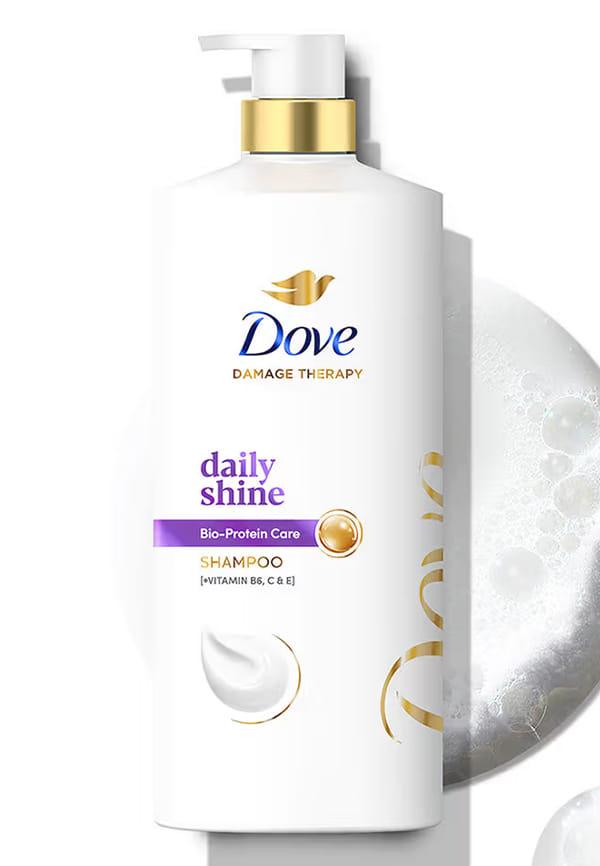
4.5|(650 ml)
Dove
Daily Shine Shampoo
₹ 111120 % OFF
₹ 889
Reviews from genuine users
Great Smelling Shampoo
5
“It smells so good.. I really like this shampoo.”
Priti Kumar10 Mar 2026
Hope it works well
4
“purchased this after so many positive reviews online and offline also... hope it works well on my hairs”
Penti Renuka02 Mar 2026
Soothing & Calming Aroma
5
“shampoo has very soothing and calming auroma.”
Mahitha Kothapally19 Feb 2026
often becomes non-negotiable. Sulfates can be too aggressive for compromised hair, leading to further damage or colour fade. The transition might take a few washes as your hair adjusts, but the long-term benefits are worth it.
Natural Shampoo and Organic Options: Clean Beauty That Works
The clean beauty movement has brought some brilliant innovations to haircare. Natural shampoo and organic shampoo options can be just as effective as conventional formulas, often with added benefits for sensitive scalps and environmentally conscious consumers.
What Makes Organic Shampoo Different
Organic shampoo contains ingredients grown without synthetic pesticides, fertilisers, or GMOs. But here's the thing—not all "natural" products are created equal. Look for proper certifications and remember that natural doesn't automatically mean better for everyone.
These formulas often rely on plant-based surfactants like coconut-derived cleansers, which can be gentler on both hair and scalp. They might also include botanical extracts, essential oils, and natural preservatives.
Finding Your Natural Match
Natural ingredients like tea tree oil work brilliantly for oily scalps, whilst chamomile and aloe vera soothe sensitive skin. Rosemary and peppermint can stimulate circulation, potentially supporting healthy hair growth.
The key is understanding that natural formulas might work differently than conventional ones. They often require a bit more patience and might not foam as much, but that doesn't mean they're not working.
Expert Tips for Choosing and Using Your Perfect Match
Finding the best shampoo is often about trial and error, but smart testing can save you time and money. Here's how to approach it like a pro.
How to Test New Products Properly
Give any new shampoo at least two weeks before making a judgement. Your hair needs time to adjust, especially if you're switching from sulfate to sulfate-free formulas. Keep notes about how your hair feels, looks, and behaves during this period.
If you have sensitive skin, do a patch test first. Apply a small amount behind your ear and wait 24 hours to check for reactions.
Application Techniques That Make a Difference
Here's where many people go wrong—they focus on the lengths instead of the scalp. Your scalp is where the oil and buildup accumulate, so that's where the shampoo should do its work. Massage gently with fingertips (not nails) and let the suds cleanse the lengths as you rinse.
For dry hair, consider pre-washing with a hair oil or mask. This creates a protective barrier that prevents over-cleansing whilst still getting hair clean.
When to Switch Things Up
Your hair's needs change with seasons, hormones, and lifestyle. What works in humid summer might not cut it in dry winter. Pay attention to how your hair responds and don't be afraid to adjust your routine accordingly.
Product buildup is real too. Even the gentlest shampoo can leave residue over time, so occasional clarifying or switching between formulas keeps hair fresh and responsive.
This is where platforms like Smytten become invaluable. With curated trial packs from over 1,500 trusted brands, you can explore different
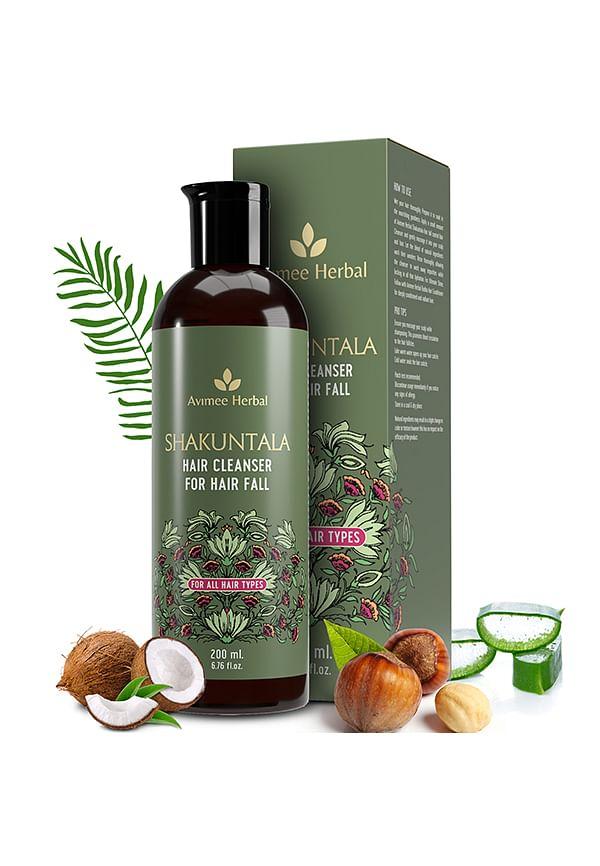
4.3|(200 ml)
Avimee Herbal
Shakuntala Hair Fall Control Shampoo
₹ 650
Reviews from genuine users
Excellent Product & On-Time Delivery
5
“excellent product. good. 👍👍👍👍on time delivery ...”
Madhuri Banra31 May 2026
Positive Product Review
5
“it's very good product and easy to use i love that'”
Sowjanya P19 Dec 2024
Helpful for Hair
4
“this product is very helpful for hair”
Kalyani Verma17 Nov 2024
hair shampoo options without committing to full-size bottles. Getting up to 8 minis for just ₹249 means you can test various formulas for your specific hair type, whether you need a sulfate free shampoo, organic shampoo, or something targeted for your particular concerns.
Frequently Asked Questions
How often should I wash my hair with the best shampoo?
It depends on your hair type and lifestyle. Oily hair might need daily washing, whilst dry or damaged hair often benefits from washing every 2-3 days. Listen to your hair and scalp—they'll tell you what they need.
Can I use the same shampoo year-round?
Your hair's needs change with seasons, so flexibility helps. You might need more moisture in winter or lighter formulas in humid summer. Having a couple of options lets you adjust as needed.
What's the difference between drugstore and salon shampoos?
Price doesn't always equal quality, but salon brands often use higher concentrations of active ingredients and avoid harsh fillers. The key is reading ingredient lists and understanding what your hair actually needs.
How long should I try a new shampoo before deciding if it works?
Give it at least two weeks of consistent use. Your hair needs time to adjust, especially when switching between different types of formulas. Keep track of changes in texture, appearance, and manageability.
Final Thoughts
Choosing the best shampoo for your hair type isn't about finding the most expensive option or following every trend. It's about understanding your hair's unique needs and finding formulas that support its health and appearance. Whether you need a gentle sulfate free shampoo for colour-treated hair, a clarifying shampoo for oily roots, or a nourishing formula for dry strands, the right match is out there.
The beauty of modern haircare is the variety of options available. From natural shampoo formulas to targeted treatments for specific concerns, there's something for every hair type and preference. The key is being patient with the process and willing to experiment until you find your perfect match.
With Smytten's trial platform, you can explore different brands and formulas without the commitment of full-size purchases. This approach lets you make informed decisions based on actual results rather than marketing promises, ensuring you find products that truly work for your unique hair needs.

 5
5