How to Choose the Best Shampoo for Oily Scalp

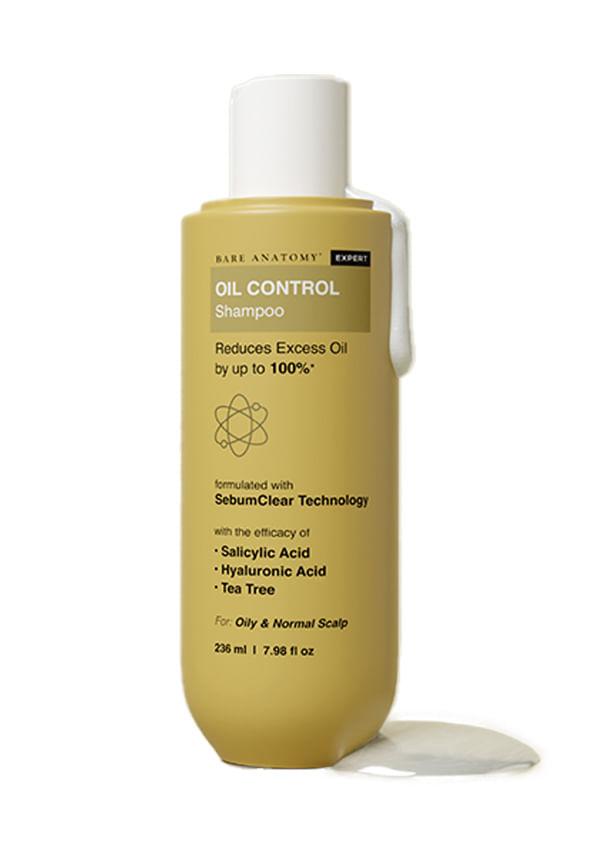
Oil Control Shampoo
Good for oil control and soft hair
 4
4“oil control and soft hair ❤️🫶🏻”
Let's be real—dealing with an oily scalp can feel like a never-ending battle. One day your hair looks fresh, and by the next afternoon, it's looking greasy again. If you've been struggling to find the right shampoo that actually works for your oily scalp, you're not alone. The trick isn't just grabbing any clarifying shampoo off the shelf—it's about understanding what your scalp needs and choosing formulas that balance oil control without overdrying. Whether you're dealing with daily greasiness or oily scalp paired with dandruff, finding your perfect match might just change your entire haircare game.
Before diving into the best shampoos for oily scalp, it helps to understand why your scalp produces excess oil in the first place. Your scalp has sebaceous glands that naturally produce sebum—an oily substance that keeps your hair and scalp moisturised. When these glands go into overdrive, you end up with that greasy feeling that no amount of dry shampoo seems to fix.
Several factors can trigger excessive oil production. Hormonal changes, genetics, over-washing (yes, that's a thing), using the wrong products, and even stress can all contribute to an oily scalp. The key difference between having oily hair and an oily scalp is that scalp oiliness starts at the roots and can make your hair look flat and greasy within hours of washing.
Many people confuse oily scalp with other conditions like dandruff or seborrheic dermatitis. While these conditions can coexist, they require different approaches. An oily scalp shampoo focuses on regulating sebum production, whilst dandruff shampoos target fungal overgrowth and flaking. Understanding your specific needs helps you choose the right formula.
Regular shampoos often fall short because they're designed for normal hair types. They might not have the clarifying power needed to cut through excess oil, or they might contain ingredients that actually add to the buildup. That's why switching to a targeted greasy hair shampoo can make such a difference.
When shopping for shampoo for oily hair, the ingredient list is your best friend. Not all cleansing agents are created equal, and some ingredients are particularly effective at managing oil production without stripping your scalp completely.
Clarifying agents are the heavy hitters in oil control. Salicylic acid gently exfoliates the scalp and helps remove buildup, making it perfect for weekly deep cleans. Tea tree oil has natural antimicrobial properties and helps regulate oil production. Zinc pyrithione not only controls oil but also addresses any fungal issues that might be contributing to scalp problems.
Tea tree shampoo for oily scalp deserves special mention because it's one of nature's most effective oil regulators. Tea tree oil has antimicrobial and anti-inflammatory properties that help balance your scalp's ecosystem. It cleanses deeply without being too harsh, making it suitable for regular use. Plus, it leaves your scalp feeling refreshed and tingly—a sign that it's working.
The sulfate free shampoo for oily scalp debate is real. Sulfates are powerful cleansers that create that satisfying lather, but they can sometimes be too harsh for daily use. However, for very oily scalps, sulfates might be necessary to cut through the grease effectively. Sulfate-free options use gentler cleansing agents like coco-glucoside or sodium lauroyl sarcosinate, which clean effectively whilst being kinder to your scalp.
Oil-regulating compounds work differently than cleansing agents. Niacinamide helps regulate sebum production over time, whilst zinc salts provide immediate oil control. Capryloyl glycine is a newer ingredient that's particularly effective at reducing oiliness without causing irritation.
Natural cleansers like apple cider vinegar help balance your scalp's pH, whilst clay minerals and charcoal absorb excess oil. These ingredients are often found in natural shampoo for oily scalp formulations and can be gentler alternatives for sensitive scalps.
Not all oily scalps are the same, and the best shampoo for greasy hair varies depending on your specific concerns. If you're dealing with both oiliness and dandruff, you'll need a formula that addresses both issues simultaneously.
For oily scalp with dandruff, look for shampoos that combine oil control with anti-fungal ingredients. Ketoconazole, selenium sulfide, or zinc pyrithione are effective against the yeast that causes dandruff, whilst salicylic acid helps with both oil control and gentle exfoliation. A shampoo for oily scalp and dandruff should be used 2-3 times per week initially, then reduced to once weekly for maintenance.
If you're experiencing hair thinning along with oiliness, you need a gentler approach. Look for formulas that cleanse effectively without being too aggressive. Ingredients like biotin, caffeine, and gentle plant extracts can help maintain scalp health whilst managing oil production.
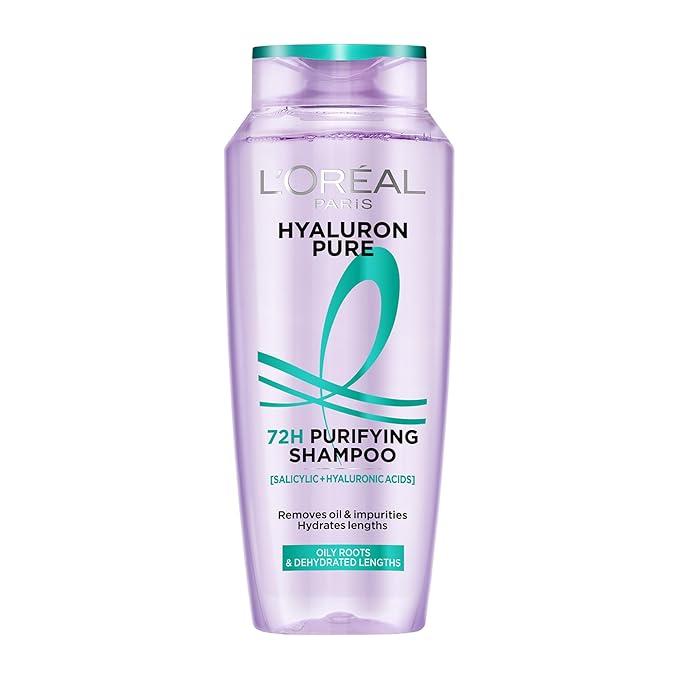
For those with oily scalps but dry or dehydrated hair lengths, the challenge is finding a shampoo that cleanses the roots without making the rest of your hair feel rough. L’Oréal Paris Hyaluron Pure 72H Purifying Shampoo fits well here because it combines salicylic acid to deeply cleanse the oily scalp with hyaluronic acid to hydrate dry lengths. It helps remove excess oil from the scalp while keeping the hair fibre feeling comfortable, refreshed and full of movement. Focus the shampoo mainly on your scalp and roots, then follow with conditioner on the mid-lengths and ends for the right balance.
Clarifying shampoo is your weekly reset button. These powerful formulas remove product buildup, excess oil, and environmental pollutants that regular shampoos might miss. Use them once or twice a week to deep-clean your scalp, but don't overdo it—too much clarifying can actually trigger more oil production.
Daily balancing shampoos are gentler formulas designed for frequent use. They provide consistent oil control without being too harsh for everyday washing. These often contain mild surfactants and oil-regulating ingredients that work gradually to balance your scalp's natural oil production.
Medicated shampoos contain active ingredients like ketoconazole, selenium sulfide, or coal tar. These are typically recommended for persistent oily scalp issues that don't respond to regular scalp cleansing shampoo formulas. They're usually available by prescription or as over-the-counter treatments.
Natural and organic options focus on plant-based ingredients like tea tree, rosemary, peppermint, and clay. These can be effective for mild to moderate oiliness and are often gentler for sensitive scalps. However, they might not be strong enough for severely oily scalps.
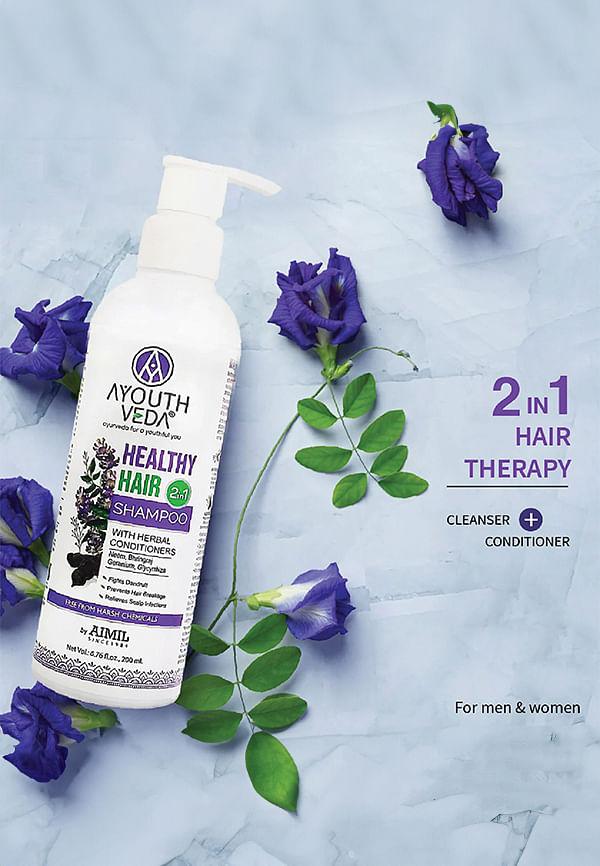
Healthy Hair Shampoo
Mild Shampoo, Herbal Smell
4“it's mild shampoo, gives a herbal smell”
Excellent Smell & Fragrance
5“excellent smell and fragrance!!!”
Great for Dandruff & Frizz
5“Best shampoo for dandruff and frizz hair ”
Even the best shampoos for oily scalp won't work properly if you're not using them correctly. The key is focusing on your scalp, not your hair lengths. Wet your hair thoroughly with warm water, then apply a small amount of shampoo directly to your scalp.
Massage the shampoo into your scalp using your fingertips—not your nails—for at least 30 seconds. This helps the active ingredients penetrate and also stimulates blood circulation. Let the shampoo sit for a minute or two before rinsing, especially if you're using a medicated or clarifying formula.
How often you wash depends on your oil production level. Some people with very oily scalps need daily washing, whilst others can manage with every other day. Pay attention to how your scalp feels and looks—if it's getting greasy within 24 hours, you might need to wash more frequently.
The double-cleansing method works wonders for stubborn oil buildup. Use a clarifying shampoo first to remove excess oil and buildup, then follow with your regular oily scalp shampoo to cleanse and treat. This technique is particularly useful if you use a lot of styling products or live in a polluted environment.
Your shampoo is just one part of managing an oily scalp effectively. The products you use afterwards matter just as much. Choose lightweight, oil-free conditioners and apply them only to your hair lengths, avoiding the scalp area completely.
Weekly treatments can help maintain scalp health between washes. Clay masks, scalp scrubs, or treatments with niacinamide can help regulate oil production over time. Some people find that a weekly apple cider vinegar rinse helps balance their scalp's pH and reduce oiliness.
Lifestyle factors play a bigger role than you might think. Stress, diet, hormonal changes, and even your pillowcase can affect oil production. Washing your pillowcases frequently, managing stress levels, and maintaining a balanced diet can all support your haircare routine.
This is where platforms like Smytten become incredibly valuable for anyone struggling with oily scalp issues. Instead of committing to full-size products that might not work for your specific needs, you can try mini versions of different greasy hair shampoo formulas. With over 1,500 trusted brands available, including specialised haircare options, you can experiment with various clarifying shampoos, natural formulas, and medicated treatments to find what works best for your scalp.
Clarifying shampoos with ingredients like salicylic acid, tea tree oil, or zinc pyrithione work best for most oily scalps. Look for formulas specifically designed for oil control rather than general cleansing shampoos.
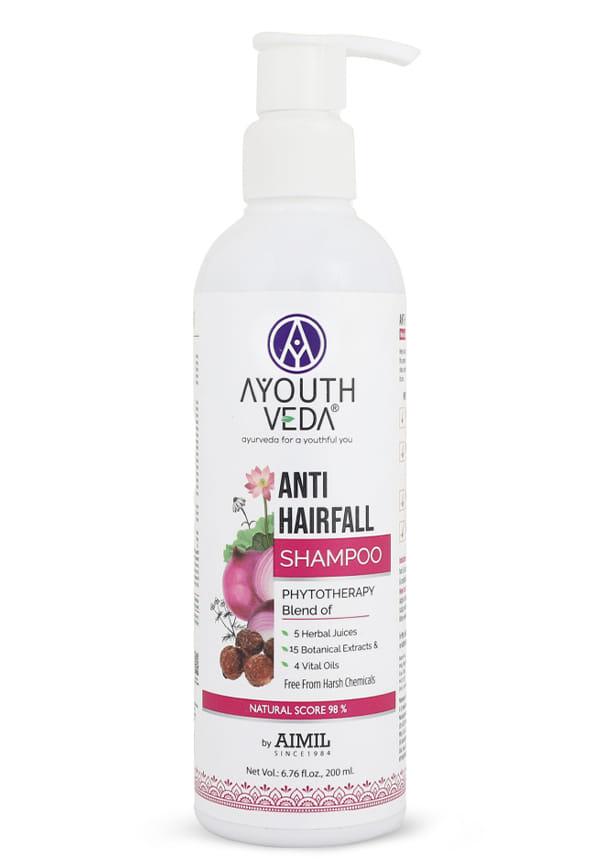
Anti-Hairfall Shampoo
Positive Product Review
5“Great product. Using it and will repurchase ”
Excellent Shampoo and Service
5“Best Shampoo Nice fragrance And great service”
Suitable for oily hair
5“Suits my oily scalp and hair...”
Most people with oily scalps need to wash daily or every other day. If your hair looks greasy within 24 hours of washing, daily cleansing is usually necessary. However, avoid over-washing as this can actually increase oil production.
Yes, natural ingredients like tea tree oil, apple cider vinegar, and clay can be effective for managing oily scalps. However, severely oily scalps might need stronger formulations with synthetic clarifying agents for better results.
Avoid heavy oils like coconut oil or argan oil, thick silicones, and overly moisturising ingredients. Also steer clear of sulfate-free formulas if your scalp is very oily, as they might not provide enough cleansing power.
It depends on your scalp's sensitivity and oil production level. Sulfate-free formulas are gentler but might not be strong enough for very oily scalps. If you have sensitive skin, start with sulfate-free options and upgrade to stronger formulas if needed.
Excessive oil buildup can clog hair follicles and potentially contribute to hair thinning. Regular cleansing with appropriate shampoos helps maintain scalp health and can prevent oil-related hair issues.
Finding the right shampoo for your oily scalp might take some trial and error, but the results are worth it. Remember that consistency is key—give any new product at least 4-6 weeks to show results, as your scalp needs time to adjust to new formulations.
The beauty of modern haircare is that you don't have to guess what might work for you. Through Smytten's trial platform, you can explore different formulations from trusted brands without the commitment of full-size purchases. Whether you're curious about a tea tree shampoo for oily scalp or want to try a sulfate-free clarifying formula, testing minis first helps you make informed decisions about your haircare routine.
With over 25 million users and access to specialist haircare products, Smytten makes it easier to discover what truly works for your unique scalp needs. After all, why settle for maybe when you can try different options and find your perfect match? Your oily scalp doesn't have to be a constant struggle—with the right products and routine, you can achieve the balanced, healthy hair you've been looking for.
