How to Choose the Best Scalp Treatments for Your Hair Type

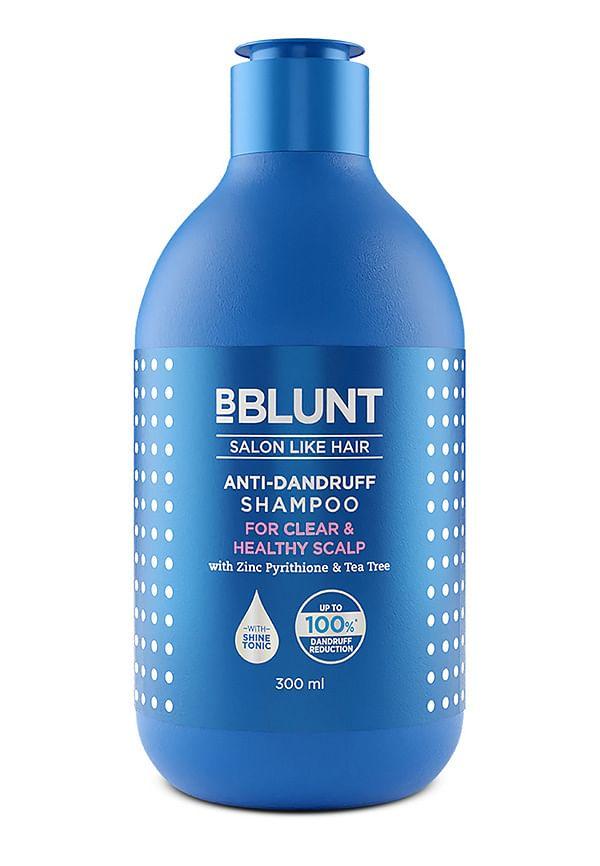
Anti-Dandruff Shampoo For a Clear & Healthy Scalp
Your scalp is basically the foundation of your hair game, but let's be real—most of us only think about it when something goes wrong. Whether you're dealing with an itchy, flaky situation or your hair feels like it's staging a revolt, finding the best scalp treatments available can feel overwhelming. With so many options promising miracle results, how do you know what actually works for your specific hair type? The truth is, your scalp has unique needs, and what works for your mate might leave you worse off than when you started.
Before diving into treatments, you need to figure out what's actually happening up there. Your scalp is essentially skin, and just like the skin on your face, it can be dry, oily, sensitive, or a combination of all three. Getting this wrong means you could end up making your problems worse instead of better.
If you're constantly scratching and seeing white flakes on your shoulders, you might be dealing with a dry scalp situation. Dry scalp treatment focuses on adding moisture back into the skin, which is different from treating dandruff (more on that later). Signs include tightness after washing, small white flakes that brush off easily, and general irritation.
On the flip side, if your hair looks greasy within a day of washing and you can practically see the oil buildup on your scalp, you need oily scalp solutions. This happens when your sebaceous glands go into overdrive, often due to hormones, genetics, or using the wrong products. The key here isn't to strip everything away but to balance oil production.
Let's talk about dandruff, because it's not the same as dry scalp despite what many people think. Dandruff treatment targets a specific fungus called Malassezia that feeds on scalp oils and causes inflammation. The flakes are usually larger, yellowish, and stick to your hair and scalp. This needs antifungal ingredients, not just moisture.
Itchy scalp remedies depend entirely on what's causing the itch. It could be product buildup, allergic reactions, stress, or even overwashing. Sometimes the simplest solution is switching to gentler products or giving your scalp a break from daily washing.
Then there's the connection between scalp health and hair loss. When your hair follicles are clogged with oil, dead skin, or product buildup, it can affect hair growth. Hair loss treatment often starts with getting your scalp environment healthy again.
Your scalp's pH should sit around 4.5 to 5.5—slightly acidic. When this balance gets disrupted, it creates the perfect environment for bacteria and fungi to thrive. Good scalp care maintains this balance whilst supporting your hair follicles.
Blood circulation also plays a massive role in hair follicle treatment. When circulation is poor, your follicles don't get the nutrients they need, which can lead to weaker hair growth or even hair loss.
Now that you know what you're dealing with, let's break down the different types of treatments available. Each works differently, so understanding the mechanism helps you choose what's right for your situation.
Think of these as your scalp's reset button. Chemical exfoliants like salicylic acid gently dissolve dead skin cells and product buildup without the harshness of physical scrubs. They're particularly brilliant for oily scalps or when you're dealing with stubborn flakes.
Physical scrubs can work too, but they need to be used carefully. Too aggressive, and you'll irritate your scalp further. Scalp detox treatments often combine both approaches, using gentle acids with fine particles to really deep clean.
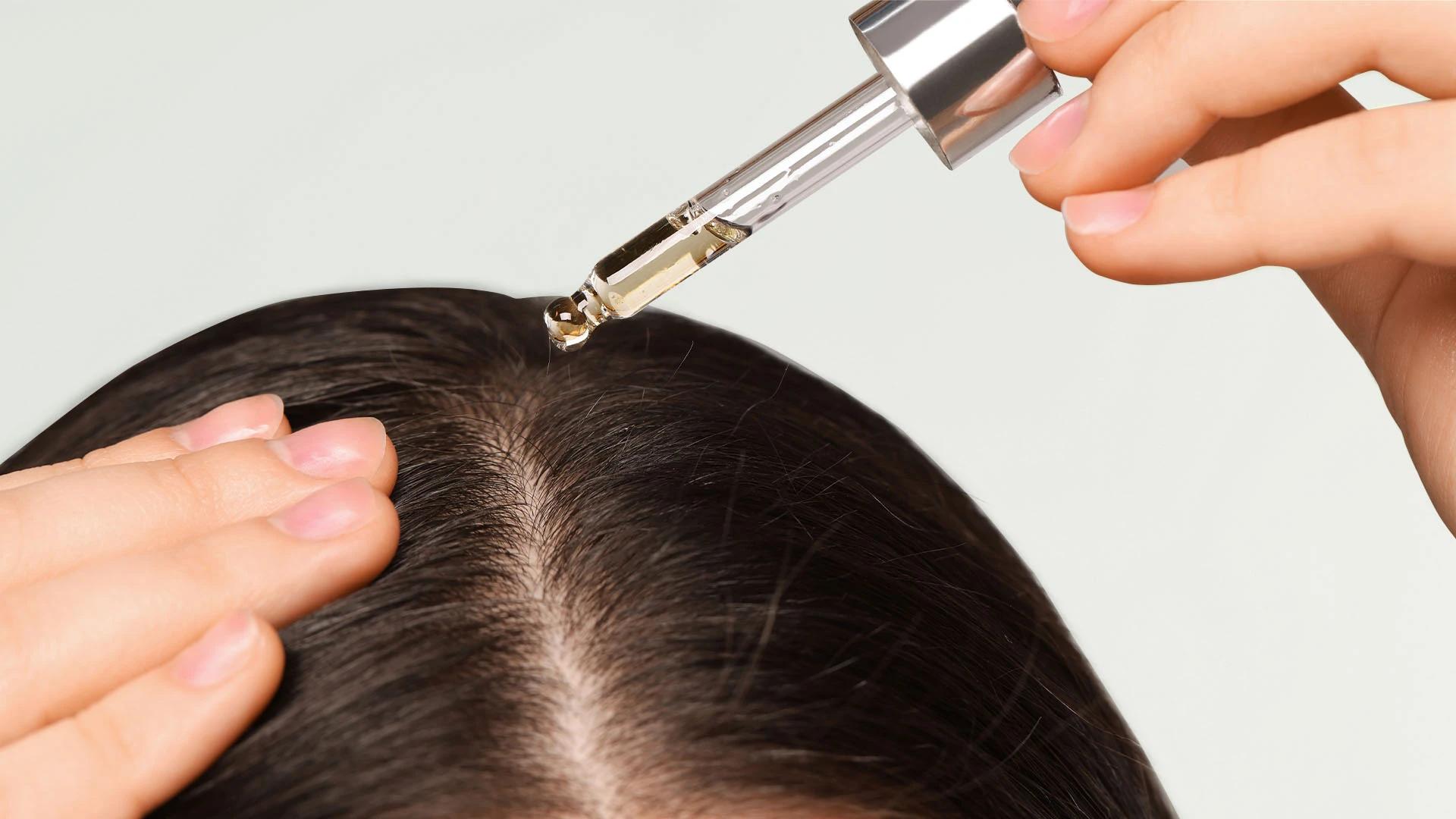
These are your go-to for dry, irritated scalps. Deep conditioning masks designed specifically for scalps contain ingredients that penetrate the skin rather than just sitting on top. Oil treatments using tea tree, jojoba, or argan oil can provide both moisture and antimicrobial benefits.
Protein treatments work differently—they're about strengthening the hair follicle structure itself. If your hair feels weak or you're noticing more breakage, this type of hair follicle treatment might be what you need.
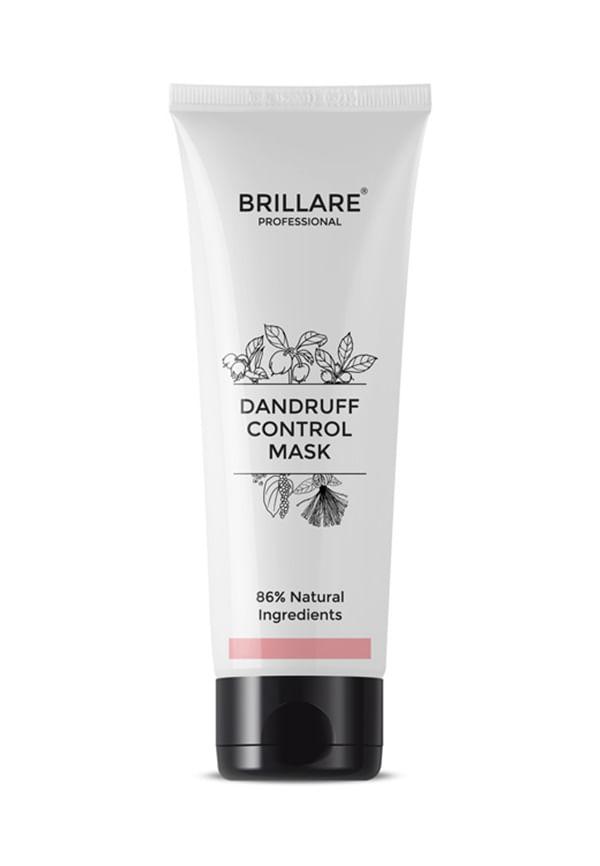
Dandruff Control Mask For Itchy, Flaky Scalp
Sometimes you need the big guns. Anti-fungal treatments containing ingredients like ketoconazole or selenium sulfide are specifically formulated to tackle stubborn dandruff or seborrheic dermatitis. These are stronger than your average scalp treatments and should be used as directed.
For severe conditions, prescription options might be necessary. Don't feel like you've failed if over-the-counter solutions aren't cutting it—some scalp issues genuinely need medical intervention.
Salon treatments can be worth the investment, especially for deep cleansing or when you're dealing with multiple issues at once. Professional-grade products often have higher concentrations of active ingredients, and the massage techniques can improve circulation.
That said, consistency with at-home treatments often beats occasional professional ones. The key is finding products that work for your lifestyle and budget, then sticking with them long enough to see results.
Ingredients matter more than brand names when it comes to scalp treatments. Understanding what each ingredient does helps you make smarter choices and avoid products that might make your problems worse.
Aloe vera and glycerin are your friends here—they draw moisture into the skin and help maintain it. Hyaluronic acid isn't just for your face; it works brilliantly on scalps too, holding up to 1000 times its weight in water.
Ceramides help repair your scalp's natural barrier, which is often compromised when you're dealing with dryness. Look for products that combine these hydrating ingredients with gentle cleansing agents.
Salicylic acid is brilliant for gently exfoliating without overdrying. It gets into your pores and dissolves the oil and dead skin that can clog hair follicles. Charcoal-based treatments can provide deep cleansing, though they should be used sparingly.
Tea tree oil offers antimicrobial benefits whilst helping to regulate oil production. Just remember, a little goes a long way—too much can be irritating.
Niacinamide is a game-changer for reducing inflammation and redness. It's gentle enough for daily use and actually helps strengthen your scalp's barrier function over time.
Zinc pyrithione provides antifungal benefits without the harshness of stronger medicated ingredients. For sensitive scalps, fragrance-free formulations are essential—synthetic fragrances are one of the most common irritants.
Peptides work by signalling to your hair follicles to produce stronger, thicker hair. They're particularly effective when combined with good circulation-boosting ingredients.
Caffeine isn't just for your morning brew—when applied topically, it can improve blood flow to hair follicles. Biotin and B-vitamin complexes support the overall health of your hair growth cycle.
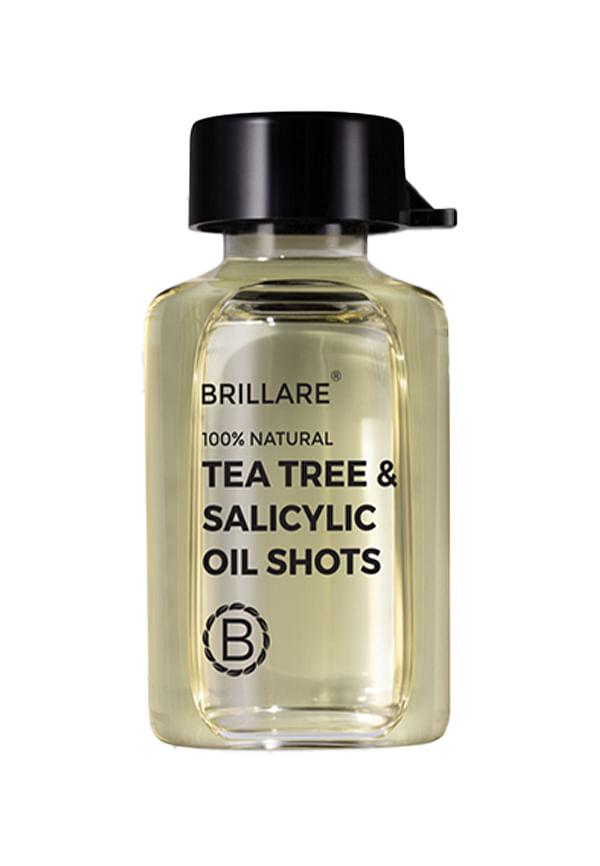
Tea Tree & Salicylic Oil Shots For Dry, Itchy Scalp to Fights Dandruff
With so many options available, choosing the right scalp treatment can feel overwhelming. The key is matching the product to your specific needs rather than going for whatever's trending on social media.
Active ingredients should be listed in the first few ingredients—if they're at the bottom of the list, there's probably not enough to be effective. Avoid products with high alcohol content, as these can be overly drying, especially if you're already dealing with scalp irritation.
Sulfates aren't necessarily evil, but they can be too harsh for sensitive or dry scalps. Look for gentler cleansing agents like coco-glucoside or sodium lauroyl sarcosinate.
If you're dealing with itchy scalp remedies, look for products with anti-inflammatory ingredients like aloe vera or chamomile. For dry scalp treatment, prioritise hydrating ingredients over cleansing ones.
When you're exploring different options, platforms like Smytten make it easier to try products without committing to full sizes. With over 1,500 trusted brands available in trial sizes, you can test what works for your scalp before investing in the full product.
Price doesn't always indicate effectiveness. Some drugstore options contain the same active ingredients as premium brands, just in different packaging. The key is understanding what you're paying for—is it the ingredients, the research, or just the brand name?
That said, sometimes investing in professional-grade products makes sense, especially if you're dealing with persistent issues that haven't responded to gentler treatments.
Having the right product is only half the battle—how you apply it makes a huge difference in the results you'll see. Most people rush through this process, but taking time with application can significantly improve effectiveness.
Start with a gentle scalp cleanse to remove surface buildup. Section your hair so you can access all areas of your scalp—this is especially important if you have thick or long hair.
Always patch test new products, even if they're marketed as gentle. Apply a small amount behind your ear and wait 24 hours to check for reactions.
Use your fingertips, not your nails, to massage treatments into your scalp. Work in small sections and use circular motions to improve circulation and help the product penetrate better.
Follow timing guidelines carefully—leaving treatments on longer doesn't necessarily mean better results and can sometimes cause irritation. Most scalp treatments work best when used consistently rather than intensively.
Rinse thoroughly with lukewarm water—hot water can strip natural oils and cause irritation. Follow up with a gentle conditioner on your hair lengths, avoiding the scalp if you've just used a treatment.
Protect your treated scalp from environmental damage by using products with UV protection if you'll be spending time outdoors.
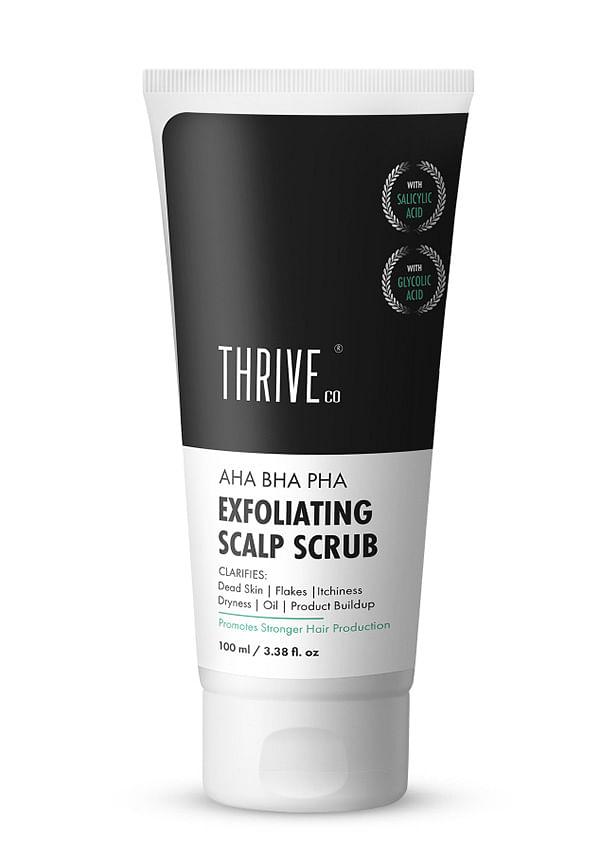
Aha Bha Pha Exfoliating Scalp Scrub
Sometimes DIY treatments aren't enough, and that's completely normal. Knowing when to seek professional help can save you time, money, and further scalp damage.
If you're experiencing persistent itching that doesn't improve with gentle treatments, or if you notice sudden hair loss in patches, it's time to see a professional. Signs of infection like pus, severe redness, or pain also warrant medical attention.
Changes in your scalp that don't respond to treatment within 4-6 weeks should be evaluated by a dermatologist.
Dermatologists have access to prescription-strength treatments that aren't available over the counter. They can also perform procedures like scalp biopsies if needed to determine the exact cause of your issues.
Professional scalp detox treatments can be more intensive than what you can do at home, and combining professional care with a good at-home routine often gives the best results.
The best scalp treatment depends entirely on your specific scalp type and concerns. For dry scalps, hydrating treatments with ingredients like aloe vera and ceramides work best. Oily scalps benefit from gentle exfoliating treatments with salicylic acid. If you're dealing with dandruff, antifungal ingredients like zinc pyrithione are most effective. The key is identifying your scalp type first, then choosing treatments with appropriate active ingredients.
Most scalp treatments should be used 1-2 times per week initially, then adjusted based on how your scalp responds. Gentle hydrating treatments can often be used more frequently, whilst stronger exfoliating or medicated treatments should be used sparingly. Always start with less frequent use and gradually increase if needed. Overuse can lead to irritation and actually worsen scalp problems.
It's generally best to introduce one new treatment at a time so you can monitor how your scalp responds. If you want to use multiple treatments, alternate them rather than layering them together. For example, you might use an exfoliating treatment one week and a hydrating mask the next. Always wait at least 24 hours between different active treatments.
Most people start seeing improvements within 2-4 weeks of consistent use, though this varies depending on the severity of the issue and the type of treatment. Hair growth-focused treatments may take 8-12 weeks to show visible results since that's how long the hair growth cycle takes. Patience and consistency are key—switching products too frequently can actually slow down progress.
Some natural ingredients like tea tree oil, aloe vera, and apple cider vinegar have scientific backing for scalp health. However, commercial products often contain these ingredients in more stable, concentrated forms with additional beneficial compounds. The effectiveness depends on the specific ingredient and the formulation. Natural doesn't always mean gentler, and some natural ingredients can be quite potent.
Finding the best scalp treatments available for your hair type isn't about following trends or buying the most expensive products—it's about understanding your scalp's unique needs and choosing treatments accordingly. Whether you're dealing with dryness, oiliness, dandruff, or hair loss, the right combination of ingredients and consistent application can make a real difference.
Remember that scalp health is a journey, not a destination. What works for you might change with seasons, stress levels, hormones, or age. The key is staying flexible and adjusting your routine as needed. With platforms like Smytten offering trial sizes from trusted brands, you can explore different scalp treatments without the commitment of full-size purchases, making it easier to find what truly works for your hair type. After all, why settle for 'maybe' when you can try it all and find your perfect scalp care routine?
