How to Choose the Best Scalp Treatments for Healthy Hair

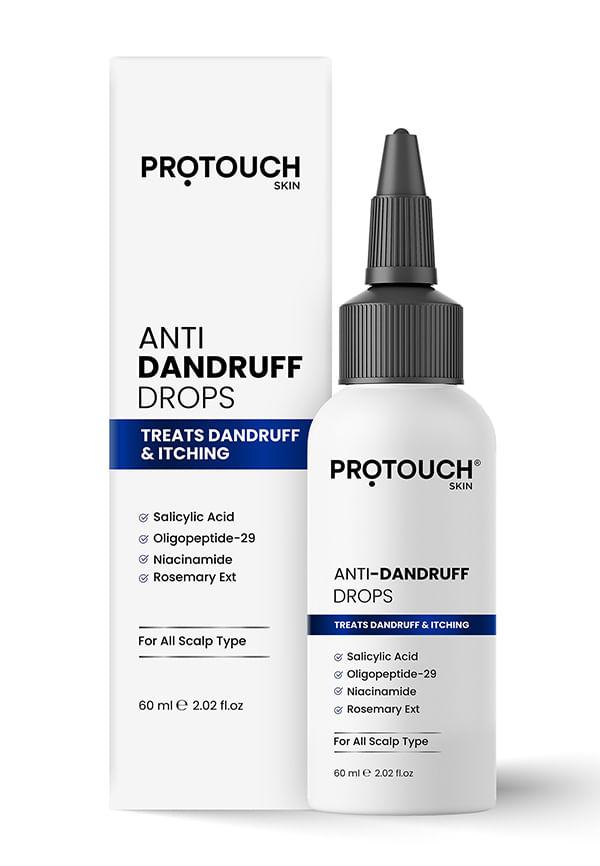
SKIN Anti Dandruff Drops Serum Soothes Itchy, Inflamed Scalp
Your scalp is basically the foundation of your hair game, yet it's probably the most overlooked part of your haircare routine. Think about it—you wouldn't build a house on shaky ground, so why treat your hair any differently? Whether you're dealing with an itchy, flaky situation or your scalp feels like an oil slick by midday, finding the best scalp treatments can be a total game-changer. The thing is, there's no one-size-fits-all solution here. Your scalp has its own personality, and understanding what it needs is the first step to achieving that healthy hair you've been dreaming about.
Before diving into treatments, let's get real about what's actually happening up there. Your scalp is skin, and just like the skin on your face, it has its own set of needs and quirks. Some people are blessed with a balanced scalp that rarely causes drama, while others deal with everything from dryness to excess oil production.
Figuring out your scalp type isn't rocket science, but it does require a bit of detective work. Start by observing how your scalp feels and looks throughout the day.
For dry scalp treatment needs, you'll notice flakiness that's more like fine, white dust rather than chunky flakes. Your scalp might feel tight, especially after washing, and you could experience some itching. This is different from dandruff, which tends to produce larger, yellowish flakes that are often oily to the touch.
If you're dealing with an oily scalp, your hair probably looks greasy within a day or two of washing. You might notice your scalp feeling heavy or having a shiny appearance. Sometimes, this can lead to clogged hair follicles and even scalp acne.
Itchy scalp remedies become necessary when you're dealing with inflammation, which can stem from various causes including product buildup, allergic reactions, or underlying skin conditions like seborrheic dermatitis.
Here's where things get interesting—your scalp health directly impacts how your hair grows. Think of your hair follicles as tiny gardens that need the right environment to flourish.
When your scalp is inflamed or clogged, it restricts blood flow to the hair follicles. This means less oxygen and fewer nutrients reach the roots, which can slow down growth and even lead to hair thinning. Hair follicle treatment becomes crucial because healthy follicles are the foundation of strong, growing hair.
DHT (dihydrotestosterone) can also play a role in scalp inflammation, particularly for those genetically predisposed to pattern hair loss. This hormone can cause follicles to shrink and become inflamed, making targeted scalp care even more important.
Now that you've identified your scalp type, it's time to explore treatments that actually work. The key is matching the right ingredients and methods to your specific concerns.
If your scalp is crying out for moisture, you'll want to focus on hydrating and nourishing ingredients. Look for treatments containing aloe vera, which soothes irritation whilst providing gentle hydration.
Ceramides are another powerhouse ingredient for dry scalps. They help restore the scalp's natural barrier, preventing moisture loss. Glycerin works as a humectant, drawing moisture from the environment to keep your scalp comfortable.
Consider incorporating scalp oils into your routine. Jojoba oil closely mimics your scalp's natural sebum, whilst argan oil provides deep nourishment without feeling heavy. Apply these treatments to damp hair, focusing on the scalp, and leave them on for at least 20 minutes before washing.
Managing an oily scalp is all about balance—you want to control excess sebum without stripping your scalp completely, which can actually trigger more oil production.
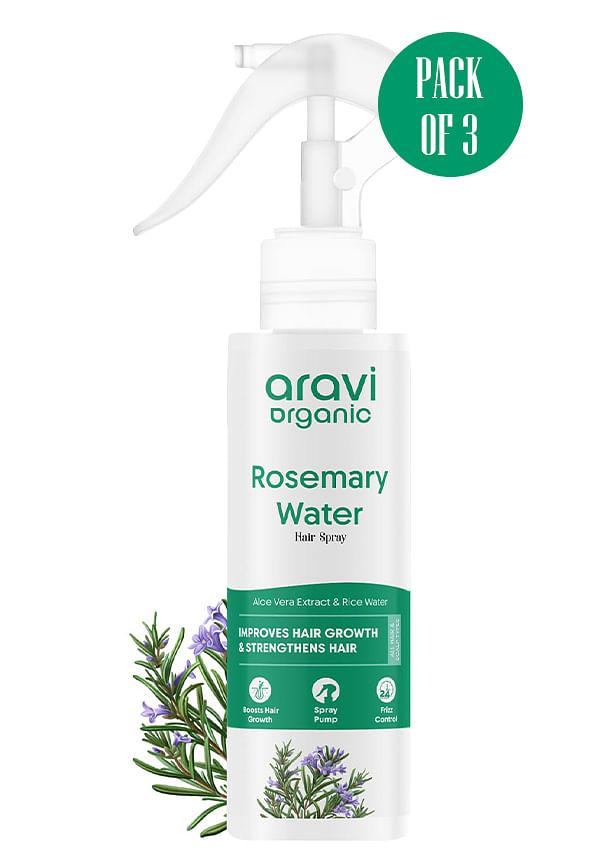
Rosemary Water Spray for Healthy Thicker Hair Growth & Natural Scalp Treatment Hair Spray
Salicylic acid is brilliant for oily scalp solutions because it gently exfoliates and helps unclog hair follicles. Charcoal treatments can also be effective for drawing out impurities and excess oil.
Clay-based masks work wonders for oily scalps. Bentonite clay or kaolin clay can absorb excess oil whilst providing gentle detoxification. Use these treatments once or twice a week, applying them to damp scalp and leaving them on for 10-15 minutes.
When your scalp is irritated and itchy, cooling and anti-inflammatory ingredients become your best friends. Tea tree oil has natural antimicrobial properties and provides a cooling sensation that can relieve itching.
Niacinamide is excellent for reducing inflammation and can help regulate oil production. Zinc pyrithione is particularly effective for dandruff treatment and can help manage fungal overgrowth that often contributes to scalp irritation.
For severe itching or persistent issues, you might need to consider prescription treatments. Don't hesitate to consult a dermatologist if over-the-counter options aren't providing relief.
While at-home treatments can be incredibly effective, sometimes you need to bring in the professionals. Understanding when to DIY and when to seek expert help can save you time, money, and frustration.
If you're dealing with persistent scalp issues that don't respond to over-the-counter treatments, it might be time to see a dermatologist. They can prescribe stronger treatments and identify underlying conditions you might not have considered.
Medical-grade treatments often contain higher concentrations of active ingredients. For instance, prescription-strength ketoconazole can be more effective for stubborn dandruff than over-the-counter options.
Professional scalp treatments at salons can also provide deep cleansing and nourishment that's difficult to achieve at home. These often include steam treatments, professional-grade exfoliation, and targeted serums.
A good scalp detox can reset your scalp health and remove product buildup that might be causing issues. Hot oil treatments are fantastic for this—they nourish the scalp whilst helping to dissolve buildup.
Try mixing coconut oil with a few drops of rosemary essential oil. Warm the mixture slightly and massage it into your scalp. Leave it on for 30 minutes to an hour before washing with a clarifying shampoo.
Gentle exfoliation can also be part of your scalp detox routine. You can create a simple scrub using brown sugar and your regular shampoo. Massage gently in circular motions, focusing on areas where you feel buildup.
Understanding ingredients is crucial for choosing effective treatments. Some ingredients are multitaskers, whilst others target specific concerns.
Niacinamide is a real MVP in scalp care. It reduces inflammation, regulates oil production, and can even help with scalp treatment for hair growth by improving blood circulation to the follicles.
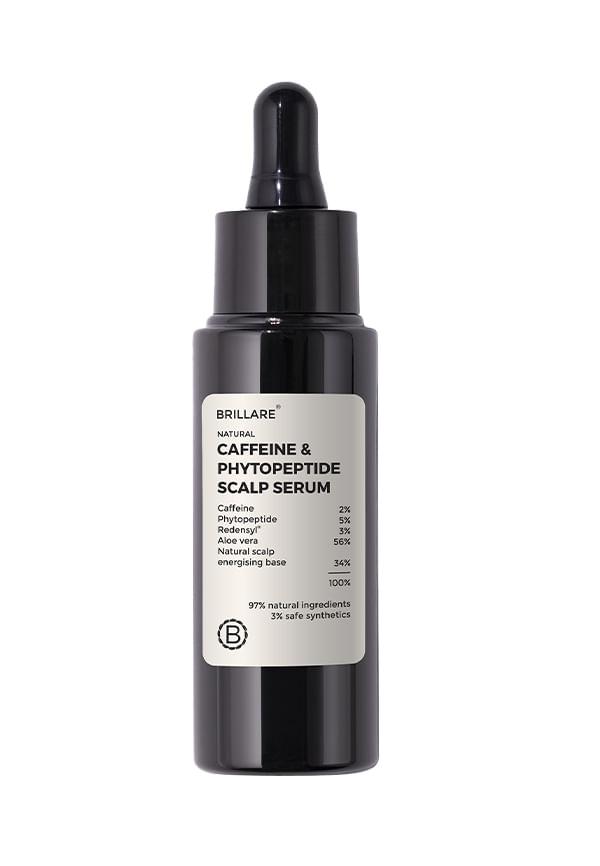
Caffeine & Phytopeptide Scalp Serum with Redensyl for Hair Growth
Zinc peptides are excellent for strengthening hair follicles and supporting healthy growth. They work particularly well when combined with other growth-promoting ingredients.
Keratin treatments aren't just for smoothing hair—they can also strengthen the hair shaft from the root, making your hair less prone to breakage.
For gentle exfoliation, salicylic acid is your go-to. It's less harsh than physical scrubs but effectively removes dead skin cells and unclogs follicles.
Both natural and synthetic ingredients have their place in scalp care. Natural ingredients like tea tree oil, rosemary, and aloe vera are generally gentler and less likely to cause irritation.
However, synthetic ingredients aren't necessarily bad. Many are more stable and effective than their natural counterparts. The key is avoiding harsh chemicals like sulfates and parabens that can disrupt your scalp's natural balance.
Look for treatments that combine the best of both worlds—effective synthetic actives paired with soothing natural ingredients.
Creating a routine that works for your lifestyle and scalp type is essential for seeing real results. Consistency is more important than using the most expensive products.
Start with proper scalp massage techniques. Spend a few minutes each day massaging your scalp with your fingertips (not nails) in circular motions. This improves blood circulation and can help with relaxation.
The frequency of washing depends on your scalp type. Oily scalps might need daily washing, whilst dry scalps can often go 2-3 days between washes. Pay attention to how your scalp feels rather than following arbitrary rules.
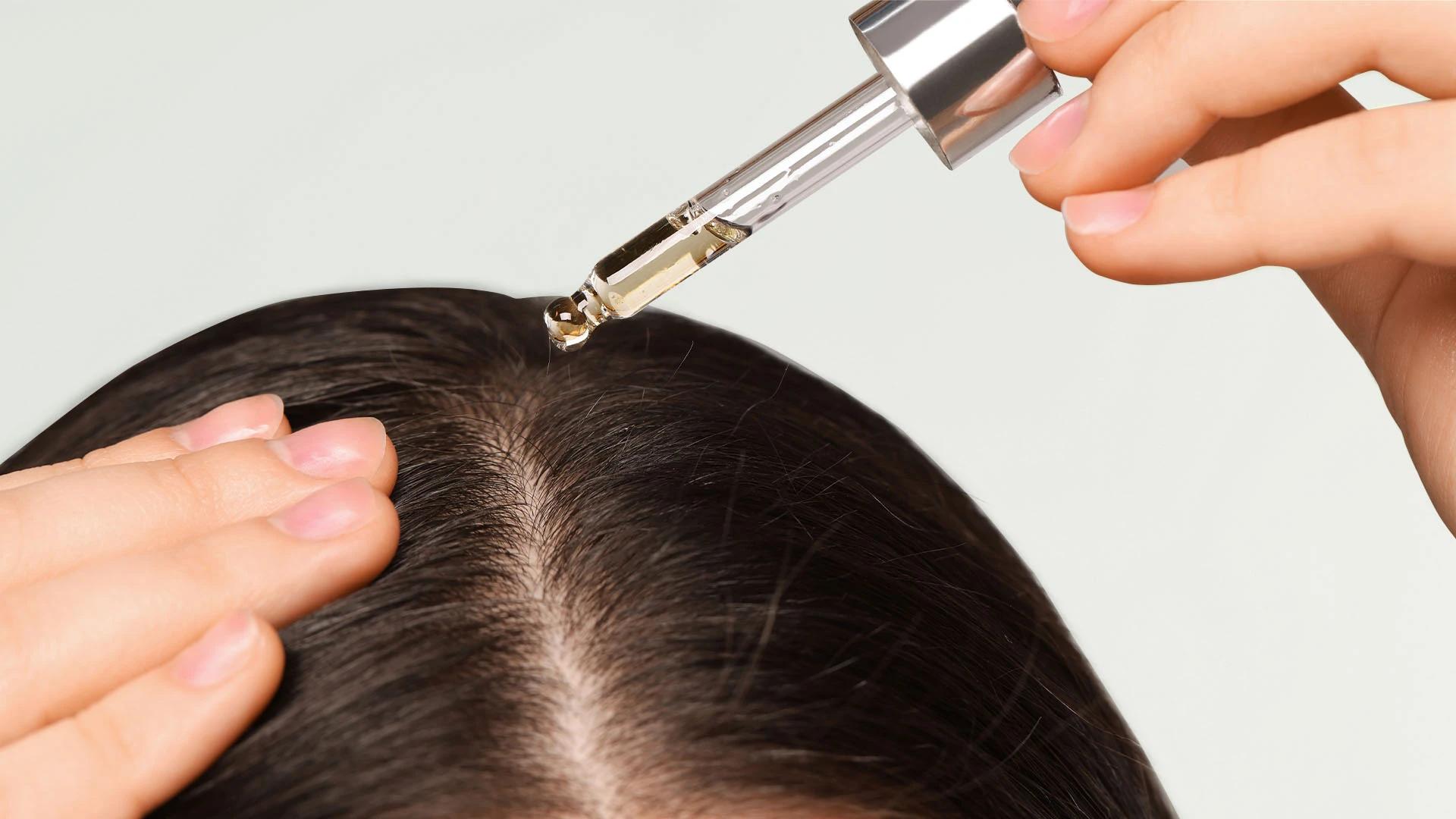
If you're using scalp serums or treatments, apply them to clean, slightly damp scalp for better absorption. These healthy hair tips might seem simple, but they make a real difference over time.
Once or twice a week, give your scalp some extra love with intensive treatments. This could be a nourishing hair mask, a clarifying treatment, or a targeted serum for your specific concerns.
Consider rotating different types of treatments. For example, you might use a hydrating mask one week and a clarifying treatment the next. This prevents your scalp from getting too used to one type of treatment.
Professional hair spa treatments can also be incorporated monthly for deeper cleansing and nourishment that's difficult to achieve at home.
Knowing whether your scalp treatments are working is crucial for maintaining an effective routine. Changes in scalp health can be subtle, so it's important to know what to look for.
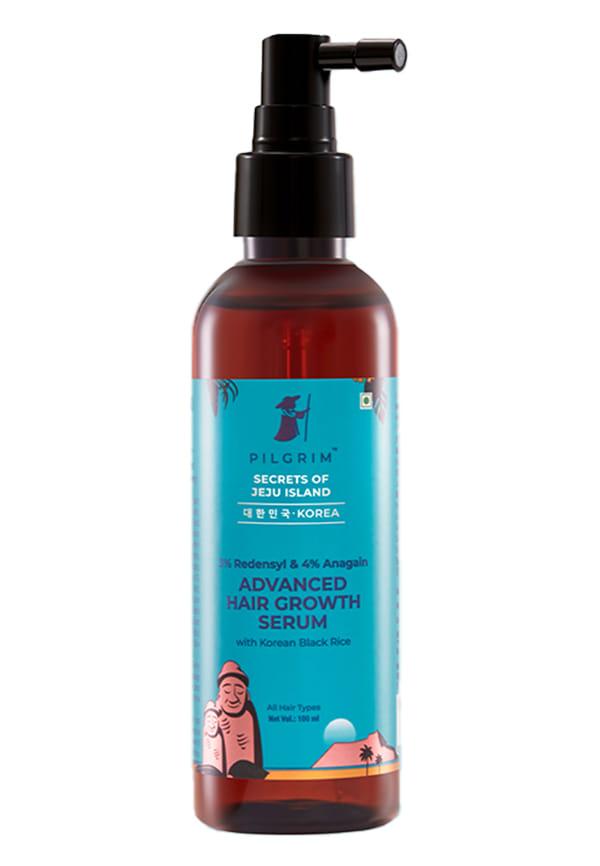
3% Redensyl & 4% Anagain ADVANCED HAIR GROWTH SERUM For Dandruff-Prone Scalp
A healthy scalp should feel comfortable throughout the day—no excessive itching, tightness, or oiliness. You should notice reduced flaking and irritation within a few weeks of starting a new routine.
Hair growth improvements might take longer to notice, typically 2-3 months. Look for new baby hairs around your hairline and increased hair density over time.
Your hair should also feel stronger and look shinier as your scalp health improves. This is because healthy follicles produce stronger hair strands.
Your scalp needs can change with the seasons. You might need more hydrating treatments in winter and clarifying treatments in summer when you're sweating more.
Hormonal changes, stress, and diet can also affect your scalp. Be prepared to adjust your routine accordingly. If a treatment stops working or starts causing irritation, it's time to reassess.
Don't be afraid to experiment with different products. Platforms like Smytten make this easier by offering trial-sized versions of various scalp treatments, so you can find what works without committing to full-size products.
The best scalp treatment depends on your specific concerns. For dryness and flakiness, opt for products containing soothing and hydrating ingredients like aloe vera, tea tree, or glycerin. For oily scalp or buildup, look for gentle exfoliants such as salicylic acid or charcoal to cleanse deeply without stripping natural oils.
Scalp treatments that improve blood circulation through massage, combined with ingredients like niacinamide and peptides, are most effective for promoting hair growth whilst maintaining overall scalp health. Consistency is key for seeing results.
Yes, scalp massage promotes blood circulation, which has a positive effect on hair follicles and can help with relaxation of blood vessels, supporting healthy hair growth. Aim for 5-10 minutes of gentle massage daily.
DHT (dihydrotestosterone) can incite inflammation and follicle shrinkage, particularly in those genetically predisposed to androgenic alopecia, making targeted scalp treatments important for managing this condition.
This depends on the treatment type and your scalp's needs. Daily treatments like gentle massages and lightweight serums are fine, whilst intensive treatments like masks or exfoliating scrubs should be used 1-2 times per week.
Finding the right scalp treatment is a journey, not a destination. Your scalp's needs will evolve with seasons, stress levels, hormonal changes, and age. The key is staying attentive to what your scalp is telling you and being willing to adjust your routine accordingly.
Remember, the best scalp treatments are the ones you'll actually use consistently. There's no point in having an elaborate routine that you can't maintain. Start simple, be patient with results, and gradually build up your routine as you learn what works for your unique scalp.
With Smytten's trial packs, you can explore different scalp treatments from trusted brands without the commitment of full-size purchases. This makes it easier to find your perfect match whilst building a routine that truly works for your hair goals. After all, why settle for 'maybe' when you can try it all and find what genuinely transforms your scalp health?
