How to Choose the Best Scalp Serum for Hair Growth
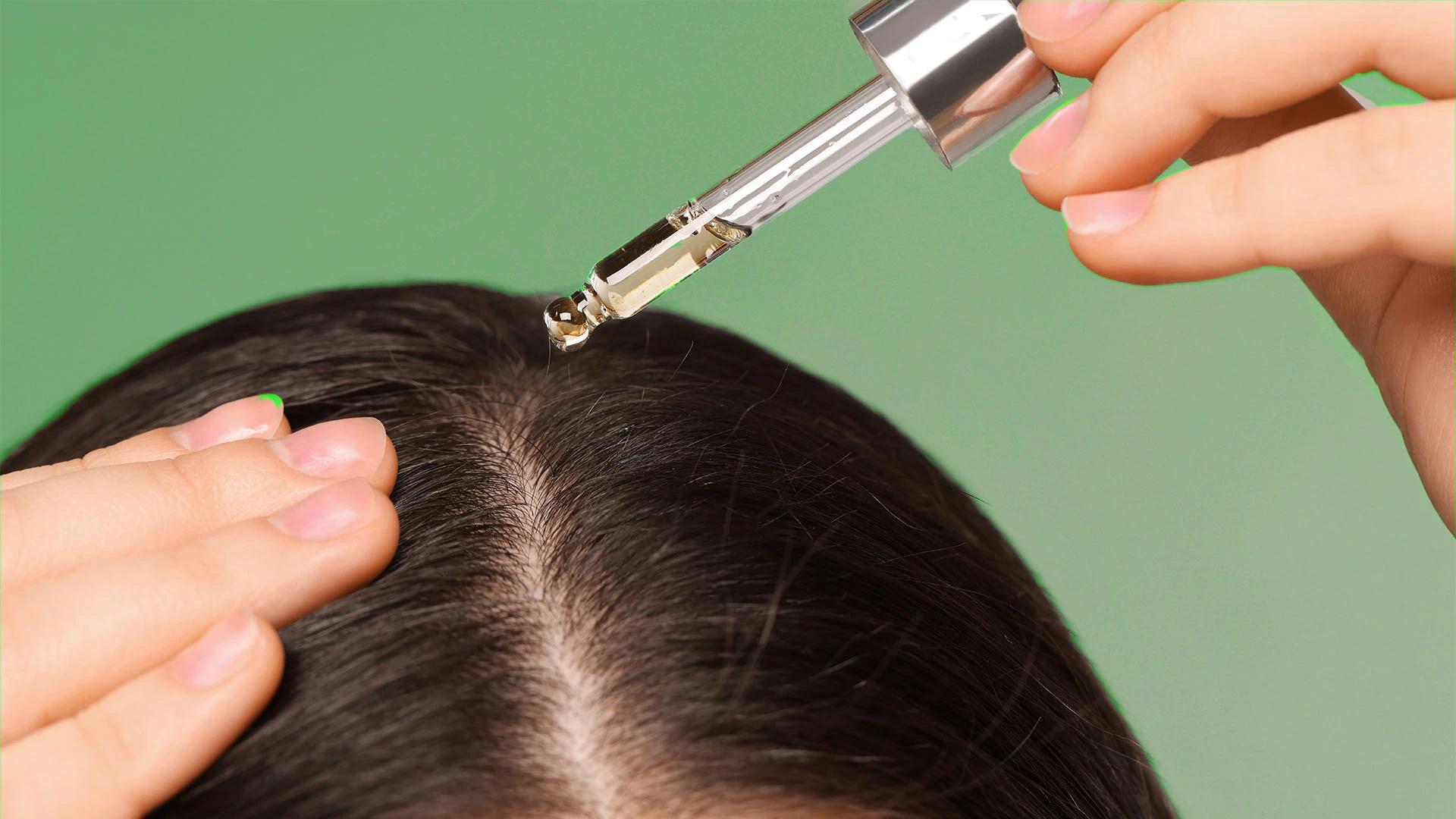

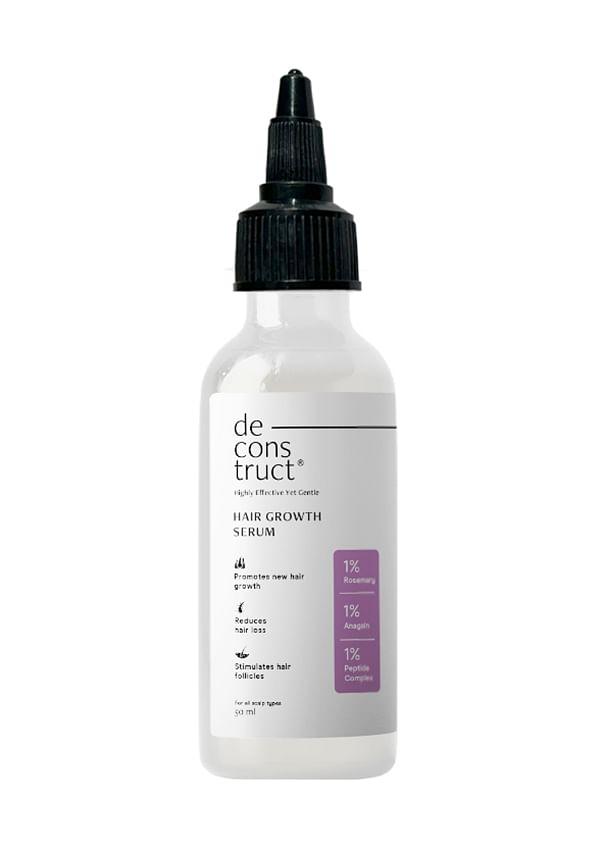
Hair Growth Serum
Let's be real—when it comes to hair growth, we've all been there. Staring at our hairline in the mirror, wondering if that's a new bald spot or just bad lighting. If you're dealing with thinning hair, an itchy scalp, or just want thicker locks, a good scalp serum for hair growth might be your new best mate. But with so many options out there, how do you pick the right one? Don't worry—we've got you sorted with everything you need to know about choosing the perfect hair growth serum that actually works.
Right, let's start with the basics. A scalp serum isn't just another hair product you slap on and hope for the best. These targeted treatments are specifically formulated to penetrate your scalp and work directly on your hair follicles—the tiny powerhouses where your hair actually grows from.
Here's the thing about scalp health: it's literally the foundation of good hair. Think of your scalp like soil in a garden. If the soil's rubbish, nothing's going to grow properly, right? Your hair follicles need the right environment to produce strong, healthy strands. That's where a proper scalp treatment comes in.
Unlike regular hair serums that coat your existing strands to make them look shinier, scalp serums get down to business at the root level. They deliver active ingredients directly to your follicles, improving blood circulation, reducing inflammation, and providing the nutrients your hair needs to grow. It's like giving your scalp a proper meal instead of just a snack.
The brilliant thing about topical scalp treatments is that they work faster and more effectively than popping vitamins. When you apply a hair growth serum directly to your scalp, those active ingredients don't have to travel through your entire digestive system—they get straight to work where you need them most.
Now we're getting to the good stuff. Not all hair growth products are created equal, and knowing what to look for can save you from wasting money on fancy packaging with rubbish ingredients inside.
When you're shopping for a scalp serum for hair growth, these are the ingredients that actually do the heavy lifting:
Peptides: These clever little proteins signal your hair follicles to get back to work. Multi-peptide complexes are particularly effective for increasing hair density.
Niacinamide: At around 2.5% concentration, this form of vitamin B3 boosts circulation to your scalp and keeps your follicles healthy.
Zinc-peptides: Usually found at 1.5% concentration, these strengthen your hair structure from the inside out.
Redensyl, Procapil, and Kopexil: These are the fancy advanced compounds you'll find in more intensive treatments. They're clinically proven to stimulate hair growth and reduce hair loss.
Don't overlook the power of nature when it comes to scalp care:
Rosemary extract: This isn't just for your Sunday roast. Studies show it's as effective as some prescription treatments for stimulating blood flow to your scalp.
Biotin and keratin: These work together to strengthen your hair and reduce breakage.
Argan oil: Provides nourishment without weighing your hair down or clogging follicles.
Just as important as knowing what to look for is knowing what to avoid:
Harsh sulfates: These can irritate sensitive scalps and actually make hair loss worse.
Heavy oils: Whilst some oils are brilliant, heavy ones can clog your follicles and create more problems.
Synthetic fragrances: If you've got a sensitive scalp, these can cause irritation and inflammation.
Before you dive into buying the first hair growth serum you see, take a moment to figure out what your scalp actually needs. Different problems require different solutions, and using the wrong product can sometimes make things worse.
Are you dealing with overall thinning, or is it more localised? Here's how to match your concerns with the right treatment:
Thinning hair serum: If you're noticing diffuse hair loss all over, look for serums with peptides and circulation-boosting ingredients.
Dandruff serum: Flaky, irritated scalps need gentle, anti-inflammatory ingredients like niacinamide and zinc.
Itchy scalp treatment: For inflammatory conditions, seek out serums with soothing botanicals and avoid anything with alcohol or harsh chemicals.
Let's set realistic expectations here. Normal hair grows about half an inch per month, and everyone's hair goes through natural growth cycles. A good hair follicle serum can optimise these cycles, but it won't work miracles overnight.
If you're noticing sudden, dramatic hair loss or bald patches, it's worth chatting with a dermatologist before starting any new treatments. Sometimes underlying health issues need addressing first.
You've found your perfect scalp serum for hair growth—brilliant! But how you use it matters just as much as what's in the bottle. Proper application can make the difference between seeing results and wondering why you bothered.
Here's your step-by-step guide to getting the most out of your scalp treatment:
Start with a clean, slightly damp scalp—this helps with absorption
Part your hair into sections so you can access your entire scalp
Apply the serum directly to your scalp, not your hair strands
Use gentle circular motions to massage it in—this boosts circulation
Don't rinse it out unless the instructions specifically say to
Most hair growth products work best when applied to a clean scalp, so evening application after washing your hair is often ideal. This gives the serum all night to work its magic without interference from styling products or environmental pollutants.
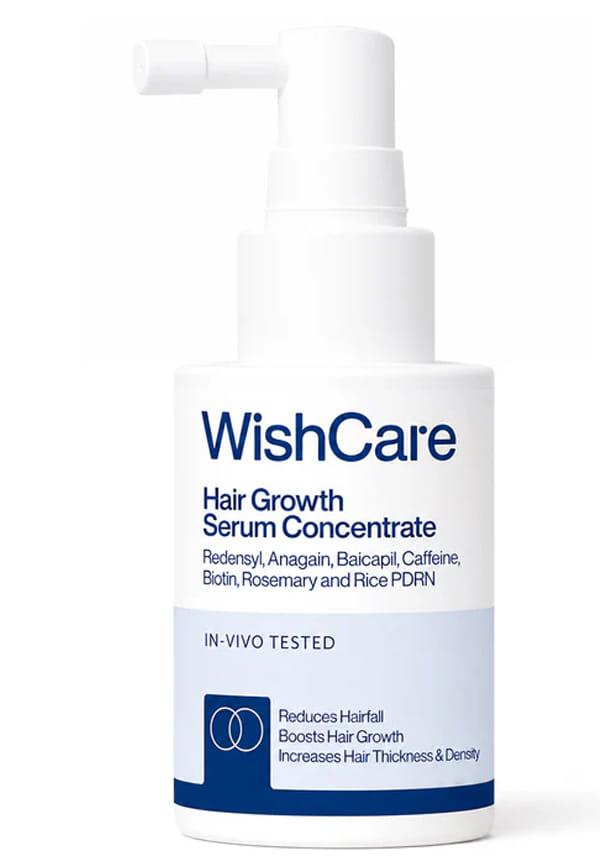
Hair Growth Serum Concentrate
Good for Hair Growth
 5
5“good for hair growth recommend for hairfall”
Lightweight & Fast Absorbing
5“it is very lightweight and fast absorbing. it does not even leave the scalp sticky or heavy. can be added as a night time routine.”
Nice and Durable Bottle
5“very nice bottle. looks like it'll last 6months”
If you're using other treatments, introduce them gradually. Your scalp needs time to adjust, and too many new products at once can cause irritation.
Right, let's talk about realistic expectations. We know you want results yesterday, but good things take time—especially when it comes to hair growth.
Here's what you can typically expect when using a quality scalp serum for hair growth:
Weeks 1-4: You might notice less hair in your brush and improved scalp health
Weeks 6-8: This is when you might start seeing tiny new hairs sprouting
Months 3-6: Increased thickness and density become more obvious
Long-term: Continued use maintains and builds on your results
Take photos from the same angles in the same lighting every few weeks. Trust us, your memory isn't reliable when it comes to gradual changes. Also, pay attention to how much hair you're losing daily—a good hair serum should reduce excessive shedding fairly quickly.
This is where platforms like Smytten come in handy. As India's largest product discovery platform, Smytten lets you try mini-sized versions of over 1,500 trusted brands before committing to full-size purchases. You can explore different scalp treatments and hair growth products through curated trial packs, making it easier to find what works for your specific needs without the financial risk.
Let's be honest—not everyone can splash out on the most expensive hair growth serum on the market. The good news is that effective treatments come at every price point.
You don't need to break the bank for a decent thinning hair serum. Look for products with multi-peptide complexes, niacinamide, or rosemary extract. These ingredients deliver real results without the premium price tag.
This is often the sweet spot for most people. Mid-range products typically combine several active ingredients and have been dermatologist-tested. They're perfect if you want something more sophisticated than basic formulas but don't need all the bells and whistles.
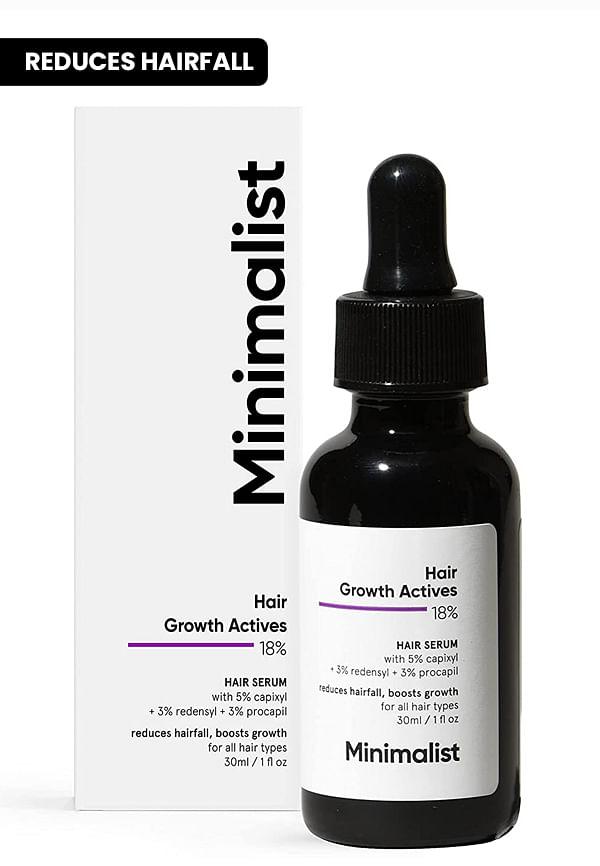
Hair Growth Actives 18% Hair Growth Serum
Effective for hair growth
5“hair growth in consistent use,”
Light and Non-Greasy Feel
4“non sticky, feels like water... no greasiness”
Light and Non-Greasy Feel
4“non sticky, feels like water... no greasiness”
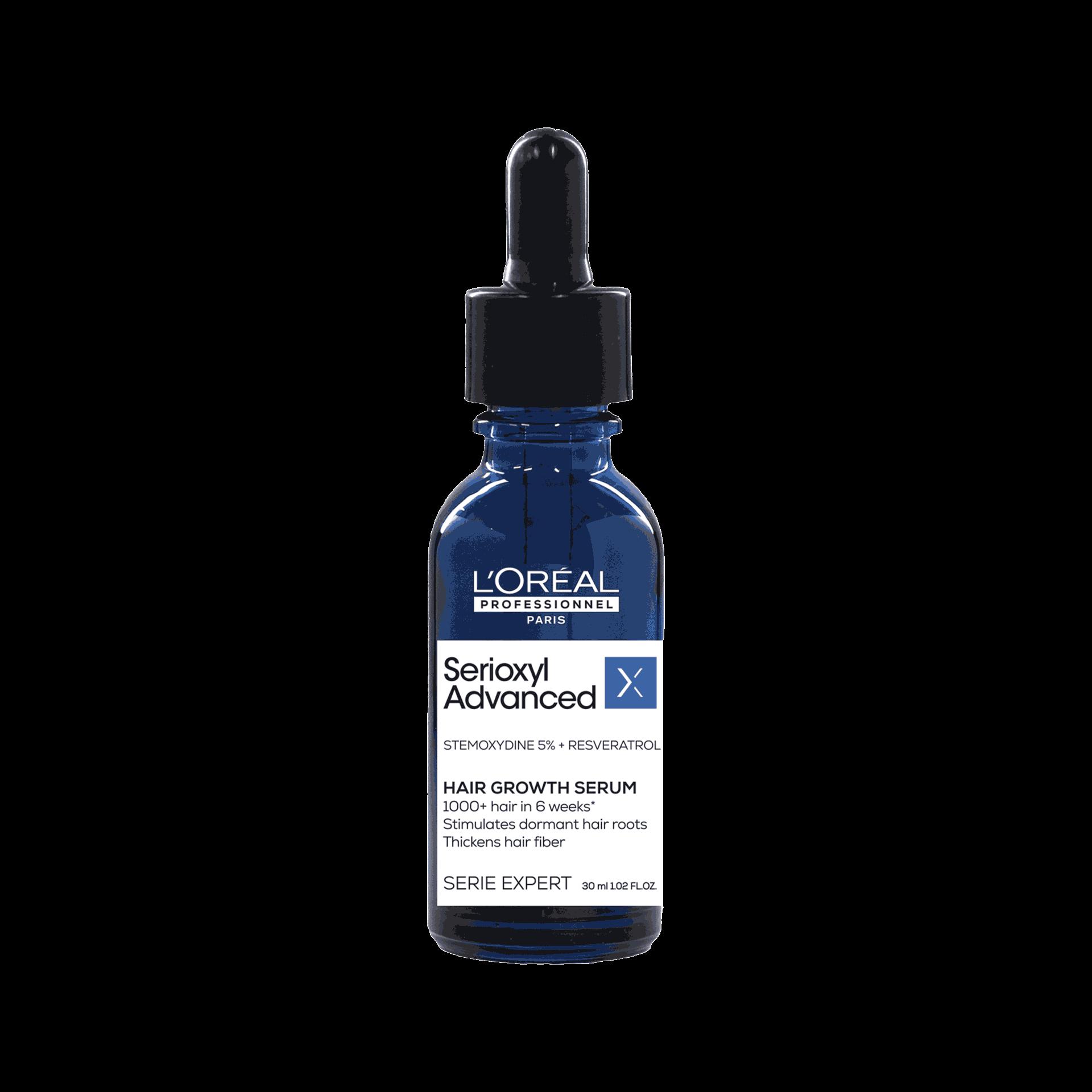
This professional scalp serum is a strong pick for men and women dealing with thinning hair or reduced hair density. L'Oréal Professionnel Serioxyl Advanced Hair Growth Serum is powered by Stemoxydine 5% and Resveratrol to help stimulate dormant hair roots and support denser-looking hair. It works directly on the scalp, making it a good option when your concern is not just hair breakage but visible thinning from the roots. The formula helps thicken the hair fibre and fits well into a targeted scalp care routine for hair growth and density.
With Smytten's trial system, you can test products across all price ranges through their mini-sized offerings. Get up to 8 minis for just ₹249, plus enjoy 100% cashback that's redeemable for future orders. It's a brilliant way to discover your perfect scalp treatment without the usual trial-and-error expense.
Yes, quality scalp serums with proven ingredients like peptides, niacinamide, and botanical extracts can nourish your scalp, strengthen hair follicles, and promote healthier hair growth. Results vary between individuals and depend on consistent use.
Most people notice reduced hair fall within 4 weeks, with new hair growth becoming visible around 6-8 weeks. Significant improvements in thickness and density typically occur after 3-6 months of regular use.
Yes, but introduce new products gradually to avoid scalp irritation. If you're using prescription treatments, it's worth consulting a dermatologist about the best combination approach.
Hair serums primarily coat and protect existing strands for shine and manageability, whilst scalp serums penetrate the scalp to nourish hair follicles and promote new growth from the root level.
Most quality scalp serums have minimal side effects when used properly. Some users might experience initial scalp sensitivity or temporary increased shedding as hair cycles adjust during the first few weeks.
Choosing the right scalp serum for hair growth doesn't have to be overwhelming. Focus on proven ingredients, understand your specific scalp needs, and set realistic expectations. Remember, consistency is key—the best serum in the world won't work if it's sitting unused in your bathroom cabinet.
The brilliant thing about today's market is that you don't have to guess what might work for you. Platforms like Smytten make it possible to try different formulations risk-free, helping you discover products that genuinely suit your hair and scalp type. With over 25 million users and access to trusted brands across the haircare spectrum, you can explore various scalp treatments and find your perfect match without the usual commitment.
Whether you're dealing with thinning hair, scalp irritation, or just want to optimise your hair growth, there's a serum out there that's worth a try. Take your time, do your research, and don't be afraid to experiment until you find your next fave. After all, why settle for 'maybe' when you can try it all?
