How to Choose the Best Products for Hair Regrowth

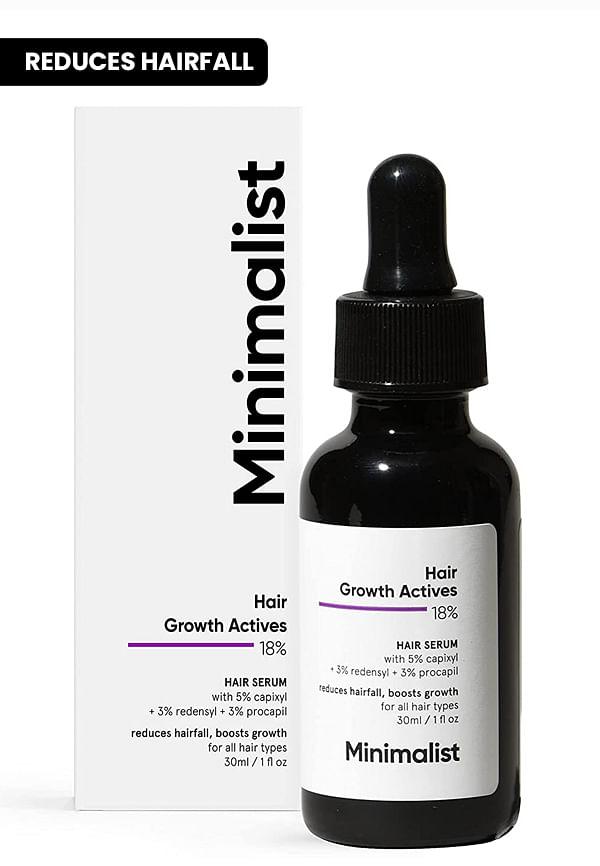
Hair Growth Actives 18% Hair Growth Serum
Effective for hair growth
 5
5“hair growth in consistent use,”
Light and Non-Greasy Feel
4“non sticky, feels like water... no greasiness”
Light and Non-Greasy Feel
4“non sticky, feels like water... no greasiness”
Let's be real—watching your hair thin out or seeing more strands in the shower drain than on your head is proper stressful. Whether you're dealing with early signs of thinning or looking for ways to boost what you've got, finding the right products for hair regrowth can feel like searching for a needle in a haystack. The good news? There are actually loads of effective solutions out there, from science-backed treatments to gentle natural options. The trick is knowing what works, what doesn't, and how to pick something that's actually worth your time and money. Ready to dive into the world of hair regrowth without all the confusing jargon?
Before jumping into which hair growth products might work for you, it's worth understanding what's actually happening up there. Hair loss isn't just one thing—it's got multiple causes, and knowing yours can help you pick the right approach.
The most common culprit is androgenetic alopecia, which sounds fancy but basically means pattern baldness that runs in families. This affects both men and women, though it shows up differently—think receding hairlines versus overall thinning.
Hormonal changes: Pregnancy, menopause, or thyroid issues can mess with your hair cycle
Nutritional gaps: Not getting enough iron, protein, or vitamins can leave your hair struggling
Stress overload: Physical or emotional stress can push hair into a resting phase
Medical conditions: Things like alopecia areata or scalp infections need proper treatment
Harsh styling: Tight ponytails, chemical treatments, or excessive heat can damage follicles
Spotting the early signs means you can act before things get worse. Look out for wider partings, more hair on your pillow, or that feeling like your ponytail's getting thinner.
The earlier you start with thinning hair remedies, the better your chances of seeing real results. Most treatments work best when there's still some hair to work with, rather than trying to regrow from completely bare patches.
Right, let's talk about what actually works. There's loads of marketing fluff out there, but some ingredients have proper clinical backing. Here's what to look for when you're scanning those ingredient lists.
Minoxidil is probably the most well-known hair loss treatment that's FDA-approved. It works by improving blood flow to hair follicles and can help about two-thirds of people who use it consistently. You'll find it in different strengths, and it's available without a prescription.
Finasteride is another proven option, though it's prescription-only and works by blocking DHT (the hormone that shrinks hair follicles). It's particularly effective for male pattern baldness.
Redensyl: A newer peptide complex that's shown promising results in clinical trials
Anagain: Made from pea sprouts, this ingredient helps extend the growth phase of hair
Adenosine: Helps improve blood circulation and can extend the hair growth cycle
If you prefer gentler options, there are natural ingredients with solid research behind them. Rosemary oil has been shown to work as well as minoxidil in some studies, making it a brilliant natural alternative.
Caffeine: Stimulates the scalp and can help counteract DHT effects
Pumpkin seed oil: Acts as a natural DHT blocker
Biotin and B vitamins: Support healthy hair growth from within
Saw palmetto: Another natural DHT inhibitor that's worth considering
The hair growth world keeps evolving, and there are some exciting newer ingredients making waves. Baicapil complex combines three plant extracts and has shown impressive results in trials. Copper peptides help with scalp health and can support the hair growth process.
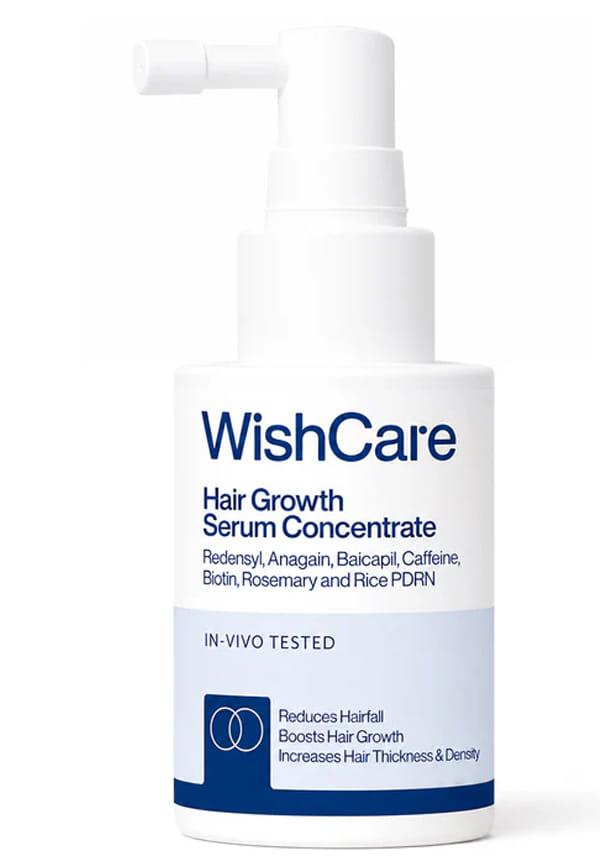
Hair Growth Serum Concentrate
Good for Hair Growth
5“good for hair growth recommend for hairfall”
Lightweight & Fast Absorbing
5“it is very lightweight and fast absorbing. it does not even leave the scalp sticky or heavy. can be added as a night time routine.”
Nice and Durable Bottle
5“very nice bottle. looks like it'll last 6months”
Now that you know what ingredients to look for, let's talk about the different types of products available. Each has its own strengths, and the best choice depends on your lifestyle and how you prefer to tackle things.
These are your heavy hitters—concentrated formulas designed to deliver active ingredients directly to your scalp. A good hair growth serum typically contains higher concentrations of active ingredients than shampoos or conditioners.
Apply these to clean, dry scalp and massage gently to boost absorption. Most work best when used consistently, ideally at the same time each day. Results usually start showing after 3-6 months of regular use.
Perfect for daily maintenance, these products work gradually to improve scalp health and create better conditions for hair growth. Look for gentle formulas that won't strip your scalp of natural oils.
Hair thickening products often contain volumising ingredients alongside growth-promoting compounds. They're brilliant for making existing hair look fuller while supporting new growth.
Sometimes the issue isn't what you're putting on your scalp, but what's missing from your diet. Hair growth supplements can fill nutritional gaps that might be affecting your hair.
Biotin and B-complex vitamins: Support keratin production
Iron: Essential for healthy hair growth, especially if you're deficient
Omega-3 fatty acids: Support scalp health and reduce inflammation
Collagen peptides: Provide building blocks for strong hair
For more serious hair loss, professional treatments might be worth considering. These range from prescription medications to in-office procedures like red light therapy or scalp injections.
With so many options out there, picking the right hair regrowth solutions can feel overwhelming. Here's how to narrow things down and find what's actually going to work for you.
Start by honestly assessing what you're dealing with. Is it overall thinning, specific bald patches, or just less volume than you used to have? Take photos from different angles—they'll help you track progress later.
If you're unsure about the cause or severity, it's worth chatting with a dermatologist or trichologist. They can help identify whether you're dealing with genetic hair loss, a medical condition, or something else entirely.
Fine hair needs different care than thick, coarse hair. If you've got a sensitive scalp, look for gentle formulas without harsh chemicals or strong fragrances. For colour-treated hair, make sure any products you choose won't interfere with your colour.
Budget matters too—some treatments require long-term commitment, so pick something you can actually stick with. Sometimes a mid-range product used consistently beats an expensive one used sporadically.
Hair Fall Control & Hair Growth Kit
The best hair care routine is one you'll actually follow. Start simple—maybe a growth-promoting shampoo and a serum. You can always add more products later once you've got the basics sorted.
Timing matters too. Some treatments work better at night when your scalp can absorb them without interference from styling products. Others are fine for morning use under your regular routine.
Let's set some realistic expectations here. Hair growth is slow, and anyone promising dramatic results in a few weeks is probably overselling. Understanding the timeline helps you stick with treatments long enough to see real benefits.
Most effective treatments need at least 3-6 months before you'll notice significant changes. Hair grows about half an inch per month, so even successful treatments take time to show visible results.
The goal isn't necessarily to regrow hair to teenage levels—it's about slowing loss and improving what you've got. Even maintaining your current hair density is a win if you were previously losing ground.
Take progress photos in the same lighting and from the same angles every month. It's easier to spot gradual changes when you can compare side by side. Some people also track how much hair they're losing in the shower or when brushing.
Success might look like less hair in your brush, new baby hairs around your hairline, or just feeling like your hair looks fuller overall. Small improvements add up over time.
Most hair loss prevention products are pretty safe, but it's worth knowing what to watch for. Scalp irritation, itching, or redness can happen when you first start using active ingredients.
Always patch test new products, especially if you've got sensitive skin. If you're pregnant or have medical conditions, check with your doctor before starting any new treatments.
Using the right products is just part of the puzzle. Your overall lifestyle and how you treat your hair day-to-day can make a massive difference to your results.
Your hair reflects your overall health, so taking care of yourself supports better hair growth. Getting enough protein is crucial—your hair is basically made of protein, so skimping on it won't do you any favours.
Eat plenty of protein: Aim for lean meats, fish, eggs, or plant-based alternatives
Manage stress: Chronic stress can push hair into a resting phase
Get quality sleep: Your body repairs and grows during sleep
Stay hydrated: Dehydration affects everything, including your scalp
One of the biggest mistakes is switching products too quickly. Give treatments at least 3-4 months before deciding they're not working. Hair growth is slow, and jumping between products means you never give anything a proper chance.
Over-washing or using harsh products can actually make thinning worse. Gentle is better, even if it feels like you're not doing enough. Your scalp needs to stay healthy for treatments to work properly.
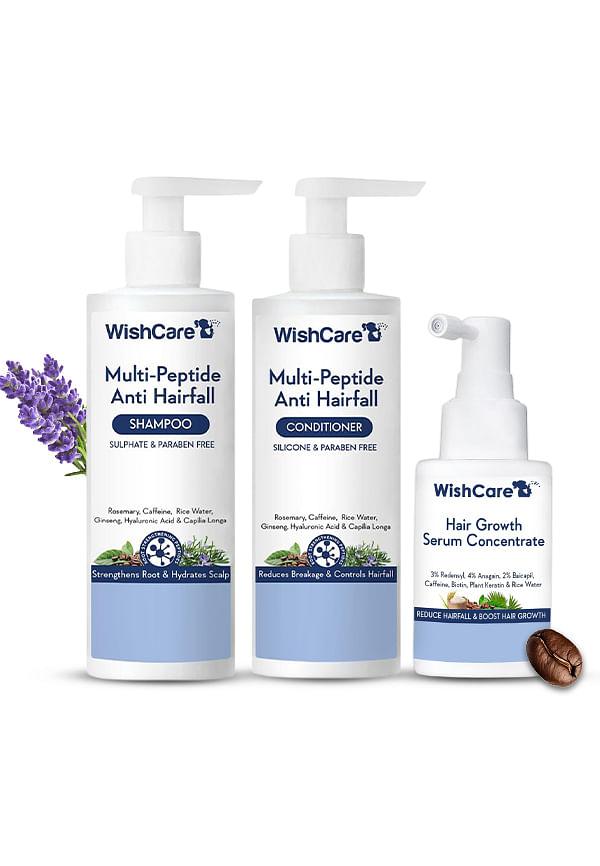
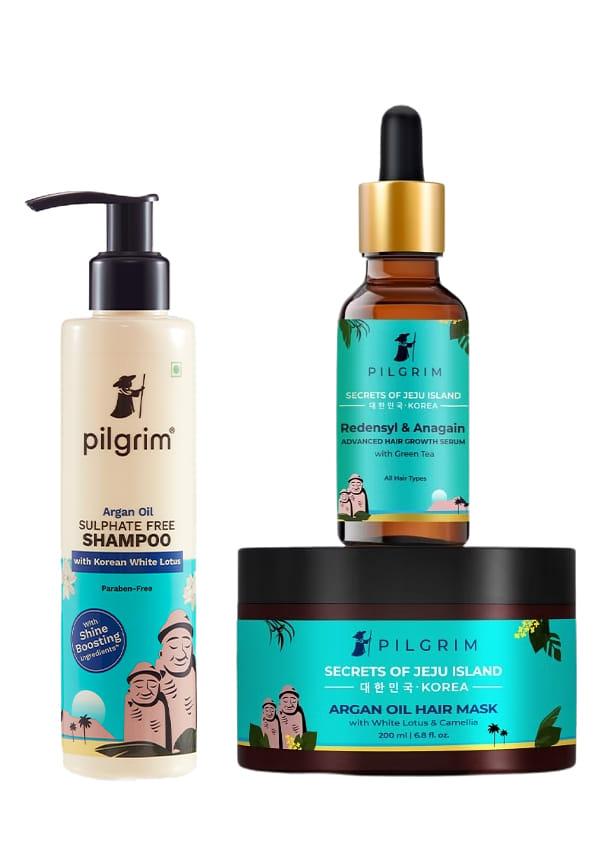
Growth Power Pack | 3 Step Growth Solution
Nice Product, Clear Results
4“Product is nice, Now after use I can see clear results”
Good for Hair Growth
5“good gor hair growth it controls hair growth and helps to grow new hairs faster”
Nice kit, removes dandruff
5“nice kit for hair and remove dendruff”
If you're not seeing any improvement after 6-8 months of consistent treatment, it might be time to chat with a professional. They can assess whether you need stronger treatments or if there's an underlying issue you've missed.
Sudden or patchy hair loss definitely warrants a professional opinion, as it could signal a medical condition that needs specific treatment.
When you're exploring different products for hair regrowth, the trial-and-error process can get expensive quickly. This is where platforms like Smytten come in handy—you can try mini versions of various hair growth products before committing to full sizes. With access to over 1,500 trusted brands and the ability to get up to 8 minis for just ₹249, you can experiment with different formulations and find what works for your specific needs without breaking the bank.
There's no single "best" product since everyone's hair loss is different. Minoxidil is the most clinically proven option, but natural alternatives like rosemary oil can work well too. The best product is one that matches your specific type of hair loss and that you'll use consistently.
Yes, but it depends on several factors including the cause of your hair loss, how long you've been losing hair, and which treatments you use. Early intervention generally gives better results, and maintaining existing hair is often more realistic than dramatic regrowth.
No, significant hair regrowth in 3 weeks isn't realistic with any treatment, natural or otherwise. Hair grows slowly, and even the most effective treatments need 3-6 months to show noticeable results. Be wary of any products promising dramatic results in just a few weeks.
Most people start noticing changes after 3-4 months of consistent use. You might see less hair falling out before you notice new growth. Full results typically take 6-12 months, so patience is key.
Yes, but introduce them gradually to avoid scalp irritation. A common combination is a growth-promoting shampoo with a targeted serum. Always patch test new products and space out applications if you're using multiple active ingredients.
Some natural ingredients like rosemary oil have shown comparable results to medical treatments in studies. However, medical treatments like minoxidil generally have more extensive research backing. Natural options can be gentler and worth trying, especially for mild hair loss.
Finding the right products for hair regrowth is definitely a journey, not a sprint. The key is understanding what's causing your hair loss, choosing treatments with proven ingredients, and sticking with them long enough to see results. Whether you go for clinically proven options like minoxidil or prefer natural alternatives like rosemary oil, consistency is what makes the difference.
Remember, the best treatment is one you'll actually use regularly. Don't get caught up in expensive products if a simpler routine works better for your lifestyle. Small, consistent steps often beat dramatic gestures when it comes to hair health.
The beauty of exploring hair regrowth solutions today is that you don't have to commit blindly to expensive treatments. With platforms like Smytten offering trial-sized versions of products from trusted brands, you can test different approaches without the financial pressure. After all, why settle for guessing when you can actually try what works for your hair? Your future self (and your hair) will thank you for taking the time to find the right solution.
