How to Choose the Best Oils for Hair Growth and Shine
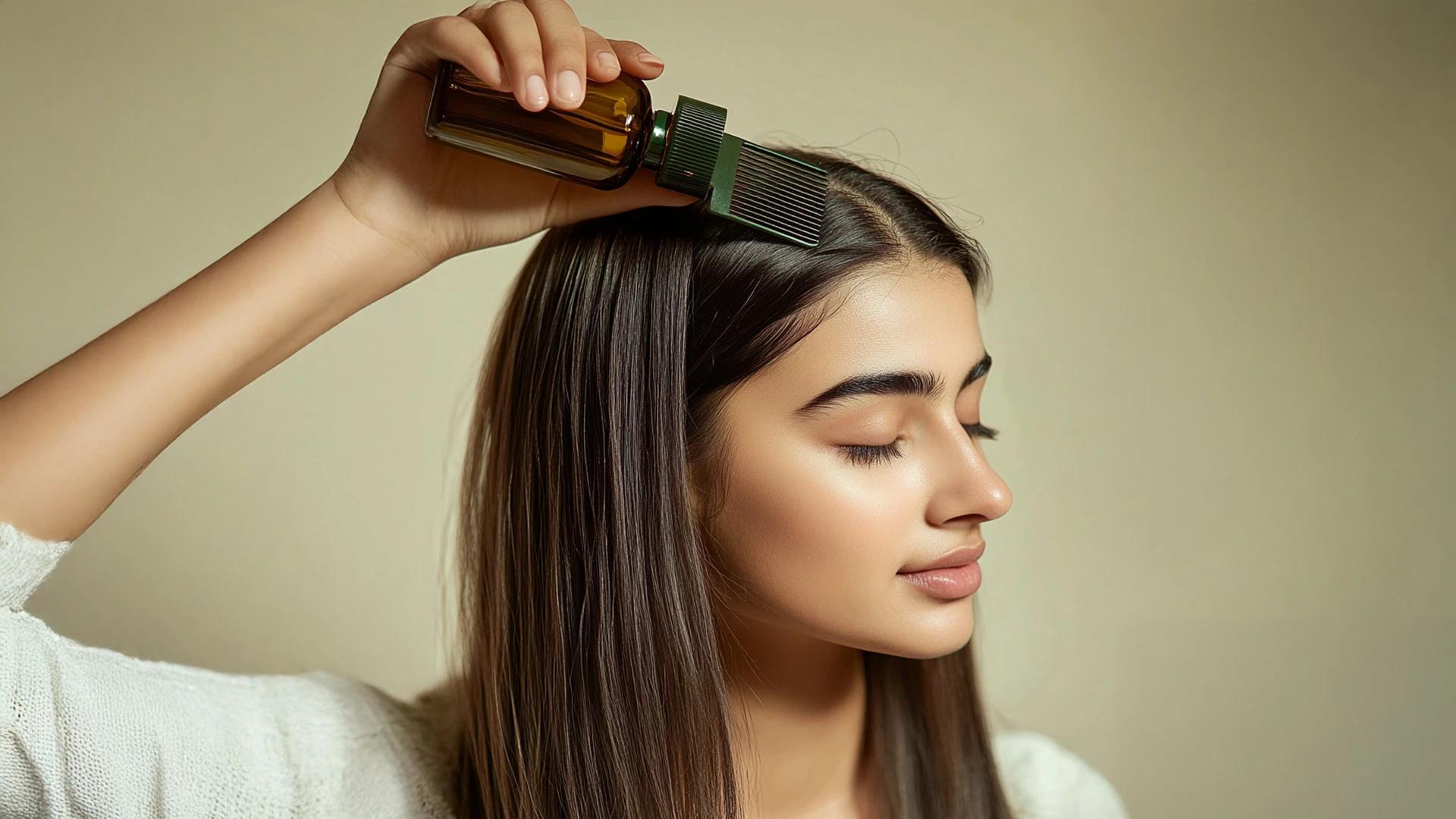

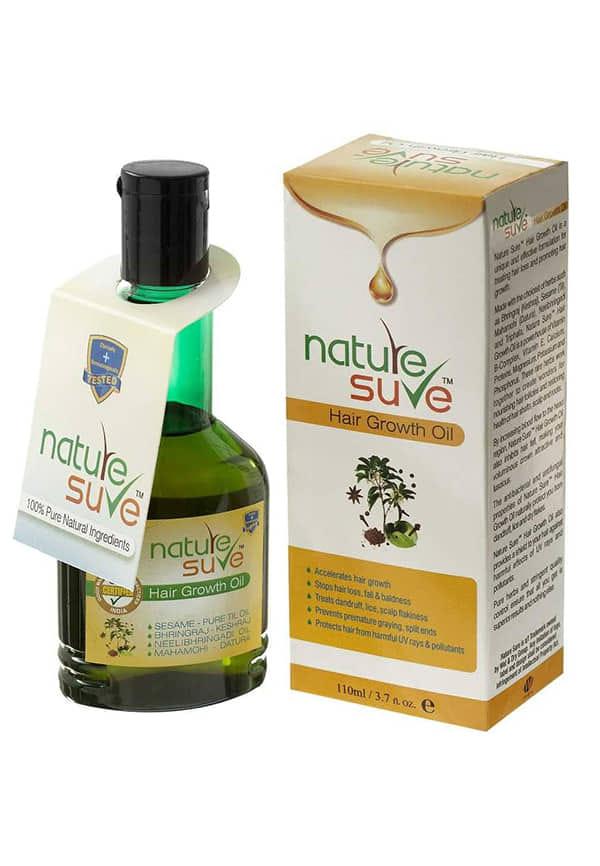
Hair Growth Oil for Darker and Stronger Hair in Men and Women
You know that moment when you're staring at your reflection, running your fingers through hair that feels more like straw than silk? We've all been there. Your hair's crying out for help, but the endless rows of hair oils at the store feel overwhelming. Coconut oil, argan oil, castor oil — which one's actually going to work for your specific hair situation? Let's be real, choosing the right oil shouldn't feel like solving a chemistry equation. Your hair deserves better than guesswork, and honestly, so do you.
Think of hair oils as your hair's personal bodyguard and nutritionist rolled into one. Natural hair oils don't just sit on top of your strands looking pretty — they actually get to work. These oils contain fatty acids that are small enough to slip between your hair's protective layers, delivering moisture and nutrients right where they're needed most. It's like giving your hair a drink of water from the inside out.
The magic happens at the molecular level. Different oils have different molecular structures, which means they behave differently on your hair. Some oils, like coconut oil, can actually penetrate the hair shaft because their molecules are tiny enough to squeeze through. Others, like argan oil, work more like a protective coating, sealing in moisture and blocking out damage.
Research shows that regular hair oil treatment can reduce protein loss by up to 40%. That's huge when you consider that protein loss is what makes hair weak, brittle, and prone to breakage. When you massage oil into your scalp, you're also boosting blood circulation, which means more nutrients reaching your hair follicles.
Dry, lifeless hair? Oils can help lock in moisture. Constant breakage? The right oil creates a protective barrier. Slow hair growth? Certain oils can actually stimulate your scalp and encourage healthier growth patterns. Even scalp issues like dandruff or irritation often improve with the right oil treatment.
Not all hair oils are created equal, and definitely not all of them will work for your hair type. Think of it like skincare — what works for your friend's oily skin might be a disaster for your dry skin. Same logic applies to your hair.
If you have fine hair, heavy oils are your enemy. They'll weigh your hair down faster than you can say "greasy roots." Argan oil for hair is your best friend here — it's packed with vitamin E and essential fatty acids but won't leave you looking like you haven't washed your hair in a week. Jojoba oil is another winner because it's technically not even an oil — it's a wax ester that mimics your scalp's natural sebum.
Lucky you if you have normal hair — you get to play with more options. Coconut oil for hair is probably the most versatile choice here. It's got the perfect balance of protein and moisture, plus it smells like a tropical vacation. Avocado oil brings serious conditioning power without being too heavy, while pomegranate seed oil adds antioxidant protection against environmental damage.
Thick, coarse, or damaged hair can handle — and actually needs — heavier oils. Castor oil might feel thick and sticky, but it's loaded with ricinoleic acid, which can help stimulate growth. Olive oil has been used for centuries because it can penetrate deeply and repair damage from the inside out.
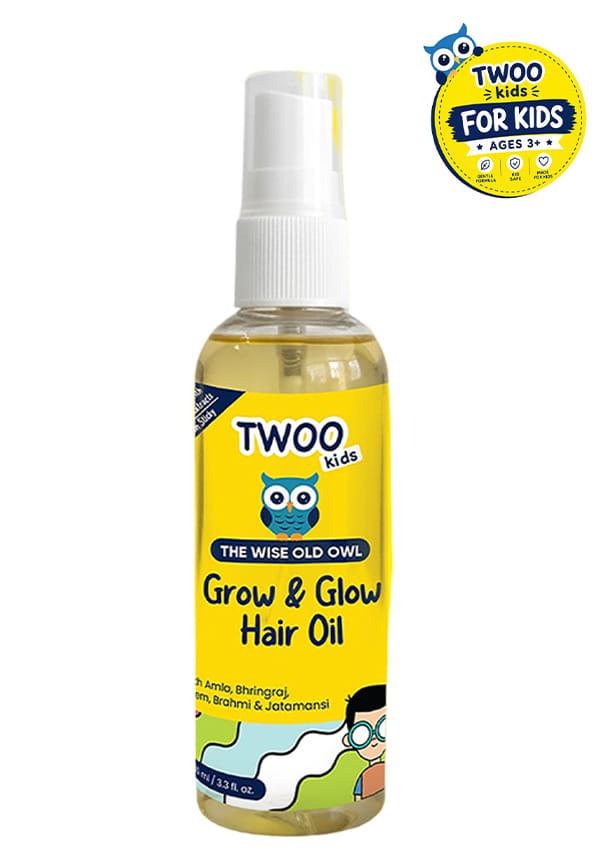
Grow & Glow Hair Oil
Let's talk about the oils that actually have science backing up their growth claims. Because while your grandmother's oil blend might smell amazing, you want something that's proven to work.
Rosemary oil is the superstar here. A 2015 study found that rosemary oil performed just as well as 2% minoxidil (that's the active ingredient in many hair growth treatments) when it came to increasing hair count. Peppermint oil showed even more impressive results in animal studies, increasing follicle depth by 92%. That tingling sensation you feel? That's increased blood flow bringing nutrients to your hair follicles.
Indian haircare has been onto something for thousands of years. Bhringraj oil, often called the "king of herbs" for hair, has been used traditionally to prevent premature greying and boost growth. Amla oil is loaded with vitamin C — more than oranges, actually — which helps with collagen production. Brahmi oil works on stress reduction, and since stress is a major cause of hair loss, this one's worth considering.
These oils work through different mechanisms. Some improve scalp circulation, bringing more nutrients to your follicles. Others have DHT-blocking properties — DHT is the hormone responsible for pattern baldness. The best oil for hair growth for you depends on what's causing your hair issues in the first place.
Damaged hair needs special attention, and the wrong oil can make things worse. Heat damage, chemical processing, and environmental stress all require different approaches.
Fine hair needs oils that absorb quickly and don't leave residue. Think lightweight formulas that disappear into your hair. Thick hair can handle heavier oils that provide intense moisture and protection. Curly hair tends to be drier by nature, so it benefits from oils that can penetrate the hair shaft and provide long-lasting moisture.
Dry hair is often high-porosity hair, meaning the cuticles are raised and moisture escapes easily. You need oils that can both penetrate and seal. Coconut oil is excellent for this because it can get inside the hair shaft, while something like argan oil can seal the cuticle afterward.
If you colour or chemically treat your hair, you need oils with UV protection and gentle, non-stripping formulas. Look for oils rich in antioxidants that can help repair the damage and protect against future harm.
Your scalp is where the magic happens — it's the soil where your hair grows. A healthy scalp means healthy hair, and scalp oil treatments are one of the best ways to maintain that health.
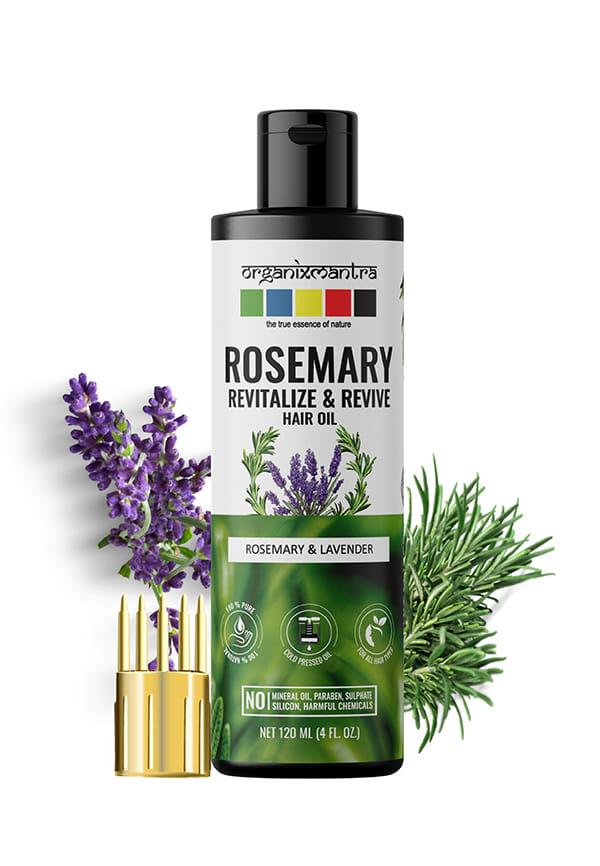
Rosemary & Lavender Revitalize & Revive Hair Oil | Natural Growth Enhancer120ML
Your scalp produces natural oils called sebum, but sometimes it produces too much or too little. Scalp oil treatments can help balance this production while addressing issues like dandruff, irritation, or poor circulation. A well-massaged scalp with the right oil can increase blood flow by up to 70%.
Pre-shampoo treatments work best for most people. Apply oil to your scalp 30 minutes to 2 hours before washing, massage gently with your fingertips (not nails), and let it work its magic. For overnight treatments, focus on the scalp and use a silk pillowcase to prevent oil transfer.
Mix a carrier oil like jojoba with a few drops of essential oils like rosemary or peppermint. A good ratio is 1 tablespoon of carrier oil to 2-3 drops of essential oil. Always patch test first — essential oils can be potent.
Application technique can make or break your hair oil experience. Too much oil, wrong timing, or poor distribution can leave you looking greasy instead of gorgeous.
This is where most people see the best results. Apply oil to damp (not soaking) hair, starting from mid-length to ends, then work up to the scalp if needed. Leave it on for 30 minutes to 2 hours. The slight moisture helps the oil distribute evenly and penetrate better.
Less is definitely more here. For shoulder-length hair, you need about a quarter-sized amount. Focus on the ends first — they're the oldest and most damaged part of your hair. Work your way up, avoiding the roots unless your scalp is very dry.
Once a week, treat your hair to an intensive oil mask. Mix your chosen oil with honey or aloe vera for extra conditioning power. Apply generously, cover with a shower cap, and let it work for 1-2 hours. Some people even sleep in oil masks, though this requires serious pillow protection.
Even the best oils can backfire if you're making these common mistakes. Let's make sure you're getting the most out of your hair oil routine.
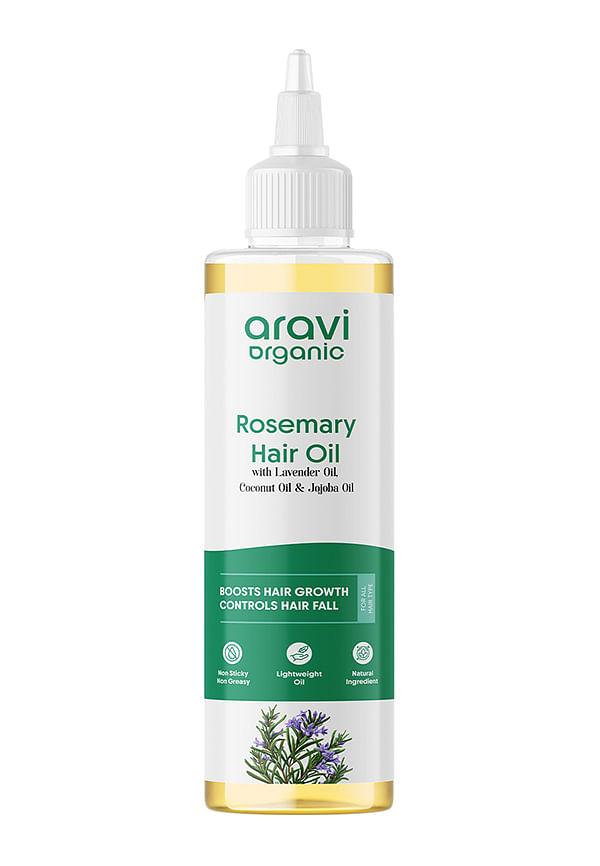
Rosemary Lavender Hair Growth Hair Oil
Over-oiling is probably the biggest mistake. More oil doesn't equal better results — it just equals greasy hair that's impossible to wash out. Using the wrong oil for your hair type is another biggie. Heavy oils on fine hair will weigh it down, while light oils on very damaged hair won't provide enough nourishment.
Cold-pressed oils retain more nutrients than refined ones. Organic certification matters because you don't want pesticide residues on your scalp. Store your oils in a cool, dark place — heat and light break down the beneficial compounds.
Oils and water-based products don't always play nice together. Apply oil first, then water-based serums. If you're using heat tools, make sure your oil has heat protection properties or apply a separate heat protectant.
The best oil depends entirely on your hair type and concerns. Fine hair benefits from lightweight options like argan or jojoba oil that won't weigh it down. Thick, dry hair can handle heavier oils like coconut or castor oil. For growth specifically, rosemary and peppermint oils show the strongest clinical evidence.
The seven essential hair oils that cover most hair needs are argan oil for nourishment, coconut oil for strengthening, jojoba oil for balance, castor oil for growth, olive oil for repair, avocado oil for deep moisturising, and grapeseed oil for lightweight protection. Each serves a different purpose in your haircare routine.
Rosemary oil has the strongest scientific backing for hair growth, with studies showing it performs as well as 2% minoxidil. Peppermint oil also shows impressive results, increasing follicle depth significantly. Castor oil, while lacking extensive clinical studies, has centuries of traditional use supporting its growth-promoting properties.
The most effective growth-promoting oils include rosemary, peppermint, castor, onion, bhringraj, amla, cedarwood, thyme, lavender, and clary sage oils. Each works through different mechanisms — some improve circulation, others block DHT, and some provide essential nutrients for follicle health.
Finding the best oils for hair isn't about following trends — it's about understanding your hair's unique needs and choosing oils that actually work for your specific situation. Whether you're dealing with dryness, damage, slow growth, or just want shinier hair, there's an oil (or combination of oils) that can help.
Remember, consistency matters more than perfection. Start with one oil that matches your primary concern, use it regularly for at least 6-8 weeks, and pay attention to how your hair responds. Your hair will tell you what it likes — you just need to listen.
Ready to start your hair oil journey but not sure which one to commit to? Smytten offers trial-size versions of many premium hair oils from trusted brands — a smart way to test what works for your hair before investing in full-size bottles. Because why settle for maybe when you can try it all and find your perfect match?
