How to Choose the Best Nutrients for Hair Growth

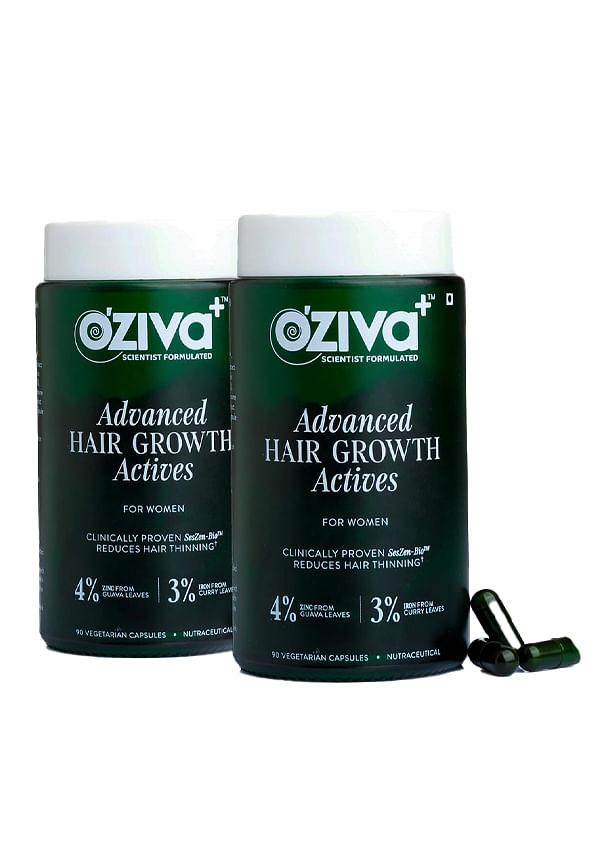
Advanced Hair Growth Actives | Anti-Thinning Hair Formula for Women
Good Product
 5
5“good product”
Good product, I like it
5“good product i like it it feels when I use it”
Nice Product
4“nice product.....thank you smytten”
Let's be real—your hair is basically a reflection of what's happening inside your body. If you've been wondering why your locks aren't as thick or strong as you'd like, the answer might be sitting right on your dinner plate. The best nutrients for hair aren't just trendy supplements you see on social media; they're science-backed essentials that your follicles actually crave. From the protein that builds each strand to the vitamins that keep your scalp healthy, getting your nutrition right is the foundation of gorgeous hair. Ready to discover which nutrients deserve a spot in your routine?
Your hair follows a pretty fascinating cycle that most of us never think about. Each strand goes through three phases: anagen (the growth phase), catagen (the transition), and telogen (the resting phase). During anagen, which lasts 2-7 years, your hair is actively growing and needs a steady supply of nutrients for healthy hair to thrive. Here's where it gets interesting—your hair follicles are some of the most metabolically active cells in your body. They're constantly dividing and creating new hair, which means they need a lot of energy and raw materials. When you're not getting enough of the right nutrients, your follicles are among the first to feel it.
When your body doesn't get enough essential nutrients, it goes into survival mode. Your hair isn't considered vital for survival, so nutrients get redirected to more important organs like your heart and brain. This is why hair growth supplements can be game-changers for people with deficiencies.
Not all supplements are created equal. Many generic formulas contain nutrients in forms your body can't easily absorb, or they're missing key co-factors that help with absorption. This is why understanding which specific nutrients your hair needs—and in what forms—makes all the difference.
When it comes to hair vitamins, some nutrients are absolute superstars. These vitamins work behind the scenes to support everything from hair structure to scalp health. Let's break down the best vitamins for hair growth that actually make a difference.
Biotin is probably the most famous hair vitamin, and for good reason. It's essential for keratin production—the protein that makes up your hair. Most people need about 30 micrograms daily, though you'll find many supplements containing much higher doses. Foods like eggs, nuts, and sweet potatoes are excellent natural sources.
This sunshine vitamin plays a crucial role in hair follicle health. Research shows that vitamin D deficiency is linked to hair loss conditions like alopecia. Your body can make vitamin D from sunlight, but many people need supplements, especially during winter months.
Vitamin C does double duty for your hair—it helps produce collagen (which strengthens hair) and improves iron absorption. Since iron deficiency is a major cause of hair loss, this vitamin is particularly important for people with low iron levels.
B6, B12, and folate work together to support cell division and energy production in hair follicles. Vegetarians and vegans often struggle with B12 deficiency, which can impact hair growth. These vitamins are found in leafy greens, legumes, and fortified foods.
Minerals might not get as much attention as vitamins, but they're equally important hair strengthening nutrients. These elements support everything from protein synthesis to hormone regulation—both crucial for healthy hair growth.
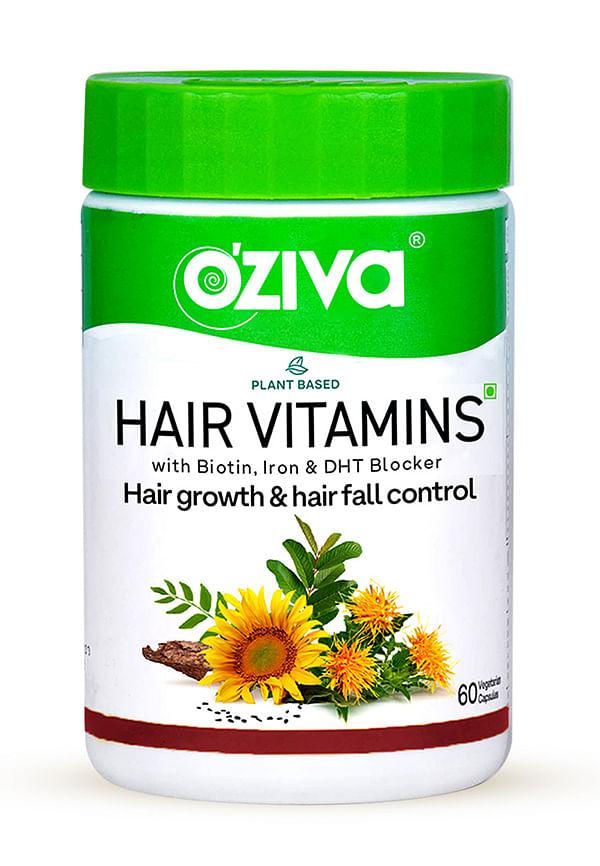
OZiva Plant Based Hair Vitamins | Hair Supplement For Growth & Hair Fall Control (60 Capsules)
Good Product for Hair
5“A very good product . Good for hair.”
Good Product for Hair
5“A very good product . Good for hair.”
Hair Vitamin Capsule Useful
5“Hair vitamin capsule is very useful.”
Iron deficiency is the most common nutritional cause of hair loss, especially in women. Iron helps carry oxygen to your hair follicles, and without enough, your hair can become thin and weak. The tricky part is that iron deficiency can occur even when your blood tests show "normal" levels—you might need to check your ferritin (stored iron) levels specifically.
Zinc is essential for protein synthesis and helps regulate hormones that affect hair growth. It's also involved in the oil glands around hair follicles. Signs of zinc deficiency include slow wound healing and changes in taste or smell.
This mineral protects your hair follicles from oxidative stress. However, selenium is one of those nutrients where more isn't better—too much can actually cause hair loss. Stick to recommended doses and focus on food sources like Brazil nuts and fish.
Copper helps produce melanin, the pigment that gives your hair its colour. It also supports collagen formation. Interestingly, too much zinc can interfere with copper absorption, which is why balanced supplementation matters.
Here's something that might surprise you—your hair is about 95% protein, specifically a protein called keratin. This means getting enough protein isn't just important for your muscles; it's absolutely essential for strong, healthy hair. When we talk about nutrients for healthy hair, protein tops the list. Your hair follicles need a steady supply of amino acids (the building blocks of protein) to create new hair strands. Without enough protein, your body will prioritise other functions, and your hair growth can slow down or stop altogether.
Some amino acids are particularly important for hair health. Cysteine and methionine are sulfur-containing amino acids that are crucial for keratin production. Lysine helps with iron absorption, while arginine improves blood circulation to the scalp.
Most adults need about 0.8 grams of protein per kilogram of body weight daily, but if you're trying to improve your hair health, you might benefit from slightly more. Aim for 50-60 grams of high-quality protein daily, spread throughout your meals.
Vegetarians and vegans can absolutely get enough protein for healthy hair growth. Quinoa, lentils, hemp seeds, and spirulina are excellent complete protein sources. Combining different plant proteins throughout the day ensures you get all essential amino acids.
While supplements can help fill gaps, getting your foods for hair health from whole food sources is ideal. Real food provides nutrients in forms your body recognises, plus beneficial compounds that supplements can't replicate. Let's explore the best diet for hair choices.
Eggs are basically nature's perfect hair food—they contain high-quality protein, biotin, and sulfur. Fatty fish like salmon provide protein plus omega-3 fatty acids that reduce inflammation. For plant-based options, try lentils, chickpeas, and quinoa.
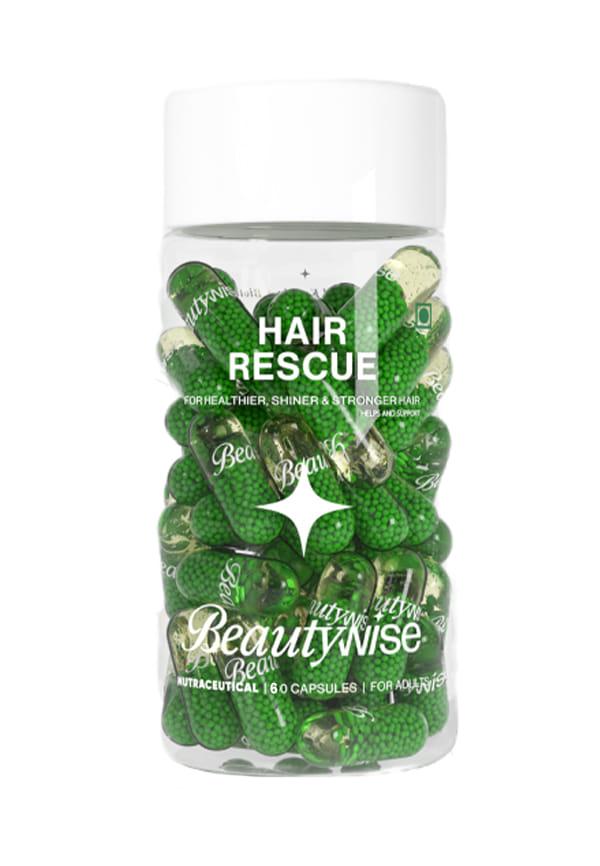
Hair Rescue, Hair Aminos, Vitamins, DHT Blocker for Hairfall Control & Growth
Good product, slow hair growth
4“good product but slow process of growth of hair”
Hair Improvement
5“my hair are improving day by day.”
Spinach and other dark leafy greens are excellent sources of iron, especially when paired with vitamin C-rich foods. Red meat provides easily absorbed heme iron, while vegetarians can rely on lentils, tofu, and fortified cereals.
These healthy fats keep your scalp and hair moisturised from the inside out. Fatty fish, walnuts, flaxseeds, and chia seeds are all excellent sources. If you're not eating fish regularly, consider an algae-based omega-3 supplement.
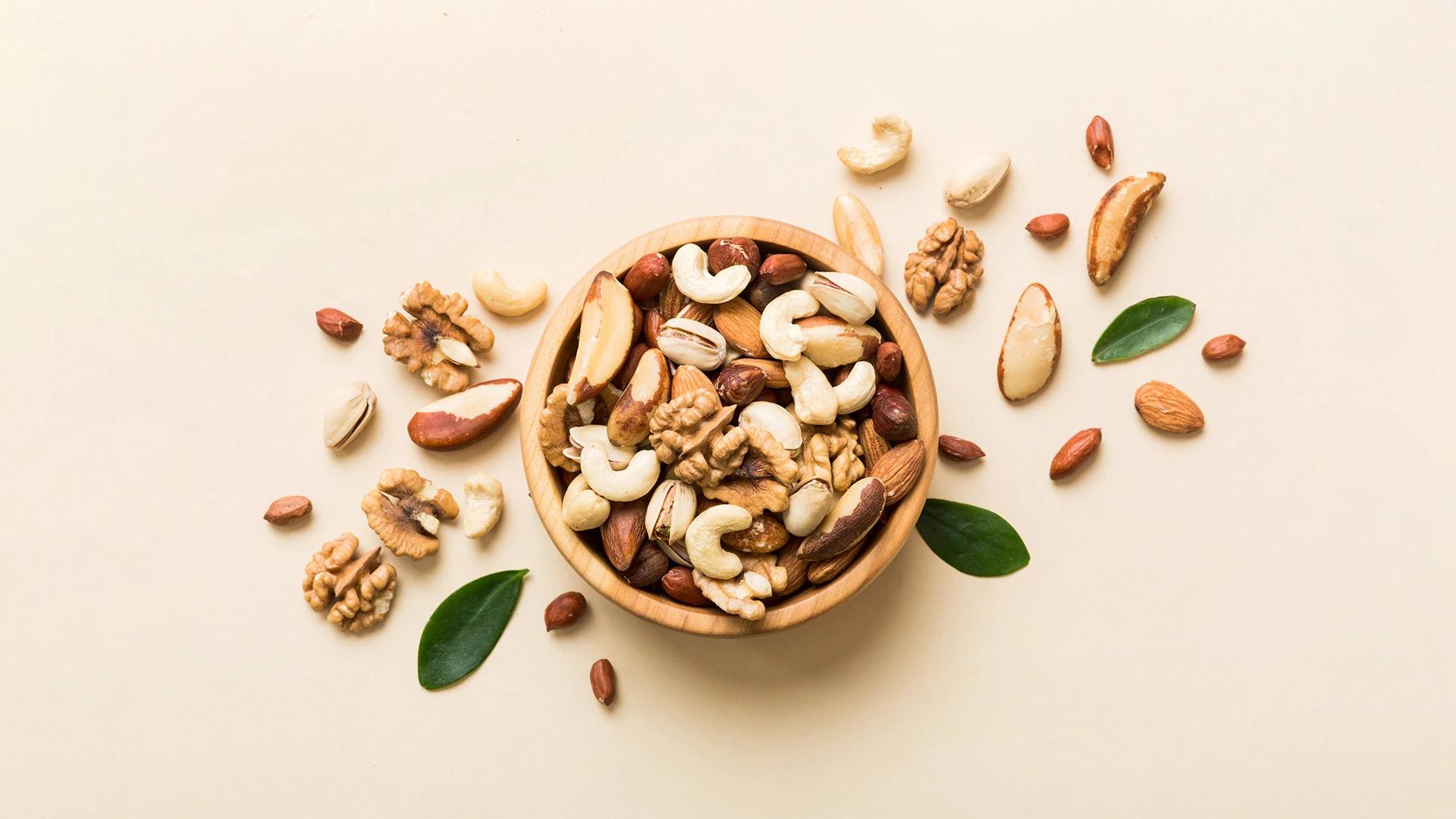
Nuts and seeds are fantastic sources of biotin, plus they provide healthy fats and protein. Sweet potatoes, avocados, and mushrooms also contain good amounts of this important vitamin.
Berries, leafy greens, and colourful vegetables provide antioxidants that protect your hair follicles from damage. These foods also often contain vitamin C, which helps with iron absorption and collagen production.
If you're considering hair growth supplements, knowing how to choose quality products can save you money and disappointment. The supplement industry isn't heavily regulated, so you need to be a smart consumer. First, look for third-party testing certifications. These ensure that what's on the label is actually in the bottle. Avoid products making outrageous claims like "grow 6 inches in 30 days"—hair typically grows about half an inch per month, and that's with optimal nutrition.
The form of nutrients in supplements affects how well your body can use them. For example, chelated minerals are bound to amino acids, making them easier to absorb. Methylated B vitamins are more active forms that some people process better.
Sometimes targeted supplementation works better than generic hair vitamins. If you know you're deficient in iron or vitamin D, addressing those specific issues might be more effective than taking a general hair supplement.
More isn't always better with supplements. Fat-soluble vitamins (A, D, E, K) can build up in your body and cause problems in high doses. Always stick to recommended dosages unless working with a healthcare provider. This is where platforms like Smytten become incredibly valuable. With over 1,500 trusted brands and the ability to try products before committing to full sizes, you can explore different hair care nutrients and supplements without the financial risk. Getting up to 8 trial minis for just ₹249 means you can test various approaches to find what works for your hair.
Now that you understand the best nutrients for hair, it's time to create a plan that works for your lifestyle and needs. Everyone's nutritional requirements are different, so what works for your friend might not be perfect for you. Start by honestly assessing your current diet. Are you getting enough protein? Do you eat a variety of colourful fruits and vegetables? Are there any food groups you avoid? This self-assessment helps identify potential gaps.
If you're experiencing significant hair loss or thinning, consider getting blood tests to check for deficiencies. Tests for iron/ferritin, vitamin D, B12, and thyroid function can provide valuable insights.

Hair Revive | Plant Based Biotin | Promotes Healthy Hair and Fights Hair Fall
Don't try to change everything at once. Start by adding one or two nutrient-rich foods to your daily routine. Maybe that's having eggs for breakfast twice a week or adding a handful of nuts to your afternoon snack.
Hair growth is a slow process, so patience is key. You might notice improvements in hair texture and strength within 6-8 weeks, but significant length and thickness changes can take 3-6 months of consistent nutrition.
While nutrition is fundamental, it works best when combined with proper hair care practices. Gentle cleansing, regular conditioning, and protecting your hair from heat damage all support the work your nutrients are doing from the inside.
The best nutrition for hair includes adequate protein (50-60g daily), B vitamins (especially B6, B12, and folate), iron, zinc, and omega-3 fatty acids. Vegetarians should pay special attention to B12 and iron intake from fortified foods or supplements.
Hair loss is commonly linked to deficiencies in iron, vitamin D, biotin, or zinc. However, multiple factors can cause hair loss, so comprehensive testing and professional evaluation are recommended for accurate diagnosis.
Foods rich in protein (eggs, fish), iron (spinach, lentils), biotin (nuts, seeds), and omega-3s (salmon, walnuts) support hair thickness. Collagen-rich foods and vitamin C sources also promote hair structure.
Anti-inflammatory foods like fatty fish, leafy greens, berries, and nuts help reduce hair fall. Foods high in iron, zinc, and B vitamins also strengthen hair follicles and reduce excessive shedding.
You might notice improvements in hair texture and strength within 6-8 weeks of consistent nutrition changes. However, significant improvements in thickness and length typically take 3-6 months, as hair grows slowly and needs time to reflect nutritional improvements.
Supplements can help fill nutritional gaps, but they work best alongside a balanced diet rich in whole foods. Real food provides nutrients in forms your body recognises easily, plus beneficial compounds that supplements can't replicate.
Choosing the best nutrients for hair doesn't have to be overwhelming. Focus on getting adequate protein, iron, B vitamins, and omega-3 fatty acids through a varied diet rich in whole foods. If you suspect deficiencies, targeted supplementation can help, but remember that consistency is more important than perfection. Your hair is a long-term investment, and the nutrition choices you make today will show up in your strands months from now. Whether you're exploring new supplements through trial sizes or incorporating more nutrient-dense foods into your meals, every small step counts towards stronger, healthier hair. After all, why settle for 'maybe' when you can discover what truly works for your unique needs?
