How to Choose the Best Hair Oil to Stop Hair Fall
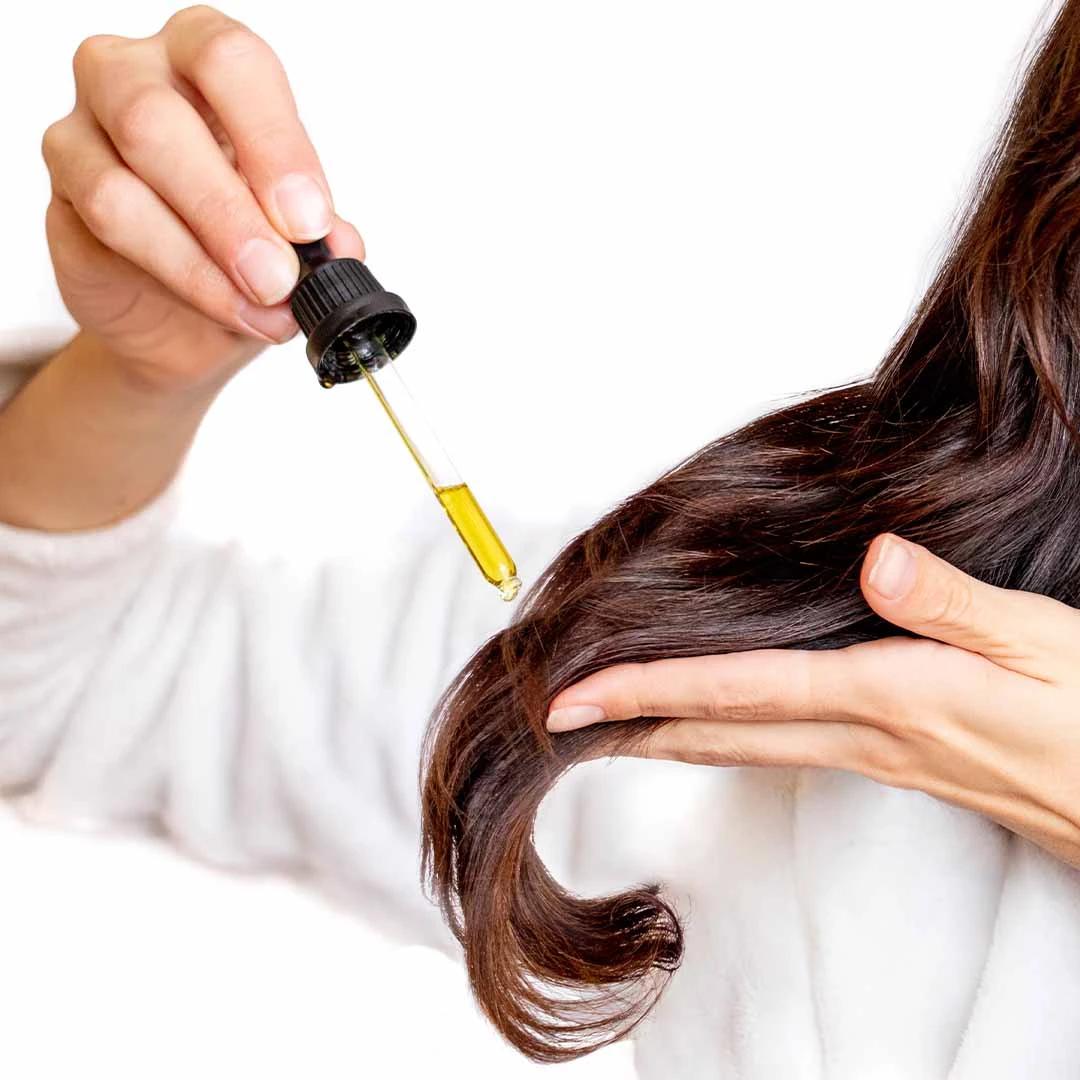

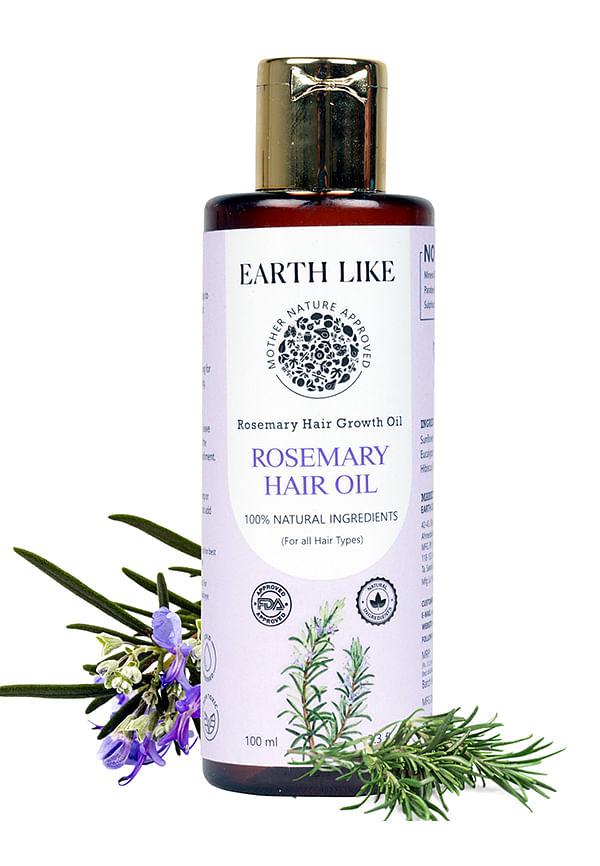
Rosemary Hair Growth Oil – Reduces Hair Fall & Strengthens Roots
Best Product from Smytten
 5
5“cost is the best and best product from smytten application”
Strong Scent with Dropper
4“The smell is very powerful and also comes with a dropper”
Heavy Smell, Cooling Effect
4“heavy smell,but cooling effect”
Let's be real—watching your hair fall out can feel like watching your confidence drain away too. Whether you're finding clumps in the shower drain or noticing your ponytail getting thinner, the search for the best hair oil to stop hair fall becomes pretty urgent. But here's the thing: not all hair oils are created equal, and what works for your mate might not work for you. The good news? With the right knowledge and approach, you can find a hair oil for hair loss that actually makes a difference. Let's dive into everything you need to know about choosing an oil that'll help you keep more hair on your head and less on your pillow.
Before we jump into which oils to try, it's worth understanding why your hair is falling out in the first place. Hair fall happens for loads of reasons—stress, hormones, genetics, poor diet, or even just using the wrong products. When your hair follicles aren't getting enough nutrients or when your scalp is inflamed, your hair becomes weak and starts breaking or falling out. This is where hair strengthening oil comes into play. Good hair oils work by nourishing your scalp, improving blood circulation, and delivering essential nutrients directly to your hair follicles. Think of it as giving your hair roots a proper meal after they've been surviving on scraps.
Not all oils can actually get through to your hair follicles. Some just sit on top of your scalp looking shiny but doing nothing useful. The best oils have smaller molecular structures that can penetrate your scalp and deliver nutrients where they're needed most.
Research shows that certain oils can actually stimulate hair growth by improving blood flow to your scalp and providing essential fatty acids that your hair follicles need to stay healthy. It's not magic—it's just good nutrition for your scalp.
Now for the good stuff—which oils should you actually be looking for? Here are the ones with real science backing them up, not just Instagram hype.
This one's got serious credentials. Studies show rosemary oil can be as effective as some medical treatments for hair loss. It works by improving circulation and has anti-inflammatory properties that keep your scalp healthy. Plus, it smells pretty lovely too.
Castor oil is packed with ricinoleic acid, which has anti-inflammatory properties and helps improve blood flow to your scalp. It's quite thick, so it's brilliant for hair oil for damaged hair that needs some serious TLC.
Technically a wax, jojoba oil mimics your scalp's natural oils perfectly. This makes it ideal as a scalp nourishing oil because it doesn't clog pores but still delivers moisture and nutrients where needed.
Loaded with vitamin E and antioxidants, argan oil helps repair damaged hair and protects against further damage. It's lighter than castor oil, making it perfect for fine hair that gets weighed down easily.
Coconut oil is brilliant at preventing protein loss from your hair, which is crucial for keeping strands strong. It penetrates hair better than most other oils, making it a solid choice for hair oil for breakage.
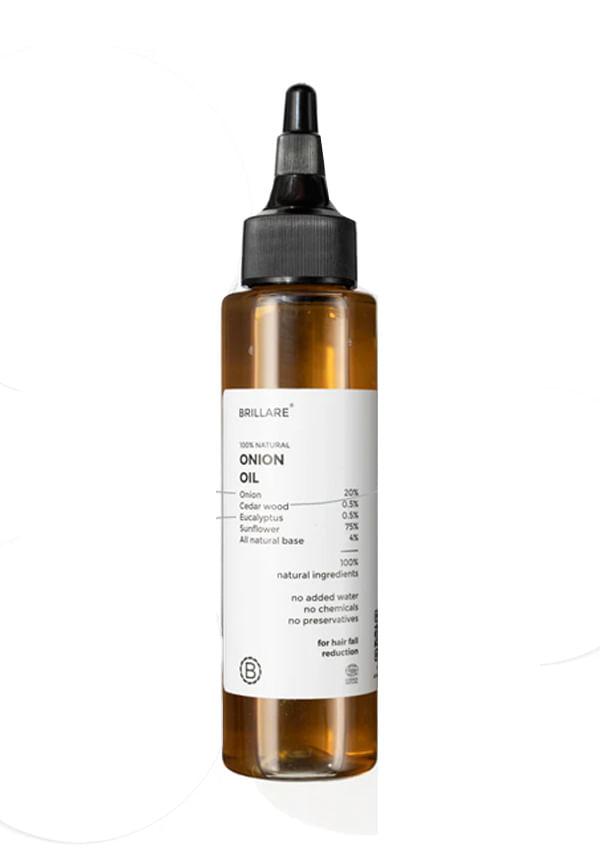
Onion Oil For Hair Fall Reduction
Good and nice product
5“good 👍👍its good and nice too”
Good and nice product
5“good 👍👍its good and nice too”
Good and nice product
5“good 👍👍its good and nice too”
This one's a bit tingly but worth it. Peppermint oil increases blood flow to your scalp, which can help stimulate hair growth. Always dilute it with a carrier oil though—straight peppermint oil is way too strong.
When you're shopping for a hair fall control oil, the ingredient list is your best friend. Here's what to look for and what to avoid.
Look for oils that contain biotin, keratin, or essential fatty acids. These nutrients help strengthen your hair from the inside out. Natural extracts like bhringraj, onion seed extract, or saw palmetto are also worth seeking out—they've got traditional use and some modern research backing them up.
The base oil matters just as much as the active ingredients. Good carrier oils like sweet almond, grapeseed, or safflower oil help deliver nutrients effectively without clogging your pores.
Steer clear of oils with sulfates, parabens, or synthetic fragrances. These can irritate your scalp and actually make hair fall worse. If you've got sensitive skin, fragrance-free options are your safest bet.
Not all hair is the same, so your best oil for thinning hair depends on what you're working with. Here's how to match your hair type with the right oil.
If your hair is naturally fine, heavy oils like castor oil might weigh it down and make it look greasy. Stick to lighter options like jojoba, argan, or grapeseed oil. These will nourish without the weight.
Your hair can handle heavier oils, so go for it. Castor oil, coconut oil, or rich blends will give you the deep nourishment your hair craves without looking greasy.
If your hair has been through the wars with colouring, heat styling, or chemical treatments, you need oils with serious repairing power. Look for protein-rich formulations or oils high in vitamins and antioxidants.
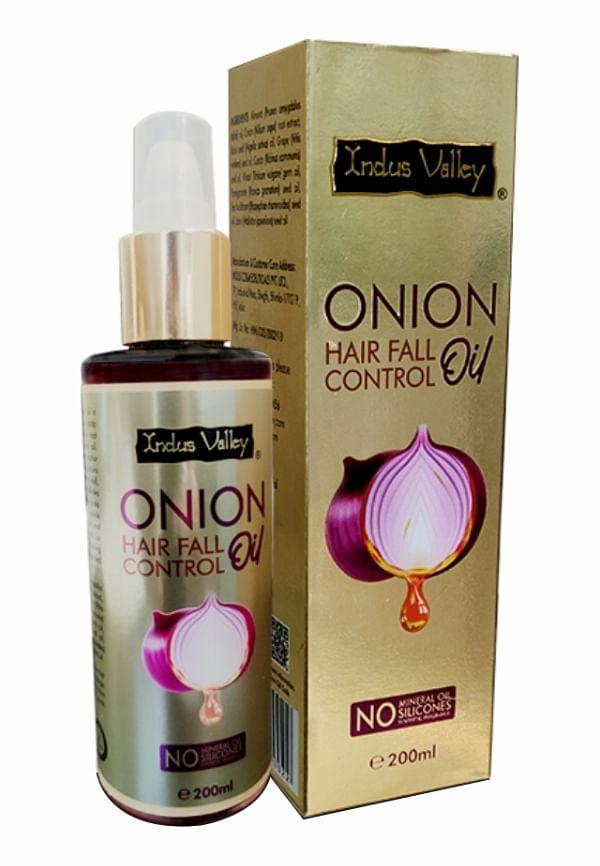
Onion Hair Fall Control Oil
Stick to gentle, hypoallergenic oils without added fragrances or essential oils. Pure jojoba or sweet almond oil are usually safe bets for sensitive skin.
Having the right hair revitalizing oil is only half the battle—you need to use it properly to see results. Here's how to get the most out of your oil treatments.
Apply oil to your scalp and hair about 2-3 hours before washing. This gives the oil time to penetrate without leaving you looking like you've dunked your head in a chip pan.
Don't just slap the oil on and hope for the best. Use your fingertips to massage the oil into your scalp in circular motions. This improves blood circulation and helps the oil penetrate better.
For seriously damaged hair, overnight treatments can work wonders. Just make sure to protect your pillowcase and don't do this more than once a week—your hair needs time to breathe too.
For most people, 1-2 times per week is plenty. Daily oiling can actually clog your pores and make your scalp produce less of its own natural oils. With so many options available, finding the right hair oil doesn't have to be a guessing game. Smytten, India's largest product discovery platform, lets you try different hair oils through curated trial packs before committing to full-size purchases. With over 1,500 trusted brands and trial minis available for just ₹249, you can explore various natural hair growth oil options to find what works best for your hair type.
You've probably seen loads of DIY hair oil recipes floating around social media. But are they actually better than store-bought options?
Making your own oil blends means you know exactly what's going into them. You can customise the ingredients for your specific needs and it's often more budget-friendly. Plus, there's something quite satisfying about mixing up your own treatments.
Store-bought oils often have standardised concentrations of active ingredients and undergo quality testing. They also have proper preservation systems, so they last longer without going rancid.
Whether you go DIY or commercial, proper storage is crucial. Keep oils in dark, cool places and check expiry dates. Rancid oil won't just smell awful—it can actually damage your hair.
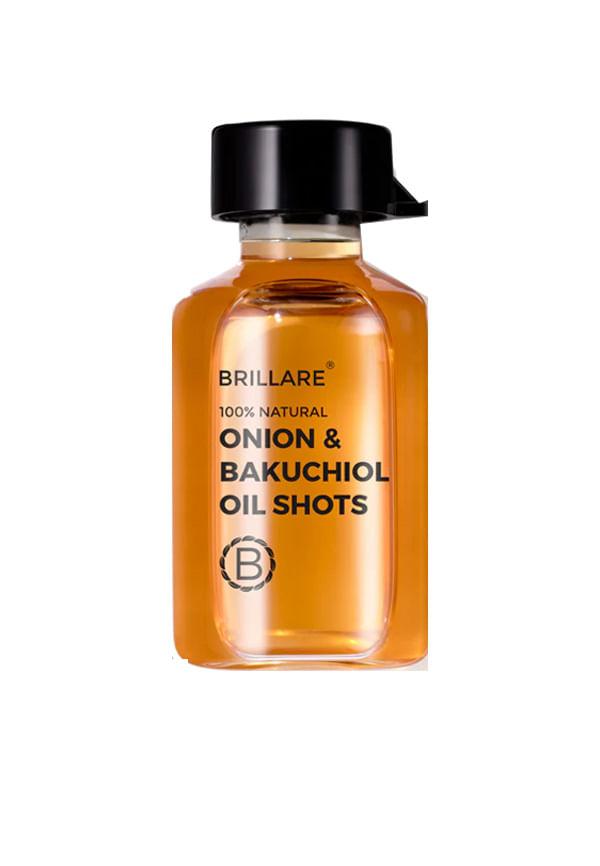
Onion & Bakuchiol Oil Shots For Hair Fall Reduction
Temporary hair fall relief
5“I used the oil shots for 15 days and I saw results within a week. My hair fall had reduce significantly but after I finished the course I noticed the same hair fall again.”
Very good product
5“very good product 😀👍 very good product”
Love this brand
5“love this brand it's good 😊and effective”
Let's set realistic expectations here. Hair growth is slow, and reversing hair fall takes time. Don't expect overnight miracles.
Most people start noticing less hair fall within 4-6 weeks of consistent use. Visible improvement in hair thickness and growth usually takes 8-12 weeks. Remember, hair grows about half an inch per month, so patience is key.
Take photos from the same angles in the same lighting every few weeks. It's easier to see progress when you can compare photos rather than relying on daily mirror checks.
If you're losing more than 100 hairs per day, have sudden bald patches, or notice your scalp becoming inflamed, it's time to see a dermatologist. Sometimes hair loss needs medical intervention, not just oil treatments.
Rosemary oil has the strongest research backing, showing significant improvement in hair growth studies. However, the best oil for you depends on your hair type and specific concerns.
Most people notice reduced hair fall within 4-6 weeks of consistent use. Significant improvement in hair thickness typically takes 8-12 weeks of regular application.
Hair oils can strengthen existing hair and reduce breakage, but they cannot regrow hair from completely dormant follicles. They're most effective for preventing further loss and improving existing hair density.
Apply 2-3 hours before washing for best absorption, or use as an overnight treatment 1-2 times per week. Avoid daily application as it can clog pores.
Not necessarily. Some simple, single-ingredient oils like coconut or jojoba can be just as effective as expensive blends. Focus on ingredients rather than price tags.
Finding the best hair oil to stop hair fall isn't about following trends or buying the most expensive option. It's about understanding your hair type, choosing oils with proven ingredients, and using them consistently. Whether you opt for tried-and-tested options like rosemary or coconut oil, or explore newer formulations, the key is patience and proper application. Remember, hair health is a marathon, not a sprint. With the right oil and realistic expectations, you can definitely improve your hair's strength and reduce fall. And if you're not sure where to start, platforms like Smytten make it easy to try different options without the commitment of full-size purchases. After all, why settle for maybe when you can try it all and find what actually works for your hair?
