How to Choose the Best Hair Oil for Your Hair Type
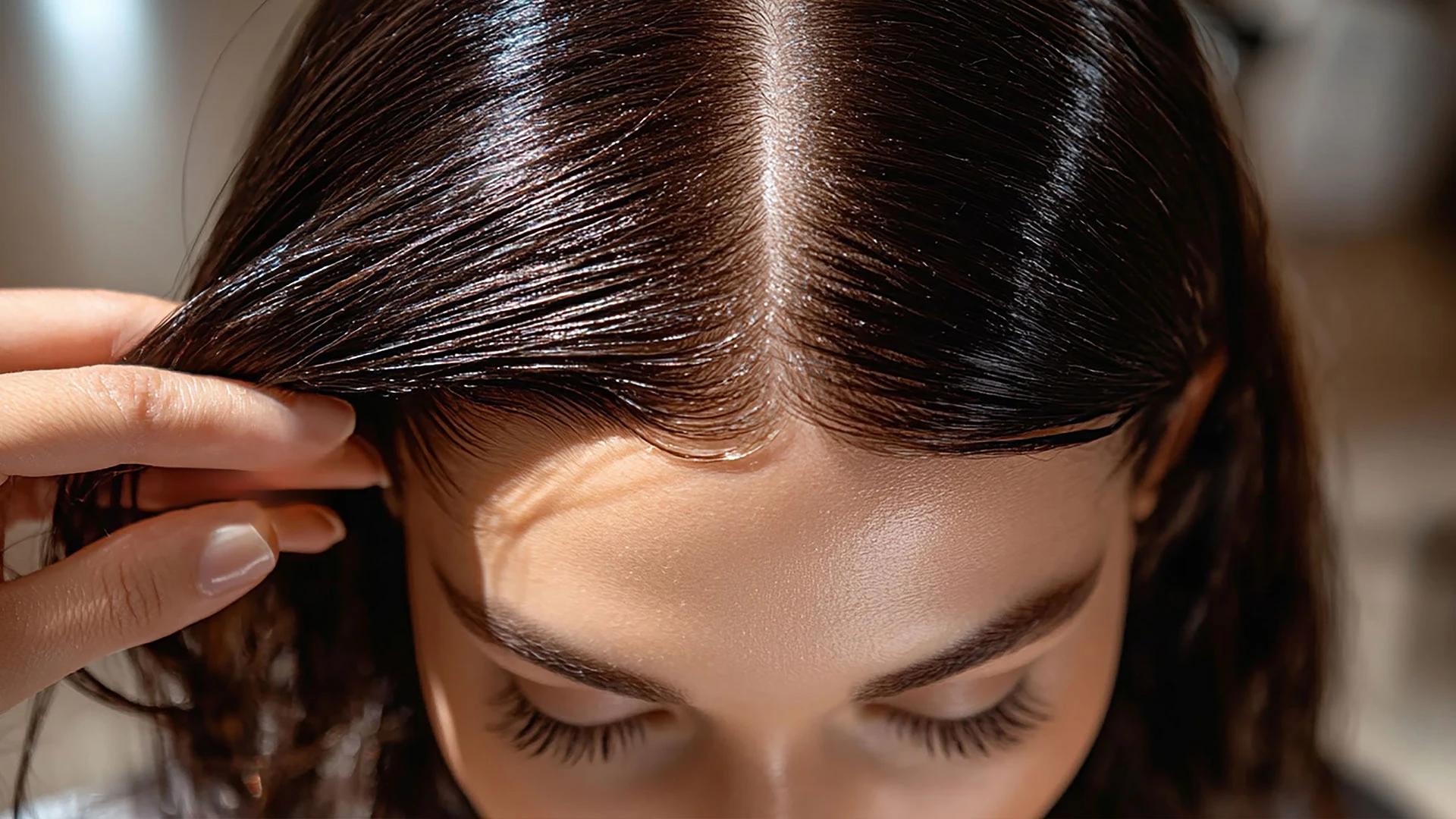

Let's be real—walking down the haircare aisle can feel like navigating a maze. Rows upon rows of bottles promising everything from Rapunzel-length locks to salon-worthy shine. But here's the thing: not every oil works for every hair type, and finding the best hair oil for your specific needs doesn't have to be a guessing game. Whether you're dealing with dry, damaged strands or dreaming of faster growth, the right oil can be a total game-changer. Think of this as your friendly guide to cutting through the noise and finding your perfect match—no trial and error drama required.
Before diving into which oil belongs in your routine, let's chat about why hair oil benefits are worth the hype. Your hair is basically like a sponge—it can absorb moisture, but it can also lose it just as quickly. The right oil acts like a protective shield, locking in hydration whilst creating a barrier against environmental nasties like pollution and UV rays.
Here's where it gets interesting. Different oils have different molecular weights, which basically means some can actually penetrate your hair shaft whilst others just sit on top. Coconut oil, for instance, has a low molecular weight, so it can slip right into your hair's cortex and work from the inside out. Meanwhile, heavier oils like olive oil tend to coat the hair, which is brilliant for protection but might feel too heavy for fine hair types.
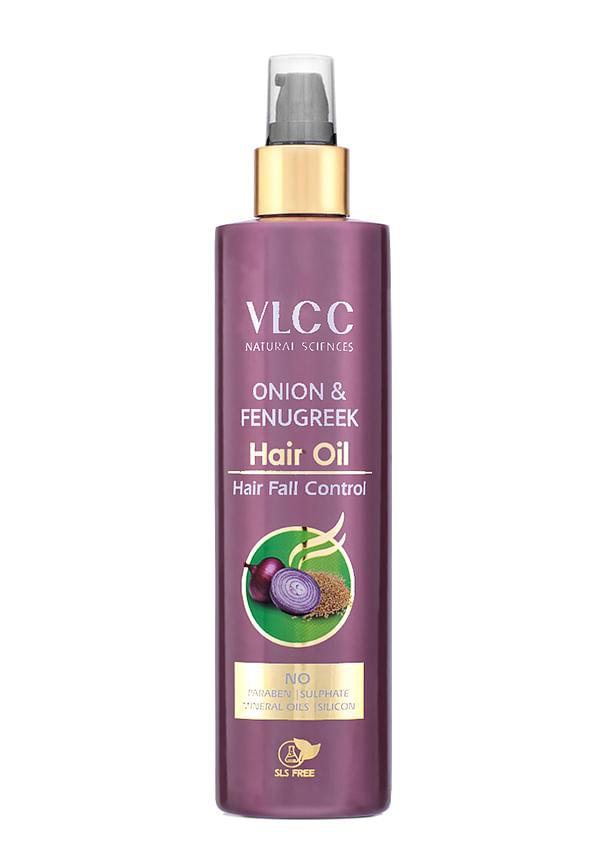
Onion & Fenu Greek Hair Oil
The beauty of a good hair oil treatment lies in its versatility. Here's what the right oil can do for you:
Moisture retention: Seals the hair cuticle to prevent water loss
Scalp health: Nourishes hair follicles and improves circulation
Damage repair: Fills in microscopic gaps in damaged hair
Growth support: Creates optimal conditions for healthy hair development
Frizz control: Smooths the cuticle for sleeker strands
Not all oils are created equal, and understanding the different types of hair oil can help you make smarter choices. Think of it like choosing between fast fashion and investment pieces—both have their place, but knowing the difference matters.
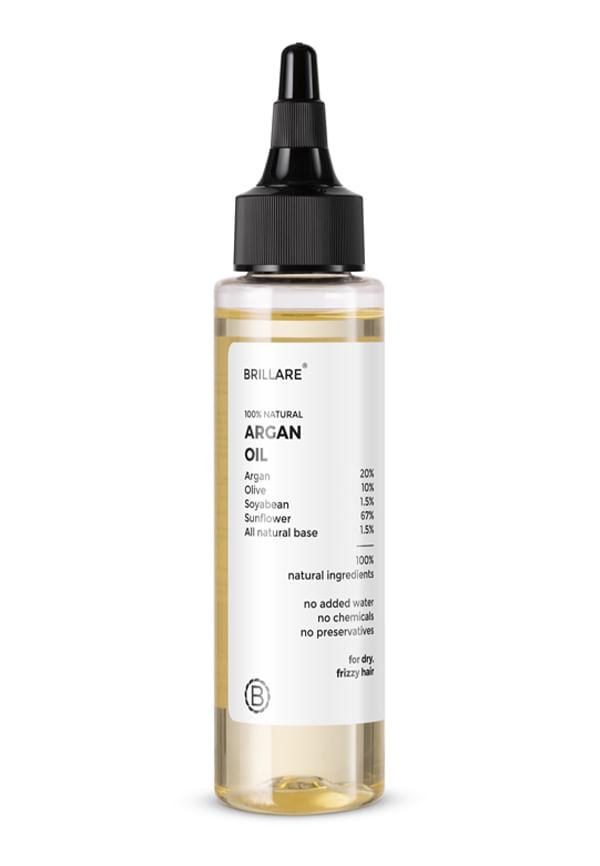
Argan Oil For Dry, Frizzy Hair
Instant Result Product
 4
4“Nice product Gives instant result ”
Refreshing Smell, Amazing Feel
4“it smells is really refreshing and feels amazing”
Refreshing Smell, Amazing Feel
4“it smells is really refreshing and feels amazing”
Natural hair oil options fall into several camps. Single-ingredient oils like coconut, argan, and castor are the classics—pure, simple, and effective. Then you've got herbal-infused varieties where traditional ingredients like amla or bhringraj are combined with carrier oils. Essential oil blends are another category entirely, offering targeted benefits through concentrated plant extracts.
When shopping for organic hair oil, look for proper certifications—not just fancy packaging with green leaves. Organic oils are processed without synthetic pesticides or chemicals, which often means better quality and fewer irritants. Yes, they might cost a bit more, but your scalp (and the planet) will thank you.
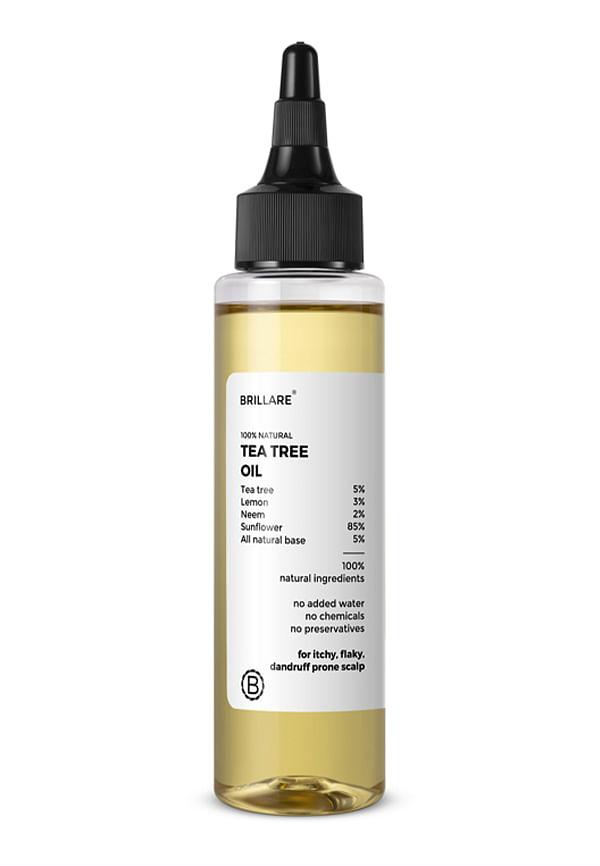
Tea Tree Hair Oil For Dandruff Control
Lightweight Hair Oil
5“light weight oil super my hair”
Dandruff Relief
5“relieves dandruff from the first time”
Nice Smell
5“its very nice and smells too good”
Smart hair oil ingredients include vitamin E for antioxidant protection, omega fatty acids for nourishment, and natural proteins for strength. Skip anything with sulfates, parabens, or synthetic fragrances—these can actually strip your hair of its natural oils, defeating the whole purpose.
Here's where things get personal. Your hair type isn't just about whether it's straight or curly—it's about porosity, thickness, and what your strands actually need to thrive. Let's break it down by specific concerns.
If your hair feels like straw and drinks up moisture faster than you can say "hydration," you need the heavy hitters. Hair oil for dry hair should be rich and deeply nourishing. Argan oil is your friend here—it's packed with vitamin E and fatty acids that penetrate deeply. Macadamia oil is another winner, offering intense moisture without the greasy feel.
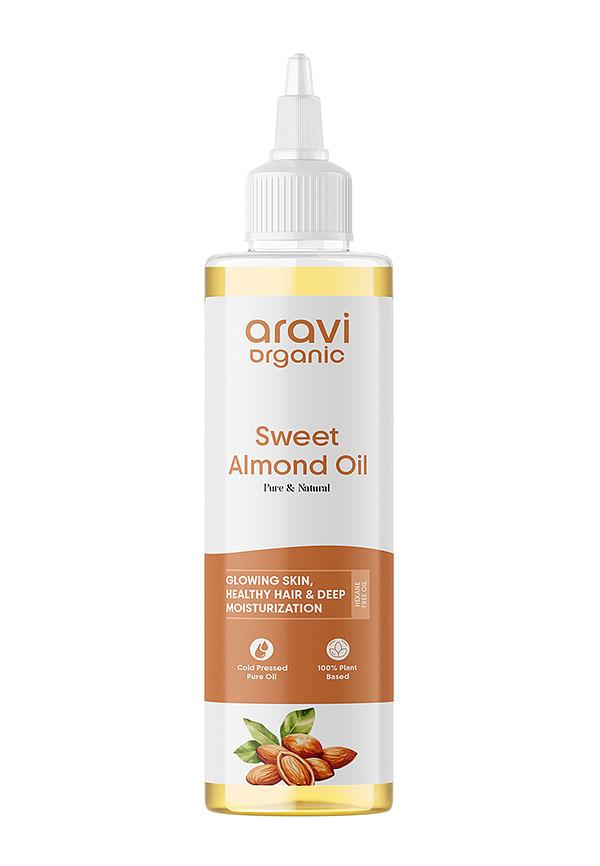
Pure Almond Carrier Oil
Good Price and Quality
4“reasonable price and quality is good”
Good for low porosity hair
4“very good for low porosity hair”
Positive Product Experience
5“very good products...... 👌👌👌👌👌👌👌 I just like it......... 😍😍😍😍”
Chemically treated or heat-damaged hair needs serious TLC. Hair oil for damaged hair should focus on protein and repair. Look for oils infused with keratin or silk proteins. Coconut oil is brilliant here because it can actually reduce protein loss during washing—pretty clever, right?
Want to boost your growth game? Hair oil for growth is all about stimulating your scalp and creating the perfect environment for new strands. Rosemary oil (properly diluted) has actual clinical studies backing its growth-promoting properties. Castor oil is another superstar, thanks to its ricinoleic acid content that improves circulation.
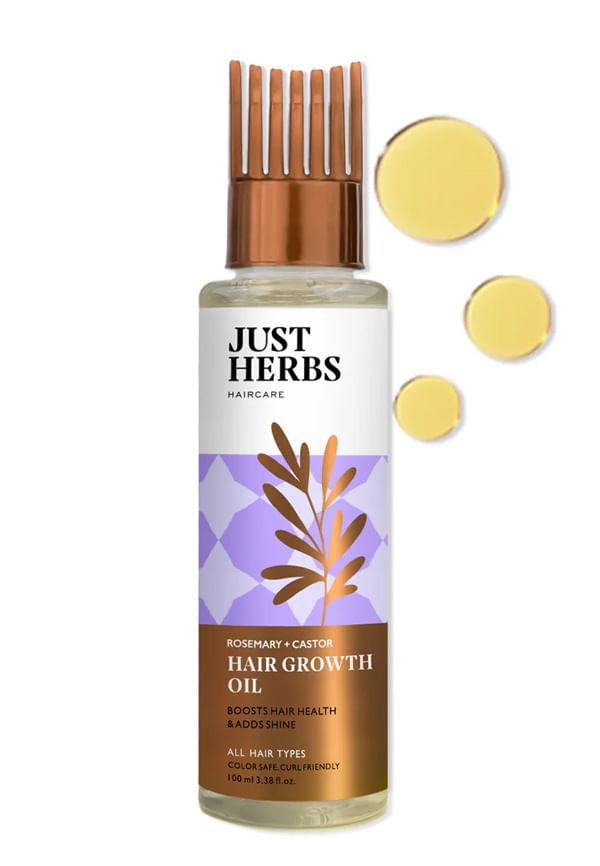
Hair Growth Oil with Rosemary and Castor
Product works well
4“it works ♥️♥️♥️♥️♥️♥️♥️♥️♥️♥️♥️♥️♥️”
Great Hair Growth Oil
5“superb oil with natural ingredients which boosts the hair growth”
Good Ingredient Combination
5“nice combination of rosemary and castor”
Fine hair needs lightweight options that won't weigh it down. Jojoba oil is technically a wax, so it mimics your natural sebum without the heaviness. Grapeseed oil is another great choice. Thick, coarse hair can handle richer oils like coconut or olive oil that provide serious moisture and control.
Having the right oil is only half the battle—knowing how to use it properly makes all the difference. Think of it like cooking: you can have the best ingredients, but technique matters just as much.
Start with slightly damp hair for better absorption, and always do a patch test if you're trying something new. Your scalp will tell you if it's happy or not—listen to it. Warm the oil slightly between your palms; this helps with distribution and feels rather lovely too.
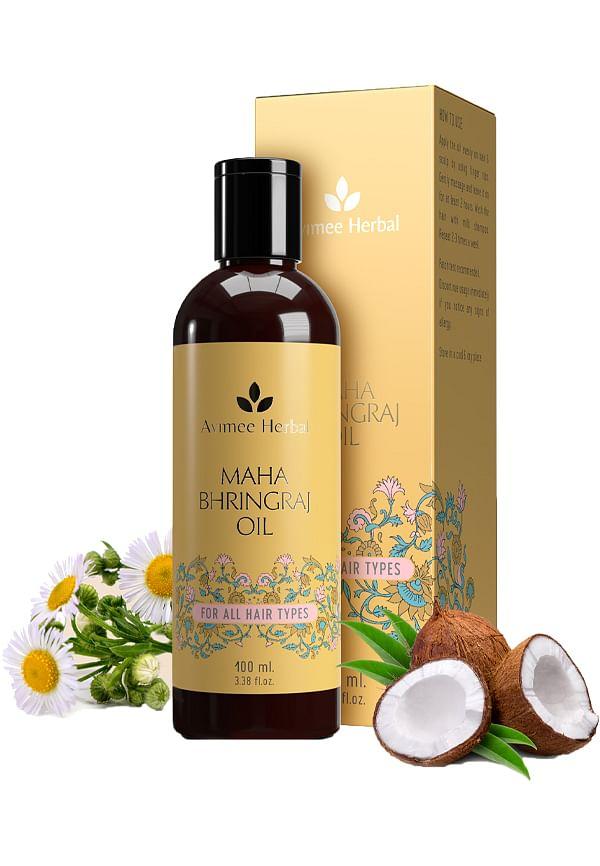
Mahabhringraj Hair Oil
Excellent Fragrance
5“this product is very good product and has good fragrance”
Excellent Value
5“Great product and Value for money”
Amazing Oil
5“it's too good amazing oil I love it”
For scalp oil treatments, focus on gentle massage using your fingertips, not your nails. Work in small sections and take your time—this isn't a race. For length and ends, apply oil from mid-shaft down, avoiding the roots if you have fine or oily hair. Overnight treatments are brilliant for deep conditioning, but wrap your hair in a silk scarf or use an old pillowcase.
Less is more when it comes to hair oil. Start with a small amount—you can always add more. Using too much oil or applying it to dirty hair can leave you looking like you haven't washed in weeks. Also, don't forget to properly remove the oil with a gentle shampoo; leaving residue can actually attract dirt and make your hair look dull.
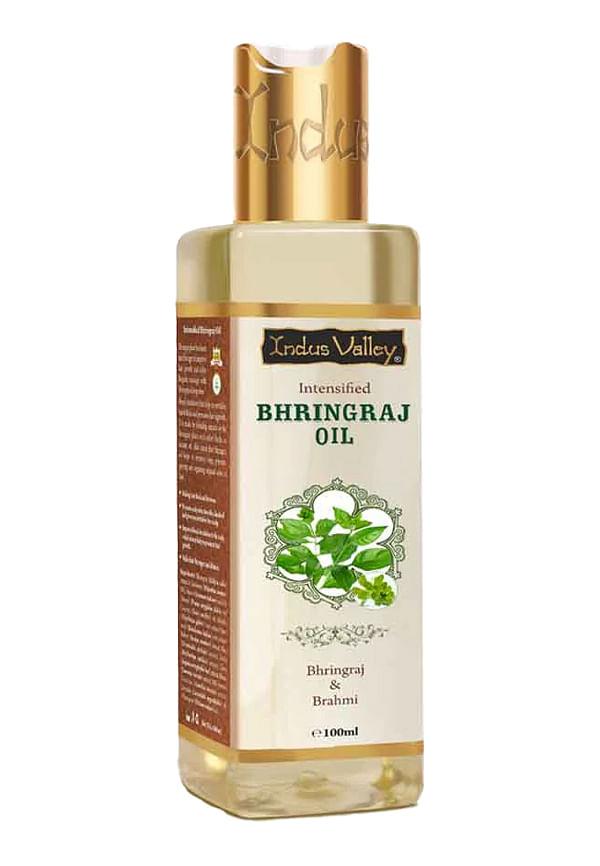
Bio Organic Bhringaraj Oil
Consistency beats intensity every time. Rather than doing an intensive oil treatment once a month, regular weekly sessions will give you better results. Your routine should adapt to your lifestyle, hair needs, and even the seasons—your hair might need more moisture in winter and lighter oils in humid summer months.
Most hair types benefit from oil treatments 1-2 times per week. Dry or damaged hair might need more frequent treatments, whilst fine hair should start slowly. Pay attention to how your hair responds and adjust accordingly. There's no one-size-fits-all approach here.
Hair oils play well with other products when used correctly. Apply oil before heat styling for protection, or mix a few drops into your leave-in conditioner for extra nourishment. Just remember that oil and water don't mix, so layer your products thoughtfully.
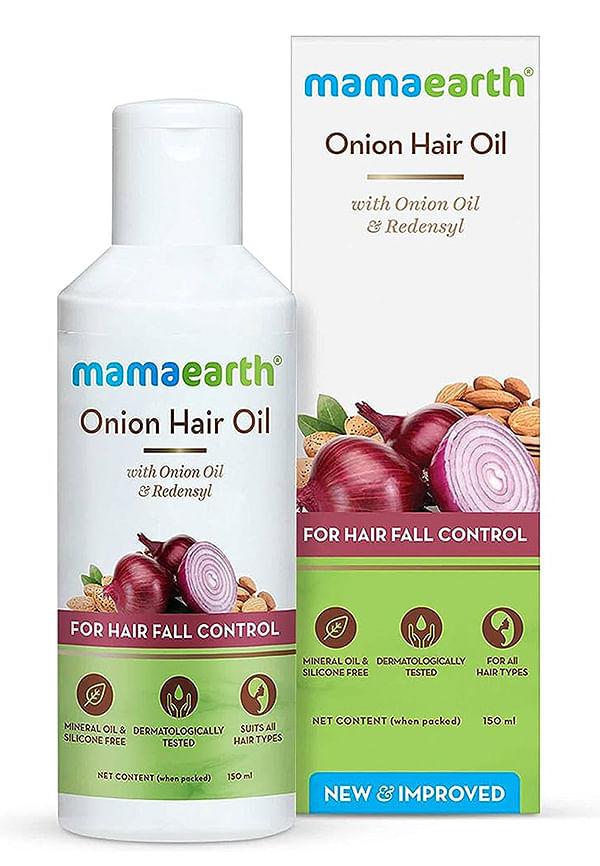
Onion Oil For Hair Regrowth & Hair Fall Control With Redensyl
Very nice oil
5“very nice oil..................”
Old Manufacturing Date
5“It is good but out of date very old manufacturing date”
Mamaearth onion oil good
4“mamaearth onion oil good for hair”
Give any new oil at least 4-6 weeks to show results. Hair grows slowly, and real changes take time. Look for improvements in texture, shine, and manageability rather than expecting overnight miracles. If you notice increased breakage or irritation, it's time to reassess your choice.
Coconut oil is brilliant for first-timers. It's affordable, widely available, and works for most hair types. Plus, it has antimicrobial properties that keep your scalp healthy.
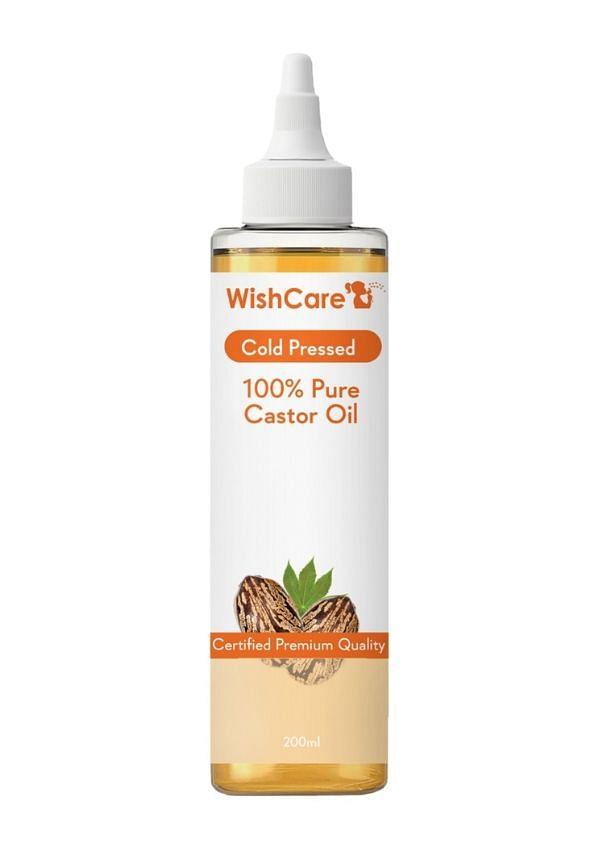
Premium Cold Pressed Castor Oil
Great Product, Go For It
4“Great product .... Go for it ....”
Great Product, Go For It
4“Great product .... Go for it ....”
Great Product, Go For It
4“Great product .... Go for it ....”
Rosemary essential oil (properly diluted) has the strongest scientific backing for growth promotion. Clinical studies show it can be as effective as some conventional treatments when used consistently.
Absolutely! Slightly damp hair actually absorbs oil better than completely dry hair. Just use less product and focus on the ends rather than the roots.
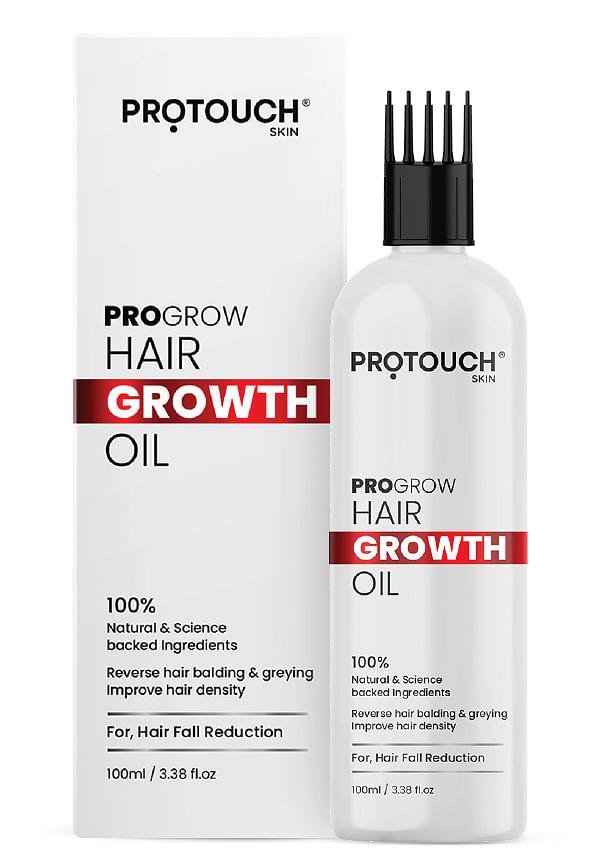
Profrow Hair Growth Oil
Positive Product Review
5“good product and had good results”
Superb Results, Highly Recommend
5“superb results, highly recommend”
Positive Product Review
5“Nice and good product”
Use a gentle, sulfate-free shampoo and focus on the scalp rather than the lengths. You might need to shampoo twice, but avoid harsh scrubbing that can damage wet hair.
Not necessarily. Price often reflects packaging, marketing, and brand positioning rather than actual effectiveness. Some of the best oils—like coconut and castor—are quite affordable.
Definitely! Blending oils lets you customise benefits. Try coconut oil with a few drops of rosemary for growth, or mix argan with jojoba for lightweight moisture.
Finding the best hair oil for your specific needs doesn't have to be overwhelming. Start by understanding your hair type and main concerns, then choose oils with proven benefits for those issues. Remember that consistency matters more than perfection—a simple routine you'll actually stick to beats an elaborate one you'll abandon after a week.
The beauty of hair oils lies in their simplicity and effectiveness. Whether you're dealing with dryness, damage, or dreams of longer locks, there's an oil out there that can help. And here's where platforms like Smytten come in handy—instead of committing to full-size bottles that might not work for you, you can try different formulations through curated trial packs. With access to over 1,500 trusted brands and the ability to get up to 8 minis for just ₹249, you can experiment with various hair oil treatments without the financial commitment. After all, why settle for 'maybe' when you can try it all and find what actually works for your unique hair needs?
