How to Choose the Best Hair Dandruff Shampoo for Your Needs

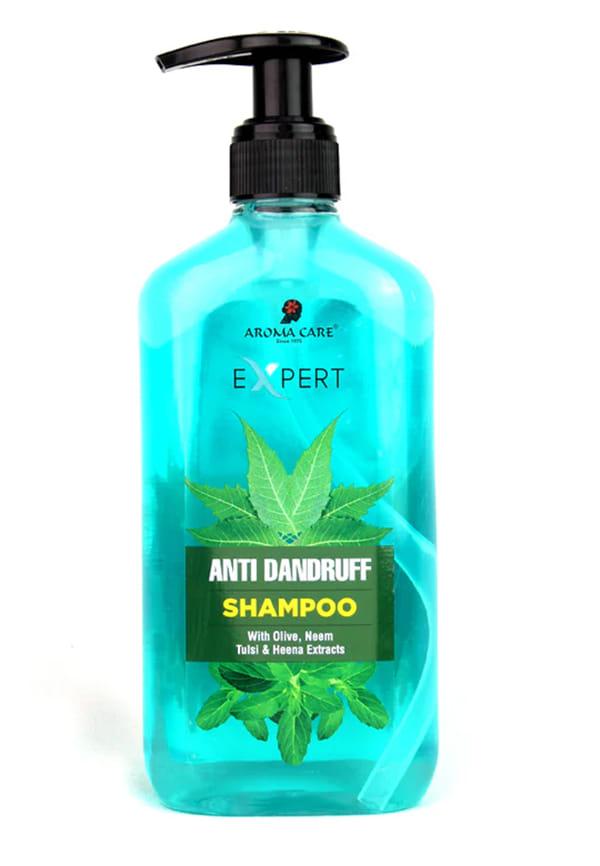
Anti Dandruff Shampoo
Dandruff Reduced After One Wash
 4
4“yup my dandruff is going slowly after one wash I saw the result”
Dandruff Reduced After One Wash
4“yup my dandruff is going slowly after one wash I saw the result”
Dandruff Reduced After One Wash
4“yup my dandruff is going slowly after one wash I saw the result”
Let's be real—dealing with dandruff is proper annoying. Those white flakes on your shoulders can make even your favourite black top feel like a bad idea. But here's the thing: finding the right hair dandruff shampoo doesn't have to be a guessing game. Whether you're dealing with mild flaking or something more stubborn, the key is understanding what your scalp actually needs. With so many options out there, from gentle formulas to heavy-duty treatments, knowing what to look for can save you loads of time (and money) on products that just won't work for you.
Before diving into shampoo shopping, it helps to know what you're actually dealing with. Dandruff isn't just one thing—it's basically your scalp's way of saying something's not quite right. The most common culprit is a yeast called Malassezia that lives on everyone's scalp but sometimes gets a bit too comfortable and causes irritation.
Your scalp type plays a massive role in what kind of flaking you experience. Some people deal with dry scalp issues where the skin feels tight and produces small, fine flakes. Others have oily scalps that create larger, yellowish flakes that stick to the hair. Then there's the in-between crowd who get random flare-ups depending on stress, weather, or what they've been using on their hair.
Seborrheic dermatitis - The more intense cousin of regular dandruff, often involving redness and irritation
Contact dermatitis - When your scalp reacts to specific ingredients in haircare products
Psoriasis - Creates thick, silvery scales that are quite different from typical dandruff
Fungal infections - Less common but can cause persistent flaking and itching
If your flaking comes with severe itching, red patches, or doesn't improve after trying different shampoos for a few weeks, it's worth chatting to a dermatologist. Sometimes what looks like dandruff is actually something else that needs proper treatment.
Now for the good stuff—what actually works. The most effective anti-dandruff shampoo formulas contain specific active ingredients that target the root causes of flaking. Some are gentler for daily use, whilst others are proper powerhouses for stubborn cases.
Zinc pyrithione is probably the most common ingredient you'll spot. It's antimicrobial and antifungal, making it brilliant for tackling that pesky Malassezia yeast. You'll find zinc pyrithione shampoo in loads of mainstream brands because it's effective yet gentle enough for regular use.
Ketoconazole - The heavy-hitter for stubborn dandruff and seborrheic dermatitis
Selenium sulfide - Brilliant for reducing flake production and controlling yeast growth
Salicylic acid - Helps remove existing flakes and prevents buildup
Coal tar - Old-school but effective for severe cases (though it can be drying)
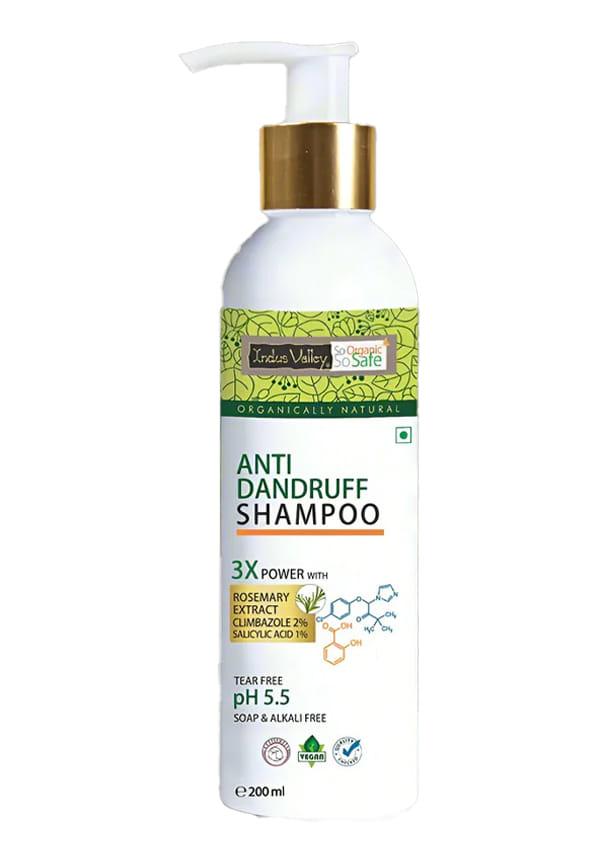
Anti Dandruff Shampoo
Effective for dandruff and scalp cleansing
5“works on dandruff , cleans scalp effectively”
Effective for dandruff and scalp cleansing
5“works on dandruff , cleans scalp effectively”
Effective for dandruff and scalp cleansing
5“works on dandruff , cleans scalp effectively”
Tea tree oil - Naturally antimicrobial with a cooling effect
Sage extract - Soothing and helps balance oil production
Hemp oil - Moisturising without being too heavy
Neem - Traditional ingredient with antimicrobial properties
For oily scalp situations, look for clarifying ingredients that won't strip your scalp completely but will remove excess oil and product buildup. Dry scalp shampoo should include moisturising elements like ceramides or hyaluronic acid alongside the active ingredients.
Here's where it gets personal. Your mate's holy grail dandruff treatment might be completely wrong for your scalp, and that's totally normal. The trick is being honest about what your scalp feels like and what your flakes actually look like.
If you've got seborrheic dermatitis, you'll want a medicated dandruff shampoo with ketoconazole or selenium sulfide. These are stronger formulas designed for more intense flaking and irritation. For mild, occasional dandruff, a gentle zinc pyrithione formula used a couple of times a week might be perfect.
Fine hair - Lightweight formulas that won't weigh hair down
Thick, coarse hair - Can handle stronger treatments and might need extra moisturising
Chemically treated hair - Gentler formulas to avoid further damage
Curly hair - Often needs more moisture alongside dandruff treatment
Got a sensitive scalp? Look for formulas specifically marked as gentle or designed for sensitive skin. These often use milder concentrations of active ingredients or focus on soothing ingredients like aloe vera or chamomile alongside the dandruff-fighting components.
Beyond just ingredients, there are loads of practical things to think about when picking your perfect flaky scalp shampoo. How often you wash your hair, whether you style it regularly, and even the water hardness in your area can all affect how well a product works for you.
Budget matters too, but remember that effective doesn't always mean expensive. Some pharmacy brands work just as well as pricier options. The key is finding something you can use consistently—the best shampoo in the world won't help if you can't afford to repurchase it.
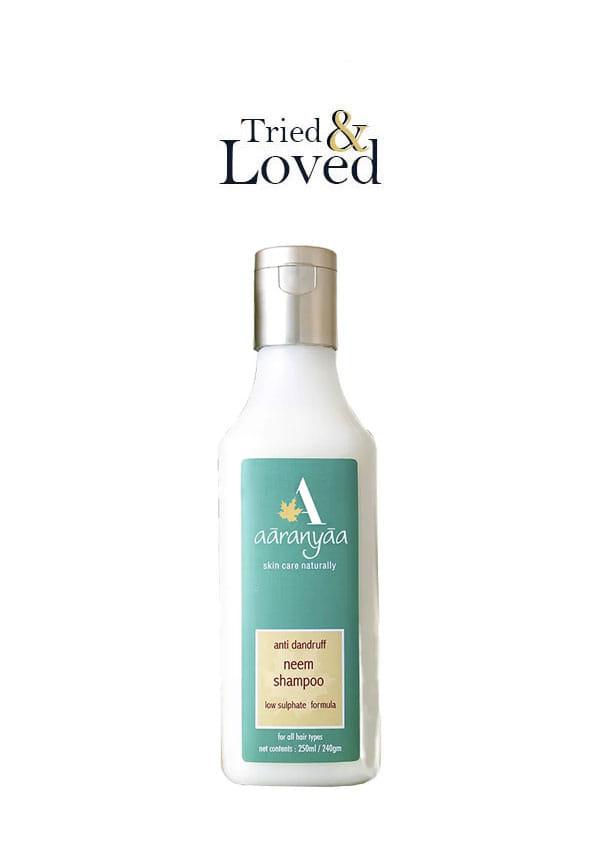
Anti-Dandruff Shampoo
Aaranyaa Shampoo Review
5“aaranyaa is one of my most favourite brands. this shampoo works wonders against dandruff. must buy.”
Mild dandruff - 2-3 times per week, alternating with regular shampoo
Moderate dandruff - Every other wash or as needed
Severe cases - Daily use initially, then reduce as symptoms improve
Maintenance - Once or twice weekly to prevent recurrence
Sometimes your scalp gets used to a particular formula, which is why many dermatologists recommend rotating between different active ingredients. Having two different soothing dandruff shampoo options can help maintain effectiveness over time.
Right, let's make this practical. Start by identifying your scalp type and the severity of your dandruff. Are we talking occasional light flakes or proper chunks that everyone can see? Be honest—this determines whether you need a gentle daily formula or something more intensive.
Next, check the ingredient list for the active components we mentioned earlier. If you're new to medicated dandruff shampoo, start with zinc pyrithione—it's effective but gentler than stronger options. You can always step up to ketoconazole or selenium sulfide if needed.
Assess your scalp type (oily, dry, or combination)
Note the type and amount of flaking you experience
Consider your hair washing frequency and styling routine
Choose an appropriate active ingredient strength
Look for additional beneficial ingredients for your hair type
Start with a smaller size to test effectiveness
The active ingredient and its concentration should be clearly listed. For zinc pyrithione, look for 1-2% concentration. Ketoconazole is usually around 1-2% as well, whilst selenium sulfide can range from 1-2.5%. Higher isn't always better—stronger formulas can be more irritating.
Always do a patch test, especially if you've got a sensitive scalp. Apply a small amount behind your ear or on your inner wrist and wait 24-48 hours to see if any irritation develops. It's way better to find out you're sensitive to something before using it all over your scalp.
This is where platforms like Smytten become absolutely brilliant for haircare discovery. Instead of committing to full-size bottles that might not work for you, you can try curated trial packs from trusted brands. Smytten connects you with over 1,500 top beauty and wellness brands, letting you explore different dandruff treatment options before making the bigger investment. With trial minis available for just ₹249 and 100% cashback redeemable for future purchases, you can actually test multiple formulas to find what works best for your specific scalp needs.
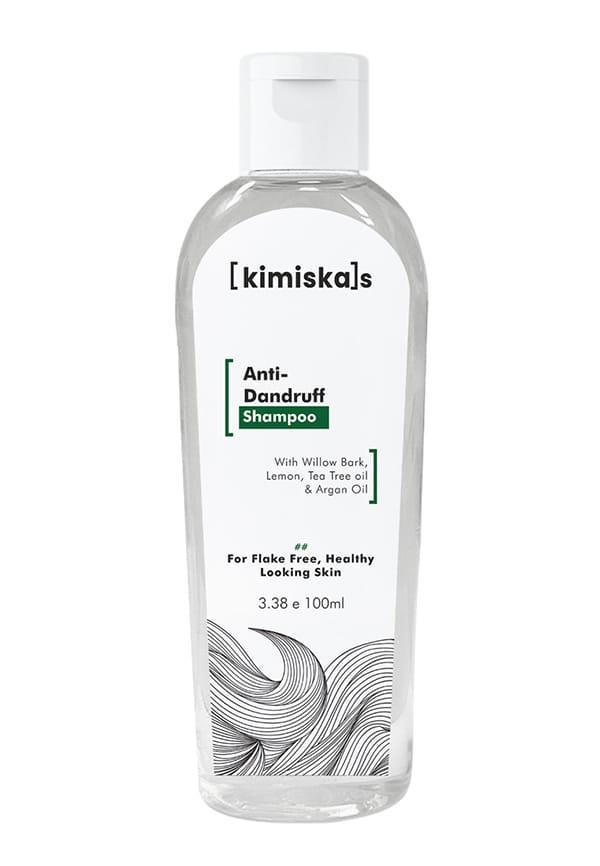
Anti-Dandruff Shampoo
So Good! Must Try!
5“it is so good....I love it....u should give a try to it.”
So Good! Must Try!
5“it is so good....I love it....u should give a try to it.”
So Good! Must Try!
5“it is so good....I love it....u should give a try to it.”
Unfortunately, dandruff is usually a chronic condition that can be managed rather than permanently cured. However, with the right hair dandruff shampoo and consistent use, you can keep it completely under control. Many people find that once they identify what works for them, occasional maintenance washing keeps flakes at bay.
This depends on the severity of your dandruff and the strength of the formula. For mild cases, 2-3 times per week is often enough. Severe dandruff might need daily treatment initially, then you can reduce frequency as symptoms improve. Always follow the product instructions and listen to your scalp.
Some natural ingredients like tea tree oil, neem, and sage can be helpful for mild dandruff. However, for persistent or severe cases, medicated formulas with proven active ingredients tend to be more effective. Natural doesn't always mean gentler, so patch testing is still important.
See a dermatologist if you experience severe itching, red patches, thick silvery scales, hair loss, or if your dandruff doesn't improve after 4-6 weeks of proper treatment. These could indicate conditions like psoriasis or fungal infections that need professional treatment.
Yes, but apply conditioner only to the hair lengths and ends, avoiding the scalp. Some people find that certain conditioners can worsen dandruff, so pay attention to how your scalp responds and consider using a clarifying treatment occasionally.
Finding the right hair dandruff shampoo is honestly a bit of trial and error, but understanding your scalp type and the available ingredients puts you miles ahead. Whether you need a gentle zinc pyrithione formula for occasional flakes or a stronger ketoconazole treatment for stubborn dandruff, the key is being patient and consistent with whatever you choose.
Remember that what works for your mate might not work for you, and that's completely normal. Your scalp is unique, and it deserves a personalised approach. Don't be afraid to try different formulas or consult a dermatologist if over-the-counter options aren't cutting it.
The beauty of platforms like Smytten is that you don't have to commit to full-size products when you're still figuring out what works. With over 25 million users and access to trusted brands across 27,000+ pincodes, you can explore different anti-dandruff solutions without the financial pressure. After all, why settle for 'maybe this will work' when you can actually try it all and find your perfect match?
