How to Choose the Best Hair Cream for Your Hair Type
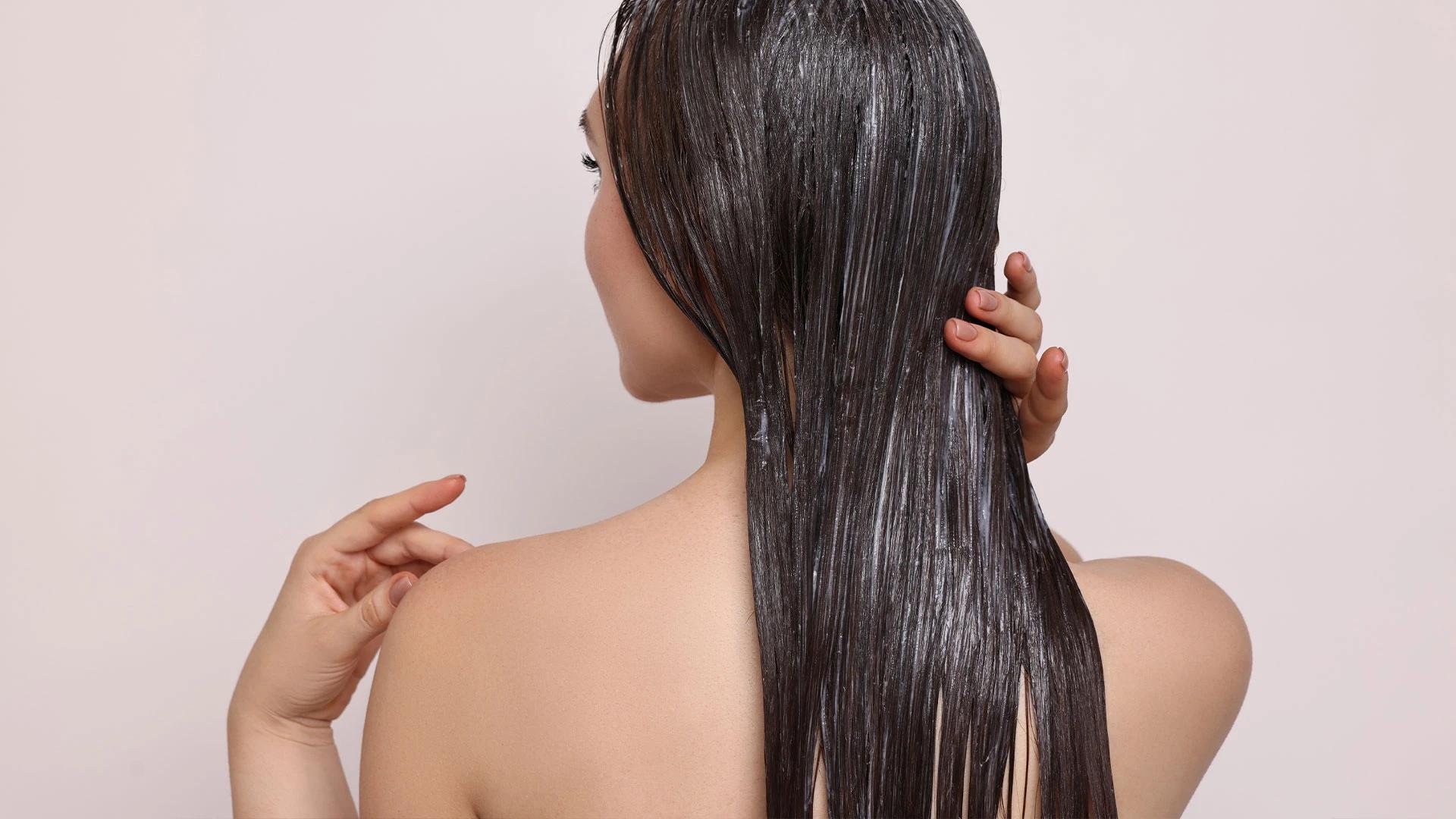

Let's be real—finding the right hair cream can feel like searching for a needle in a haystack. With countless options promising to transform your locks, it's easy to get overwhelmed by all the choices. The truth is, not every hair cream works for every hair type, and what works wonders for your mate might leave your hair looking flat or greasy. Understanding your hair's unique needs is the first step towards finding that perfect match. Whether you're dealing with dry, damaged strands or trying to tame unruly curls, the right hair cream can be a total game-changer for your haircare routine.
A hair cream is essentially a hair moisturiser that helps nourish and style your hair simultaneously. Unlike lighter formulas, hair creams typically have a thicker consistency that provides both hydration and hold. They're designed to penetrate the hair shaft, delivering moisture whilst creating a protective barrier against environmental damage. The beauty of hair cream lies in its versatility. Some function as a hair treatment, deeply conditioning your strands, whilst others work as styling aids that help you achieve your desired look. Many modern formulas combine multiple benefits, acting as both a nourisher and a styler in one product.
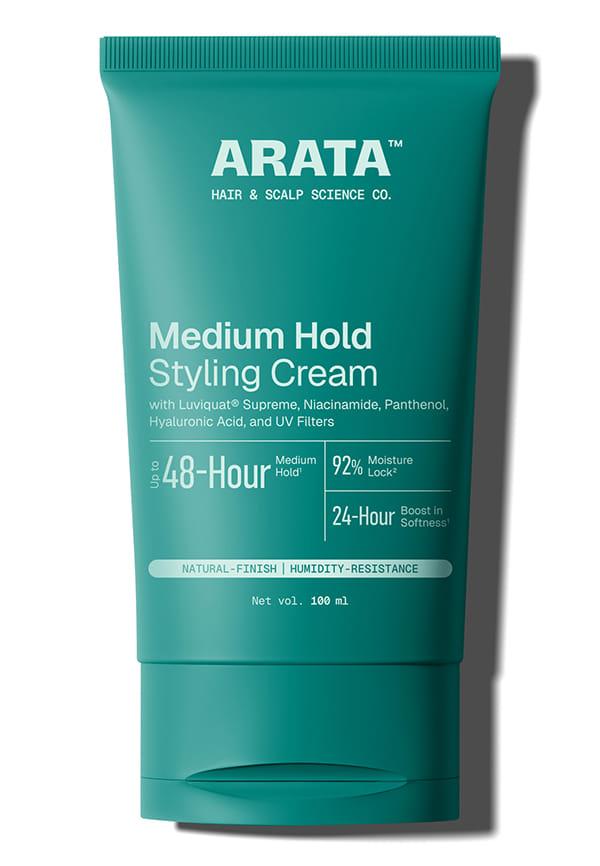
Styling Hair Cream with Niacinamide | Adds Medium Hold | Humidity-Resistant | Reduces Frizz & Flyaways | Boosts Moisture | Paraben, Silicone, Alcohol
Packaging different from picture
 5
5“it's not same packaging as in picture”
Packaging different from picture
5“it's not same packaging as in picture”
Packaging different from picture
5“it's not same packaging as in picture”
Hair creams come in various formulations to suit different needs. Leave-in hair conditioner creams focus primarily on detangling and moisture, perfect for daily use. Hair styling cream options offer hold and definition whilst keeping hair soft and touchable. Deep treatment creams work like an intensive hair mask, providing repair and nourishment for damaged hair.
Whilst hair serum products are typically lighter and focus on shine and smoothness, hair creams provide more substantial moisture and hold. Hair oil penetrates deeply but can feel heavy, whereas creams offer a balanced approach. Hair pomade and hair wax provide stronger hold but less moisture, making them better for specific styling needs rather than overall hair health. Hair butter tends to be even richer than cream, ideal for very dry or textured hair.
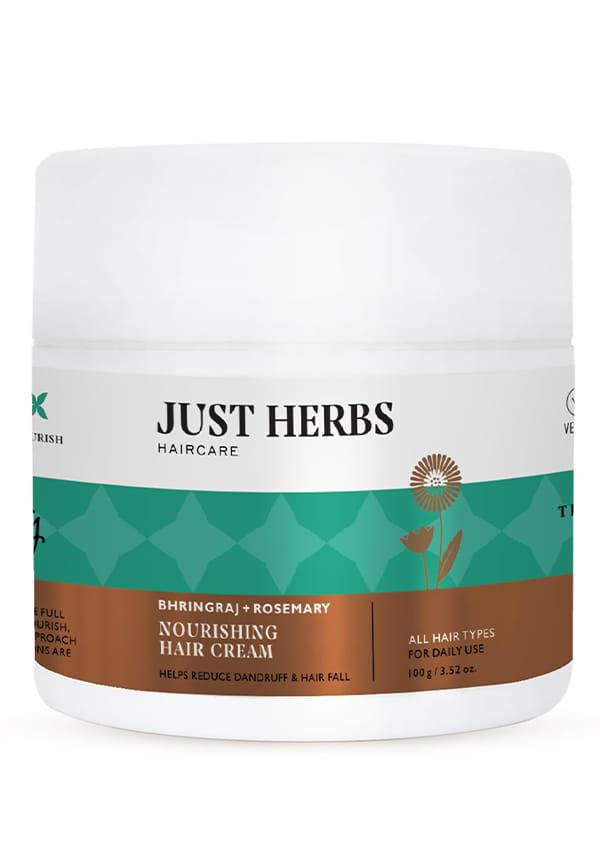
Bhringraj + Rosemary Nourishing Hair Cream
Best Hair Cream
5“it is best cream for your hair”
Best Hair Cream Ever
5“The best product in market . Best hair cream ”
Lovely Fragrance, Decent Results
5“results were ok, it has a lovely fragrance. can give it a try”
Before diving into product selection, you need to understand what your hair actually needs. Hair types generally fall into categories based on oil production, texture, and porosity. Dry hair lacks natural oils and often feels rough or brittle, whilst oily hair produces excess sebum, making it look greasy quickly. Your hair's porosity—how well it absorbs moisture—also plays a crucial role. Low porosity hair resists moisture absorption, whilst high porosity hair soaks up products quickly but struggles to retain moisture. Understanding these characteristics helps you choose a hair cream that actually works with your hair's natural tendencies.
Frizz is often a sign of moisture imbalance or damage to the hair cuticle. Fine hair needs lightweight formulas that won't weigh it down, whilst thick, coarse hair can handle richer creams. Chemically treated hair requires extra care and often benefits from protein-rich formulas.
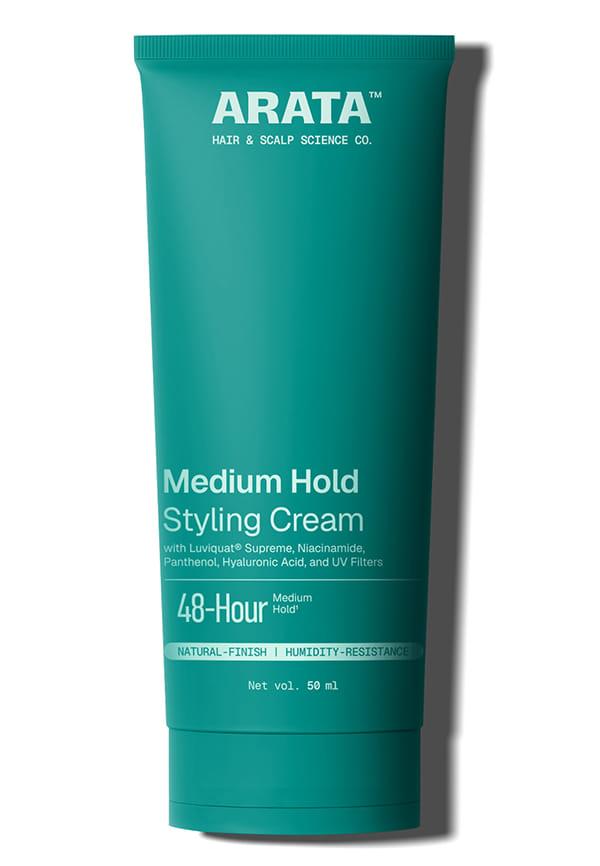
Styling Hair Cream with Niacinamide | Adds Medium Hold | Humidity-Resistant | Reduces Frizz & Flyaways | Boosts Moisture | Paraben, Silicone, Alcohol
Gentle, Glowing, Lightweight Hold
5“Gentle on my hair and gives such a fresh, healthy glow. Loved how lightweight and non-sticky it feels!”it has better hold.. ”
Good product, packaging needs improvement
4“product is good. doesn't damage the hair but packaging could be better.”
Good for Natural Styling
4“it good for styling your hair natural finish”
Your hair's needs can change with the seasons. Winter air tends to be drier, requiring more intensive moisture, whilst summer humidity might call for lighter, anti-frizz formulas. Consider having different hair creams for different times of year.
The ingredient list tells you everything about what a hair cream can actually do for your hair. Look for moisturising ingredients like hyaluronic acid, glycerin, and natural humectants that draw moisture from the environment into your hair shaft. Proteins such as keratin, silk proteins, and hydrolysed wheat protein help strengthen damaged hair and fill in gaps in the hair cuticle. However, too much protein can make hair brittle, so balance is key. Vitamins like B5 (panthenol) and vitamin E provide antioxidant protection and help maintain healthy hair growth.
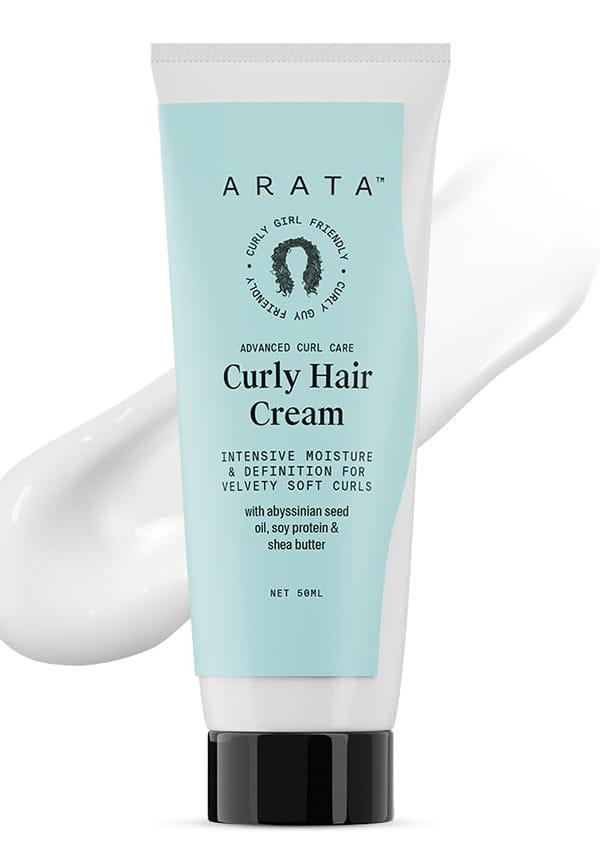
Curl Cream For Curly, Frizzy & Dry Hair | Moisturises & Hydrates Curls | Reduces Frizz| Derma Tested | Soy Protein & Shea Butter | 50g
Easy Application
4“Nice product. Applies easily on my hair.”
Easy Application
4“Nice product. Applies easily on my hair.”
Nice, Useful & Effective Product
5“nice product loved it truly useful nd effective”
Argan oil is brilliant for adding shine without heaviness, whilst jojoba oil closely mimics your scalp's natural sebum. Coconut oil penetrates the hair shaft effectively but can be too heavy for fine hair. Shea butter provides intense moisture for dry, damaged hair.
Sulphates can strip natural oils, making hair drier over time. Silicones like dimethicone can build up on hair, requiring clarifying shampoos. Whilst not inherently bad, heavy silicones might not suit all hair types. Alcohol-based ingredients can be drying, though some fatty alcohols are actually beneficial.
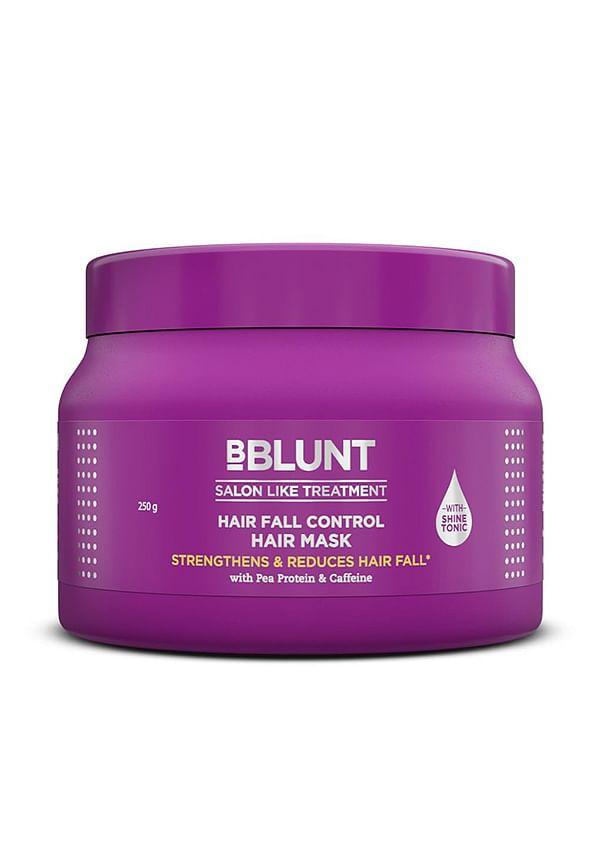
Hair Fall Control Hair Mask
Superb Hair Mask
5“Superb mask for hair give shine and help to stay healthy”
Superb Hair Mask
5“Superb mask for hair give shine and help to stay healthy”
Good Product
5“Good product..................”
For dry and damaged hair, look for rich, creamy formulas with ingredients like shea butter, ceramides, and natural oils. These hair creams should feel substantial but not greasy, providing deep moisture that lasts throughout the day. Protein treatments can help rebuild damaged hair structure. Fine or oily hair needs lightweight formulas that provide moisture without weight. Water-based creams or gel-cream hybrids work well, as do products with clarifying ingredients that prevent buildup. Avoid anything too heavy or oil-based that might make your hair look flat.
Curly hair thrives with richer formulas that define curls whilst controlling frizz. Look for creams with good slip that help with detangling and styling. Ingredients like flaxseed gel or marshmallow root can provide natural curl definition.
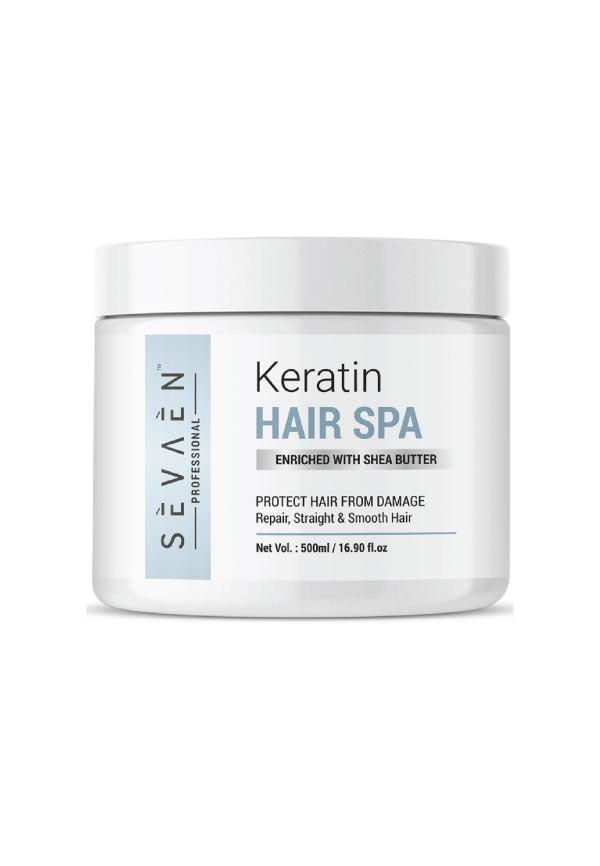
Keratin Hair Spa Cream For Hair Dry&Damage repair And strengthening&Smoothing Hair With Deep Conditioning Treatment
Superb for Hair
5“Superb soo good cant explain mu hair feels soo good now ”
Superb for Hair
5“Superb soo good cant explain mu hair feels soo good now ”
Superb for Hair
5“Superb soo good cant explain mu hair feels soo good now ”
Chemically processed hair needs extra TLC. UV protection ingredients help prevent colour fading, whilst bond-building ingredients can help repair damage from colouring processes. Gentle, pH-balanced formulas work best.
Application technique can make or break your hair cream experience. Start with damp hair—not soaking wet, but towel-dried until slightly moist. This helps the cream distribute evenly and penetrate better. The amount you use depends on your hair length and thickness, but start small and build up. Work the cream through your palms first, then apply from mid-length to ends, avoiding the roots unless your scalp is particularly dry. Use a wide-tooth comb or your fingers to distribute evenly. For styling, scrunch curly hair gently or smooth straight hair in downward motions.
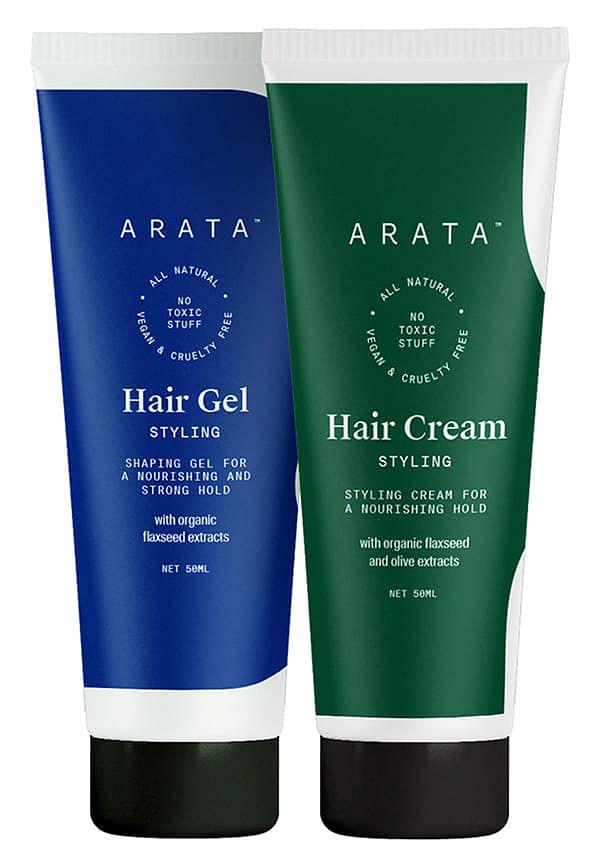
Natural Hair Styling Combo With Hair Gel & Hair Cream
Most hair creams are gentle enough for daily use, but pay attention to how your hair responds. If it starts feeling heavy or looks greasy, reduce frequency or switch to a lighter formula. Some intensive treatment creams are meant for weekly use rather than daily application.
Hair cream typically goes on after leave-in conditioner but before oils or serums. If using multiple products, apply from thinnest to thickest consistency. Heat protectant should always go on before any heat styling tools.
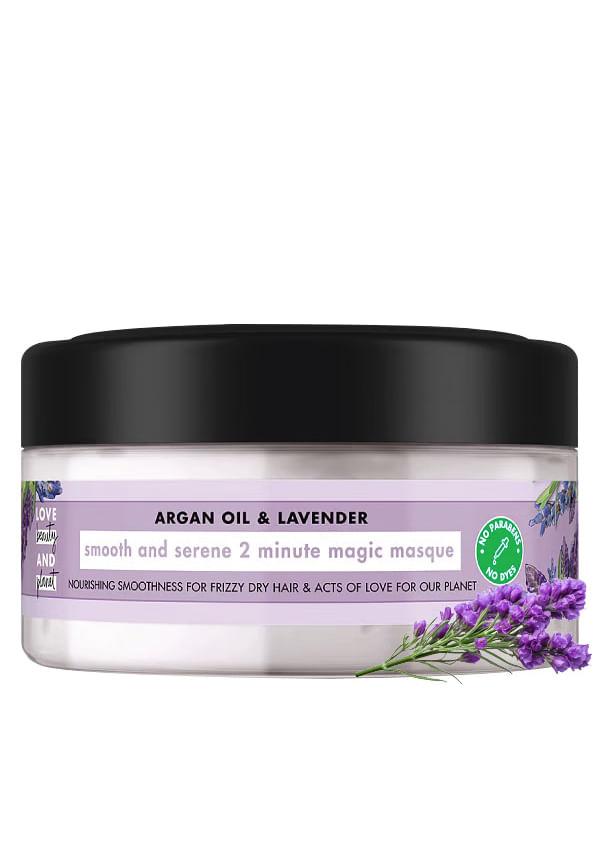
Argan Oil & Lavender Hair Mask
Smooth and Shiny Product
5“loved the product smooth shiny”
Best Product, Good Smell
5“It's Best Product, Smell it good ”
Best Product, Good Smell
5“It's Best Product, Smell it good ”
The haircare market is flooded with options, making it tricky to know which products are worth trying. This is where platforms like Smytten come in handy—as India's largest product discovery and trial platform, it connects you with over 1,500 trusted brands in the haircare space. Rather than committing to full-size products that might not work for your hair type, you can explore curated trial packs that let you test different hair creams before making bigger purchases. With trial points, you can get up to 8 minis for just ₹249, plus enjoy 100% cashback that's redeemable for future orders. This approach takes the guesswork out of finding your perfect hair cream match, whether you're exploring options from established brands or discovering new favourites.
Look for reviews from people with similar hair types and concerns. Pay attention to mentions of texture, scent, and long-term results rather than just immediate effects. Professional stylist recommendations can also provide valuable insights.
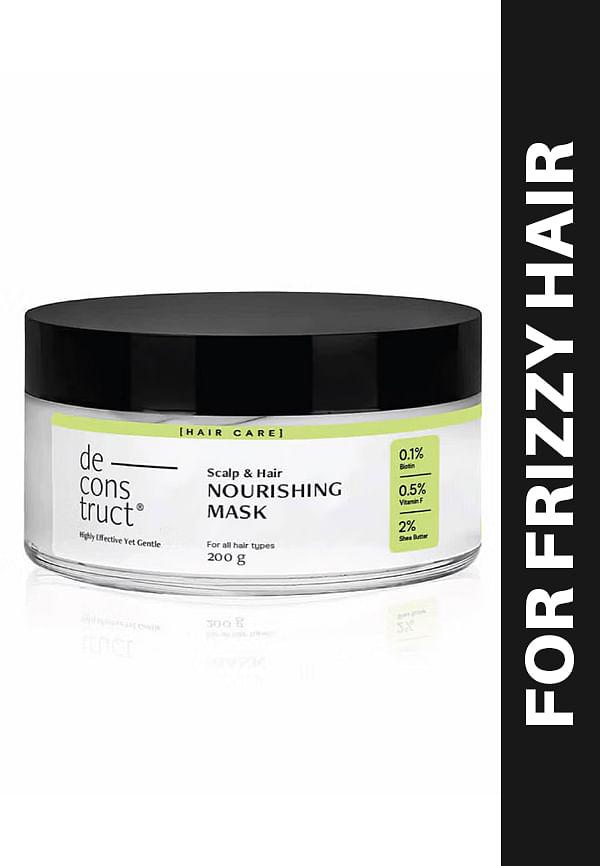
Scalp & Hair Nourishing Mask 0.1% Biotin + 0.5% Vitamin F + 2% Shea Butter
Loved and Recommended
5“loved it. I would recommend it..”
Excellent Hair Mask
5“Really good and nourishing hair mask”
Moisturizes Frizzy Hair
4“moisturizing for frizzy hair!!!”
Expensive doesn't always mean better when it comes to hair cream. Some budget-friendly options contain excellent ingredients and perform just as well as luxury products. Focus on ingredient quality and suitability for your hair type rather than price alone.
Most hair creams are formulated for daily use, but it depends on your hair type and the specific product. Fine hair might need breaks between applications, whilst very dry hair might benefit from daily use.
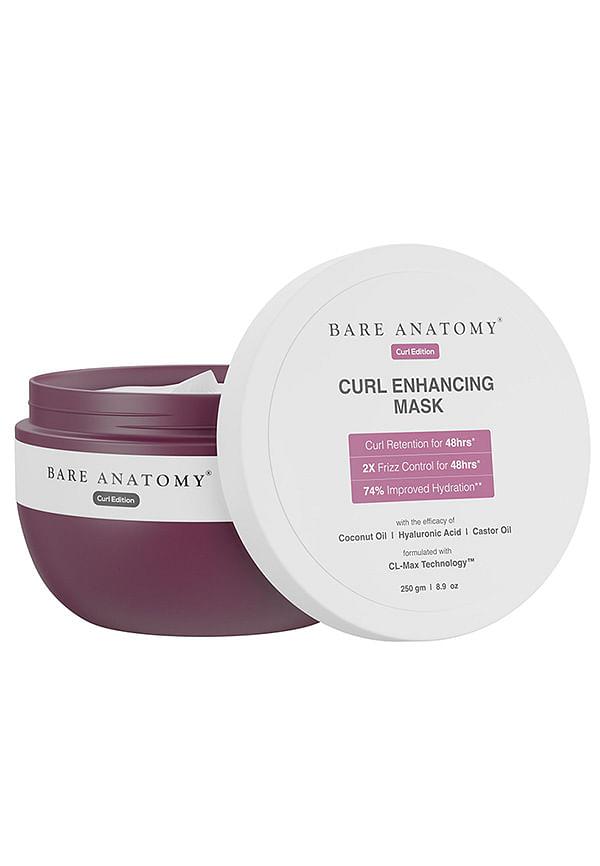
Curl Enhancing Hair Mask | Smoothens & Conditions Hair With Curl Retention
Hydrating and Detangling
5“Very hydrating for your hair. It makes hair detangle”
Excellent curl mask, repeat buy
5“I love this curl mask. Bought this for 6 times now”
Good for hair nourishment
5“Good for nourishment of hair...”
Hair creams are typically thicker and provide more styling hold, whilst leave-in conditioners focus primarily on detangling and moisture. Some products combine both benefits.
Most hair creams work best on damp hair, as the moisture helps with distribution and absorption. However, some styling creams can be applied to dry hair for touch-ups.
Start with a small amount—about the size of a 10p coin for shoulder-length hair. You can always add more, but using too much initially can weigh your hair down.
Whilst some rich hair creams provide conditioning benefits, they typically work best alongside your regular wash-and-rinse routine rather than replacing it entirely.
Choosing the right hair cream is all about understanding your hair's unique needs and finding products that work with your natural texture and lifestyle. Don't be afraid to experiment with different formulas—what works for others might not work for you, and that's perfectly normal. The key is finding that sweet spot between moisture, hold, and manageability that makes your hair look and feel its best. Remember, great hair doesn't happen overnight. Give new products time to work, and pay attention to how your hair responds over several weeks. With the right approach and a bit of patience, you'll find that perfect hair cream that becomes your go-to styling essential. After all, why settle for 'maybe' when you can find exactly what your hair needs?
