How to Choose the Best Hair Conditioner for Your Hair Type

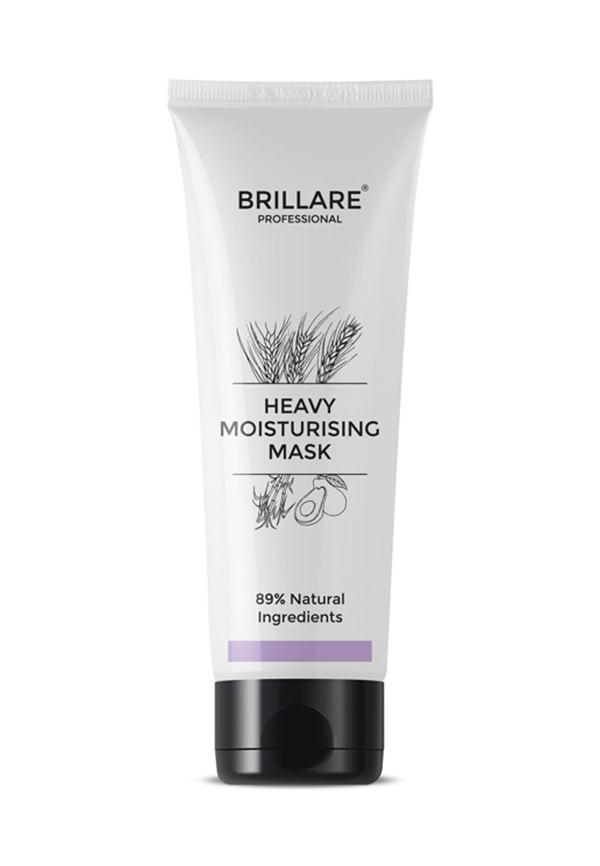
Conditioner For Dry, Frizzy Hair
Best Conditioner Ever
 4
4“best conditioner i have ever used”
Great for Dry Hair
5“very good moisturizer for dry hair”
Great for dry scalp and shiny hair
5“I love it ...it moistures my dry scalp ..give a shining and smooth look to my hair.”
Finding the right hair conditioner can feel like searching for a needle in a haystack, especially when you're standing in the haircare aisle surrounded by endless bottles promising miraculous results. Let's be real—your hair deserves better than a random pick. The truth is, choosing the best hair conditioner isn't about grabbing the prettiest bottle or the most expensive option. It's about understanding what your hair actually needs and matching it with the right formula. Whether you're dealing with dryness, damage, or just want that salon-fresh bounce, the perfect conditioner is out there waiting to become your new fave.
So, what exactly does a hair conditioner do? Think of it as your hair's best mate—the one who smooths things over after shampoo has done its cleansing job. While shampoo strips away dirt, oil, and product buildup, it can also leave your hair feeling a bit rough around the edges. That's where conditioner steps in, coating each strand with protective and nourishing ingredients that restore moisture, add shine, and make your hair manageable.
The magic happens when conditioner fills in the tiny gaps in your hair cuticles—those are the overlapping scales that form the outer layer of each strand. When these cuticles are smooth and sealed, your hair looks shinier, feels softer, and is less prone to tangling and breakage. It's like giving your hair a protective shield that helps it face whatever the day throws at it, from heat styling to environmental stressors.
Using conditioner regularly isn't just about making your hair feel nice—it's actually doing some serious work behind the scenes:
Moisture retention: Keeps your hair hydrated and prevents dryness
Detangling power: Makes combing through wet hair much easier and less damaging
Frizz control: Smooths the hair cuticle to reduce unwanted texture
Heat protection: Creates a barrier that helps protect against styling damage
Colour preservation: Helps maintain vibrancy in colour-treated hair
Before you can choose the best hair conditioner, you need to get acquainted with your hair's personality. Just like people, every head of hair has its own unique characteristics and needs. Understanding your hair type is the first step towards finding your perfect conditioning match.
The easiest way to figure out your hair type is to observe how it behaves 24-48 hours after washing. Does it feel dry and look dull? You might have dry hair that craves moisture. Does it get greasy quickly near the roots but feel dry at the ends? That's combination hair talking. Is it fine and lacks volume? You're dealing with hair that needs a boost without the weight.
Dry Hair: Feels rough, looks dull, and is prone to frizz and breakage. This hair type drinks up moisture like a sponge and needs rich, nourishing formulas.
Oily Hair: Gets greasy quickly, especially at the roots. Needs lightweight conditioning that won't add extra weight or grease.
Fine Hair: Individual strands are thin and delicate. Can easily be weighed down by heavy products but still needs conditioning for protection.
Thick Hair: Has lots of strands and can handle richer formulas. Often needs extra moisture to penetrate through all those layers.
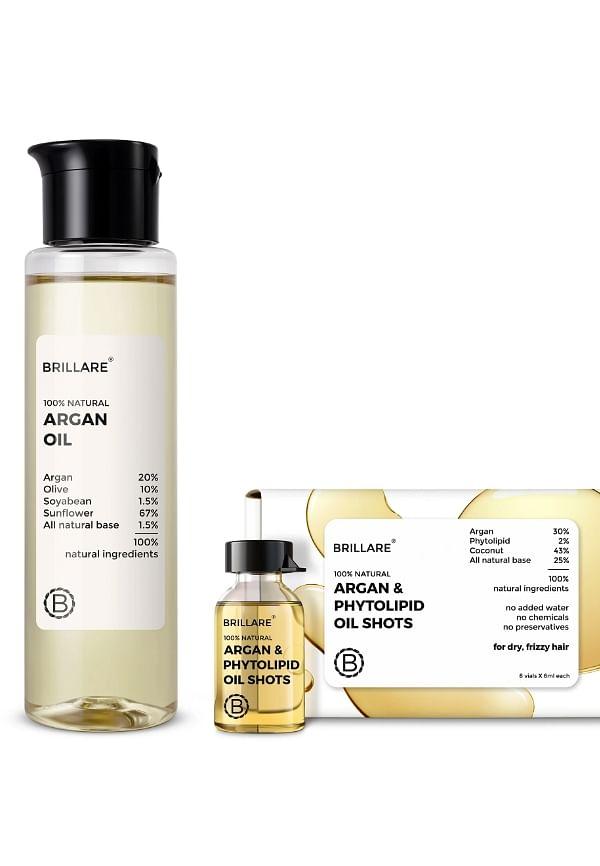
Hair Nourishing Duo for Dry & Frizzy Hair
Positive Product Review
5“good product nice packing great”
Colour-treated hair needs gentle formulas that won't strip colour, while damaged hair from heat styling or chemical treatments requires intensive repair ingredients. If you're dealing with lack of volume, you'll want something that conditions without weighing your hair down.
Now that you know your hair type, let's explore the different types of conditioners available. Each one is formulated to tackle specific hair concerns, so matching the right type to your needs is crucial for getting the results you want.
If your hair feels like straw and looks more matte than glossy, a moisturising hair conditioner is your best friend. These formulas are packed with hydrating ingredients like glycerin, hyaluronic acid, and natural oils that penetrate the hair shaft to restore moisture from within. Look for rich, creamy textures that feel substantial—your dry hair can handle the extra nourishment.
Fine or limp hair needs conditioning but not at the expense of volume. Volumising hair conditioner uses lightweight formulas that provide essential moisture and protection without the weight. These often contain ingredients like rice protein or wheat protein that actually help plump up individual strands, creating the appearance of fuller, bouncier hair.
For seriously damaged hair, regular conditioner might not cut it. That's where deep conditioning hair treatment comes in. These intensive formulas are designed to be used once or twice a week and contain higher concentrations of repairing ingredients. Think of them as a spa day for your hair—they need more time to work their magic, usually 5-20 minutes depending on the product.
Colour-treated hair has different needs than virgin hair. Colour-safe hair conditioner is formulated without harsh sulfates and contains UV filters and antioxidants that help preserve your colour investment. These conditioners often have a lower pH to help seal the hair cuticle and lock in colour molecules.
Sulfate-free hair conditioner is gentler on both your hair and scalp, making it perfect for sensitive skin or chemically treated hair. Meanwhile, natural hair conditioner harnesses the power of plant-based ingredients like coconut oil, shea butter, and botanical extracts. Many people find these options less irritating and more environmentally friendly.
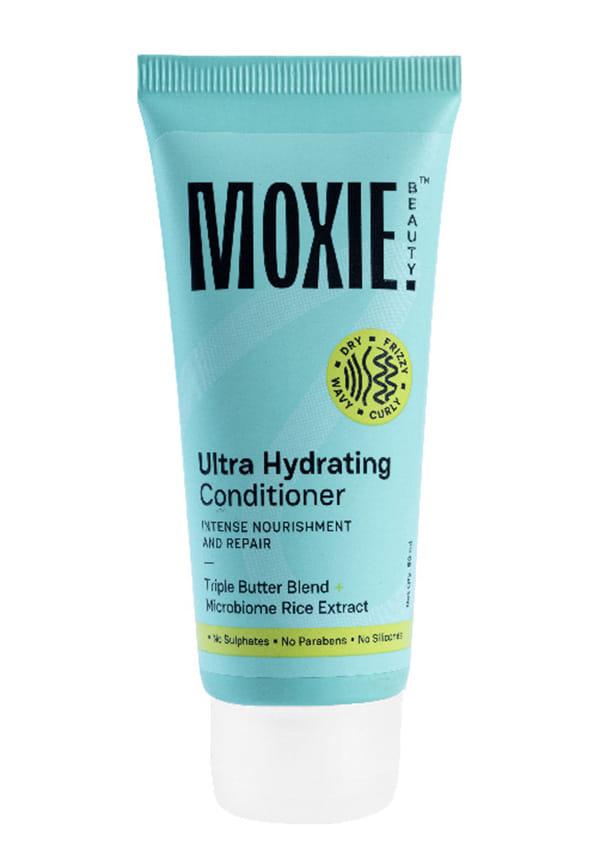
Ultra Hydrating Conditioner for Dry and Frizzy Hair
Hydrating and Smooth
5“very hydrating and smooth after using”
Hydrating and Smooth
5“very hydrating and smooth after using”
Hydrating and Smooth
5“very hydrating and smooth after using”
Understanding what goes into your conditioner can help you make smarter choices. Different ingredients serve different purposes, and knowing what to look for can help you find formulas that actually address your specific hair concerns.
For hydration, seek out ingredients like glycerin, hyaluronic acid, and natural oils such as argan, coconut, or jojoba oil. These work by attracting and retaining moisture in your hair shaft. If your hair lacks strength, look for proteins like keratin, silk protein, or wheat protein—these temporarily fill in gaps in damaged hair and add structure.
Shea butter, coconut oil, and avocado oil are brilliant for adding rich moisture and shine. Aloe vera soothes the scalp and provides lightweight hydration, while honey is a natural humectant that draws moisture from the environment into your hair.
Vitamin E protects against environmental damage, while B vitamins can help strengthen hair. Antioxidants like green tea extract help protect colour-treated hair from fading and provide overall hair health benefits.
Even the best hair conditioner won't work its magic if you're not using it correctly. The good news is that proper conditioning technique is pretty straightforward once you know the basics.
Always apply conditioner to clean, damp hair—this means after shampooing. Focus on the mid-lengths and ends of your hair, avoiding the roots unless you have very dry hair or a dry scalp. Your roots produce natural oils, so they typically don't need extra conditioning and adding product there can make your hair look greasy faster.
Use your fingers or a wide-tooth comb to distribute the conditioner evenly through your hair. This ensures every strand gets coated and helps prevent tangling. For most conditioners, 2-3 minutes is plenty of contact time, but deep conditioning treatments may need longer.
Rinse thoroughly with cool or lukewarm water. Hot water can strip moisture and cause the hair cuticle to swell, making your hair more prone to damage. A final cool rinse helps seal the cuticle and adds extra shine.
Sometimes the best solutions come from your kitchen. Natural hair conditioner alternatives can be incredibly effective and are often gentler on sensitive scalps. Plus, you know exactly what's going into your hair—no mystery ingredients or unpronounceable chemicals.
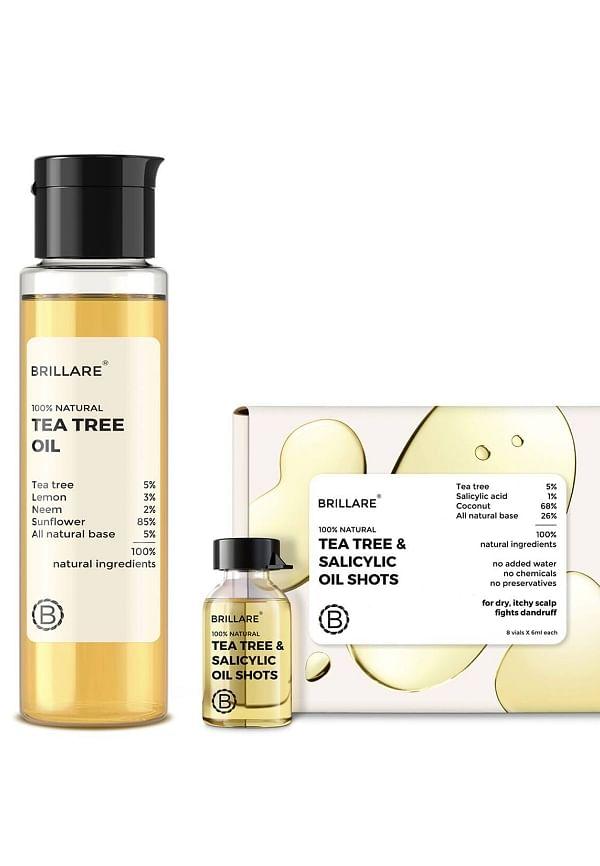
Hair & Scalp Treatment Duo for Dry, Frizzy & Dandruff-Prone Hair
Effective Dandruff Removal
5“too good clean all dandruff. ...”
Excellent Hair Product
5“v Good product it really works well on my hair it's my 10 th purchase”
Effective Dandruff Treatment
5“awesome product works wonderfully particularly when you have a dandruff”
Coconut oil makes an excellent deep conditioning treatment for dry or damaged hair. Simply warm a small amount between your palms and work it through the ends of your hair, leaving it on for 20-30 minutes before shampooing. For a lighter option, try mixing honey with a bit of olive oil for a moisturising treatment that won't weigh fine hair down.
For dry hair, blend half an avocado with two tablespoons of coconut oil for a nourishing mask. Oily hair types can benefit from a mixture of apple cider vinegar and water (1:3 ratio) as a clarifying rinse that removes buildup without over-drying.
When exploring haircare options, platforms like Smytten make it easier to discover what works for your unique hair needs. With curated trial packs from trusted brands, you can explore different formulas without committing to full-size purchases—perfect for finding your ideal conditioner match.
Hair conditioner is used to moisturise, detangle, and protect your hair after shampooing. It smooths the hair cuticle, reduces frizz, adds shine, and makes your hair more manageable. Conditioner also helps protect against heat damage and environmental stressors.
The best hair conditioner depends entirely on your hair type and concerns. Dry hair benefits from moisturising formulas with natural oils, while fine hair needs lightweight, volumising options. Damaged hair requires protein-rich treatments, and colour-treated hair needs sulfate-free, colour-safe formulas.
Use conditioner every time you shampoo, which for most people is 2-3 times per week. Apply it to clean, damp hair after shampooing, focusing on the mid-lengths and ends. Leave it on for 2-3 minutes before rinsing thoroughly.
While traditional rinse-out conditioners are designed for wet hair, there are leave-in conditioners specifically formulated for dry hair. These lighter formulas can be applied to damp or dry hair for extra moisture and protection throughout the day.
Choosing the right hair conditioner really comes down to understanding your hair's unique needs and being willing to experiment until you find your perfect match. Whether you need intensive moisture, gentle volume, or colour protection, there's a formula out there that's worth obsessing over.
Remember that great hair doesn't happen overnight—it's about consistent care with the right products. Don't be afraid to try different options until you find the one that makes your hair look and feel its absolute best. With platforms like Smytten offering trial sizes from over 1,500 trusted brands, you can explore various conditioner options without the commitment of full-size purchases. After all, why settle for 'maybe' when you can find the perfect conditioner that truly transforms your haircare routine?
