How to Choose Tea Tree Shampoo for Dandruff: Scalp Health Tips
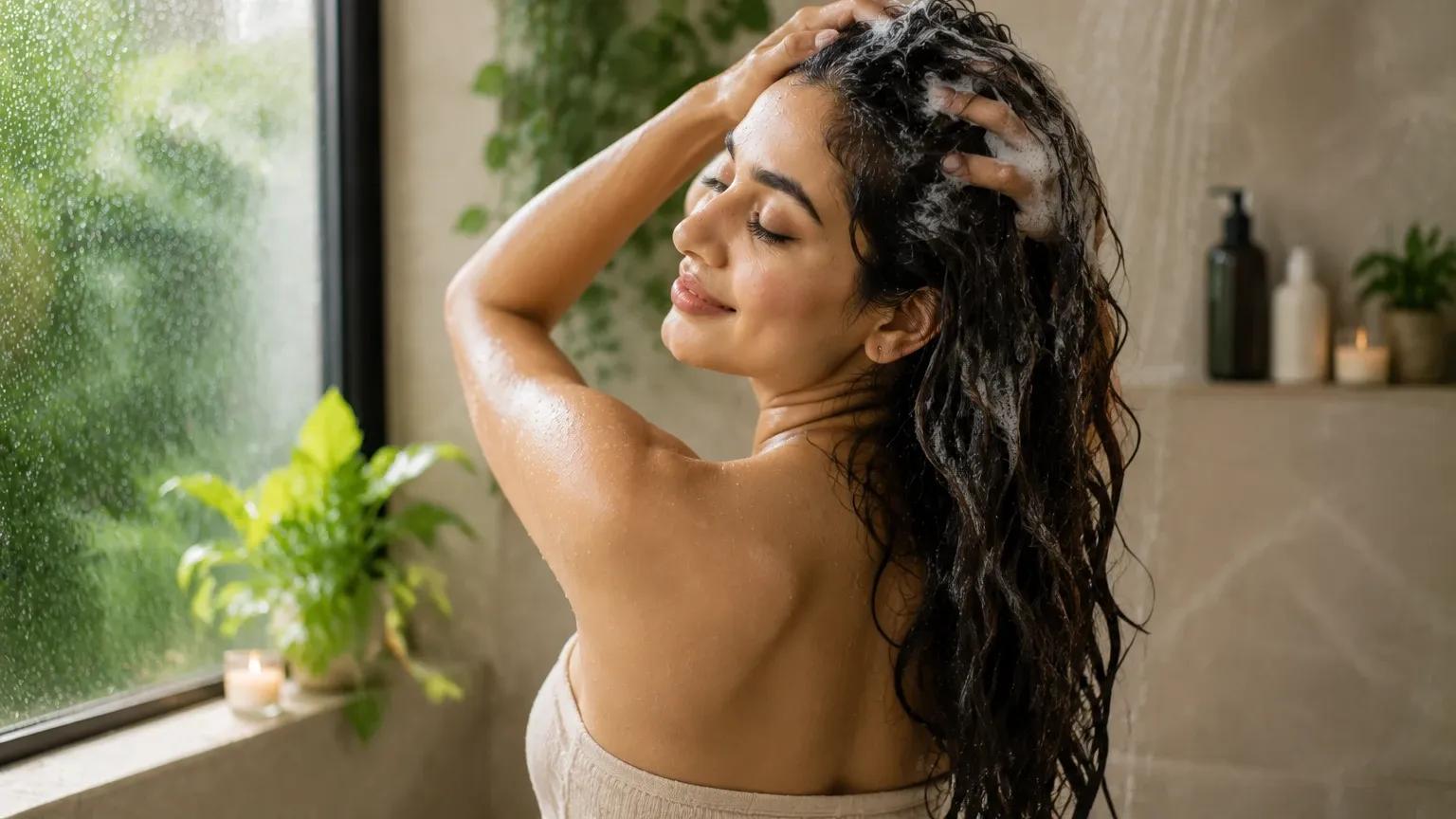

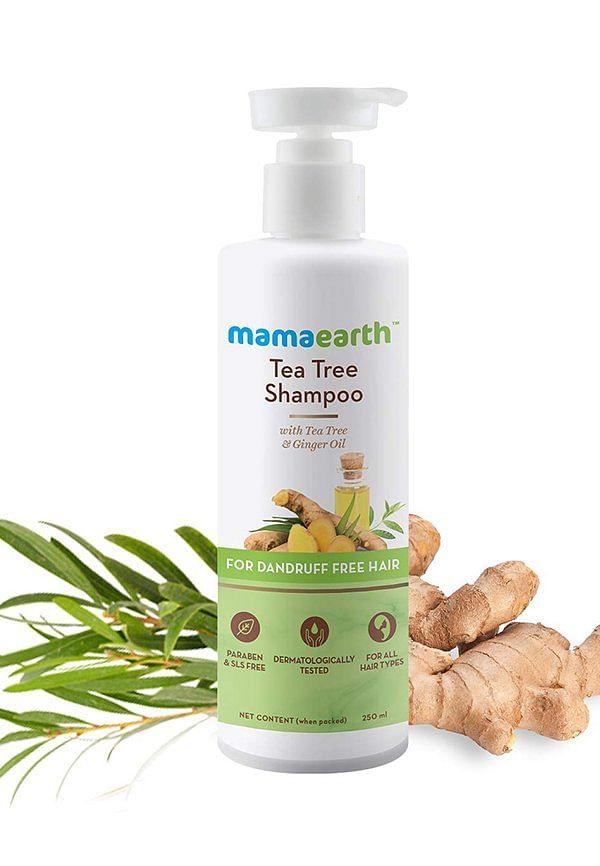
Tea Tree Anti Dandruff Shampoo With Tea Tree & Ginger Oil
You know that moment when you're getting ready for a big day, and your scalp decides to throw a flake party? Those white specks on your black top aren't exactly the confidence boost you were going for. If you've been dealing with dandruff, you're definitely not alone—studies show that nearly half of all adults experience this scalp concern at some point. The good news? Tea tree oil has been making waves in the haircare world for its natural anti-dandruff properties. But with so many options out there, figuring out how to choose the right tea tree shampoo for dandruff can feel a bit overwhelming. Let's break it down together and find your scalp's new best friend.
Before diving into product selection, let's get real about what's actually happening on your scalp. Dandruff isn't just about dry skin—it's usually more complex than that. The main culprit is often a yeast called Malassezia, which naturally lives on everyone's scalp but can go a bit overboard in some people. When this happens, it feeds on the oils your scalp produces and creates irritation that leads to those pesky flakes.
Your scalp might be acting up for several reasons. Seborrheic dermatitis is one of the most common causes—it's basically your scalp getting inflamed and producing those yellowish, oily flakes. Then there's the classic dry scalp situation, which creates smaller, whiter flakes. Interestingly, having an oily scalp can also trigger dandruff because that excess oil feeds the Malassezia yeast. Environmental factors like cold weather, stress, and even certain hair products can make things worse.
Here's where tea tree oil becomes your scalp's hero. This natural ingredient has powerful antifungal properties that specifically target Malassezia yeast—basically, it helps keep the troublemaker in check. Tea tree oil also has anti-inflammatory effects, which means it can calm down that irritated, itchy feeling that often comes with dandruff. Plus, it helps regulate oil production without completely stripping your scalp, making it suitable for various scalp types.
When you're scanning those ingredient lists, tea tree oil shouldn't be flying solo. The most effective anti-dandruff shampoos combine multiple active ingredients to tackle different aspects of the problem. Think of it like assembling a dream team for your scalp—each ingredient brings something unique to the table.
Zinc pyrithione is worth obsessing over—it's clinically proven to control the yeast that causes dandruff and is gentle enough for regular use. Salicylic acid acts like a gentle exfoliant, helping to remove buildup and dead skin cells without being too harsh. For more stubborn cases, ketoconazole is a powerful antifungal that really means business. Natural alternatives like neem, rosemary, and lavender can provide additional antimicrobial benefits while being kind to sensitive scalps.
Not all ingredients play nicely with dandruff-prone scalps. Harsh sulfates like sodium lauryl sulfate can strip your scalp too aggressively, potentially making irritation worse. Heavy silicones might make your hair feel smooth initially, but they can trap residue and prevent other beneficial ingredients from doing their job. Artificial fragrances and dyes are often unnecessary irritants, especially when your scalp is already feeling sensitive.
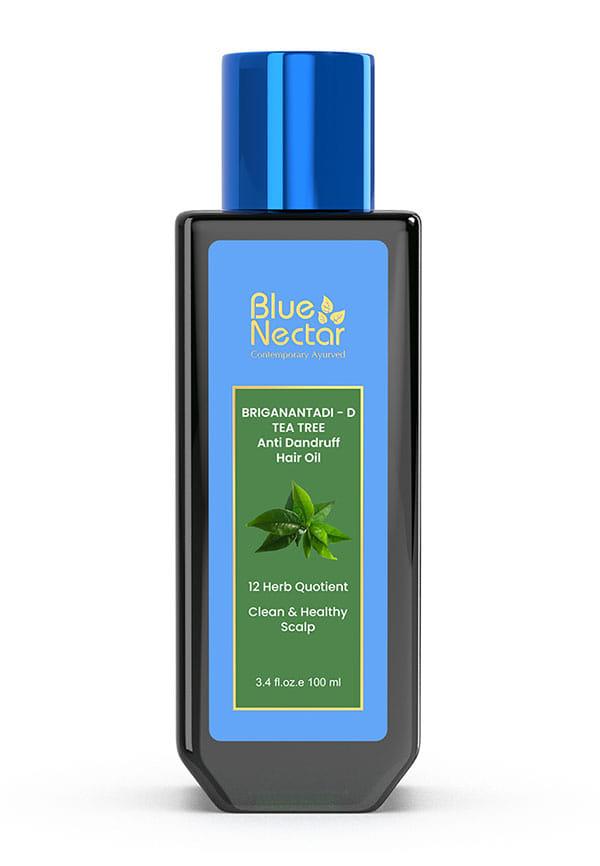
Tea Tree Anti Dandruff and Healthy Scalp Oil 12 Herbs
Your scalp type plays a huge role in determining which tea tree shampoo will work best for you. It's not a one-size-fits-all situation, and understanding your specific needs will help you make a smarter choice. Let's figure out what your scalp is actually telling you.
If you have an oily scalp, you'll notice your roots getting greasy quickly, and your dandruff flakes might be larger and more yellowish. This type benefits from tea tree shampoos that can cut through oil without over-drying. Dry scalp creates smaller, whiter flakes and often feels tight or itchy—you'll want something more moisturising alongside the tea tree oil. Sensitive scalps need extra gentle formulations, while mixed scalp types might need to alternate between different products.
Sulfate-free formulations are becoming increasingly popular, and for good reason. These gentler cleansing agents clean effectively without stripping your scalp's natural protective barrier. Look for ingredients like coco-glucoside or sodium cocoyl isethionate—they're much kinder to sensitive or damaged scalps. pH-balanced formulas (around 5.5) help maintain your scalp's natural acidity, which creates an environment that's less friendly to problematic yeast and bacteria.
Having the right product is only half the battle—how you use it makes all the difference. Many people don't see results because they're not using their tea tree shampoo correctly. The key is consistency and proper technique, not just hoping for overnight miracles.
Start by using your tea tree shampoo 2-3 times per week initially, then adjust based on how your scalp responds. When you apply it, focus on massaging it into your scalp rather than just your hair lengths—that's where the action needs to happen. Let it sit for 3-5 minutes before rinsing to give the active ingredients time to work. Use lukewarm water rather than hot, as excessive heat can irritate your scalp further.
Consider doing a gentle scalp massage with diluted tea tree oil once a week as a pre-shampoo treatment. Alternate your tea tree shampoo with a gentle, moisturising shampoo to prevent over-drying. Natural dandruff remedies like apple cider vinegar rinses or aloe vera treatments can complement your tea tree routine. Remember, consistency is key—give any new routine at least 4-6 weeks to show real results.
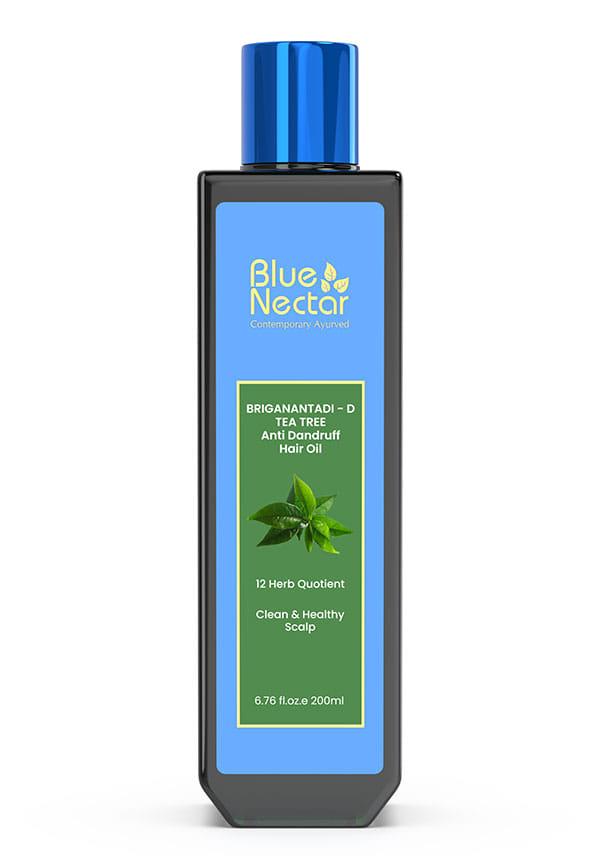
Tea Tree Anti Dandruff and Healthy Scalp Oil 12 Herbs
While tea tree shampoo can be incredibly effective, supporting it with natural remedies and healthy habits can amplify your results. Think of these as your scalp's support system—they work behind the scenes to create an environment where dandruff struggles to thrive.
If you want to boost your routine, you can create your own tea tree oil scalp treatment. Mix 5-10 drops of tea tree oil with a carrier oil like jojoba or coconut oil—never use tea tree oil undiluted as it can cause irritation. Massage this mixture into your scalp and leave it for 20-30 minutes before shampooing. Always do a patch test first to make sure your skin doesn't react negatively.
Your scalp health isn't just about what you put on it—what you put in your body matters too. Omega-3 fatty acids, zinc, and B vitamins all support healthy scalp function. Managing stress through exercise, meditation, or whatever works for you can also help, as stress hormones can trigger scalp issues. Don't overwash your hair—this can actually make dandruff worse by irritating your scalp.
Not all tea tree shampoos are created equal, and knowing what to look for can save you from disappointment and wasted money. Quality matters when it comes to active ingredients, and there are some telltale signs of a product worth your time and money.
Look for shampoos that contain around 5% tea tree oil—this concentration is effective without being overly harsh. The tea tree oil should be listed within the first few ingredients, indicating a meaningful concentration. Organic tea tree oil is often higher quality, but it's not always necessary. Third-party testing and certifications can give you confidence in the product's purity and potency.
Be wary of products that make unrealistic claims like "cures dandruff overnight" or "100% guaranteed results." If tea tree oil is listed way down in the ingredients, it's probably not present in therapeutic amounts. Poor customer reviews that mention increased irritation or no results after extended use are worth paying attention to. Extremely cheap products might be cutting corners on ingredient quality.
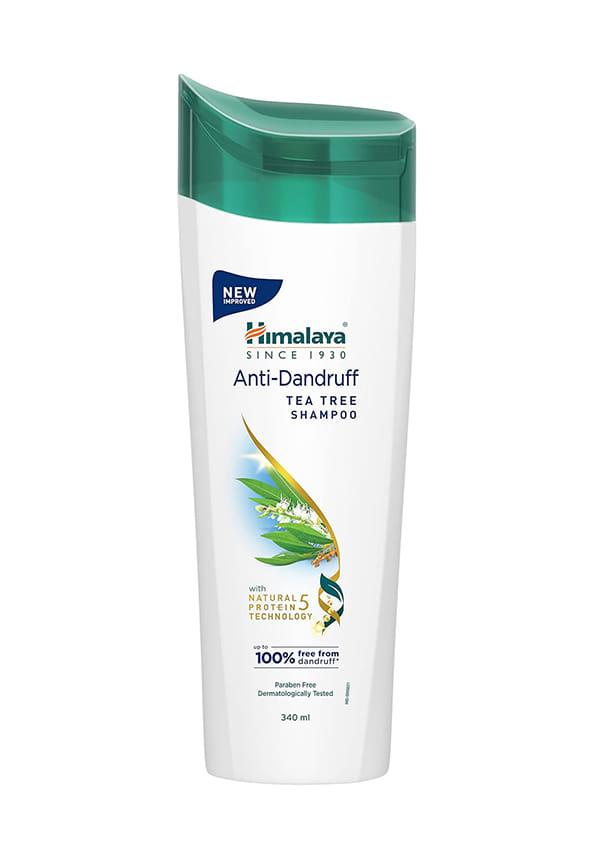
ANTI-DANDRUFF TEA TREE SHAMPOO
Yes, tea tree shampoo can be very effective for dandruff. Tea tree oil has natural antifungal and anti-inflammatory properties that help control the yeast overgrowth and inflammation that typically cause dandruff. Clinical studies have shown that tea tree oil can significantly reduce dandruff symptoms when used consistently over several weeks.
The best dandruff shampoo for you depends on your specific scalp type and the severity of your dandruff. For mild dandruff, a tea tree shampoo with natural ingredients might be sufficient. For more persistent cases, look for shampoos that combine tea tree oil with other active ingredients like zinc pyrithione or salicylic acid. If you have a sensitive scalp, opt for sulfate-free formulations.
Tea tree shampoo is generally safe for most people, but some may experience mild side effects like scalp irritation, dryness, or allergic reactions. These are more likely if you have sensitive skin or if the tea tree oil concentration is too high. Always do a patch test before using a new product, and discontinue use if you experience persistent irritation.
Most people start seeing improvement in their dandruff within 2-4 weeks of consistent use. However, it can take up to 6-8 weeks to see the full benefits. The key is regular use—using tea tree shampoo sporadically won't give you the results you're looking for. Be patient and stick with your routine.
While tea tree shampoo is generally gentle enough for regular use, daily application might be too much for some scalps, especially if you have sensitive or dry skin. Start with 2-3 times per week and adjust based on how your scalp responds. You can alternate with a gentle, moisturising shampoo on other days.
Tea tree shampoo relies on natural antifungal properties to combat dandruff, while regular anti-dandruff shampoos often use synthetic active ingredients like zinc pyrithione or selenium sulfide. Tea tree shampoos tend to be gentler and more suitable for long-term use, while medicated shampoos might work faster but can be more drying or irritating with extended use.
Finding the right tea tree shampoo for dandruff doesn't have to be a guessing game. Focus on products with around 5% tea tree oil concentration, complementary active ingredients, and formulations suited to your scalp type. Remember that consistency is more important than perfection—stick with your chosen routine for at least a month before deciding if it's working for you. Pay attention to how your scalp responds and adjust accordingly, whether that means switching to a gentler formula or adding supportive treatments to your routine.
The journey to a healthier scalp is definitely worth it, and with the right tea tree shampoo, you can say goodbye to those embarrassing flake moments. Your scalp will thank you for the extra care, and your confidence will definitely get a boost. Not sure which tea tree shampoo might work best for your specific needs? Smytten offers trial-size versions of many haircare products from trusted brands—a smart way to test different formulations before committing to a full bottle.
