How to Choose Shampoo for Stress Hair Fall: A Guide

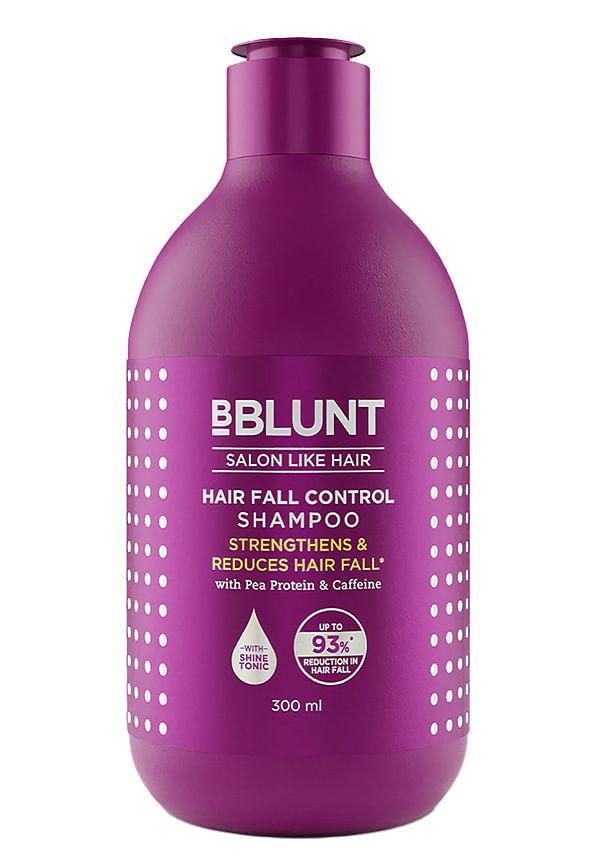
Hair Fall Control Shampoo with Pea Protein & Caffeine for Stronger Hair
You know that moment when you're running your fingers through your hair and suddenly there's way more in your hand than usual? Real talk — stress-related hair fall hits different, and it can feel pretty overwhelming when you're already dealing with whatever's causing the stress in the first place. The good news? Understanding how to choose the right shampoo for stress related hair fall can be your first step towards getting your hair back on track. Let's dive into what actually works and what's just marketing fluff.
Before we get into shampoo shopping, let's figure out what stress is doing to your hair. When your body goes through physical or emotional stress, it can push hair follicles into a resting phase called telogen effluvium. Basically, your hair decides to take a break from growing and starts shedding more than usual. This isn't the same as genetic hair loss — it's your hair's way of conserving energy during tough times.
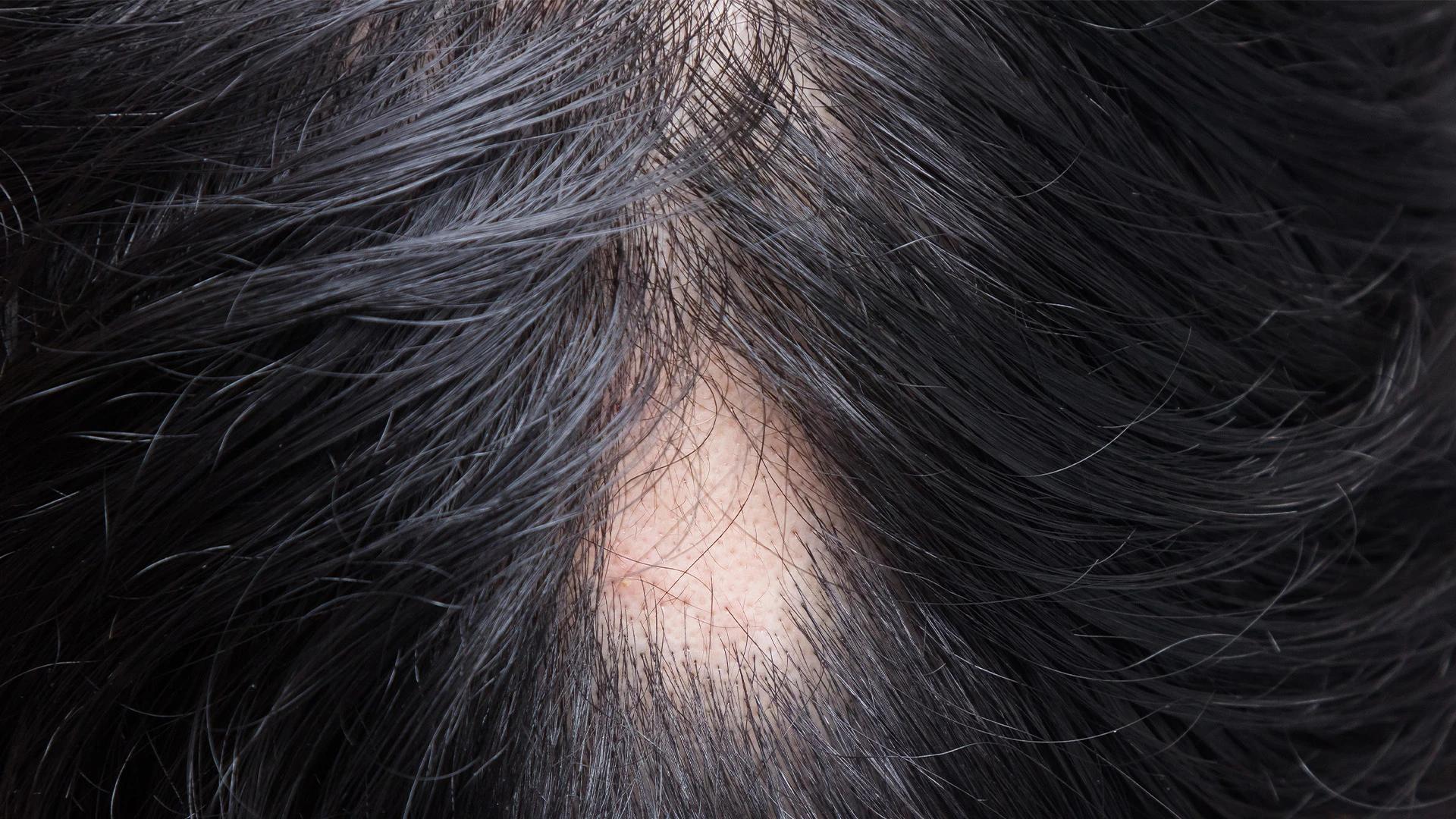
The tricky bit is that stress hair fall doesn't happen immediately. You might notice increased shedding 2-3 months after a stressful period, which can make it hard to connect the dots. Unlike pattern baldness that creates specific bald spots, stress-related hair fall usually causes diffuse thinning all over your scalp.
If you're shedding more than 100 strands daily (and yes, counting them isn't fun but it helps), experiencing overall thinning rather than specific bald patches, or noticing your hair feels weaker and more brittle, stress might be the culprit. Your scalp might also feel more sensitive or irritated than usual.
Physical stress from illness, surgery, crash diets, or major life changes can all trigger hair fall. Emotional stress from work pressure, relationship issues, or financial worries counts too. Even positive stress like getting married or starting a new job can affect your hair. Hormonal changes during pregnancy, menopause, or thyroid issues also fall into this category.
Not all shampoos are created equal, especially when it comes to tackling stress-related hair fall. The key is finding formulas with ingredients that actually address the root causes rather than just making your hair look temporarily fuller. Here's what to look for when you're scanning those ingredient lists.
Ketoconazole is worth obsessing over — this antifungal ingredient doesn't just tackle dandruff, it also has anti-inflammatory properties that can help create a healthier scalp environment. Studies show it might even help block DHT, a hormone linked to hair loss. Biotin and B-complex vitamins help strengthen hair structure from the inside out, while niacinamide (vitamin B3) improves blood circulation to your scalp, potentially encouraging better hair growth.
Caffeine isn't just for your morning coffee — when applied to your scalp, it can stimulate hair follicles and extend the growth phase of your hair cycle. Look for shampoos that list caffeine high up in their ingredient list for maximum benefit.
Saw palmetto acts as a natural DHT blocker, making it particularly useful for thinning hair. Rosemary oil has been shown in studies to be as effective as minoxidil for promoting hair regrowth, plus it smells amazing. Peptides help rebuild protein structures in damaged hair, while argan oil provides moisture without weighing fine hair down.
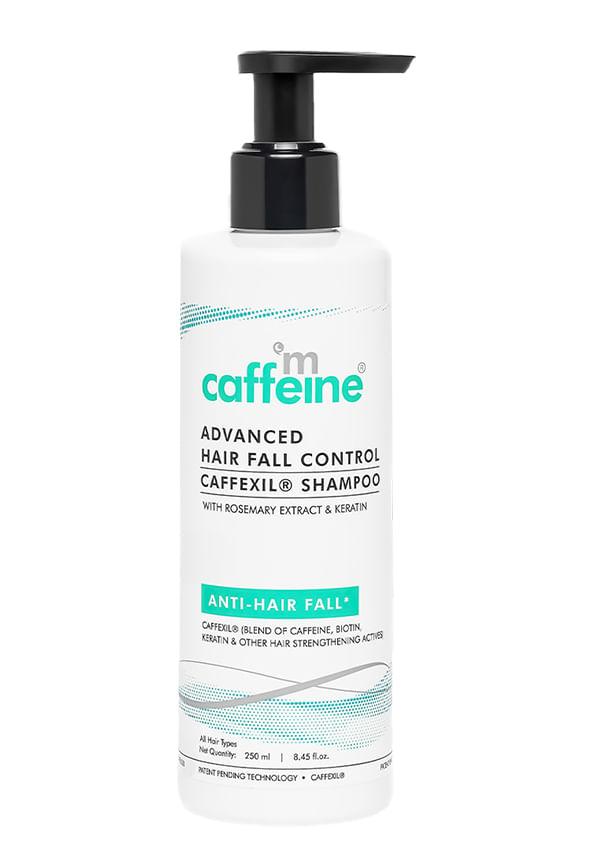
Advanced Hair Fall Control Caffexil® Shampoo With Keratin, Biotin & Rosemary
Skip harsh sulfates like SLS and SLES — they strip your scalp's natural oils, which is the last thing stressed hair needs. Heavy silicones can build up and make fine hair look even limper. Alcohol-based formulas will dry out your already stressed scalp, and artificial fragrances can irritate sensitive skin.
Your hair type plays a huge role in which hair fall treatment shampoo will work best for you. What works for thick, coarse hair might weigh down fine strands, and what's perfect for oily scalps might leave dry hair feeling even more parched.
If your hair is fine or already looking a bit limp, you need volumising formulas that won't add extra weight. Look for lightweight proteins that add structure without making hair feel heavy or sticky. Root-lifting ingredients like rice protein or hydrolysed wheat protein can help create the appearance of fuller hair while you're working on the underlying hair fall issue.
When stress has left your hair feeling brittle and prone to breakage, moisture becomes your best friend. Look for shampoos with natural oils like coconut, jojoba, or sweet almond oil. Protein treatments can help rebuild damaged hair structure, but make sure they're balanced with moisturising ingredients to avoid making hair feel straw-like.
If your scalp has become sensitive due to stress, natural formulations might be your safest bet. Sulfate-free and paraben-free options with organic botanical extracts like chamomile, aloe vera, or green tea can cleanse gently without causing irritation. pH-balanced formulas (between 4.5-6.5) help maintain your scalp's natural acid mantle.
Sometimes drugstore options aren't enough, and that's totally fine. There's a whole world of dermatologist-recommended hair regrowth shampoos that pack more punch than your average bottle. These often contain higher concentrations of active ingredients or prescription-strength formulations.
Medical-grade shampoos might include ingredients like ketoconazole at 2% concentration (compared to 1% in over-the-counter versions) or specialised peptide complexes that aren't available in regular formulations. Clinical studies on these products often show more dramatic results, but they also come with a higher price tag.
Women dealing with hormonal hair fall might benefit from shampoos that address oestrogen fluctuations, while men might need stronger DHT-blocking ingredients. If you're dealing with conditions like PCOS or thyroid issues, look for shampoos specifically formulated to address these underlying causes of stress hair loss remedies.
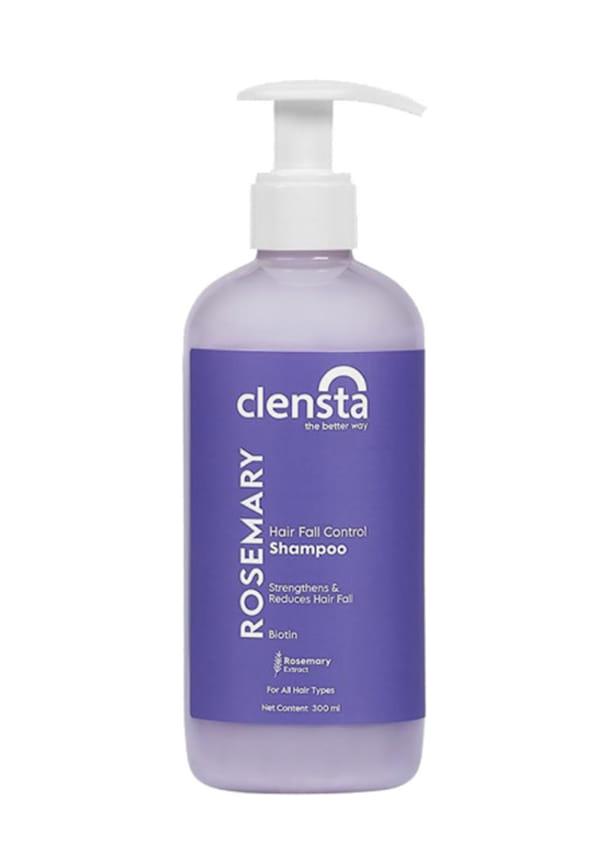
Rosemary Hair Fall Control Shampoo With Biotin For Reducing Hair Loss, Breakage & Daily Use
Ready to find your perfect match? Here's how to approach shampoo shopping like a pro, without getting overwhelmed by all the options out there.
Start with an honest assessment of your hair fall pattern. Are you losing hair all over or in specific spots? How long has this been going on? Is your scalp healthy or showing signs of irritation? This baseline helps you choose between gentle daily-use formulas and more intensive treatment options.
Are you looking to stop current hair fall, encourage new growth, or both? Do you need immediate cosmetic improvement or are you willing to wait for long-term results? Your timeline and expectations will guide whether you need a hair strengthening shampoo for daily use or a more intensive treatment formula.
Once you know what you're dealing with, match active ingredients to your specific situation. Inflammatory scalp conditions respond well to ketoconazole or tea tree oil. Weak, brittle hair needs protein and moisture. Poor circulation benefits from caffeine or rosemary oil.
How often do you wash your hair? Daily washers need ultra-gentle formulas that won't strip natural oils. If you wash 2-3 times weekly, you can handle more concentrated treatment shampoos. Factor in whether you use other styling products that might interact with your shampoo choice.
While finding the best shampoo for hair loss is important, it's just one piece of the puzzle. Stress-related hair fall responds best to a holistic approach that addresses both the symptoms and the underlying causes.
Scalp massage isn't just relaxing — it actually improves blood circulation to hair follicles. Spend a few minutes massaging your scalp while shampooing, or use a scalp massaging brush for extra stimulation. Essential oils like rosemary, peppermint, or lavender can boost the benefits while helping you relax.
Don't underestimate the power of stress management techniques. Regular exercise, meditation, adequate sleep, and a balanced diet all support healthy hair growth. Sometimes the best hair fall treatment is actually addressing the stress that's causing the problem in the first place.
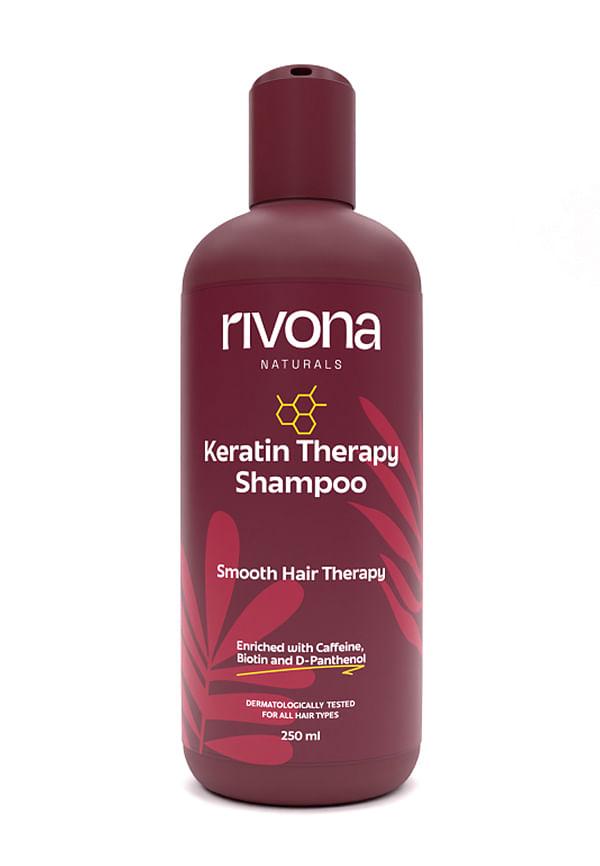
Keratin Shampoo with Biotin & Caffeine for Silky Hair
The best hair fall control shampoo depends on your specific hair type and the underlying cause of your hair loss. Look for formulas containing proven ingredients like ketoconazole, biotin, or caffeine, combined with gentle, sulfate-free cleansing agents. For stress-related hair fall, prioritise shampoos that support scalp health and strengthen existing hair while you address the root cause of stress.
Most people notice reduced hair shedding within 2-4 weeks of consistent use, while visible new hair growth typically takes 8-12 weeks to become apparent. Remember that hair grows slowly — about half an inch per month — so patience is key when using any hair regrowth shampoo.
Absolutely. Physical and emotional stress can push hair follicles into a resting phase, leading to increased shedding 2-3 months after the stressful event. This condition, called telogen effluvium, is usually temporary and reversible with proper care and stress management.
Yes, stress-damaged hair often benefits from gentler formulations with soothing and strengthening ingredients. Look for shampoos with anti-inflammatory properties, natural oils for moisture, and ingredients that support scalp health rather than harsh cleansing agents that might further stress your hair.
This depends on your hair type and scalp condition. Oily scalps might need daily washing with a gentle formula, while dry or damaged hair might benefit from washing every 2-3 days with a more intensive treatment shampoo. The key is keeping your scalp clean and healthy without over-stripping natural oils.
Natural shampoos can be gentler on stressed or sensitive scalps, but they're not automatically better than well-formulated synthetic options. The key is finding a formula that's free from harsh sulfates and irritating ingredients, whether that's a natural or conventional shampoo. Focus on the ingredient list rather than just the "natural" label.
Choosing the right shampoo for stress-related hair fall isn't about finding a miracle cure — it's about supporting your hair and scalp while you address the underlying stress. Look for gentle formulations with proven ingredients like ketoconazole, biotin, or caffeine, and avoid harsh sulfates that can further damage stressed hair. Remember that consistency is key, and most people see improvements within 4-8 weeks of regular use.
The most important thing? Don't panic. Stress-related hair fall is usually temporary and responds well to the right care. Focus on managing your stress levels, maintaining a healthy lifestyle, and using products that support rather than further stress your hair and scalp.
Not sure which specific formula might work for your hair type? Smytten offers trial-size versions of many hair fall treatment shampoos from trusted brands — a smart way to test different options before committing to full bottles. After all, finding your perfect hair care match shouldn't add to your stress levels.
