How to Choose Shampoo for Receding Hairline: A Simple Guide

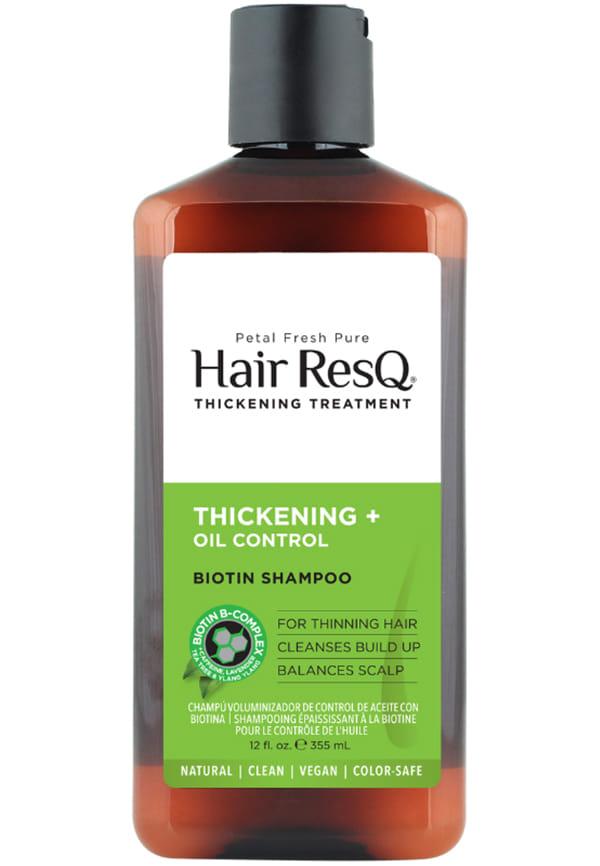
Hair ResQ Thickening Shampoo Oil Control
That moment when you catch your reflection and notice your hairline isn't quite where it used to be? Yeah, we've all been there. Whether it's those temples creeping back or your crown looking a bit thinner, a receding hairline can feel like your hair is staging a slow-motion exit. But here's the thing—the right shampoo can actually make a real difference. Not magic-wand-overnight kind of difference, but the kind that helps you work with what you've got and maybe even slow things down a bit.
Let's get real about what's actually happening up there. A receding hairline isn't just about getting older—though that's definitely part of it. For most people, it's down to genetics and hormones having a bit of a party at your hair follicles' expense.
The main culprit? Something called androgenetic alopecia, which is basically your hair follicles being way too sensitive to a hormone called DHT (dihydrotestosterone). For men, this usually starts with the classic M-shaped recession at the temples, then moves to the crown. Women tend to experience more diffuse thinning across the top of the head rather than a dramatic hairline shift. The pattern's different, but the underlying cause is pretty similar.
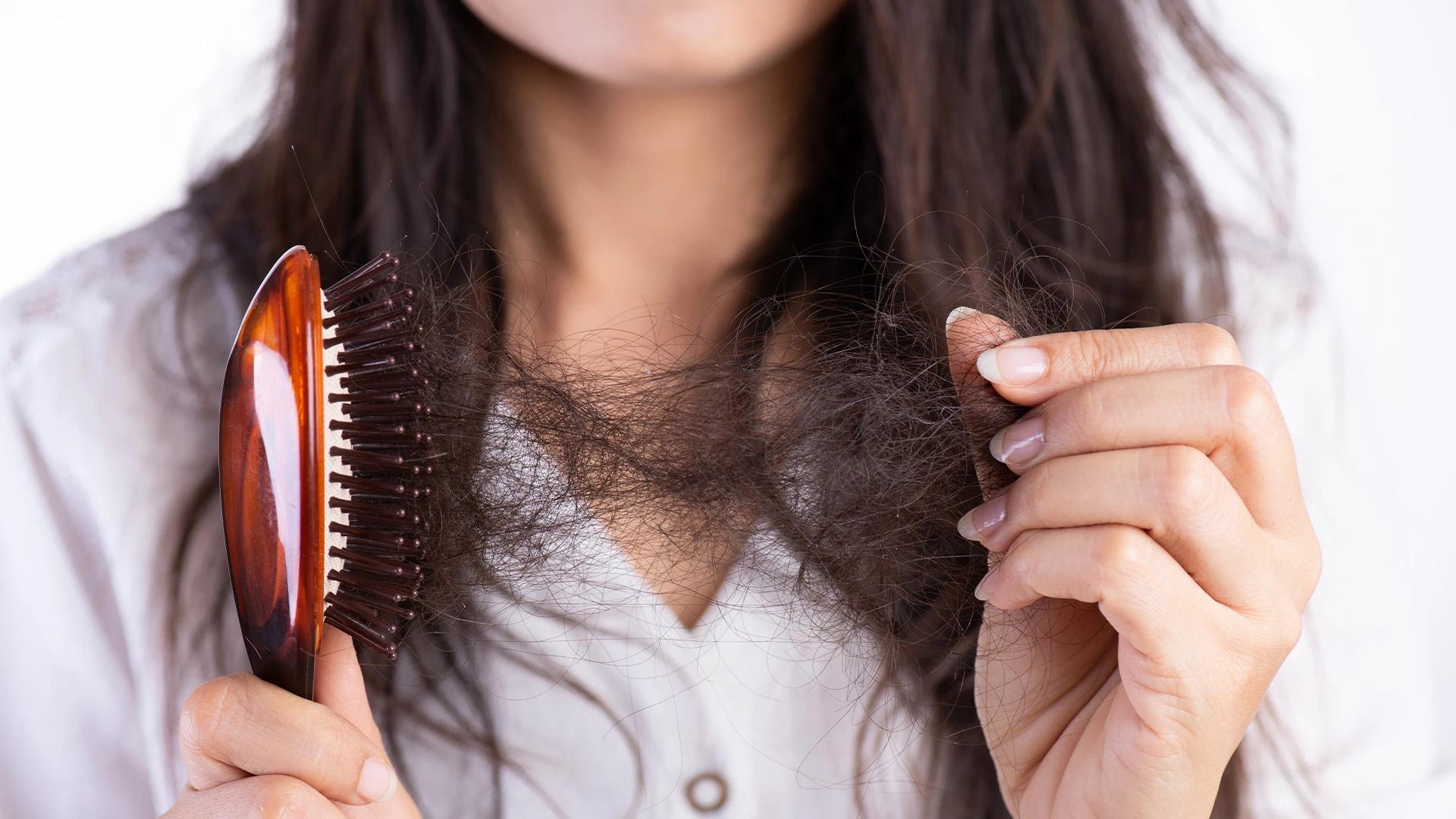
Spotting the early signs means you can actually do something about it before things get too obvious. Look out for your temples gradually moving back, more scalp showing through your hair when it's wet, or finding way more hair in your brush than usual. Your hair might also start feeling finer or weaker, even if you haven't changed your routine.
The earlier you start, the better your chances of keeping what you've got. If you're noticing any of those early signs, that's your cue to switch up your shampoo game. Don't wait until things get dramatic—prevention is always easier than trying to reverse significant hair loss later on.
Not all shampoos are created equal, especially when you're dealing with thinning hair. The ingredients list is where the magic happens, so let's break down what actually works and what's just marketing fluff.
Ketoconazole is your friend here—it's an antifungal that also happens to block DHT at the scalp level. You'll find it in concentrations of 1-2% in over-the-counter shampoos. Biotin and B-complex vitamins help strengthen hair from the inside out, while caffeine (yes, really) can stimulate blood flow to your follicles. Saw palmetto extract is another DHT blocker that's gentler than some of the pharmaceutical options.
If you're more into the natural route, rosemary oil has actually been shown to be as effective as some prescription treatments for hair growth. Peppermint oil creates a cooling sensation that boosts circulation, while ginseng and green tea extracts provide antioxidants that protect your follicles from damage. These natural shampoo for receding hairline options tend to be gentler on sensitive scalps too.
Your scalp's natural pH sits around 4.5-5.5, so look for shampoos that match this range. Sulfate-free formulations are crucial because harsh detergents can strip away natural oils and irritate already-stressed follicles. Instead, look for gentle cleansing agents like coco-glucoside or sodium cocoyl isethionate.
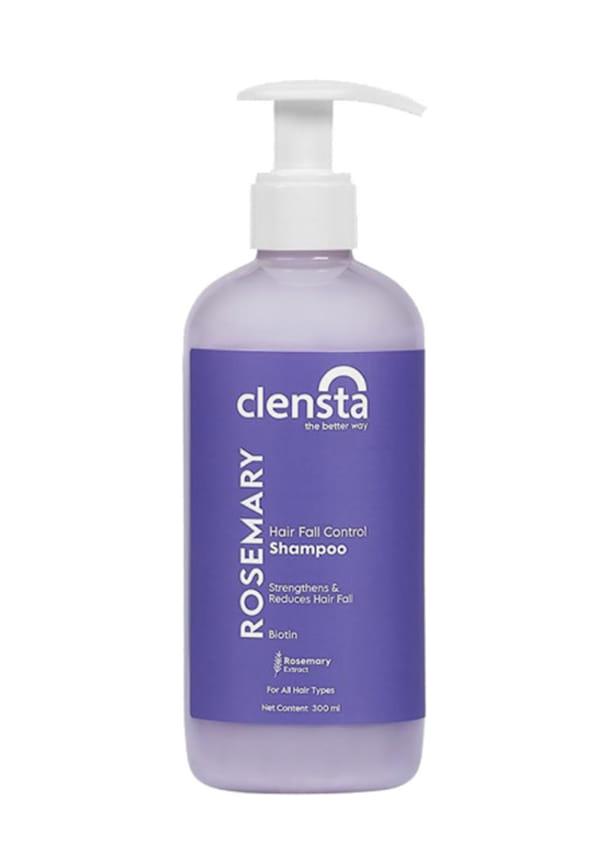
Rosemary Hair Fall Control Shampoo With Biotin For Reducing Hair Loss, Breakage & Daily Use
Where you are in your hair loss journey makes a big difference in what kind of shampoo will actually help. What works for early thinning might not be the best choice if you're dealing with more advanced hair loss.
When you're just starting to notice some thinning, volumising shampoos can be your best friend. Look for lightweight formulas that won't weigh down fine hair, and ingredients like rice protein or wheat protein that can temporarily plump up each strand. These are gentle enough for daily use, which is important when you're trying to maintain a consistent routine.
If your hair loss is more noticeable, you'll want something with more oomph. Hair thickening shampoo typically contains strengthening proteins like keratin or collagen, plus ingredients that can create the appearance of fuller hair. These might be a bit heavier, so you might not need to use them every single day—every other day could work better.
Sometimes your scalp just can't handle a lot of active ingredients, especially if you're dealing with sensitivity or irritation. Natural formulas with gentle plant-based cleansers and soothing ingredients like aloe vera or chamomile can clean your hair without causing additional stress to your follicles.
Your hair type doesn't disappear just because you're dealing with hair loss. In fact, working with your natural hair texture becomes even more important when you're trying to maximise what you've got.
Fine hair needs lightweight formulas that won't weigh it down, while thicker hair can handle richer, more moisturising shampoos. If you've got oily roots but dry ends (pretty common with thinning hair), look for balancing formulas that cleanse without over-drying. Colour-treated hair needs extra gentle care since chemical processing can make hair loss worse.
Dandruff and hair loss often go hand in hand, which is super annoying but totally manageable. Look for dandruff shampoo receding hairline formulas that contain zinc pyrithione or selenium sulfide alongside hair-strengthening ingredients. The key is treating both issues without making either one worse—some anti-dandruff ingredients can be quite drying.
Women's hair loss often has different triggers—hormonal changes, stress, nutritional deficiencies—so shampoo for women with thinning hair tends to focus on gentle nourishment rather than aggressive DHT blocking. Look for formulas with iron, zinc, and gentle botanicals that support overall hair health without disrupting hormonal balance.
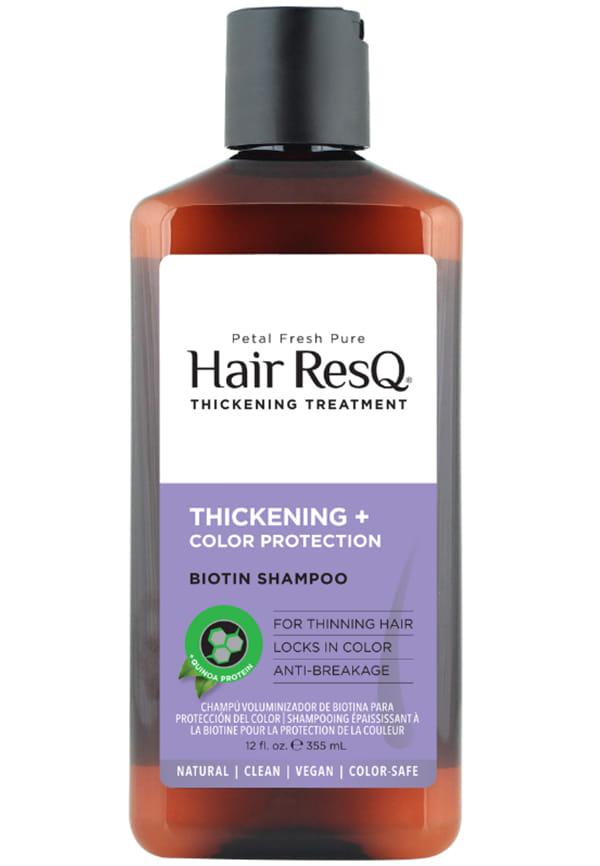
Hair ResQ Thickening Shampoo Color Protection
Even the best shampoo won't work if you're not using it properly. When you're dealing with weak hair or a sensitive scalp, technique matters just as much as the product itself.
Gentle is the name of the game here. Use lukewarm water (hot water can irritate your scalp and make hair more brittle), and massage the shampoo into your scalp with your fingertips, not your nails. Work in small circular motions for about 30 seconds, then rinse thoroughly. Don't scrub or tug—your hair is already stressed enough.
Most hair growth shampoo works best with consistent use, but that doesn't necessarily mean every single day. Start with every other day and see how your scalp responds. Some people find morning washing works better because it removes any overnight oil buildup, while others prefer evening washes to let active ingredients work overnight.
If you're using other treatments like minoxidil or prescription medications, timing matters. Generally, you'll want to shampoo first, then apply any leave-in treatments to clean hair. Make sure your conditioner is lightweight and won't interfere with other products you're using.
Sometimes what you don't put on your hair is just as important as what you do. Certain ingredients can actually make hair loss worse, especially if you're already dealing with sensitive or damaged follicles.
Harsh sulfates like sodium lauryl sulfate (SLS) can strip your scalp's natural oils and cause irritation that makes hair loss worse. High alcohol content can be super drying, and heavy silicones can build up on your scalp and clog follicles. Basically, anything that causes irritation or buildup is going to work against you.
Over-washing is a big one—even with gentle shampoo, daily washing can sometimes be too much for stressed hair. Using products meant for a different hair type is another mistake (like using shampoo for oily hair when yours is actually dry and damaged). And ignoring how your scalp feels is a red flag—if something stings or makes you itchy, it's not helping.
Be wary of shampoos promising overnight miracles or claiming to regrow hair completely. Real hair growth takes months, not days. Also watch out for products that won't tell you exactly what's in them, or that make claims without any scientific backing. If it sounds too good to be true, it probably is.
Sometimes over-the-counter shampoo just isn't enough, and that's totally okay. Knowing when to level up to professional help can save you time and potentially save more of your hair.
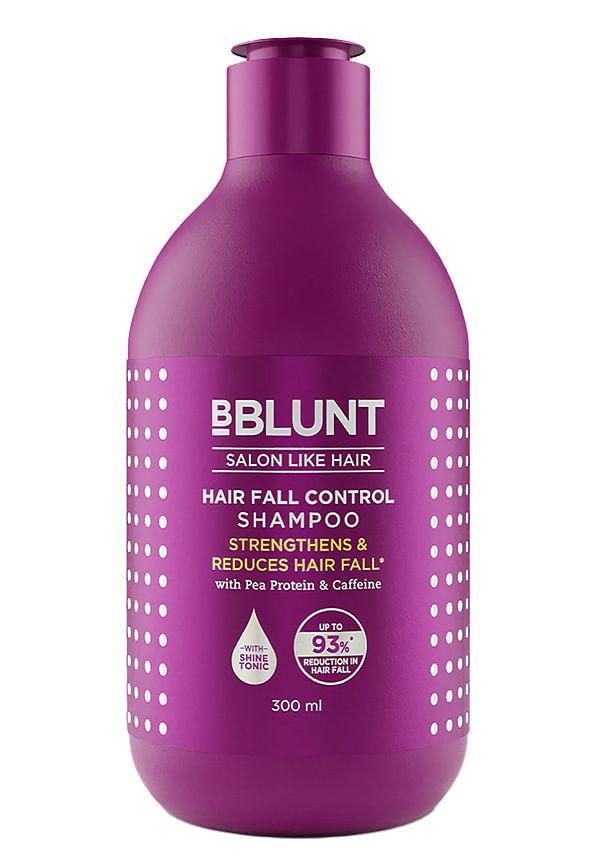
Hair Fall Control Shampoo with Pea Protein & Caffeine for Stronger Hair
If you're losing more than 100 hairs a day, have bald patches, or your hair loss is happening really quickly, it's time to see a dermatologist. They can prescribe stronger treatments and rule out underlying conditions that might be causing your hair loss. Sometimes the best shampoo for hair regrowth is actually a prescription one.
Give any new shampoo at least 3-6 months to show results—hair growth is slow, and you need to see a full growth cycle to know if something's working. Take photos in the same lighting every month so you can actually track changes. If you're not seeing any improvement after six months, it might be time to try something different.
The best shampoo depends on your specific hair type and the stage of your hair loss. Look for formulas containing ketoconazole, biotin, or natural DHT blockers like saw palmetto. Gentle, sulfate-free options work well for most people dealing with thinning hair.
While shampoo alone won't completely regrow a receding hairline, the right formula can help slow hair loss and improve the health of existing hair. Look for ingredients like caffeine, rosemary oil, and peptides that stimulate circulation and strengthen follicles. Consistency is key—use your chosen shampoo regularly for at least 3-6 months.
Shampoos with gentle cleansing agents and strengthening ingredients work best for hair fall. Look for biotin, keratin, or rice protein to strengthen weak hair, plus ingredients like zinc pyrithione or ketoconazole to address scalp health. Avoid harsh sulfates that can worsen hair loss.
Hair growth shampoo can help by creating a healthier scalp environment and strengthening existing hair, but it won't dramatically reverse a receding hairline on its own. The most realistic expectation is slowing hair loss and improving the appearance of thinning hair. For significant regrowth, you'll likely need additional treatments.
Most people start noticing improvements in hair texture and reduced shedding within 6-8 weeks of consistent use. Visible changes in hair density or regrowth typically take 3-6 months, as this allows for a complete hair growth cycle. Be patient and consistent with your routine.
While the basic principles are similar, men and women can benefit from different formulations. Hair loss shampoo for men often focuses more heavily on DHT blocking, while formulas for women tend to emphasise gentle nourishment and hormonal balance. However, many effective ingredients work well for both.
Choosing the right shampoo for your receding hairline isn't about finding a miracle cure—it's about supporting your hair and scalp health while you work with what you've got. Focus on gentle, consistent care with proven ingredients, and remember that real results take time. Whether you go for a natural shampoo for receding hairline or something with more active ingredients, the key is finding what works for your specific hair type and sticking with it.
The good news? You don't have to commit to full-size bottles right away. Smytten offers trial-size versions of many hair care products, letting you test different formulas before investing in the full bottle. With their curated selection of trusted brands and 100% cashback on trial minis, you can explore various options to find your perfect match without the guesswork.
