How to Choose Shampoo for Men's Straight Hair: A Simple Guide

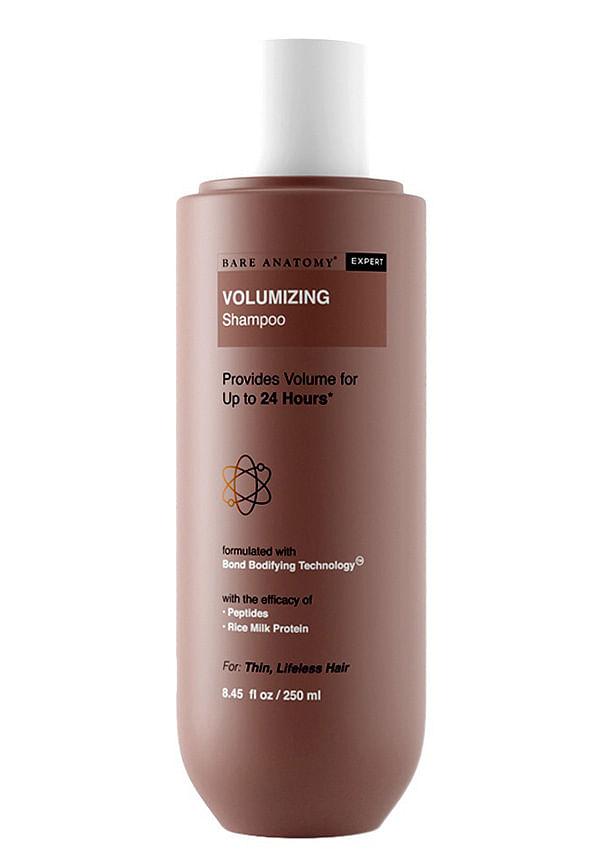
Expert Volumizing Hair Shampoo For Thicker, Fuller And Healthy Hair
Amazing Product with Good Texture
 5
5“Amazing and good texture overall really good product”
Must-have for Strengthening & Volume
5“a must have shampoo if you are someone who is looking to strengthen and volumnize your hair”
Nice Bare Anatomy Shampoo
5“nice shampoo thank you bare anatonmy”
You've probably been there—standing in the shampoo aisle, completely overwhelmed by endless bottles promising everything from "ultimate volume" to "deep cleansing power." For men with straight hair, the struggle is real. Your hair looks greasy by lunchtime, lacks any sort of volume, and somehow always feels either too dry or too oily. The truth is, straight hair has its own set of rules, and using just any shampoo isn't going to cut it. Let's break down exactly how to choose the right shampoo for straight hair men, so you can finally get that fresh, clean look that actually lasts.
Here's the thing about straight hair—it's basically a highway for oil. Unlike curly or wavy hair, where natural oils get caught up in the bends and curves, straight hair allows sebum to travel from your scalp straight down to the ends. This means your hair shows grease, product buildup, and even the smallest amount of dirt way faster than other hair types. Add to that the fact that men typically produce more oil than women due to higher testosterone levels, and you've got a recipe for hair that can look limp and greasy within hours of washing.
Straight hair has a round cross-section, which makes it reflect light differently and appear shinier—but also means it shows every bit of oil and product residue. The cuticles lie flatter against the hair shaft, creating that smooth surface we associate with healthy-looking hair. However, this same structure means that heavy products can weigh your hair down instantly, leaving you with that flat, lifeless look that's the opposite of what most men want.
Men's scalps produce significantly more sebum than women's, thanks to hormonal differences. This means that shampoos designed for women often don't provide the deep cleansing power that men's straight hair needs. Additionally, men's hair is typically shorter, which means the scalp oils don't have as far to travel before coating the entire hair strand. This is why men's hair products straight hair formulations focus more on oil control and less on heavy moisturising.
Before you grab the first bottle that promises "perfect hair," you need to understand your specific hair situation. Not all straight hair is created equal, and what works for your mate might leave your hair looking like you haven't washed it in a week. The key is identifying your hair's unique characteristics and matching them with the right formula.
Fine straight hair and thick straight hair have completely different needs. If you've got fine hair, it's going to show oil faster and get weighed down easier. Thick straight hair can handle slightly heavier formulas but might need more powerful cleansing agents to cut through oil buildup. A simple test: take a single strand of hair between your fingers—if you can barely feel it, you've got fine hair. If it feels substantial and you can easily feel its texture, you're dealing with thick hair.
Your scalp condition is just as important as your hair type when choosing the best shampoo for straight hair. Oily scalps need clarifying formulas that can cut through excess sebum without stripping the scalp completely. Dry scalps require gentle cleansing with some moisturising properties, while combination scalps (oily at the crown, drier at the temples) need balanced formulations that won't over-cleanse or under-cleanse any area.
Maybe you're dealing with thinning hair, dandruff, or you've recently coloured your hair. Each of these situations requires specific considerations when selecting a straight hair shampoo for men. Thinning hair needs gentle formulas that won't further stress fragile strands, while dandruff requires anti-fungal or exfoliating ingredients to address the underlying scalp condition.
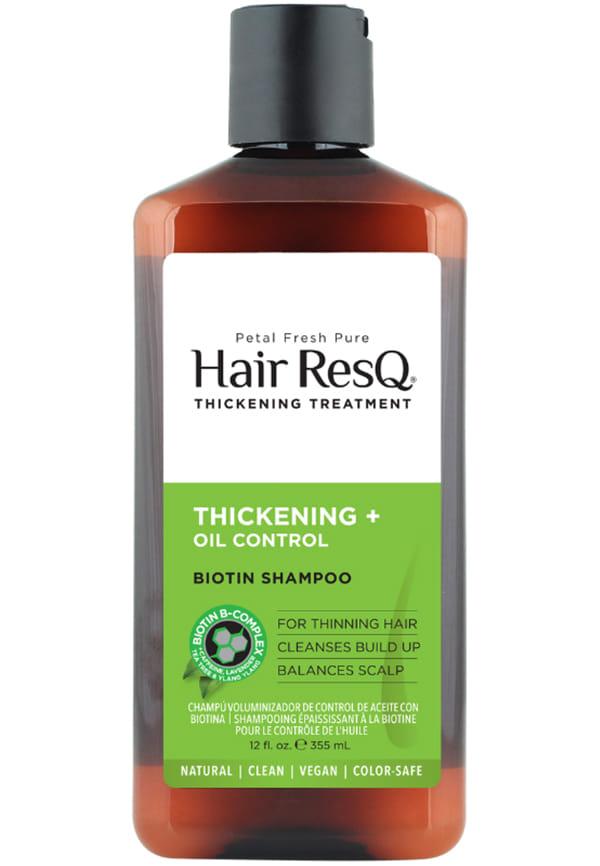
Hair ResQ Thickening Shampoo Oil Control
Now that you know your hair type, let's talk about matching it with the right shampoo formula. Different hair conditions require different approaches, and using the wrong type can actually make your hair problems worse. Think of it like choosing the right tool for the job—you wouldn't use a hammer when you need a screwdriver.
Fine hair is all about volume and avoiding anything that weighs it down. Look for volumising shampoos with lightweight proteins like hydrolysed wheat protein or rice protein. These ingredients add body without heaviness. Avoid anything with heavy moisturisers, oils, or silicones that will flatten your hair against your scalp. The goal is clean, bouncy hair that has some movement and doesn't look like it's glued to your head.
If your hair looks greasy by midday, you need a clarifying shampoo that can cut through oil buildup effectively. Look for ingredients like salicylic acid, tea tree oil, or charcoal that can deep-clean without being too harsh. These formulas typically have stronger cleansing agents that remove excess sebum and product buildup. You might need to wash daily or every other day, depending on how quickly your scalp produces oil.
Thinning hair requires a gentler approach. Look for shampoos with DHT-blocking ingredients like saw palmetto or caffeine that can help stimulate the scalp and potentially slow hair loss. These formulas should be sulphate-free to avoid further irritating a sensitive scalp. The focus should be on maintaining scalp health and creating the appearance of fuller hair through volumising ingredients.
Ingredients matter more than fancy packaging or bold claims. Understanding what's actually in your shampoo can help you make better choices and avoid products that might be working against your hair goals. Some ingredients are absolute game-changers for straight hair, while others can leave you looking worse than when you started.
Lightweight proteins like keratin and silk amino acids can add structure and body without weighing hair down. Natural oils like jojoba or argan oil in small amounts can provide moisture without greasiness. Vitamins like biotin and niacin can support scalp health, while gentle cleansing agents like cocamidopropyl betaine provide effective cleaning without stripping natural oils completely.
Heavy silicones like dimethicone can build up on straight hair and make it look flat and lifeless. Harsh sulphates like sodium lauryl sulphate can strip your hair too aggressively, causing your scalp to overproduce oil in response. Overly moisturising ingredients like shea butter or coconut oil can weigh down fine straight hair and make it look greasy faster.
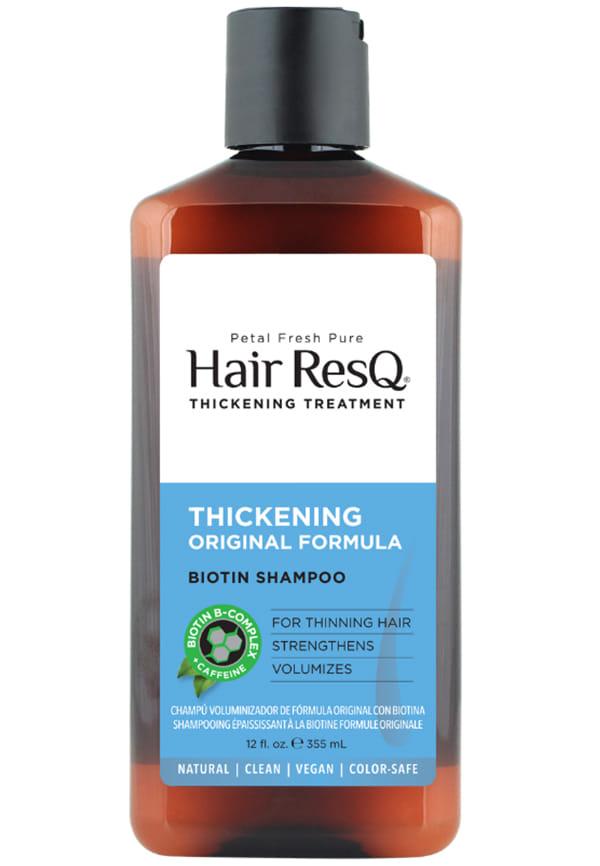
Hair ResQ Ultimate Thickening Shampoo Normal Hair
For thinning hair, look for caffeine, saw palmetto, or niacinamide. For oily hair, salicylic acid, tea tree oil, or zinc pyrithione can help control excess oil production. For sensitive scalps, aloe vera, chamomile, or oat extract can provide soothing properties without irritation.
Having the right shampoo is only half the battle—how you use it makes all the difference. Many men make basic mistakes in their washing routine that can undo all the benefits of choosing the right product. The way you apply, massage, and rinse your shampoo can dramatically affect how your hair looks and feels.
Start with thoroughly wet hair—lukewarm water opens the cuticles and helps the shampoo work more effectively. Use about a 10p coin-sized amount of shampoo and focus on massaging it into your scalp, not your hair lengths. The shampoo will clean your hair as you rinse it out. Massage for at least 30 seconds to stimulate blood flow and ensure thorough cleaning. Rinse completely—any leftover product will weigh your hair down and make it look dull.
Most men with straight hair need to wash every day or every other day, depending on their oil production and lifestyle. If you exercise regularly or work in a dusty environment, daily washing might be necessary. However, if your hair feels dry or your scalp is irritated, try extending to every other day. Your hair will tell you what it needs—greasy roots mean you need to wash more frequently, while dry, brittle hair suggests you're overwashing.
Gently squeeze excess water from your hair before towel drying—never rub vigorously as this can cause breakage and frizz. If you use conditioner, apply it only to the mid-lengths and ends, avoiding the scalp area. For styling products, apply them to damp hair for better distribution and hold.
Even with the best intentions, it's easy to make mistakes when selecting hair products. These common pitfalls can leave you frustrated and wondering why your hair never looks quite right, despite spending money on products that promise amazing results.
While the basic science of hair is the same regardless of gender, men's hair products are typically formulated to address higher oil production and different styling needs. Women's shampoos often contain more moisturising ingredients that can weigh down men's typically shorter, straighter hair. The pH levels and cleansing strength are also often different to account for hormonal differences in oil production.
Just because a product is trending on social media doesn't mean it's right for your hair type. Influencer recommendations might work for their hair, but your straight hair might have completely different needs. Focus on understanding your hair's specific requirements rather than following the latest viral hair product trend.
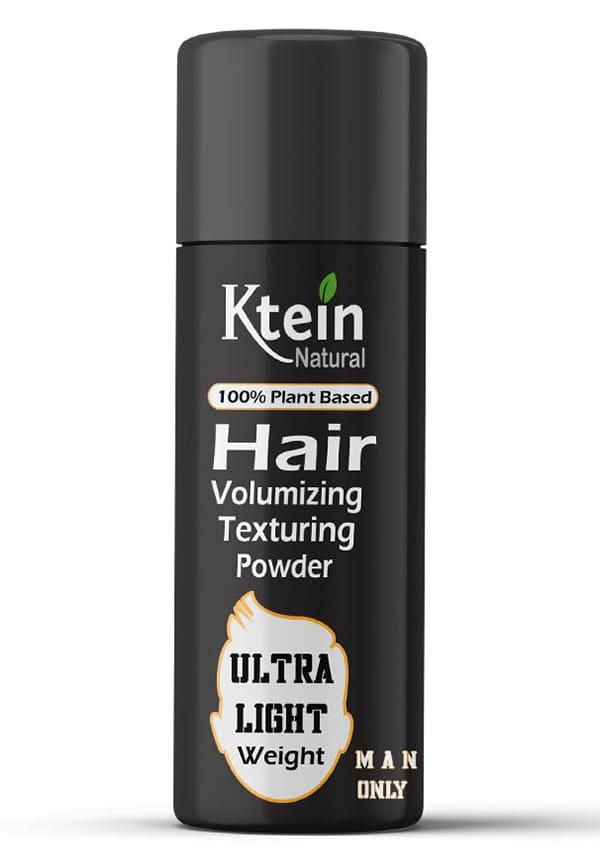
100% Natural Hair Volumizing & Texturing Dry Shampoo Powder
Many men focus solely on how their hair looks and forget that healthy hair starts with a healthy scalp. If your scalp is irritated, too oily, or too dry, no amount of good shampoo will give you the results you want. Pay attention to how your scalp feels after washing and adjust your routine accordingly.
Choose a lightweight, volumising shampoo with gentle cleansing agents if you have fine hair, or a clarifying shampoo with oil-control ingredients if you have oily hair. Look for formulas specifically designed for men's hair that address higher oil production without over-drying.
Most men with straight hair should wash every 1-2 days, depending on oil production and lifestyle factors. If you exercise regularly or have very oily hair, daily washing might be necessary. If your hair feels dry or your scalp is irritated, try extending to every other day.
While possible, men's hair-specific formulas address unique needs like higher oil production and different scalp pH levels. Regular or women's shampoos might not provide adequate oil control or could contain too many moisturising ingredients that weigh down straight hair.
Straight hair shampoos focus on oil control and volume, while curly hair formulas emphasise moisture and frizz control. Straight hair shows oil and product buildup faster, so these shampoos typically have stronger cleansing agents and fewer heavy moisturising ingredients.
Yes, gentle, DHT-blocking formulas with scalp-stimulating ingredients can help maintain hair health and appearance. Look for sulphate-free options with ingredients like caffeine, saw palmetto, or biotin that support scalp health without causing further irritation.
Choosing the right shampoo for men's straight hair doesn't have to be complicated once you understand your hair's specific needs. Focus on your hair texture, scalp type, and any particular concerns like thinning or excessive oiliness. Remember that straight hair shows oil and product buildup faster than other hair types, so you'll likely need more frequent washing with formulas designed for effective oil control.
The key is finding that sweet spot between thorough cleansing and maintaining your hair's natural moisture balance. Don't be afraid to experiment with different formulas until you find what works best for your hair—what matters is how your hair looks and feels, not what's trending or what works for someone else.
If you're still unsure which products might work best for your hair type, Smytten offers trial-size versions of many popular men's haircare products. This way, you can test different formulas and find your perfect match before committing to a full-size bottle—because finding the right shampoo shouldn't be a guessing game.
