How to Choose Shampoo for Hair Breakage: A Simple Guide

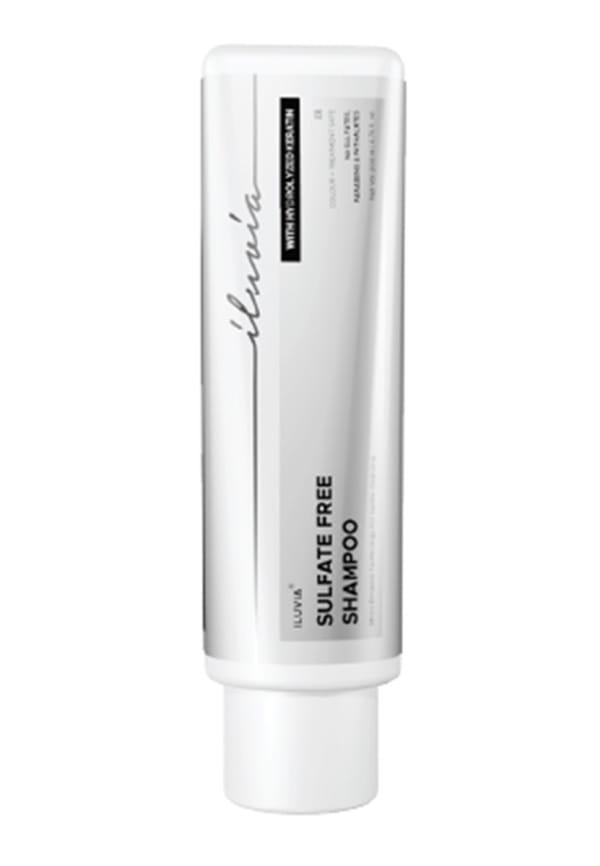
Sulfate Free Shampoo | For damaged, dry, dull hair
Amazing & Suitable Product
 5
5“its amazing product n suits best with the hair mask.. must buy”
Good for Dry Hair
5“nice product...good for dry hair..”
Positive Product Feedback
5“It is good product for everyone”
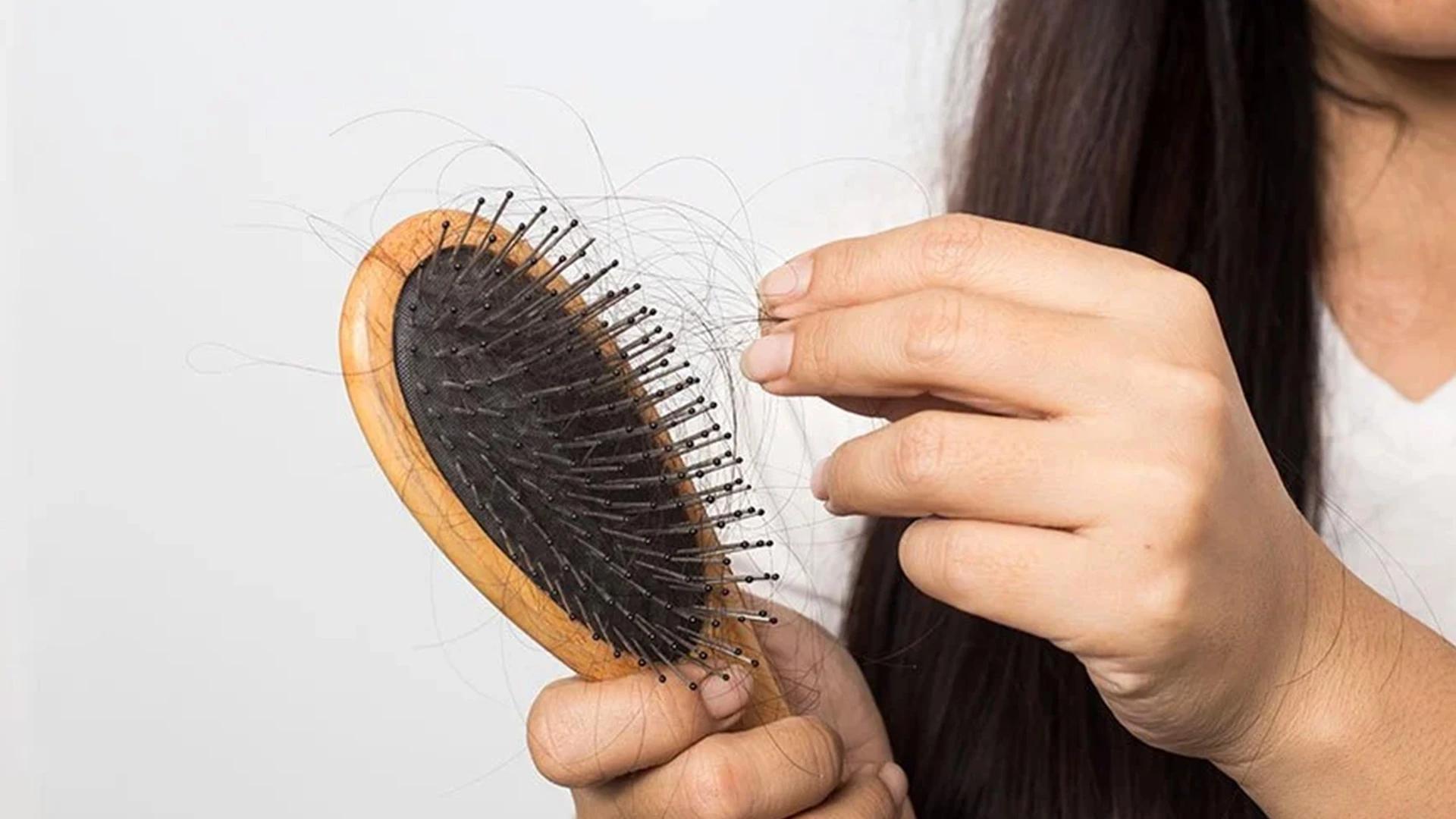
You know that sinking feeling when you run your fingers through your hair and find way too many broken strands? Or when you notice your ponytail looking thinner than it used to? Hair breakage is one of those sneaky problems that builds up over time, and by the time you notice it, your strands are already crying for help. The good news? The right shampoo can be a total game-changer in getting your hair back to its stronger, healthier self. Let's dive into how to choose the right shampoo for hair breakage without getting lost in all the marketing fluff.
Before we jump into shampoo shopping, let's get real about what hair breakage actually is. Unlike hair loss (where strands fall out from the root), breakage happens when your hair literally snaps along the shaft. Think of it like a worn-out elastic band that's been stretched too many times—eventually, it just gives up.
The telltale signs are pretty obvious once you know what to look for. You'll spot short, broken pieces scattered around your hairline, split ends that seem to multiply overnight, and hair that feels rough or straw-like to the touch. Your hair might also look dull, tangle easily, or refuse to hold styles the way it used to.
What causes this mess? Heat styling is a major culprit—those daily blow-dry sessions and straightening marathons are basically cooking your hair. Chemical treatments like colouring, perming, or relaxing can weaken your hair structure. Even seemingly innocent things like tight ponytails, harsh brushing, or sleeping on rough pillowcases can contribute to the problem. Environmental factors like sun exposure, pollution, and hard water don't help either.
The key thing to remember is that breakage is often preventable and definitely treatable. Your hair has an amazing ability to bounce back when you give it the right care, starting with the foundation of any good haircare routine—your shampoo.
Not all shampoos are created equal, especially when your hair is in repair mode. The ingredients list is where the magic happens, so let's break down what actually works for strengthening damaged hair.
Protein-based ingredients are your hair's best friends right now. Look for keratin (the same protein your hair is naturally made of), hydrolysed wheat protein, or silk amino acids. These ingredients work by filling in the gaps in damaged hair cuticles, essentially patching up the weak spots. Think of them as tiny construction workers rebuilding your hair from the inside out.
Moisturising components are equally crucial because breakage often happens when hair becomes too dry and brittle. Hyaluronic acid isn't just for skincare—it can hold up to 1,000 times its weight in water, making it brilliant for thirsty strands. Glycerin draws moisture from the environment into your hair, while natural oils like argan, coconut, or jojoba provide deep nourishment without weighing your hair down.
pH balance might sound technical, but it's actually super important for hair repair shampoo ingredients. Healthy hair has a slightly acidic pH of around 4.5 to 5.5. When your shampoo matches this range, it helps seal the hair cuticles, making your strands smoother and less prone to breakage. Many drugstore shampoos are too alkaline, which can actually make breakage worse by lifting the cuticles.
Gentle cleansing agents are non-negotiable when dealing with fragile hair. Traditional sulfates like sodium lauryl sulfate can be too harsh, stripping away natural oils that your damaged hair desperately needs. Instead, look for gentler alternatives that clean effectively without being aggressive.
Let's talk about why sulfate-free shampoo for breakage isn't just a trendy buzzword—it's actually science. Sulfates are powerful detergents that create that satisfying lather we all love, but they can be too aggressive for compromised hair. They strip away not just dirt and oil, but also the natural protective barriers your hair needs to stay strong.
When your hair is already weakened by breakage, the last thing you want is a shampoo that's going to stress it out further. Sulfate-free formulations use gentler cleansing agents like coco-glucoside, decyl glucoside, or sodium cocoyl isethionate. These ingredients clean your hair and scalp effectively while preserving the natural oils that keep your strands flexible and strong.
The benefits go beyond just being gentle. Sulfate-free shampoos tend to be better at maintaining your hair's natural moisture balance, which is crucial for preventing future breakage. They're also typically better for anyone with a sensitive scalp, as harsh sulfates can cause irritation and inflammation that affects hair growth.
Fair warning though—switching to sulfate-free can take some getting used to. You might notice less lather at first, and your hair might feel different for the first few washes as it adjusts. This is totally normal and usually settles down within a week or two. Some people find they need to shampoo twice to get that clean feeling, which is perfectly fine as long as you're using a gentle shampoo for sensitive scalp types.
Not all breakage is the same, and your shampoo choice should reflect your specific situation. Let's break down the most common scenarios and what to look for in each case.
If you're dealing with both breakage and thinning, you need a shampoo that strengthens without weighing your hair down. Look for lightweight proteins like hydrolysed silk or rice protein that add strength without bulk. Biotin and caffeine are great additions that can help stimulate the scalp while fortifying existing strands. Avoid heavy oils or thick, creamy formulas that might make fine hair look flat.
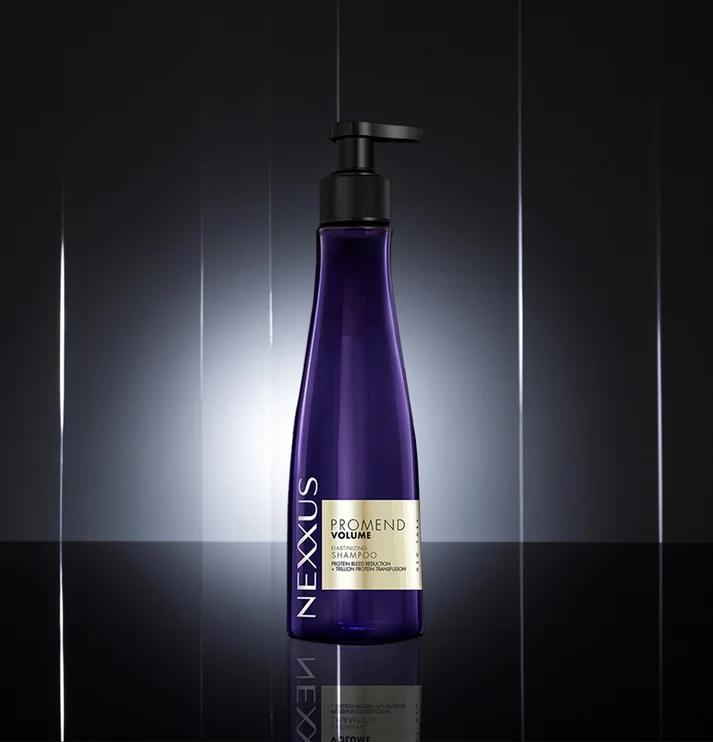
A good example that hits both notes is the Nexxus Promend Volumizing Shampoo. Built on elastin protein and patented bond generation technology, it works from the inside to strengthen each strand and restore elasticity, helping to reduce protein loss by up to 80% so fragile hair is less likely to snap. The clever part is that it does this with a lightweight gel texture that adds visible body and root lift rather than flattening fine hair, so you get strength and fullness in one step without any greasy heaviness. The soft jasmine scent is a nice finishing touch too. If your strands are both breaking and looking thinner than they used to, this is a sensible daily-use pick.
When your scalp is dry and your hair is breaking, you need a dual-action approach. Look for shampoos with ingredients like tea tree oil or salicylic acid that gently exfoliate the scalp, combined with moisturising elements like shea butter or ceramides. The key is finding a formula that hydrates without causing buildup, which can make both scalp and hair issues worse.
Chemical treatments like colouring, perming, or relaxing can seriously compromise your hair's structure, making it more prone to breakage. You need a shampoo specifically designed for chemically treated hair that focuses on rebuilding damaged cuticles. Look for colour-safe formulas with UV protection, and ingredients like quinoa protein or olaplex-style bond builders that help repair chemical damage at a molecular level.
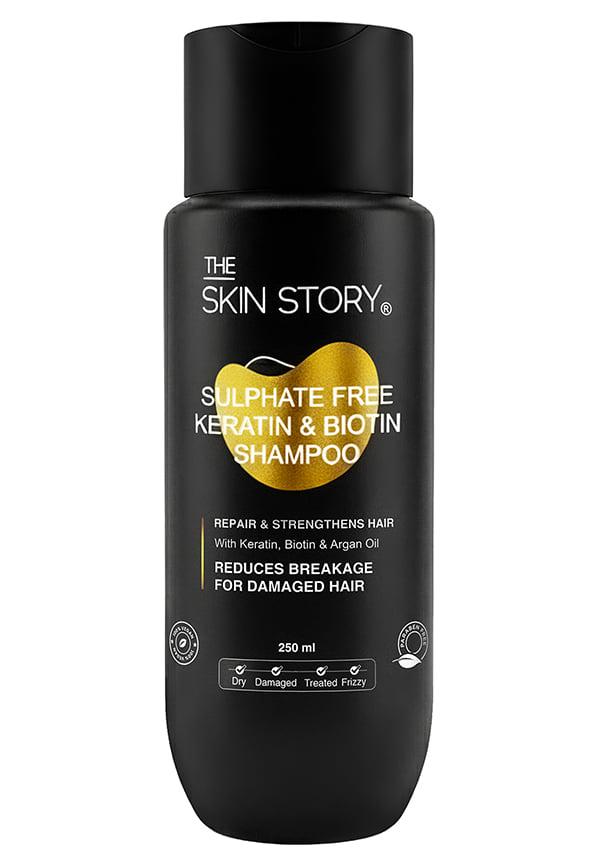
Sulphate Free Keratin Biotin Shampoo For Damaged Hair
Good Shampoo
5“love it it's really good shampoo”
Product well-loved
5“Loved this product very much...”
Your hair type plays a huge role in determining which strengthening shampoo for damaged hair will work best for you. What works brilliantly for your curly-haired friend might be completely wrong for your fine, straight strands.
Fine hair needs lightweight formulas that won't weigh it down. Look for volumising shampoos with gentle proteins and avoid anything too rich or creamy. Your hair needs strength, but it also needs to maintain its natural body and movement. Ingredients like rice protein or wheat amino acids are perfect because they're small enough to penetrate the hair shaft without adding bulk.
Thick or coarse hair can handle richer formulations and actually benefits from them. You can go for shampoos with heavier moisturising ingredients like shea butter, coconut oil, or glycerin. Your hair has more cuticle layers, so it needs more intensive hydration to stay flexible and prevent breakage.
Curly and textured hair has unique needs because the curl pattern creates natural weak points where breakage often occurs. Cream-based, ultra-hydrating shampoos work best, and you might even benefit from co-washing (using conditioner to cleanse) some of the time. Look for shampoos specifically designed for curls that focus on moisture retention and curl definition.
Straight hair tends to show damage more easily, so you need a balanced approach. You want enough moisture to prevent breakage but not so much that your hair looks greasy or limp. Look for lightweight, pH-balanced formulas that smooth the cuticles without over-conditioning.
Having the right shampoo is only half the battle—how you use it matters just as much. These preventing hair breakage tips can make a huge difference in your results.
First, let's talk technique. Wet your hair thoroughly with lukewarm water (hot water can actually cause more damage). Apply shampoo primarily to your scalp and roots, not the lengths of your hair. Your scalp is where oil and product buildup happen, so that's what needs the most cleaning. As you rinse, the shampoo will naturally clean the rest of your hair without you having to scrub the delicate ends.
Be gentle with your application. Think massage, not scrub. Use your fingertips, not your nails, and work in circular motions to stimulate circulation without causing friction. If your hair is particularly tangled, gently detangle with a wide-tooth comb before shampooing to prevent unnecessary pulling and breaking.
Frequency matters too. If your hair is severely damaged, you might benefit from shampooing less often—maybe every other day or even just twice a week. This gives your natural oils time to nourish and protect your strands. On non-shampoo days, you can rinse with water or use a gentle co-wash if needed.
Consider pre-shampoo treatments for extra protection. A light oil treatment or protein mask applied before shampooing can create a protective barrier and provide extra nourishment. Just make sure to use these sparingly—too much protein can actually make hair more brittle.
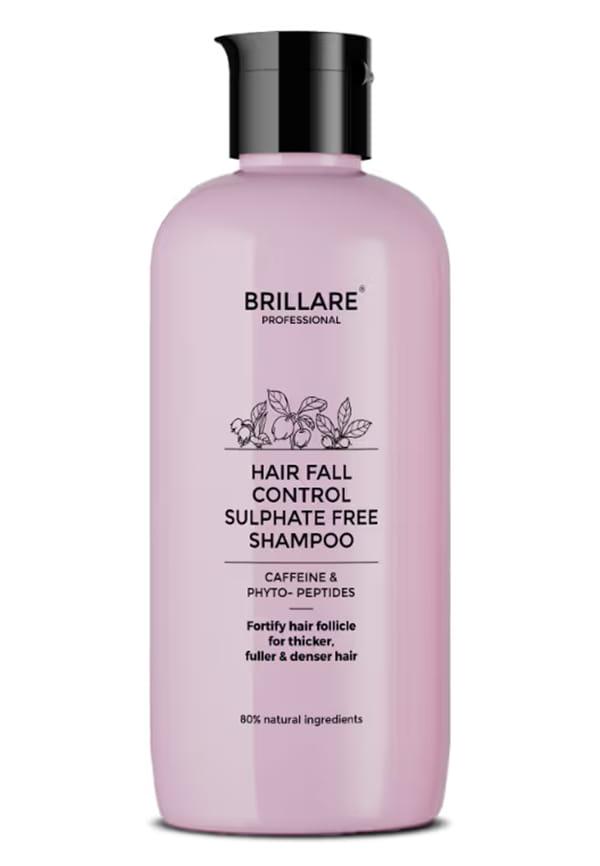
Hair Fall Control Sulfate Free Shampoo
The best shampoo for breakage is typically sulfate-free with protein-enriched formulas that have a pH between 4.5-5.5. Look for ingredients like keratin, hydrolysed proteins, and gentle cleansing agents that strengthen hair without stripping natural oils. The specific formula should match your hair type—lightweight for fine hair, richer for thick or curly hair.
If your hair is breaking, washing every other day or 2-3 times per week is usually ideal. This allows your natural oils to nourish and protect your strands while still keeping your scalp clean. Over-washing can strip protective oils, while under-washing can lead to buildup that weighs hair down and causes more breakage.
Absolutely. Shampoos with harsh sulfates, high pH levels, or drying alcohols can strip your hair's natural protective barriers, making it more prone to breakage. Using a shampoo that's too heavy for your hair type can also cause buildup that weighs hair down and creates stress points where breakage occurs.
Yes, chemically treated hair needs specialised care. Look for shampoos specifically designed for colour-treated, permed, or relaxed hair. These formulas typically contain bond-building ingredients, UV protection, and gentler cleansing agents that won't interfere with your chemical treatment or cause additional damage.
You might notice your hair feeling softer and more manageable within a week or two, but significant improvement in breakage typically takes 4-6 weeks of consistent use. Remember, you're not just treating existing damage—you're also preventing new breakage, so patience is key for the best results.
Choosing the right shampoo for hair breakage doesn't have to be overwhelming once you know what to look for. Focus on sulfate-free formulas with strengthening proteins, moisturising ingredients, and a pH that matches your hair's natural acidity. Match the formula intensity to your hair type—lightweight for fine hair, richer for thick or textured hair.
Remember that consistency is key. It takes time to repair damaged hair and prevent future breakage, so give your new routine at least a month to show real results. Pay attention to how you apply your shampoo too—gentle technique and appropriate frequency can make a huge difference in your hair's health.
The beauty industry offers countless options, and finding your perfect match might take some trial and error. Smytten's curated selection includes strengthening shampoos from trusted brands, with the added benefit of cashback on purchases and India-wide delivery. Not sure which formula works for your specific hair concerns? Smytten also offers trial-size versions of many of these products—a smart way to test before committing to a full bottle.
