How to Choose Shampoo: A Guide for Every Hair Type
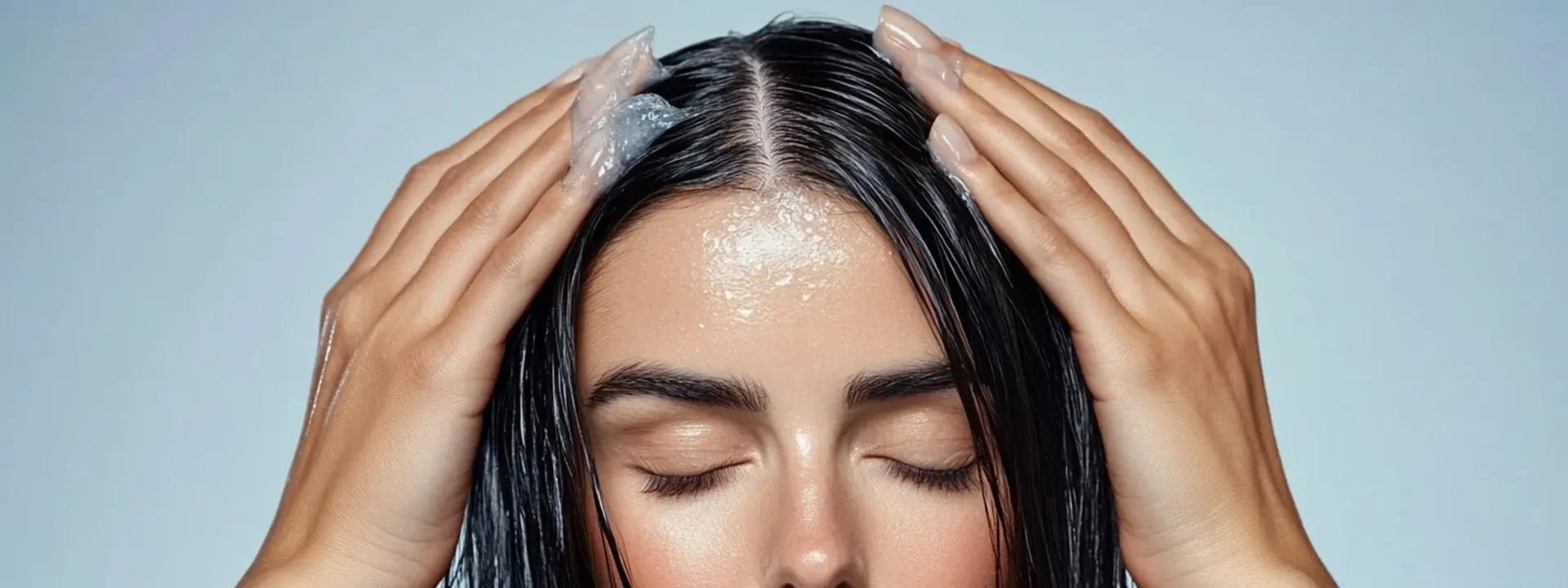


Jonk Shampoo Hair Cleanser for Men & Women
Excellent Product Quality
 5
5“good product good quality product”
Happy with Product & Price
5“Satisfactory and Happy products and Reasonable price”
Standing in the shampoo aisle, staring at endless bottles promising everything from "salon-worthy shine" to "ultimate volume," can feel overwhelming. You've probably grabbed whatever looked good or stuck with the same bottle for years, wondering why your hair never quite feels right. Here's the thing: choosing the right shampoo isn't about the fanciest packaging or the most promises—it's about understanding what your scalp actually needs and matching that to the right formula.
Let's be real—most of us focus on our hair strands when picking shampoo, but your scalp is where the magic happens. Think of it like skincare for your head. Just as you wouldn't use the same face wash for oily and dry skin, your scalp has its own personality that needs the right attention.
Your scalp's oil production is the biggest clue to finding your perfect match. An oily scalp feels greasy by the end of the day, maybe even by lunchtime if you're really dealing with excess sebum. You'll notice your roots looking flat and lifeless, and you might find yourself reaching for dry shampoo more often than you'd like. On the flip side, a dry scalp feels tight, sometimes itchy, and you might see flakes that aren't quite dandruff—just your scalp crying out for moisture.
Here's something that might surprise you: healthy hair starts at the scalp, not the ends. Your scalp produces natural oils that travel down your hair shaft, providing protection and shine. When you choose shampoo based on your scalp type rather than just your hair texture, you're setting up the perfect environment for your hair to thrive naturally.
Now that you know your scalp type, let's talk about matching it to the right shampoo formula. This is where understanding different types of shampoo becomes your superpower in the haircare game.
If you're dealing with oily hair, you need a shampoo that can cleanse thoroughly without stripping your scalp so much that it overproduces oil in response. Look for clarifying formulas with ingredients like salicylic acid or tea tree oil—they're brilliant at cutting through excess sebum while keeping your scalp balanced. Volumising shampoos work well here too, as they tend to be lighter and won't weigh down your roots.
Dry hair needs gentle cleansing and serious hydration. This is where sulfate free shampoo becomes your best friend. Sulfates can be too harsh for already-dry strands, stripping away what little natural oil you have. Instead, look for hydrating ingredients like glycerin, hyaluronic acid, or natural oils. These formulas cleanse gently while adding moisture back into your hair and scalp.
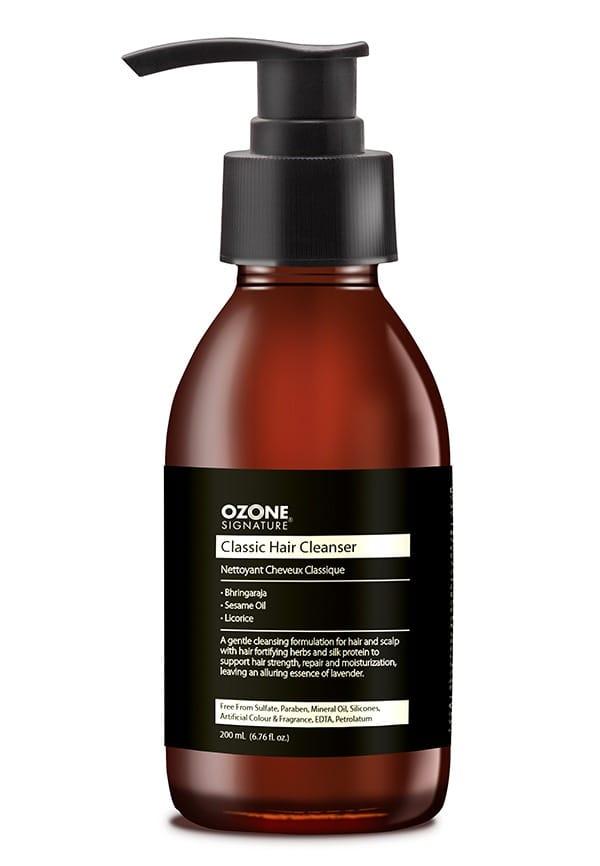
Classic Hair Cleanser
Coloured hair is essentially damaged hair—the chemical process opens up your hair cuticles, making them more porous and prone to losing both moisture and colour. The best shampoo for colour-treated hair will be sulfate-free and packed with protective ingredients. Look for UV filters to prevent sun damage and proteins to help repair the hair structure. These formulas are typically gentler and designed to cleanse without stripping your colour.
Fine hair gets weighed down easily, so you'll want lightweight, volumising formulas that won't leave residue. Thick, coarse, or curly hair can handle richer, more moisturising shampoos with ingredients like argan oil or shea butter. The key is finding that sweet spot where your hair feels clean but not stripped, nourished but not heavy.
Reading shampoo labels can feel like trying to decode a chemistry textbook, but understanding a few key ingredients can help you make smarter choices. Let's break down what you're actually putting on your scalp and why it matters.
Sulfates (those ingredients ending in sulfate like sodium lauryl sulfate) are powerful cleansers that create that satisfying lather we all love. They're brilliant at removing oil, dirt, and product buildup, but they can be too harsh for dry, damaged, or chemically treated hair. If your hair feels squeaky clean but also dry and tangled after washing, sulfates might be the culprit.
Natural doesn't always mean better, but some plant-based ingredients are genuinely effective. Tea tree oil is antimicrobial and great for oily or dandruff-prone scalps. Coconut-derived cleansers are gentler alternatives to traditional sulfates. Rice water has been used for centuries in Asian cultures for its strengthening proteins. The key is looking for natural ingredients that have actual benefits, not just trendy names.
If you're dealing with dandruff, look for zinc pyrithione, selenium sulfide, or ketoconazole. For hair growth support, caffeine, niacin, and peppermint oil can help stimulate blood flow to the scalp. Damaged hair benefits from proteins like keratin or amino acids that help fill in gaps in the hair cuticle.
Knowing how to choose shampoo is only half the battle—how you use it matters just as much. Your hair washing routine should be tailored to your specific needs, and that includes how often you wash, how you apply your shampoo, and what you do afterwards.
Oily scalps might need daily washing, especially if you live in a humid climate or exercise regularly. Normal scalps usually do well with every other day, while dry or chemically treated hair often benefits from washing just 2-3 times per week. Pay attention to how your scalp feels—if it's getting oily quickly, you might need to wash more often. If it feels tight or itchy, you might be overwashing.
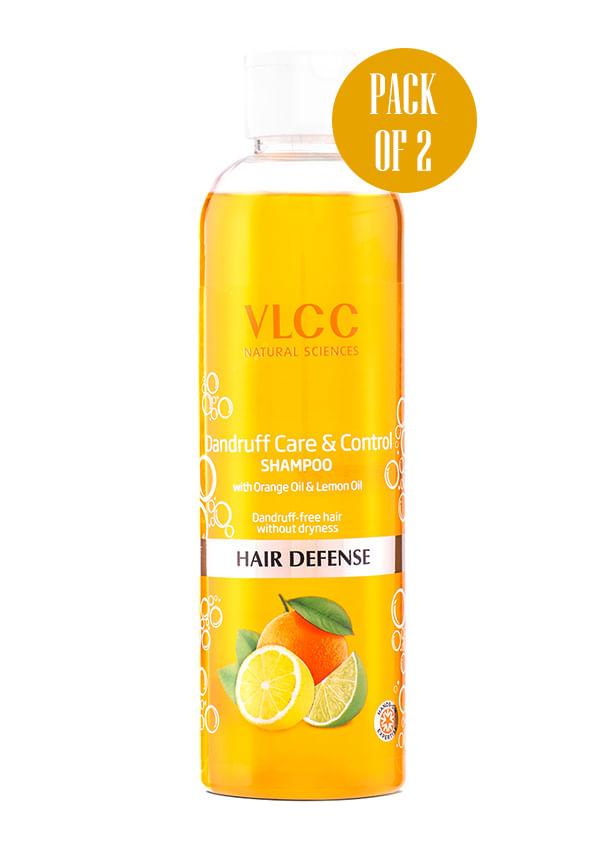
Dandruff Care & Control Shampoo - with Buy One Get One
Nice fragrance, not effective for dandruff
4“Nice fragrance but not much effective for dandruff.”
Excellent Value
5“Just wow! So good & value for money.”
Amazing Hair Product
4“I tried lots of product but it was amazing product for hair”
Focus your shampoo on your scalp, not your hair lengths. Your scalp is where the oil and buildup accumulate, and the shampoo will naturally cleanse your hair as you rinse. Use lukewarm water—hot water can strip natural oils and irritate your scalp, while cold water won't effectively remove oil and product buildup.
Your shampoo and conditioner should work together as a team. If you're using a clarifying shampoo for oily hair, follow with a lightweight conditioner applied only to your mid-lengths and ends. Dry hair that needs a gentle, moisturising shampoo can handle a richer conditioner applied more generously.
Your hair isn't static—it changes with seasons, hormones, age, and life circumstances. What worked in your twenties might not work in your thirties. Pregnancy, menopause, stress, and even moving to a different climate can all affect your hair and scalp needs.
If you're experiencing hair loss or thinning, gentle is the way to go. Look for volumising formulas that won't weigh down fine hair, but avoid anything too harsh that might further stress fragile strands. Scalp health becomes even more important when you're dealing with hair loss, as a healthy scalp environment supports whatever hair growth is possible.
Winter air can dry out your scalp, meaning you might need to switch to a more moisturising formula during colder months. Summer humidity might require a clarifying shampoo to deal with increased oil production and product buildup from sunscreens and styling products.
When you're ready to try a new shampoo, give it a proper chance. Your hair needs time to adjust to new formulas, so use a new shampoo for at least 2-3 weeks before deciding if it's working. If you have sensitive skin, do a patch test first—apply a small amount behind your ear and wait 24 hours to check for any reaction.
Signs that a shampoo is working: your scalp feels balanced (not too oily or too dry), your hair has natural movement and shine, and you're not dealing with excessive tangling or breakage. Signs it's not working: increased oiliness or dryness, scalp irritation, or hair that feels consistently dull or lifeless.
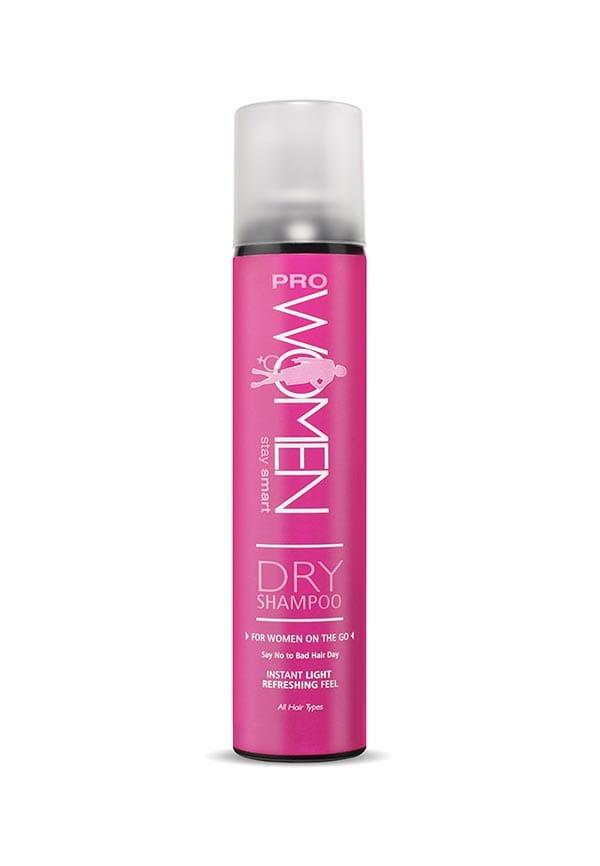
Dry Shampoo
Positive Product Review
5“I loved the product it was great.”
Start by identifying your scalp type rather than just your hair texture. Oily scalps need clarifying or volumising formulas, dry scalps benefit from gentle, moisturising shampoos, and normal scalps can handle most formulas. Consider any specific concerns like colour protection or damage repair when making your final choice.
Sulfate free shampoo is ideal for dry, damaged, or colour-treated hair, as sulfates can be too harsh and stripping. However, if you have very oily hair or use a lot of styling products, you might need the stronger cleansing power of sulfates occasionally.
This depends entirely on your scalp type and lifestyle. Oily scalps might need daily washing, normal scalps every other day, and dry or chemically treated hair 2-3 times per week. Listen to your scalp—it will tell you when it needs cleansing.
Your hair needs can change seasonally. You might need more moisturising formulas in winter and clarifying options in summer. Pay attention to how your hair responds to different weather conditions and adjust accordingly.
Salon shampoos often have more concentrated formulas and specialised ingredients, but many affordable options can be just as effective when matched to your specific needs. The key is finding the right formula for your hair type, regardless of price point.
Choosing the right shampoo doesn't have to be complicated once you understand your scalp's needs and what different formulas can offer. Remember that your hair is unique, and what works for your friend might not work for you—and that's perfectly normal. The key is paying attention to how your scalp and hair respond to different products and adjusting accordingly.
Whether you're dealing with oily roots, dry ends, colour protection, or just want healthier-looking hair overall, there's a shampoo formula out there that's your perfect match. Take time to understand your hair's personality, read ingredient lists, and don't be afraid to switch things up when your needs change. Your hair will thank you for the attention, and you'll finally have those good hair days you've been chasing. Not sure which shampoo might work best for your specific needs? Smytten offers trial-size versions of many different shampoo formulas from trusted brands—a smart way to test before committing to a full bottle.
