How to Choose Hair Thinning Treatments for Women & Men

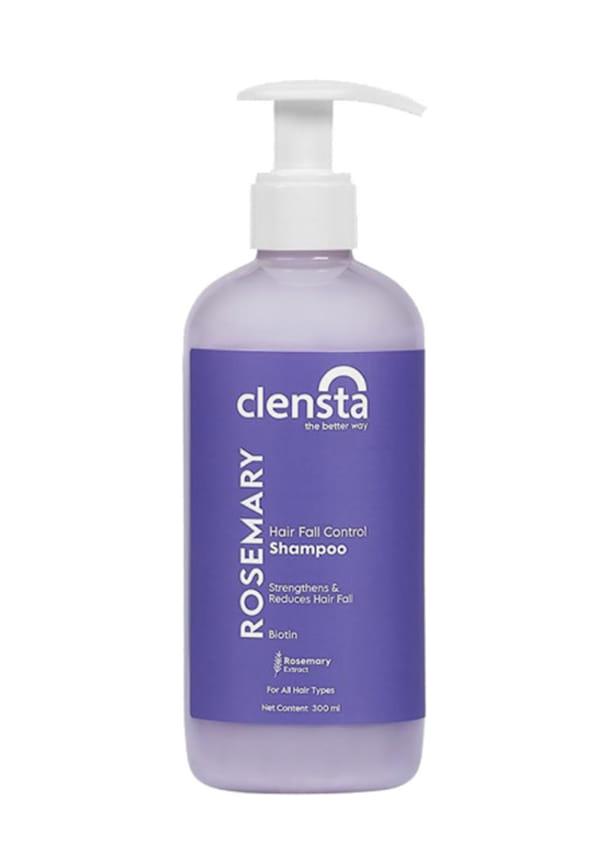
Rosemary Hair Fall Control Shampoo With Biotin For Reducing Hair Loss, Breakage & Daily Use
Great Face Cream with SPF
 5
5“I really liked this face cream. The texture is smooth, absorbs quickly, and doesn’t feel greasy. It keeps my skin moisturized and the SPF 30 is a great added benefit for daily sun protection. Suitable for everyday use.”
Excellent Product!
5“Here's the revised 25-word review: "Life-changing product! Reduced inflammation, improved sleep, and increased energy. Easy to use and backed by science. Highly recommend for natural wellness seekers!"”
Product Recommendation
4“Recommended by friend very good”
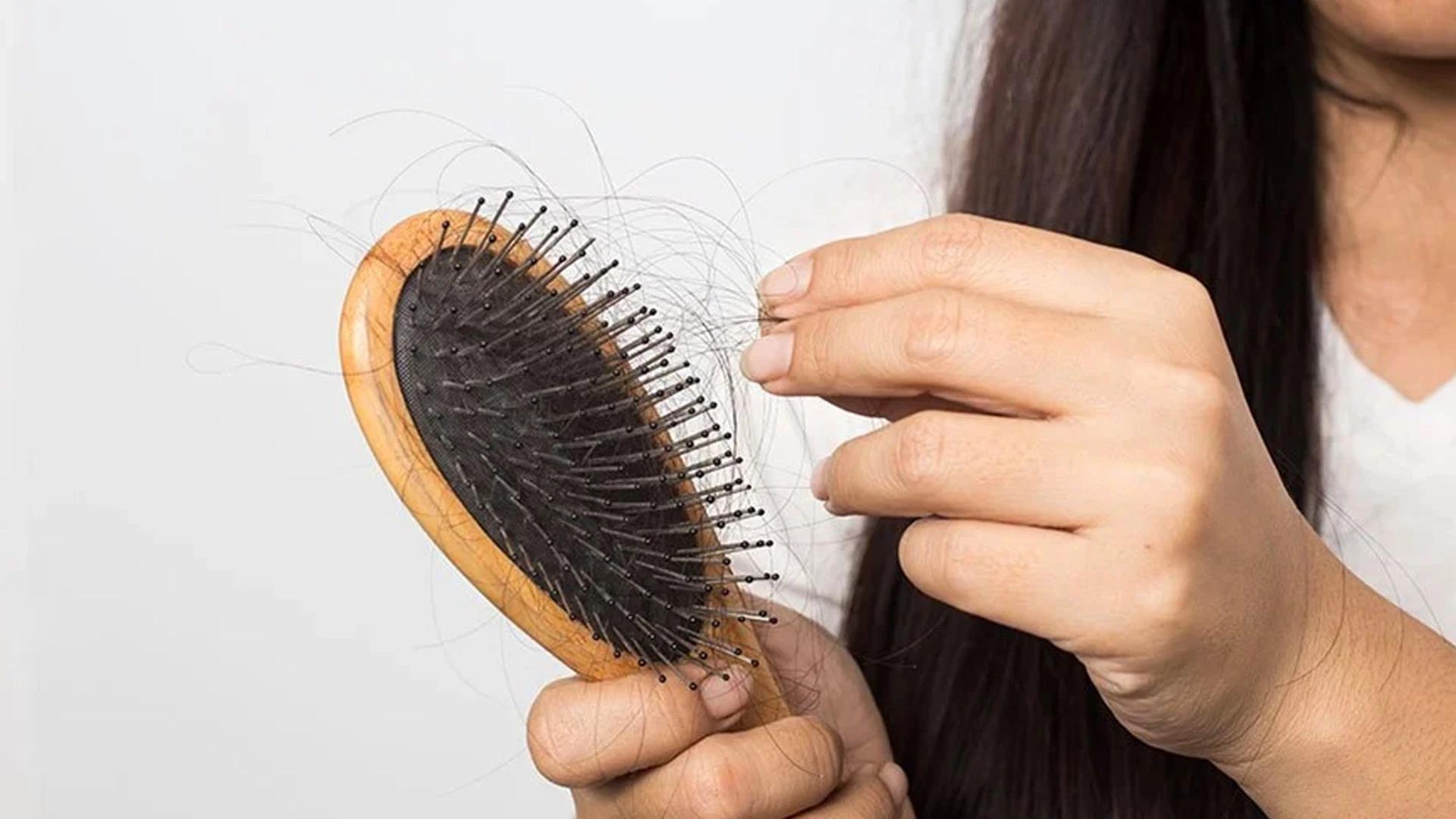
Let's be real—watching your hair thin out can feel like watching your confidence disappear strand by strand. Whether you're noticing more hair in your brush, a widening part, or that your ponytail feels thinner than it used to, you're definitely not alone. Hair thinning affects millions of people across all ages and genders, but here's the thing: there are actually loads of proven treatments that can help slow, stop, or even reverse the process. The trick is knowing how to choose the right one for your specific situation. From FDA-approved medications like minoxidil and finasteride to natural remedies and cutting-edge professional treatments, the options can feel overwhelming. That's where platforms like Smytten come in handy—letting you trial different hair regrowth products and hair thickening solutions before committing to full-size purchases. This guide will walk you through everything you need to know about choosing the best treatments for thinning hair, so you can make informed decisions that actually work for your hair type, budget, and lifestyle.
TL;DR
Hair thinning has different causes for men and women, requiring targeted treatment approaches
The "Big 3" evidence-based treatments (minoxidil, finasteride, ketoconazole) show the highest success rates
Natural remedies can complement medical treatments but work slower than prescription options
Professional treatments like hair transplants offer permanent solutions but require significant investment
Choosing the right treatment depends on your hair loss stage, gender, budget, and lifestyle factors
Before diving into treatment options, it's crucial to understand what's actually causing your hair to thin. The causes of hair thinning vary significantly between men and women, and identifying the root cause will help you choose the most effective hair loss solutions.
Women's hair loss is often more complex than men's, involving multiple factors that can work together to create thinning patterns.
Hormonal changes: Menopause, pregnancy, and PCOS can dramatically affect hair growth cycles
Nutritional deficiencies: Low iron, vitamin D, or protein levels can weaken hair follicles
Stress factors: Both physical and emotional stress can trigger temporary or permanent hair loss
Genetic predisposition: Female pattern baldness affects up to 40% of women by age 50
Male hair loss tends to follow more predictable patterns, though the underlying mechanisms are similar.
Androgenetic alopecia: The most common cause, affecting 95% of men with hair loss
DHT sensitivity: Dihydrotestosterone shrinks hair follicles over time
Age-related factors: Natural ageing slows hair growth and reduces follicle size
Environmental triggers: Pollution, harsh styling, and poor nutrition can accelerate loss
Catching hair thinning early gives you the best chance of successful treatment. Here's what to look out for:
Increased shedding: More than 100 hairs per day in your brush or shower drain
Visible scalp: You can see through your hair to the scalp, especially in bright light
Receding patterns: Hairline changes or crown thinning that develops gradually
Texture changes: Hair feels finer, weaker, or less dense than before
When it comes to proven hair loss treatments, three options stand out for their scientific backing and consistent results. These form the foundation of most effective treatment plans.
Minoxidil is the only FDA-approved topical treatment for hair loss that works for both men and women. Originally developed as a blood pressure medication, researchers discovered its hair growth benefits by accident.
Mechanism: Increases blood flow to hair follicles and extends the growth phase
Application: Available in 2% and 5% concentrations, applied twice daily
Results timeline: Initial shedding for 2-8 weeks, then regrowth visible after 3-6 months
Success rate: 60-80% of users see reduced hair loss or regrowth
Finasteride is an oral medication that's particularly effective for men with male pattern baldness. It works by blocking the enzyme that converts testosterone to DHT.
DHT blocking: Reduces DHT levels by up to 70%, slowing follicle shrinkage
Effectiveness: 83% of men maintain their hair, 65% see regrowth
Side effects: Rare but can include decreased libido in 2-3% of users
Gender considerations: Not recommended for women of childbearing age
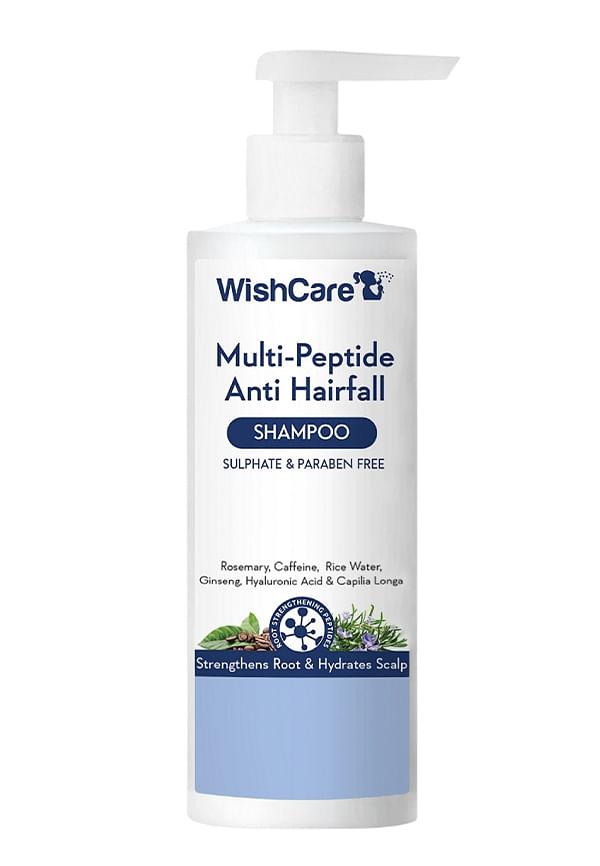
Multi Peptide Rice Water Anti Hairfall Shampoo - Rosemary, Capilia Longa, HA & Caffeine
Very Good Shampoo
5“very good shampoo must buy it .”
Awesome Product, Smells Good & Lovely Gifts
5“awesome product 😍smells good tnx for the gifts lovely product”
Good for frizzy hair
5“it is good for frizzy hair. go for it”
This antifungal shampoo ingredient has mild anti-DHT properties and reduces scalp inflammation that can contribute to hair loss.
Complementary action: Works best when combined with minoxidil or finasteride
Usage frequency: 2-3 times per week for optimal results
Scientific backing: Studies show 17% improvement in hair density
Beyond the Big 3, there are numerous other treatment options that can be effective depending on your specific situation and preferences. Let's break them down by category.
The market is flooded with topical treatments promising miraculous results. Here's what actually works and what to look for in effective hair thickening products.
Copper peptides: Stimulate hair follicles and improve scalp health
Adenosine: Extends the hair growth phase, particularly effective for women
Caffeine-based serums: Improve circulation and may block DHT locally
Growth factor serums: Contain peptides that signal follicles to grow
What you put in your body can significantly impact hair health. Some supplements have solid research behind them, while others are more hype than help.
Biotin: Only effective if you're actually deficient (rare in healthy adults)
Iron supplements: Crucial for women with low ferritin levels
Saw palmetto: Natural DHT blocker with modest effectiveness
Collagen peptides: May improve hair strength and thickness
For more advanced hair loss, professional treatments offer higher-tech solutions with varying degrees of effectiveness and cost.
Low-level laser therapy: FDA-cleared devices show 35% increase in hair density
PRP treatments: Uses your own platelets to stimulate growth, results vary widely
Hair transplant options: FUE and FUT procedures offer permanent solutions
Microneedling: Enhances absorption of topical treatments
While natural remedies typically work slower than medical treatments, some have genuine scientific backing and can be excellent additions to your hair loss prevention routine.
Improving blood flow to your scalp can genuinely help with hair growth, and it's completely free to try.
Manual massage: 4-5 minutes daily using fingertips, not nails
Rosemary oil: Studies show it's as effective as 2% minoxidil
Peppermint oil: Increases follicle depth and number in animal studies
Massage tools: Scalp brushes and devices can enhance the effect
Your hair is essentially a reflection of your overall health, so proper nutrition forms the foundation of any good hair loss prevention strategy.

Briganantadi Hair Fall control and Healthy Scalp Hair Oil 10 Herbs
Protein intake: Hair is mostly protein, aim for 1g per kg of body weight
Omega-3 fatty acids: Reduce inflammation and support follicle health
Antioxidant-rich foods: Berries, leafy greens protect against oxidative stress
Foods to limit: High-sugar and processed foods can worsen inflammation
Sometimes the most effective treatments are the simplest ones that address underlying lifestyle factors contributing to hair loss.
Stress management: Chronic stress elevates cortisol, which can trigger hair loss
Quality sleep: Growth hormone peaks during deep sleep phases
Regular exercise: Improves circulation and reduces stress hormones
Gentle hair care: Avoid tight hairstyles and excessive heat styling
With so many options available, choosing the right treatment can feel overwhelming. Here's a systematic approach to help you make the best decision for your specific circumstances.
Understanding how advanced your hair loss is will help determine which treatments are most likely to be effective.
Norwood scale for men: Stages 1-7, with early stages responding better to treatment
Ludwig scale for women: Grades I-III, focusing on crown thinning patterns
Professional evaluation: A dermatologist can perform pull tests and dermoscopy
Progress photos: Document your baseline before starting any treatment
Men and women often need different approaches due to hormonal differences and safety considerations.
Women's options: Spironolactone, hormonal therapy, and lower-dose finasteride
Men's advantages: Can safely use full-dose finasteride and higher minoxidil concentrations
Pregnancy considerations: Many treatments are contraindicated during pregnancy
Hormonal factors: PCOS, menopause, and thyroid issues affect treatment choice
Effective hair loss treatment is often a long-term commitment, so it's important to choose options you can sustain.
Cost comparison: Minoxidil (₹500-1500/month) vs. finasteride (₹300-800/month)
Time commitment: Topical treatments require twice-daily application
Combination therapy: Often more effective but increases cost and complexity
Trial options: Start with one treatment before adding others
Now that you understand your options, it's time to create a treatment plan that fits your specific needs, budget, and lifestyle. A systematic approach will give you the best chance of success.
Follow this framework to build your personalised treatment strategy.
Medical evaluation: Rule out underlying conditions like thyroid disorders
Baseline documentation: Take photos and note current hair density
Start conservative: Begin with proven, low-risk options
Set realistic goals: Maintenance is often more achievable than dramatic regrowth
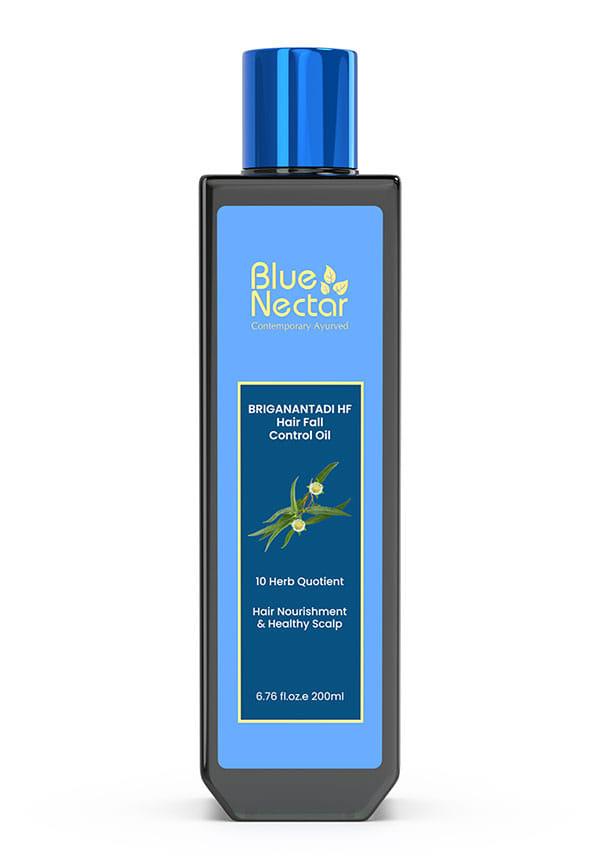
Briganantadi Hair Fall control and Healthy Scalp Hair Oil 10 Herbs
Hair growth is slow, so patience and consistent monitoring are crucial for long-term success.
Photo documentation: Same lighting and angles every 3 months
Timeline expectations: 6-12 months for significant visible changes
Side effect monitoring: Track any adverse reactions or changes
Treatment adjustments: Add or modify treatments based on response
Successful hair loss treatment is typically a lifelong commitment, but the results can be well worth the effort.
Consistency is key: Missing treatments can lead to rapid hair loss
Lifestyle maintenance: Continue healthy habits that support hair growth
Regular check-ins: Annual dermatologist visits to assess progress
Treatment evolution: New options may become available over time
The most effective treatment depends on the underlying cause, but clinical studies show minoxidil and finasteride (for men) have the highest success rates, with 60-80% of users experiencing hair regrowth or slowed loss. Combination therapy often works better than single treatments.
The "big 3" refers to minoxidil, finasteride, and ketoconazole shampoo—the three most scientifically-backed treatments that work synergistically to address different aspects of hair loss. This combination targets DHT, improves circulation, and reduces scalp inflammation.
While no treatment permanently "fixes" genetic hair loss, hair transplants offer the most permanent solution. However, ongoing maintenance with medications is typically needed to prevent further loss in non-transplanted areas.
Natural approaches like scalp massage with rosemary oil, proper nutrition, stress reduction, and gentle hair care can help, though results are typically slower than medical treatments. Some people see modest improvements, but severe hair loss usually requires medical intervention.
Women have more treatment options including spironolactone and hormonal therapies, while men can safely use finasteride at full doses. Treatment selection varies based on hormonal factors, pregnancy considerations, and different hair loss patterns. Smytten offers trial packs of various hair loss solutions, letting you test different approaches before committing to full-size products.
Most treatments require 3-6 months to show initial results, with full benefits visible after 12-18 months of consistent use. Initial shedding is normal and often indicates the treatment is working by pushing weak hairs into the growth phase.
Choosing the right hair thinning treatment requires understanding your specific type of hair loss, considering your gender-specific needs, and being realistic about timelines and expectations. The most successful approach often combines proven medical treatments like minoxidil with lifestyle changes and proper hair care. Start with evidence-based options, monitor your progress carefully, and be prepared for a long-term commitment. Remember that maintaining your current hair is often more achievable than dramatic regrowth, but with the right treatment plan, many people see significant improvements in hair density and quality.
Finding the right hair thinning treatment doesn't have to mean expensive trial and error. Smytten is India's largest product discovery and trial platform, connecting consumers with top lifestyle, beauty, wellness, and grooming brands. At its core, Smytten offers curated trial packs—mini-sized products from over 2,400 trusted brands such as Indus Valley, Brillare, Minimalist, and Love Beauty & Planet. This lets users explore and experience hair regrowth products before committing to full-size purchases. Each mini is linked with Trial Points, and users can get up to 10 Trial Points for just ₹279. Plus, Smytten offers 100% cashback on the purchase of these minis, redeemable in the shop section for future orders, making product discovery both affordable and rewarding. With over 28 million users and 100 million trial minis delivered across 90% pin code coverage, Smytten helps you make smarter, more confident choices about hair thickening products and treatments. After all, why settle for 'maybe' when you can #TryItAll!
