How to Choose Hair Loss Shampoo for Men: A Practical Guide
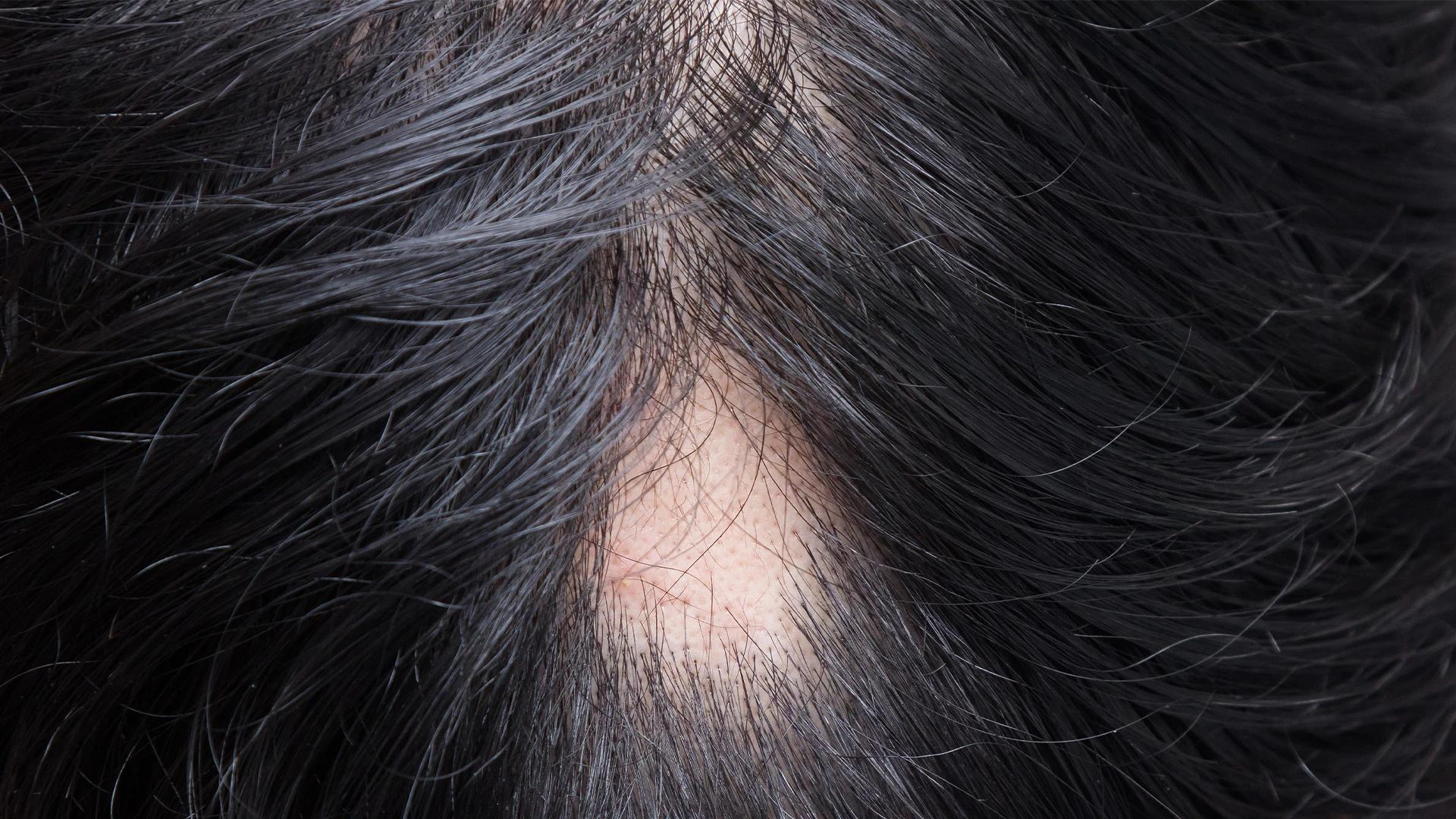

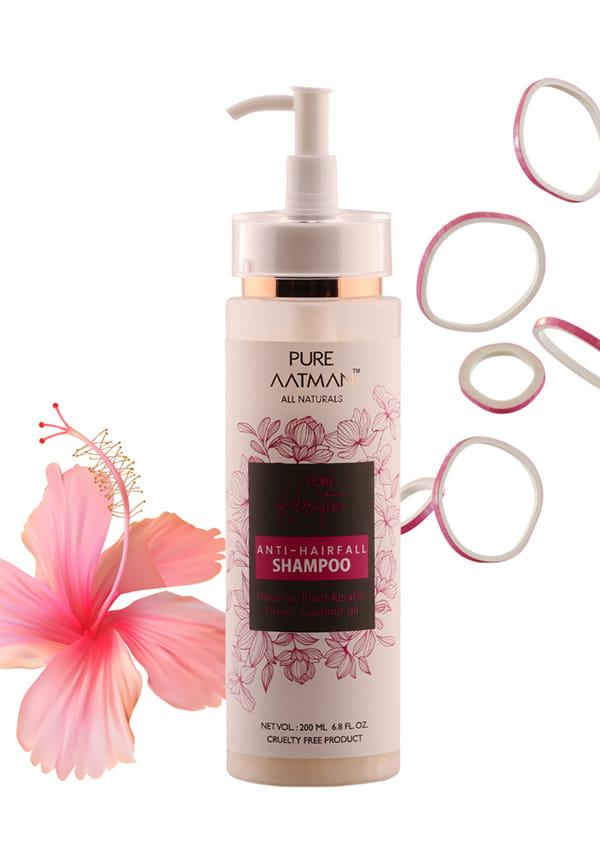
Shampoo for women men ladies Keratin Anti Hairfall
Let's be real — watching your hairline slowly retreat or finding more strands on your pillow than usual isn't exactly the confidence boost you were hoping for. You've probably stood in the shampoo aisle, overwhelmed by bottles promising miraculous regrowth, wondering which ones actually work and which are just clever marketing. The truth is, choosing the right hair loss shampoo for men isn't about falling for flashy claims — it's about understanding what your hair actually needs and finding formulas that deliver real results.
Here's the thing about male hair loss — it's not just about genetics playing a cruel joke on you. Most men experience androgenetic alopecia, which is basically your hair follicles becoming sensitive to DHT (dihydrotestosterone). This hormone gradually shrinks your follicles until they can't produce healthy hair anymore. Regular shampoos might clean your hair, but they're not designed to tackle this underlying issue.
Hair loss treatment shampoo for men works differently because it contains active ingredients that can block DHT, reduce inflammation, and stimulate blood flow to your scalp. Think of it as the difference between using regular soap on a wound versus using antiseptic — both clean, but only one actually helps with healing. The best hair growth shampoo for men targets the root causes rather than just making your existing hair look temporarily fuller.
The science behind effective hair loss shampoos involves creating an environment where your follicles can function properly. Some ingredients work by reducing scalp inflammation, others by improving circulation, and some by directly interfering with the hormonal processes that cause hair loss. When you start using a proper anti-hair loss shampoo for men, you're essentially giving your scalp the tools it needs to support healthier hair growth.
Not all hair loss shampoos are created equal, and the difference usually comes down to what's actually in the bottle. The most effective formulas contain clinically proven ingredients that have been studied specifically for male pattern baldness and hair thinning.
Ketoconazole is probably your best mate when it comes to fighting hair loss. This antifungal ingredient doesn't just tackle dandruff — ketoconazole shampoo for men hair loss works by reducing DHT levels on your scalp and calming inflammation. Studies show that 2% ketoconazole can be almost as effective as minoxidil for some men, which is pretty impressive for a shampoo ingredient.
Biotin shampoo for men hair loss focuses on strengthening your existing hair structure. While biotin won't magically regrow hair where follicles have completely shut down, it can make your current hair stronger, thicker, and less likely to break. Caffeine is another game-changer — it stimulates blood circulation to your hair follicles, essentially waking them up and encouraging better growth.
If you prefer natural hair loss shampoo for men, saw palmetto extract is worth looking for. This plant extract works similarly to finasteride by blocking the enzyme that converts testosterone to DHT. Rosemary oil has shown promising results in studies, sometimes performing as well as minoxidil for hair regrowth. Pumpkin seed oil and argan oil provide nourishment and moisture while supporting overall scalp health.
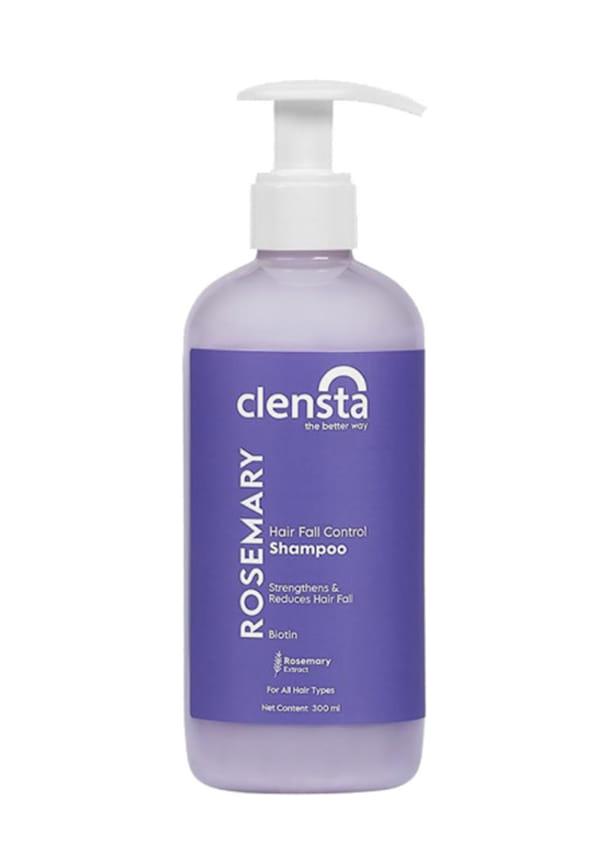
Rosemary Hair Fall Control Shampoo With Biotin For Reducing Hair Loss, Breakage & Daily Use
Great Face Cream with SPF
 5
5“I really liked this face cream. The texture is smooth, absorbs quickly, and doesn’t feel greasy. It keeps my skin moisturized and the SPF 30 is a great added benefit for daily sun protection. Suitable for everyday use.”
Excellent Product!
5“Here's the revised 25-word review: "Life-changing product! Reduced inflammation, improved sleep, and increased energy. Easy to use and backed by science. Highly recommend for natural wellness seekers!"”
Product Recommendation
4“Recommended by friend very good”
Harsh sulfates like sodium lauryl sulfate can strip your scalp of natural oils, potentially making hair loss worse. Parabens and synthetic fragrances might irritate sensitive scalps, and alcohol-based formulas can dry out your hair and scalp, creating more problems than they solve.
Different types of hair loss require different approaches, and the shampoo that works for your mate might not be right for you. Understanding your specific situation helps narrow down the options significantly.
Shampoo for thinning hair men typically focuses on volumising and strengthening existing hair. These formulas often contain peptides and proteins that make each strand appear thicker and fuller. They're perfect if you're dealing with overall thinning rather than specific bald spots.
Shampoo for receding hairline men needs to be more targeted. These formulas usually contain higher concentrations of DHT blockers and circulation stimulants, focusing on the areas where men typically lose hair first — the temples and crown.
Sometimes you're dealing with multiple issues at once. Dandruff shampoo for men hair loss combines antifungal ingredients with hair growth stimulants, tackling both scalp health and hair loss simultaneously. Hair regrowth shampoo for men often contains growth factor complexes and stem cell extracts, though these tend to be pricier options.
Your hair loss stage determines which type of shampoo will be most effective. There's no point using an intensive treatment formula if you're just starting to notice slight thinning, and gentle prevention shampoos won't cut it if you're dealing with significant hair loss.
If you're just starting to notice some thinning or a slightly receding hairline, prevention-focused formulas are your best bet. Look for gentle daily-use options with mild DHT blockers and scalp-nourishing ingredients. At this stage, consistency matters more than intensity.
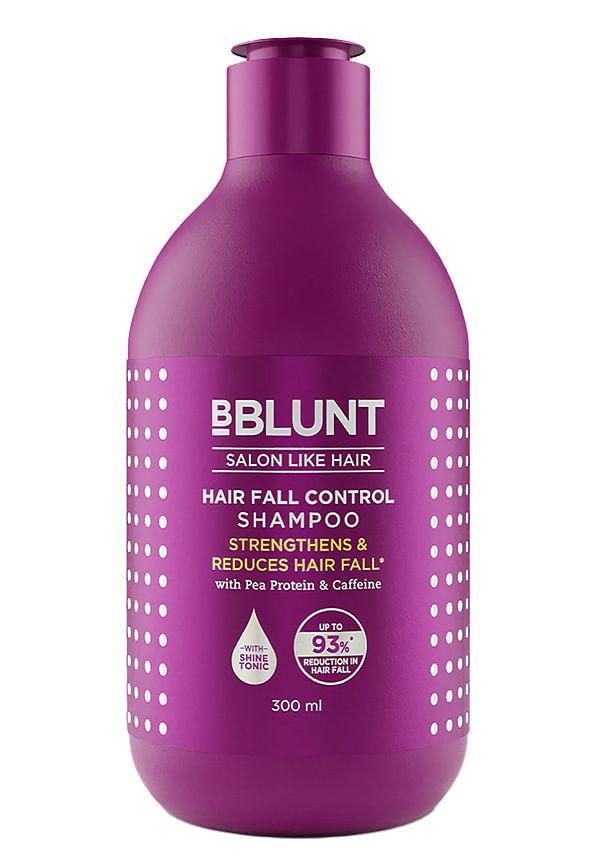
Hair Fall Control Shampoo with Pea Protein & Caffeine for Stronger Hair
Effective Hair Fall Control Shampoo
5“A nice shampoo really helps in hair fall control shampoo with pea protein”
Effective Hair Fall Control Shampoo
5“A nice shampoo really helps in hair fall control shampoo with pea protein”
Softens and Smoothes Hair
5“softens hair, and gives a very smooth touch”
When hair loss is more noticeable, you need stronger formulations. Ketoconazole-based shampoos become more important here, along with ingredients like caffeine and biotin. You might need to use these 2-3 times per week rather than daily to avoid over-drying your scalp.
Dermatologists consistently recommend looking for specific criteria when choosing hair loss shampoos. pH balance is crucial — your scalp's natural pH is around 4.5-5.5, and shampoos that match this range are less likely to cause irritation or disrupt your scalp's natural barrier.
Look for ingredients backed by peer-reviewed research rather than just marketing claims. FDA-approved ingredients like ketoconazole have the strongest evidence base. Sometimes prescription options are necessary, especially if over-the-counter formulas aren't delivering results after 3-6 months of consistent use.
Even the best shampoo won't work if you're not using it properly. Most hair loss shampoos need to be left on your scalp for 2-3 minutes to allow the active ingredients to penetrate. Gentle massage helps with absorption, but avoid aggressive scrubbing that could damage weakened hair.
Hair loss shampoos work best as part of a comprehensive approach. They can be safely combined with minoxidil, though you should apply the minoxidil to a clean, dry scalp. Some men find that alternating between a hair loss shampoo and a gentle, moisturising shampoo prevents over-drying.
The biggest mistake is switching products too frequently. Hair growth cycles take months, so you need to give any shampoo at least 3-4 months to show results. Over-washing can also backfire — most hair loss shampoos are designed for 2-3 uses per week, not daily use.
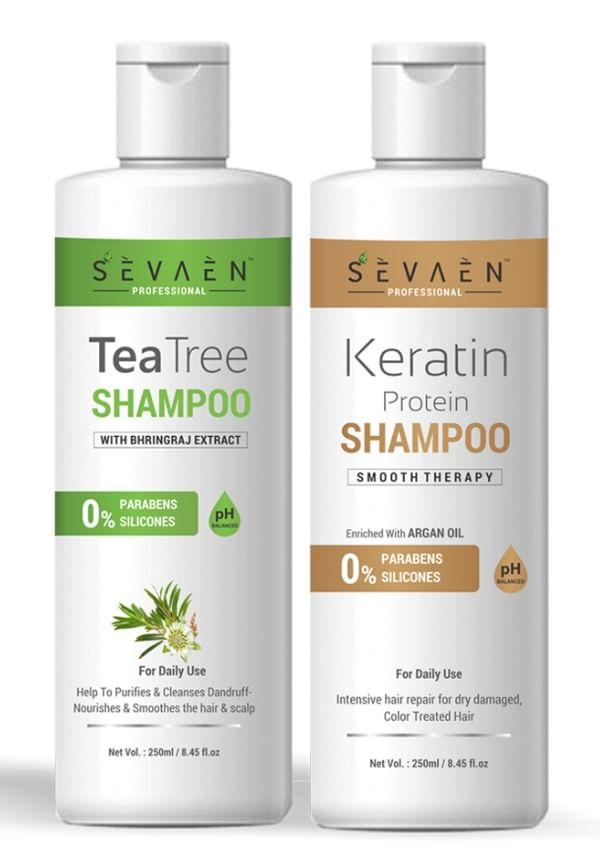
Keratin Protein Hair Shampoo 250Ml And Teatree Shampoo 250Ml No Paraben & Mineral Oil-For Men And Women Combo
Healthy & Non Chemical Product
4“healthy and non chemical product.”
Good Product, Best Price & Quantity
5“too good best price deal enough quantity overall good product”
Impressive Results
5“its result very impresive after used”
Ketoconazole-based shampoos show the strongest clinical evidence for male pattern baldness, with anti-inflammatory effects and DHT-blocking properties. Look for 1-2% ketoconazole concentration for optimal results, though you might need a prescription for higher concentrations.
Shampoos containing caffeine, biotin, and niacinamide offer the best combination for controlling hair fall while promoting regrowth. These ingredients work by strengthening hair follicles and improving scalp circulation without being too harsh for regular use.
Most men see initial improvements in hair texture and reduced shedding within 4-6 weeks. Visible regrowth typically takes 3-6 months of consistent use, and you need to stick with it — stopping too early means losing any progress you've made.
While shampoos can help slow recession and improve existing hair quality, they're most effective when combined with other treatments like minoxidil for receding hairlines. Shampoos alone might not be enough for significant regrowth in completely bald areas.
Natural ingredients like saw palmetto and rosemary oil show promise in studies, but ketoconazole and other clinically proven compounds typically offer stronger, faster results. Natural options might be worth trying if you have sensitive skin or prefer gentler formulas.
Most hair loss shampoos should be used 2-3 times per week to avoid over-drying your scalp. Daily use is only recommended for very gentle, sulfate-free formulations. Your scalp needs time to recover between treatments.
Choosing the right hair loss shampoo for men isn't about finding a miracle cure — it's about understanding your specific type of hair loss and selecting ingredients that target those issues. Whether you need a gentle prevention formula or a stronger treatment shampoo, consistency and realistic expectations are key to seeing results.
The best approach combines the right shampoo with proper application techniques and, often, other hair loss treatments. Remember that hair growth takes time, and what works for someone else might not work for you. If you're not seeing improvements after 4-6 months of consistent use, it might be time to consult a dermatologist for stronger options.
At Smytten, you'll find curated hair loss shampoos from trusted brands, with the convenience of trying smaller sizes before committing to full bottles. Not sure which formula works for your hair type? Smytten also offers trial-size versions of many of these products — a smart way to test different ingredients and formulations before investing in a full-size bottle.
