How to Choose Hair Fall Shampoo: Biotin & Caffeine Guide

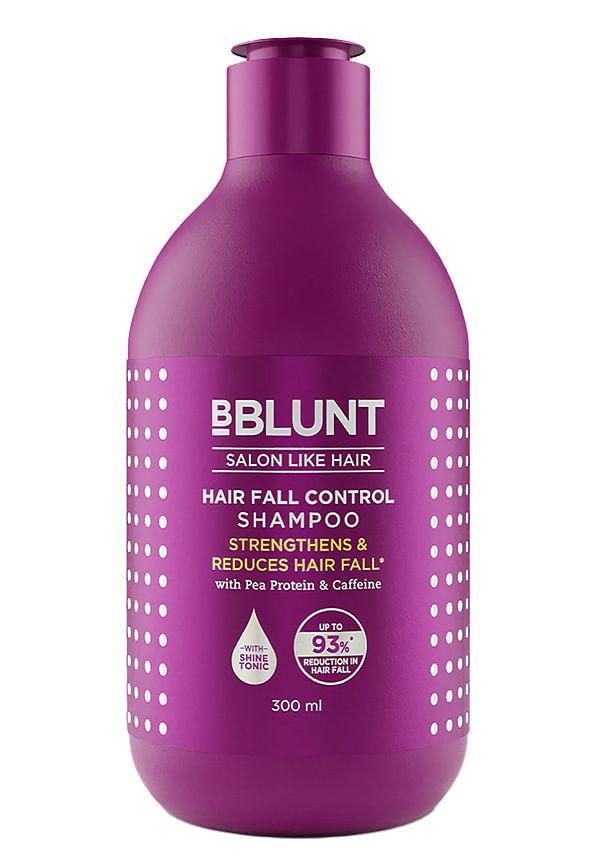
Hair Fall Control Shampoo with Pea Protein & Caffeine for Stronger Hair
Good everyday shampoo, realistic for hair fall
 4
4“A good everyday shampoo if you want clean, softer, more manageable hair, but I wouldn't expect a shampoo alone to completely stop hair fall”
Good everyday shampoo, realistic for hair fall
4“A good everyday shampoo if you want clean, softer, more manageable hair, but I wouldn't expect a shampoo alone to completely stop hair fall”
Good everyday shampoo, realistic for hair fall
4“A good everyday shampoo if you want clean, softer, more manageable hair, but I wouldn't expect a shampoo alone to completely stop hair fall”
You know that sinking feeling when you run your fingers through your hair and find way more strands than usual? Or when your ponytail feels noticeably thinner than it used to? Hair fall can be genuinely stressful, especially when you're not sure what's causing it or how to tackle it. The good news is that the right shampoo can make a real difference. But with shelves packed with products promising everything from instant regrowth to miracle transformations, figuring out how to choose the right hair fall shampoo with biotin and caffeine feels overwhelming. Let's break it down together and find what actually works for your hair.
Hair fall isn't just one thing—it comes in different forms and has various triggers. Some people deal with androgenetic alopecia (pattern baldness), while others might be experiencing telogen effluvium from stress, hormonal changes, or nutritional deficiencies. Then there's hair breakage from damage, which looks like hair fall but is actually your strands snapping off.
This is where specialised shampoos come into play. Regular shampoos focus on cleansing, but anti-hair fall shampoo formulations target the root causes. They work by strengthening hair follicles, improving scalp circulation, and providing nutrients that support healthy hair growth. The key ingredients—like biotin and caffeine—aren't just marketing buzzwords; they're backed by research showing real benefits for hair health.
What makes biotin and caffeine particularly interesting is how they tackle hair fall from different angles. Biotin works on strengthening the hair shaft itself, making it less prone to breakage. Caffeine, on the other hand, stimulates blood flow to hair follicles, potentially encouraging new growth. When you're dealing with both weak hair and sluggish follicles, this combination approach makes sense.
The timing matters too. Hair has a natural growth cycle that takes months, so don't expect overnight miracles. But with consistent use of the right strengthening shampoo for hair fall, you should start noticing less hair in your brush and shower drain within 6-8 weeks.
Biotin, also known as Vitamin B7, is probably one of the most talked-about ingredients for hair health—and for good reason. Your hair follicles need biotin to produce keratin, the protein that makes up your hair strands. When you're deficient in biotin, your hair becomes weak, brittle, and more likely to break off.
Here's what's interesting about biotin shampoo for hair loss: while taking biotin supplements can help if you're deficient, applying it topically through shampoo delivers the nutrient directly to your scalp and hair follicles. Research suggests that topical biotin can improve hair thickness and reduce breakage more effectively than oral supplements alone.
The optimal concentration in shampoos typically ranges from 0.1% to 1%. Too little won't make much difference, but too much can sometimes cause scalp irritation in sensitive individuals. Most effective formulations sit around 0.5%, which provides benefits without overwhelming your scalp.
Biotin works particularly well for people with brittle hair, those experiencing breakage from chemical treatments, and anyone with a biotin deficiency. If your hair feels weak, snaps easily when wet, or you're noticing shorter broken pieces around your hairline, biotin could be your answer.
Caffeine in your shampoo might sound like a marketing gimmick, but the science is actually quite compelling. When applied to the scalp, caffeine penetrates the hair follicles and stimulates microcirculation. This increased blood flow delivers more nutrients and oxygen to hair roots, potentially encouraging growth.
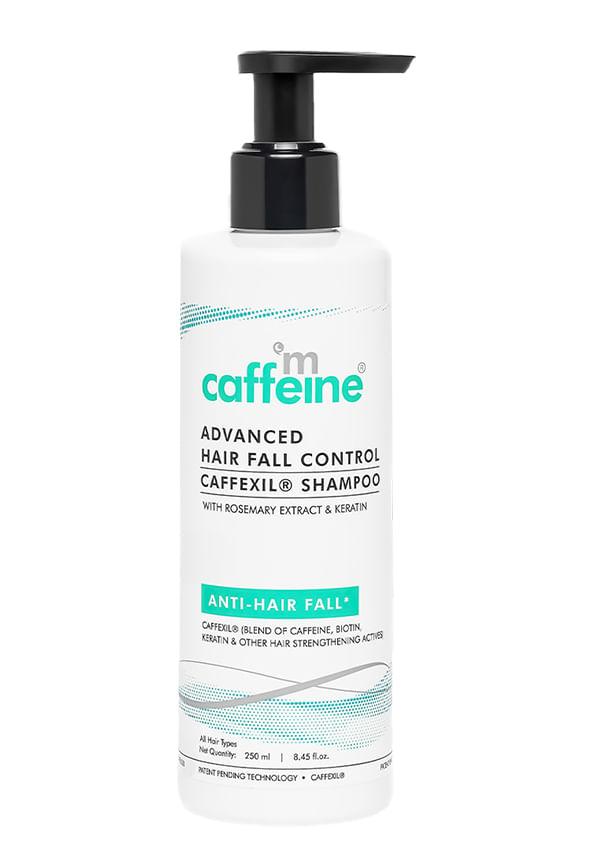
Advanced Hair Fall Control Caffexil® Shampoo With Keratin, Biotin & Rosemary
Very good product
5“bohot hi acha product hai mujhe acha laga”
Very good product
5“bohot hi acha product hai mujhe acha laga”
Very good product
5“bohot hi acha product hai mujhe acha laga”
What's really impressive is the research comparing caffeine to minoxidil, the gold standard for hair growth treatments. Studies have shown that hair growth shampoo with caffeine can be nearly as effective as 5% minoxidil solutions, but with fewer side effects. The caffeine essentially wakes up dormant follicles and extends the growth phase of your hair cycle.
The concentration matters here too. Effective caffeine shampoos typically contain between 0.2% to 1% caffeine. The key is leaving the shampoo on your scalp for at least 2 minutes during washing to allow proper absorption. Some people worry about caffeine making them jittery, but the amount absorbed through the scalp is minimal compared to drinking coffee.
Don't expect instant results with caffeine shampoo. Hair growth is a slow process, and you'll typically see improvements in hair density and thickness after 3-4 months of consistent use. The first sign is usually less hair fall, followed by new growth becoming visible.
While biotin and caffeine are the stars, the best shampoo for thinning hair often includes supporting ingredients that work together. Ketoconazole, for instance, addresses scalp inflammation and fungal issues that can contribute to hair fall. Niacinamide improves circulation and strengthens the hair follicle structure.
Peptides are another ingredient worth seeking out. These protein fragments can penetrate the hair shaft and help rebuild damaged areas. They're particularly beneficial for shampoo for weak hair, as they literally help reconstruct the hair's structure from within.
Natural DHT blockers like saw palmetto and pumpkin seed extract can be game-changers if your hair fall is related to hormonal factors. DHT (dihydrotestosterone) is a hormone that can shrink hair follicles, leading to thinning and eventual hair loss. These natural ingredients help block DHT's effects without the side effects of pharmaceutical options.
Your scalp's natural pH sits around 5.5, slightly acidic. Shampoos with a pH between 5.5 and 6.5 maintain this balance, keeping your scalp healthy and your hair cuticles smooth. Alkaline shampoos can disrupt this balance, leading to irritation and more hair fall.
Steer clear of harsh sulphates like sodium lauryl sulphate, which can strip your scalp and weaken already fragile hair. Parabens, while not necessarily harmful, can cause sensitivity in some people. Alcohol-based ingredients can be overly drying, especially if you're dealing with brittle hair.
Choosing the right anti-hair fall shampoo isn't just about grabbing the most expensive bottle or the one with the most promises. Here's how to approach it systematically.
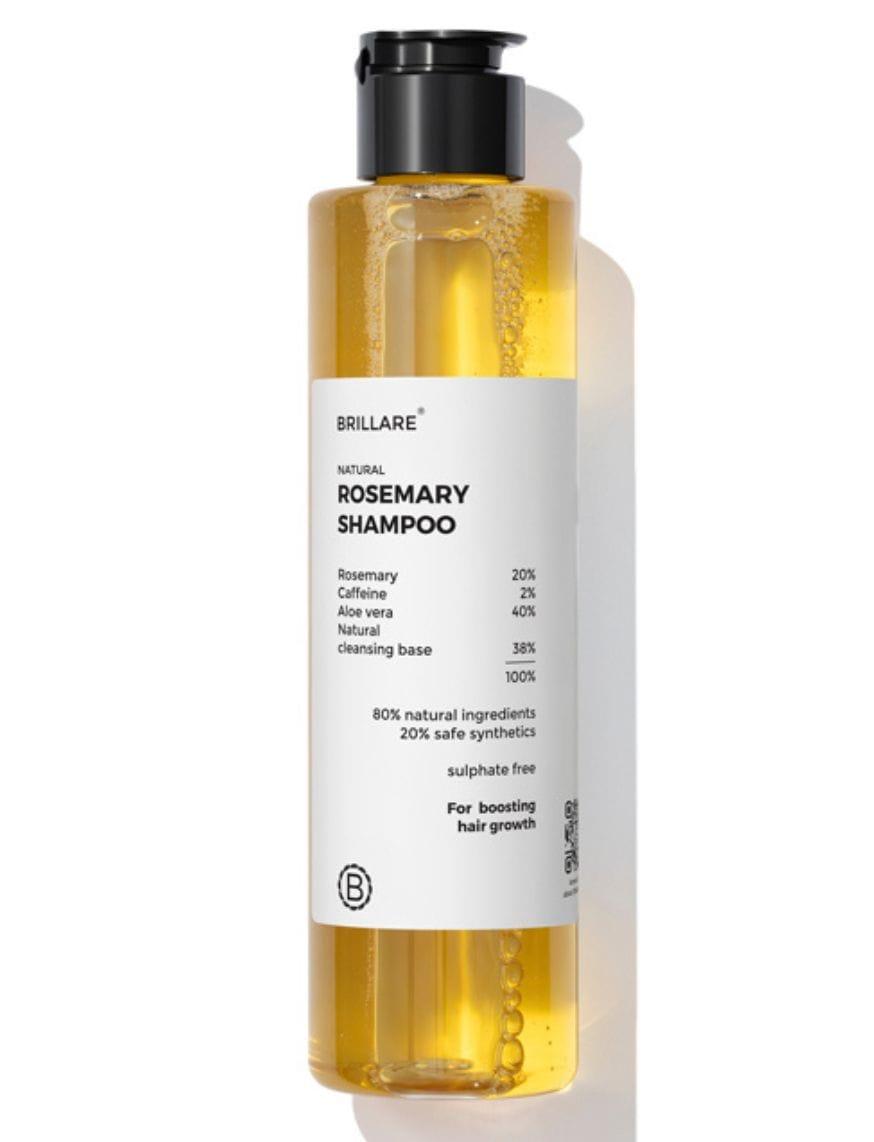
20% Rosemary Shampoo with 2% Caffeine for Hair Growth & Hair Fall Control
Heavy feel after application
5“feels a bit heavy after applying oil”
Cleanses, Smells, Lathers Well
5“cleanse well, smells amazing. lather well”
Cleanses, Smells, Lathers Well
5“cleanse well, smells amazing. lather well”
First, identify your specific hair fall pattern. Is it all over thinning, or are you losing hair in specific areas like the crown or hairline? Are you seeing actual hair loss, or is it breakage from damage? This helps determine whether you need biotin for strengthening, caffeine for growth stimulation, or both.
Next, consider your scalp condition. Oily scalps can handle stronger formulations, while sensitive or dry scalps need gentler approaches. If you have dandruff or scalp irritation, look for shampoos that address these issues alongside hair fall.
Check the ingredient concentrations. A shampoo listing biotin as the last ingredient probably doesn't contain enough to make a difference. Look for products that clearly state their active ingredient percentages or have clinical testing to back up their claims.
Your hair type affects which formulation works best. Fine hair needs lightweight formulas that won't weigh it down, while thick, coarse hair can handle richer formulations. Chemically treated hair requires extra gentle ingredients and added moisturising components.
Even the best hair fall control shampoo won't work if you're not using it correctly. Start by thoroughly wetting your hair with lukewarm water—hot water can damage already weakened strands. Apply the shampoo primarily to your scalp, not the length of your hair.
Here's the crucial part: massage gently for at least 2 minutes. This isn't just about cleansing; you're helping the active ingredients penetrate your scalp and stimulating blood circulation. Use your fingertips, not your nails, and work in circular motions.
For biotin and caffeine shampoos, frequency matters. Most can be used daily, but if you have dry or chemically treated hair, every other day might be better. Pay attention to how your scalp responds and adjust accordingly.
Your shampoo works best as part of a comprehensive approach. Consider adding a scalp serum with complementary ingredients, or use a weekly deep conditioning treatment to keep your hair strong and healthy. Just avoid overloading your routine—too many active ingredients can sometimes cause irritation.
The natural vs. synthetic debate is ongoing, but the truth is both approaches have merit. Natural ingredients like rosemary oil and peppermint oil have shown promising results in studies for stimulating hair growth. They're generally gentler and less likely to cause adverse reactions.
However, synthetic ingredients often provide more consistent concentrations and proven efficacy. Biotin and caffeine, whether naturally derived or synthesised, work the same way in your hair follicles. The key is finding formulations that combine the best of both worlds.
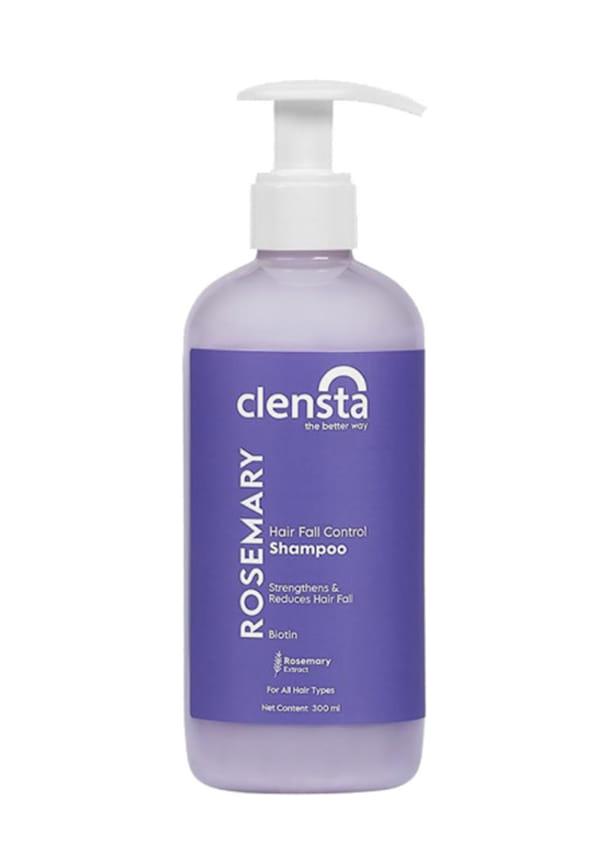
Rosemary Hair Fall Control Shampoo With Biotin For Reducing Hair Loss, Breakage & Daily Use
Great Face Cream with SPF
5“I really liked this face cream. The texture is smooth, absorbs quickly, and doesn’t feel greasy. It keeps my skin moisturized and the SPF 30 is a great added benefit for daily sun protection. Suitable for everyday use.”
Excellent Product!
5“Here's the revised 25-word review: "Life-changing product! Reduced inflammation, improved sleep, and increased energy. Easy to use and backed by science. Highly recommend for natural wellness seekers!"”
Product Recommendation
4“Recommended by friend very good”
Many modern natural hair fall remedies shampoo options include botanical extracts alongside proven actives like biotin and caffeine. This hybrid approach can give you the gentleness of natural ingredients with the reliability of scientific formulations.
If you have a sensitive scalp, natural doesn't automatically mean safer. Essential oils, for instance, can be quite potent and cause reactions in some people. Always patch test new products, regardless of whether they're natural or synthetic.
Both ingredients serve different purposes in hair health. Biotin strengthens existing hair strands and supports healthy growth by providing essential nutrients for keratin production. Caffeine stimulates blood flow to hair follicles and can help extend the growth phase of your hair cycle. For comprehensive hair fall control, many people find combination formulas that include both ingredients provide the best results, as they address both strengthening and growth stimulation.
Hair growth is a gradual process, so patience is key. Most people notice reduced hair fall within 6-8 weeks of consistent use. Visible improvements in hair thickness and new growth typically become apparent after 3-4 months. Remember that hair grows only about half an inch per month, so dramatic changes take time. Consistency is more important than switching products frequently.
Most biotin and caffeine shampoos are formulated for daily use, but your hair type and scalp condition should guide frequency. If you have oily hair and a healthy scalp, daily use is usually fine. Those with dry, chemically treated, or sensitive hair might benefit from using these shampoos every other day, alternating with a gentle, moisturising shampoo.
Effective biotin concentrations in shampoos typically range from 0.1% to 1%, with 0.5% being optimal for most people. For caffeine, look for concentrations between 0.2% to 1%. Higher concentrations aren't necessarily better and may cause scalp irritation in sensitive individuals. Check product labels or contact manufacturers for specific concentration information.
Choosing the right hair fall shampoo with biotin and caffeine comes down to understanding your specific needs and being realistic about expectations. These ingredients have solid science behind them, but they're not magic bullets. The best approach combines the right active ingredients with proper application technique and realistic timelines.
Remember that hair fall can have multiple causes, from genetics to stress to nutritional deficiencies. While a good shampoo can definitely help, it works best as part of a holistic approach to hair health that might include dietary changes, stress management, and other treatments.
The key is finding a formulation that works for your hair type and scalp condition, then giving it time to work. Hair growth is slow, but with patience and consistency, you can see real improvements in hair strength, thickness, and overall health.
If you're curious about trying different formulations before committing to full-size bottles, Smytten offers trial-size versions of many hair fall shampoos from trusted brands. It's a practical way to test how your hair responds to different biotin and caffeine concentrations without the investment of a full product. After all, finding your perfect hair fall solution might take some experimentation, and starting small makes perfect sense.
