How to Choose Frizzy Hair Products for Smooth Results

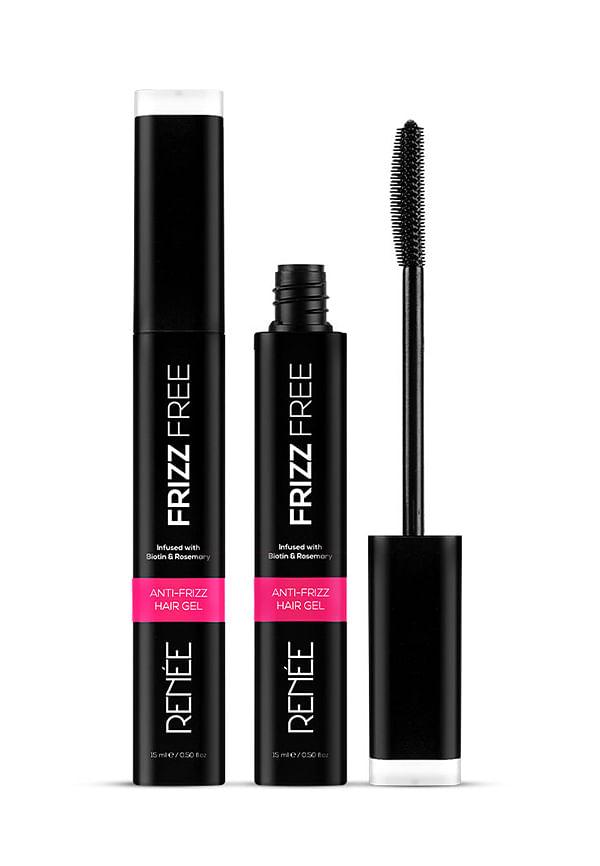
Frizz Free Anti Frizz Hair Gel
Good Quality and Service
 5
5“Quality is very good sarvise is very good 👍 e”
Makes hair silky and shiny
4“too good this makes my hair too slik and shine”
Useful for baby hairs
4“very very useful product for baby hairs”
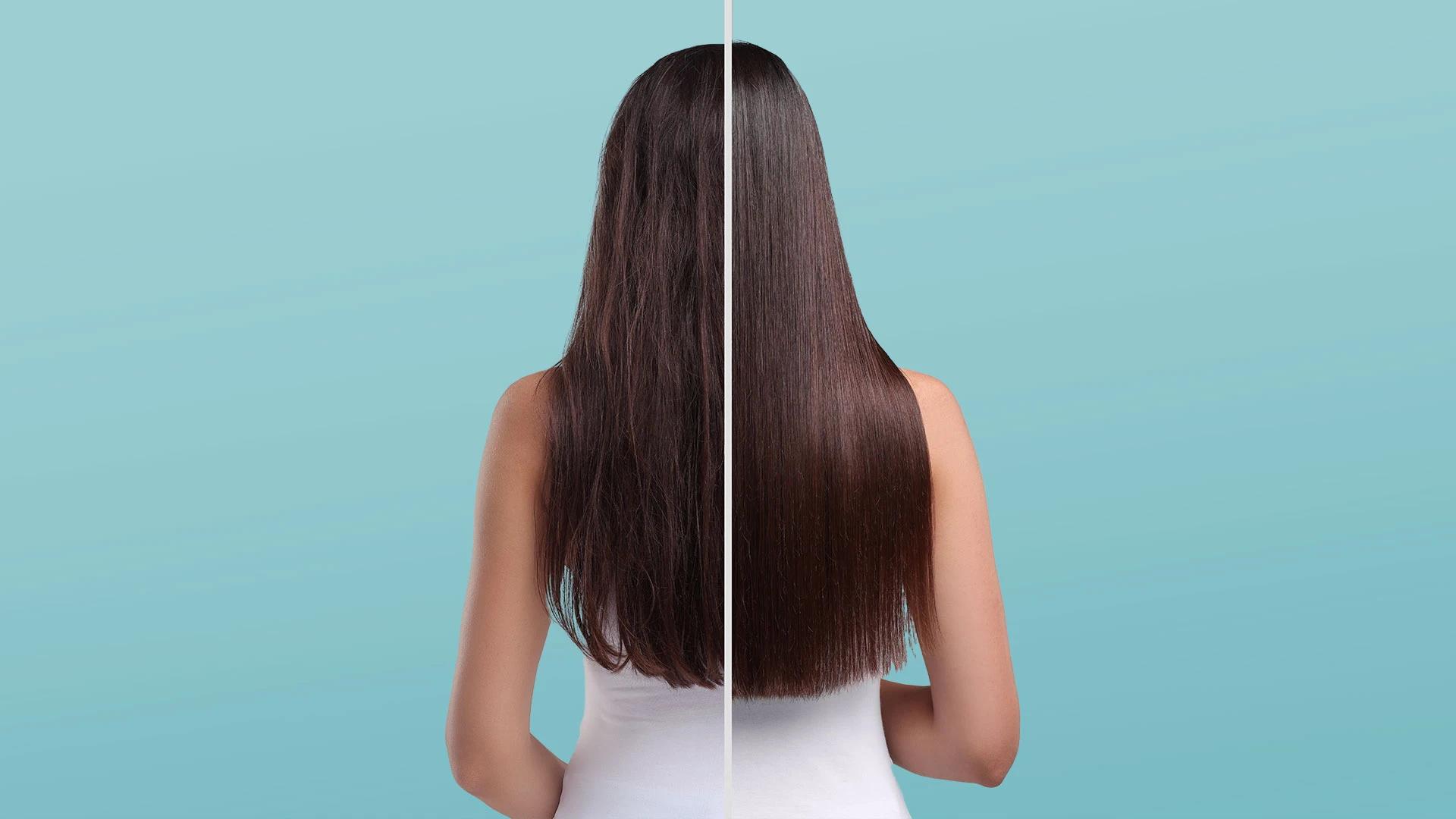
Let's be real—frizzy hair can feel like your worst enemy on some days. One minute you're feeling confident with your freshly styled locks, and the next, humidity hits and suddenly you're sporting an unintentional halo of flyaways. If you've ever stood in the haircare aisle feeling completely overwhelmed by endless bottles promising miracle results, you're definitely not alone. The truth is, learning how to choose frizzy hair products isn't just about grabbing the first anti-frizz serum you see—it's about understanding your hair's unique needs and building a routine that actually works. Whether you're dealing with occasional surface frizz or full-blown hair rebellion, finding the right products can be a total game-changer. That's where platforms like Smytten come in handy, letting you trial different formulations before committing to full-size purchases, so you can discover what truly works for your hair without the guesswork.
Understanding your hair type, porosity, and frizz patterns is crucial before selecting any anti-frizz products
Building a complete routine with compatible products works better than relying on single miracle solutions
Key ingredients like hyaluronic acid, ceramides, and natural oils provide lasting moisture and frizz control
Different hair textures require different approaches—curly hair needs curl-defining products while straight hair benefits from smoothing serums
Avoiding common mistakes like over-washing and product overload can significantly improve your frizz management results
Before diving into product selection, it's worth understanding what's actually happening with your hair. Frizz occurs when your hair cuticles lift and allow moisture from the environment to penetrate the hair shaft, causing it to swell and create that dreaded fuzzy texture.
Several factors contribute to frizz formation. Humidity is the obvious culprit—when there's moisture in the air, damaged or porous hair acts like a sponge, absorbing water and expanding unevenly. But genetics also play a huge role. If you have naturally curly or wavy hair, your hair follicles produce an oval-shaped strand that's more prone to lifting cuticles. Heat damage, chemical processing, and even aggressive brushing can create microscopic tears in your hair cuticles, making them more susceptible to environmental moisture.
Hair porosity is another crucial factor that affects how your hair responds to products. Low porosity hair has tightly closed cuticles that resist moisture absorption, while high porosity hair has damaged or lifted cuticles that absorb and lose moisture quickly. Understanding your hair's porosity level helps you choose products with the right molecular weight and penetration ability.
Choosing the right frizz control products isn't a one-size-fits-all situation. Your hair's unique characteristics should guide every product decision you make.
Start by honestly assessing your hair type and texture. Fine hair needs lightweight formulations that won't weigh it down, while thick, coarse hair can handle richer, more intensive treatments. Curly and wavy hair requires products that enhance natural texture while controlling frizz, whereas straight hair benefits from smoothing and shine-enhancing formulas.
Next, identify your specific frizz patterns. Surface frizz affects just the top layer and often responds well to smoothing serums. Halo frizz creates a fuzzy outline around your head and typically needs humidity-blocking products. All-over frizz requires a more comprehensive approach with deep conditioning and leave-in treatments.
Consider your lifestyle and styling preferences too. If you're always rushing in the morning, you'll want quick-absorbing, multi-tasking products. Heat styling enthusiasts need thermal protection, while air-dry devotees should focus on curl-enhancing and frizz-preventing creams.
Building an effective frizz-fighting routine requires understanding which product categories address different aspects of frizz control. Each step in your routine should work synergistically to cleanse, condition, and protect your hair.
The foundation of any good frizz-control routine starts with gentle cleansing. Sulfate-free shampoos are your best friend here—they clean without stripping natural oils that help keep frizz at bay. For extremely dry hair, co-washing (conditioner-only washing) can provide cleansing without any harsh detergents.
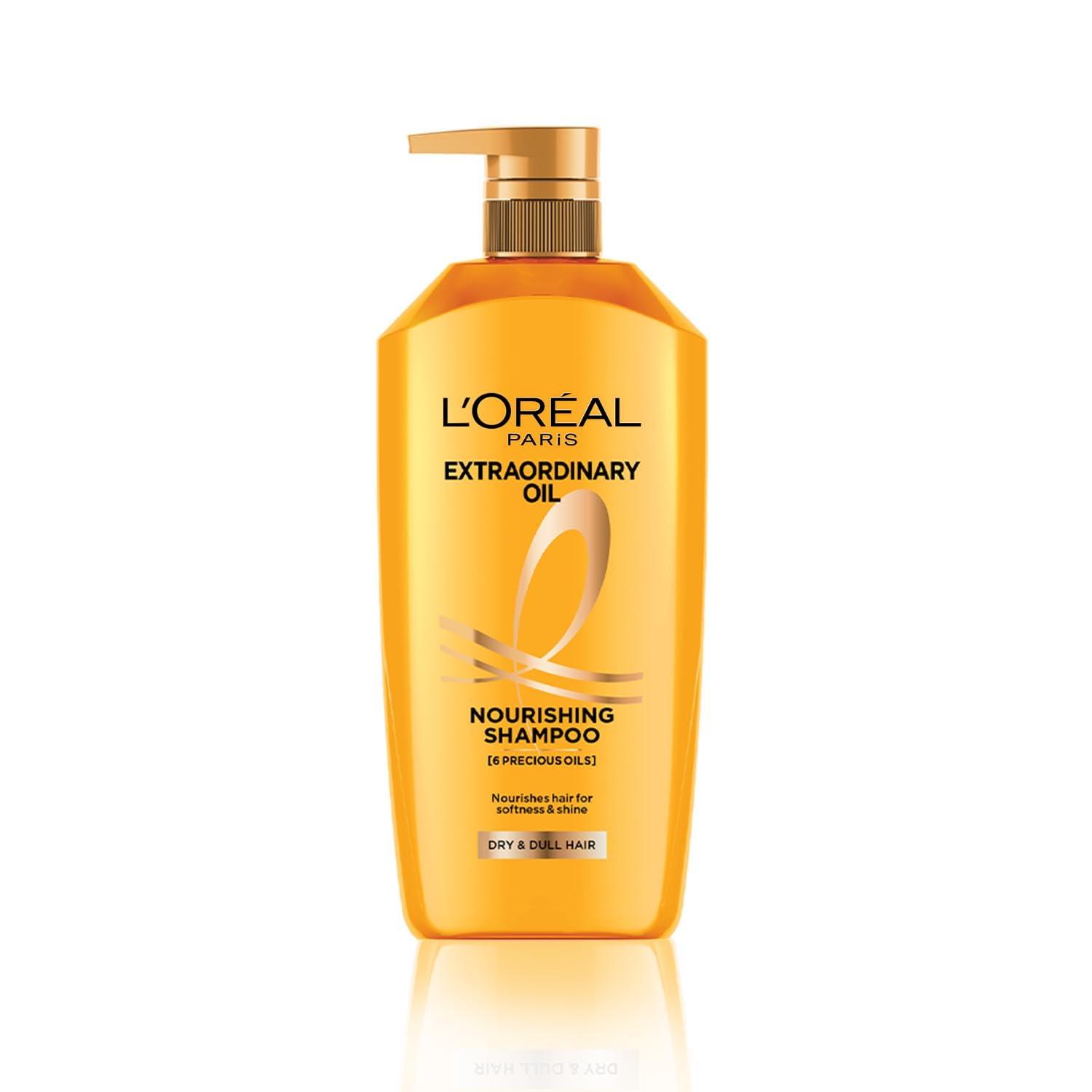
This is where the real magic happens for frizzy hair. Leave-in conditioners provide ongoing moisture and protection throughout the day, while weekly deep conditioning masks repair damage and restore elasticity. The L'Oreal Paris Extraordinary Oil Nourishing Shampoo For Dry & Dull Hair 1000ml offers an excellent starting point for those dealing with dryness-related frizz, as it gently cleanses while infusing hair with nourishing oils that help smooth the cuticle and reduce frizz formation. Hair products for dry frizzy hair should focus on intensive moisture delivery and barrier repair.
Anti-frizz hair products in this category include serums, creams, and oils that create a protective barrier against humidity. Choose lightweight serums for fine hair and richer creams for thick, coarse textures. Heat protectants are non-negotiable if you use styling tools regularly.
Understanding ingredient lists can feel overwhelming, but focusing on a few key players will help you make smarter choices. These ingredients have proven track records for managing frizz and improving hair health.
Hyaluronic acid isn't just for skincare—it holds up to 1000 times its weight in water, making it incredible for hair hydration. Glycerin draws moisture from the environment into your hair shaft, while natural oils like argan, coconut, and jojoba provide essential fatty acids that smooth cuticles and add shine.
Silicones get a bad rap, but they're actually excellent for immediate frizz control. Dimethicone and cyclopentasiloxane create a lightweight film that blocks humidity while adding shine. If you prefer natural alternatives, look for plant-based polymers and film-forming agents derived from flax seeds or chia.
Ceramides and fatty acids help repair damaged cuticles and restore your hair's natural barrier function. These ingredients work particularly well for chemically treated or heat-damaged hair that's lost its protective outer layer.
Creating an effective frizz-control routine is about layering compatible products in the right order. Your routine should address cleansing, conditioning, protection, and styling in a way that works with your hair's natural texture.
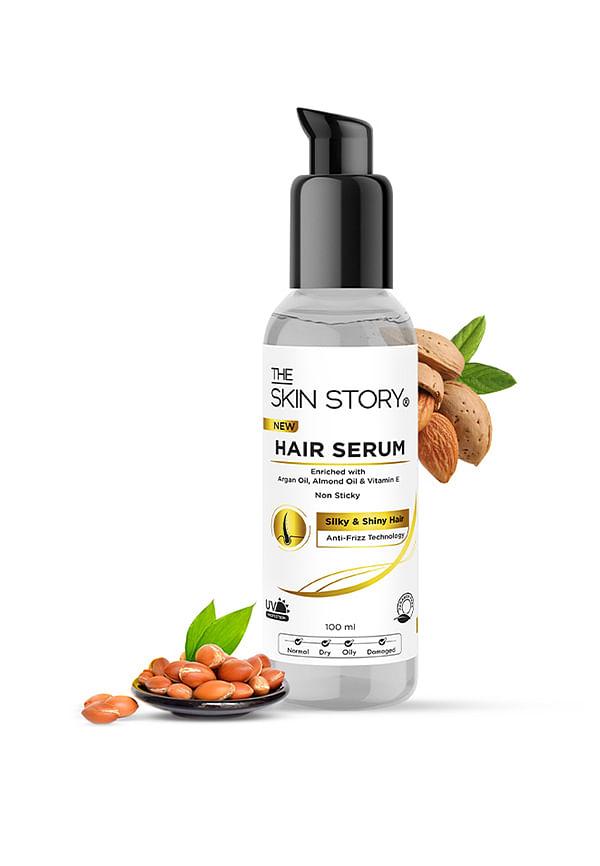
Hair Serum With Anti Frizz Technology And UV Protection, Non-Sticky For Silky Hair
Nice Product, Go For It
5“nice product go for it 💯💯💯💯”
Love and Recommend Product
5“I love this product. I'll definitely recommend this”
Fabulous Product
5“its fabulous loved everything about it”
Start with damp (not soaking) hair for optimal product absorption. Apply leave-in conditioner from mid-length to ends, followed by a frizz-control cream or serum. Use the praying hands method to smooth products down the hair shaft rather than scrunching, which can disrupt the cuticle pattern.
Deep conditioning once or twice a week helps maintain moisture levels and repair ongoing damage. Clarifying treatments remove product buildup that can weigh hair down and interfere with moisture absorption. Overnight treatments with natural oils can provide intensive repair for severely damaged hair.
Humidity-proofing your hair involves creating a barrier between your strands and environmental moisture. Look for products with humidity-blocking polymers, and consider protective styling on particularly humid days. Seasonal routine adjustments help address changing weather conditions and indoor heating or cooling.
Curly hair presents unique challenges because the natural curl pattern creates areas where the cuticle is more vulnerable to lifting. Curly frizzy hair products need to define curls while controlling frizz without weighing down the natural bounce and movement.
The curly girl method emphasises gentle cleansing, intensive conditioning, and curl-enhancing styling techniques. Plopping with a microfibre towel reduces friction and frizz, while diffusing on low heat helps set curls without disrupting their pattern. Frizz taming products for curly hair should enhance natural texture rather than fighting against it.
Refreshing curls between wash days requires lightweight mists or diluted leave-in conditioners that reactivate styling products without causing buildup or weighing hair down.
Even with the best intentions, it's easy to make mistakes that actually increase frizz rather than controlling it. Understanding these common pitfalls can save you time, money, and frustration.
Over-washing strips natural oils and disrupts your hair's moisture balance. Most people with frizzy hair benefit from washing every 2-3 days rather than daily. Product overload is another frequent issue—using too many products or applying them too heavily can weigh hair down and create buildup that interferes with moisture absorption.
Using products with conflicting ingredients can neutralise their effectiveness. For example, protein treatments and moisture treatments should be balanced rather than used simultaneously. Heat styling without proper protection causes cumulative damage that worsens frizz over time.
Ignoring your hair's porosity level when selecting products often leads to disappointing results. Low porosity hair needs lightweight, penetrating formulas, while high porosity hair requires heavier, film-forming products that seal the cuticle.
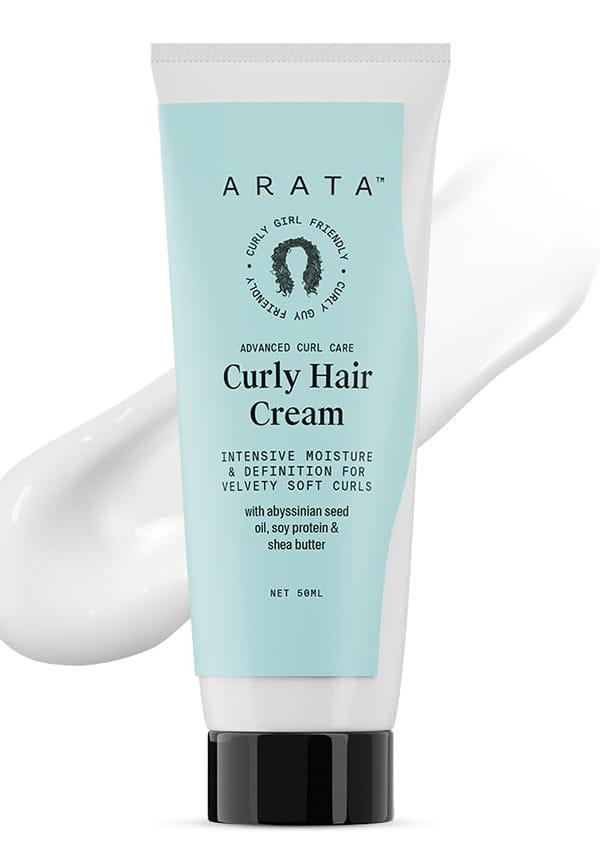
Curl Cream For Curly, Frizzy & Dry Hair | Moisturises & Hydrates Curls | Reduces Frizz| Derma Tested | Soy Protein & Shea Butter | 50g
Easy Application
4“Nice product. Applies easily on my hair.”
Easy Application
4“Nice product. Applies easily on my hair.”
Nice, Useful & Effective Product
5“nice product loved it truly useful nd effective”
Start by identifying your hair's porosity, texture, and curl pattern. Fine hair needs lightweight serums, while thick hair can handle richer creams. Trial-sized products let you test formulations before committing to full sizes, which is particularly helpful when exploring new brands or ingredients.
Moisturising products for frizzy hair typically contain higher concentrations of humectants, emollients, and film-forming agents specifically designed to combat humidity and seal the hair cuticle. They often include ingredients like hyaluronic acid, ceramides, and anti-humidity polymers that regular conditioners may not contain.
Yes, but layering should be done strategically. Start with the lightest consistency and work up to heavier products. Leave-in conditioner, followed by serum, then cream or oil works well for most hair types. Avoid mixing products with conflicting ingredients like certain proteins and moisture treatments.
You should notice immediate improvements in manageability and shine, but significant frizz reduction typically takes 2-4 weeks of consistent use. This allows time for damaged cuticles to repair and for your hair to adjust to the new routine. Products available on Smytten let you trial different formulations to find what works fastest for your hair.
Not necessarily. Price doesn't always correlate with effectiveness—some drugstore brands offer excellent formulations with proven frizz-fighting ingredients. Focus on ingredient lists and your hair's specific needs rather than price point when making decisions.
Successfully managing frizzy hair comes down to understanding your hair's unique characteristics and choosing products that work with, rather than against, your natural texture. The key is building a comprehensive routine that addresses cleansing, conditioning, protection, and styling in a coordinated way.
Remember that consistency matters more than perfection. It's better to stick with a simple routine of compatible products than to constantly switch between different brands and formulations. Pay attention to how your hair responds to different ingredients and adjust your routine seasonally to account for changing humidity levels.
Most importantly, don't expect overnight miracles. Healthy, frizz-free hair is the result of consistent care and protection from environmental damage. With the right products and techniques, you can achieve smooth, manageable hair that looks great in any weather.
Finding the perfect frizz-fighting routine doesn't have to involve expensive trial and error with full-size products. Smytten is India's largest product discovery and trial platform, connecting consumers with top lifestyle, beauty, wellness, and grooming brands through curated trial packs from over 2,400 trusted brands. This try before you buy approach lets you explore different anti-frizz formulations and haircare solutions before committing to full-size purchases. With up to 10 Trial Points for just ₹279 and 100% cashback on trials redeemable for future orders, you can discover your perfect frizz-control routine affordably. The platform's 90% pin code coverage ensures PAN-India delivery of authentic brand-verified minis, so you can access the latest frizz taming products regardless of your location. After all, why settle for maybe when you can #TryItAll and find the products that truly transform your hair?
