How to Choose Frizz Products for Smooth, Manageable Hair


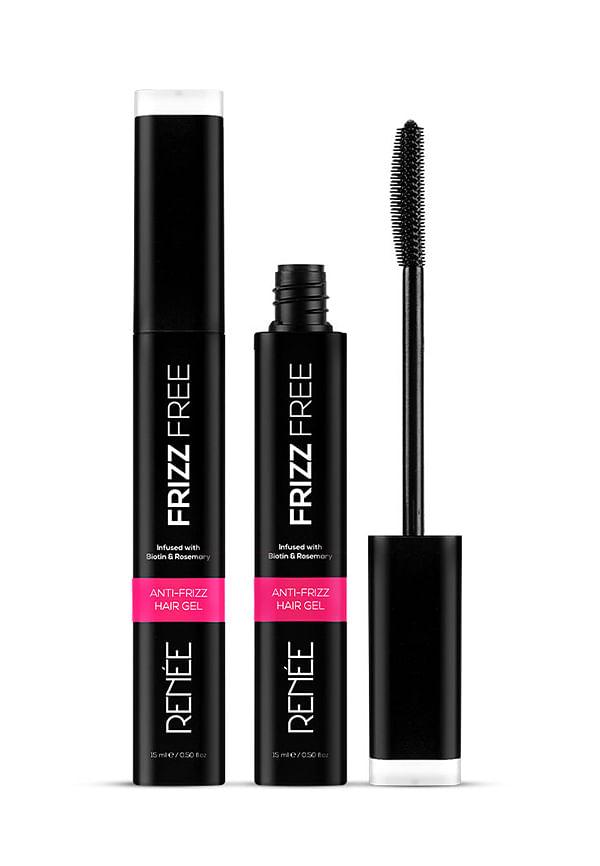
Frizz Free Anti Frizz Hair Gel
You know that feeling when you step outside on a humid day and your hair instantly transforms into a frizzy mess? Or when you spend ages styling your hair only to have it rebel by lunchtime? Real talk — frizz happens to the best of us, and finding the right products to tame it can feel like searching for a needle in a haystack. The good news is that with the right approach to choosing frizz products, you can finally get the smooth, manageable hair you've been dreaming of. Let's dive into everything you need to know about selecting anti-frizz solutions that actually work for your unique hair needs.
Before we jump into how to choose frizz products, let's get real about what's actually happening to your hair. Frizz isn't just bad luck — it's your hair's way of telling you something's off with its moisture balance or structure. When your hair cuticles (those tiny scales on each strand) lift up instead of lying flat, they create that rough, uneven texture we call frizz. This can happen for loads of reasons, from humidity wreaking havoc on your strands to heat damage from styling tools.
Your hair is basically a moisture magnet, and when there's humidity in the air, damaged or porous hair will absorb that moisture unevenly. This causes the hair shaft to swell and the cuticles to lift, creating that dreaded frizzy appearance. Chemical processing, heat styling, and even aggressive brushing can damage these cuticles, making your hair more prone to frizz. Environmental factors like pollution and UV rays also play a part in breaking down your hair's protective barrier.
Not all frizz is created equal, and understanding your specific type helps when choosing the right products. Surface frizz shows up as flyaways and broken hairs sticking out from your style, whilst structural frizz affects your entire hair texture, making it feel coarse and unmanageable. Then there's halo frizz — those annoying baby hairs that create a fuzzy outline around your head. Each type responds differently to various frizz control methods, so identifying yours is key to finding your perfect match.
Here's where things get interesting — the best products for frizzy hair aren't one-size-fits-all. Your hair type, texture, and porosity all play massive roles in determining which anti-frizz hair products will work best for you. Let's break down the different approaches you'll want to consider based on your specific hair characteristics.
If you've got curls, your frizz-fighting strategy needs to work with your natural texture, not against it. Look for cream-based formulations that provide moisture without weighing down your curls. Ingredients like shea butter, coconut oil, and glycerin are your friends here. Avoid anything with drying alcohols or sulfates, as these can strip your curls of their natural oils and make frizz worse.
Straight hair with frizz issues usually benefits from lightweight serums and sprays that smooth the cuticle without adding weight. Your focus should be on heat protection and humidity-blocking ingredients. Silicones like dimethicone can be brilliant for creating a protective barrier, whilst lightweight oils like argan or jojoba add shine without greasiness.
Fine hair is tricky because it needs frizz control but can't handle heavy products that'll weigh it down. Look for volumising anti-frizz formulas that contain lightweight moisturisers. Avoid thick creams and heavy oils — instead, opt for water-based serums or mousse-type products that provide control whilst maintaining body and movement.
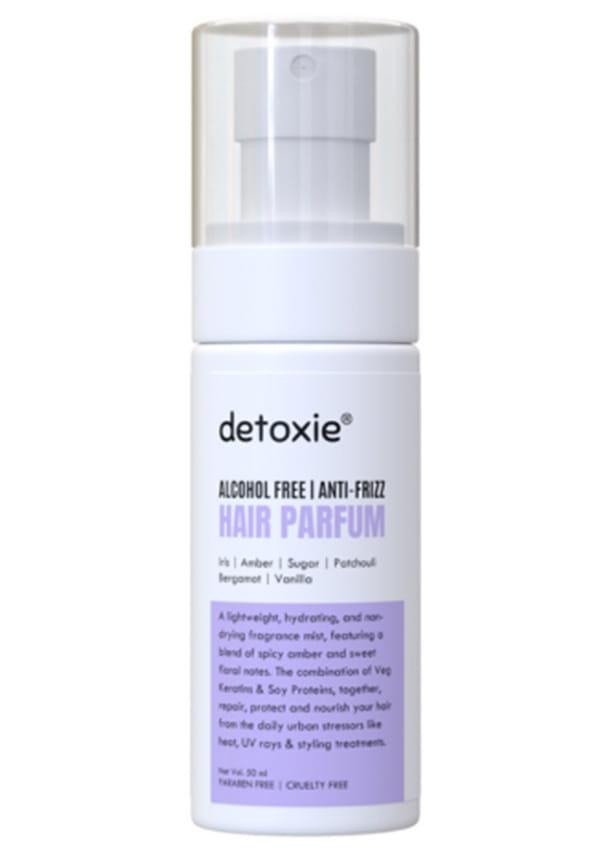
Alcohol Free Anti-Frizz Hair Parfum
Thick, coarse hair can handle — and often needs — richer formulations to keep frizz at bay. Don't be afraid of heavier creams, butters, and oils. Your hair has the strength to carry these products without looking weighed down, and the extra moisture will help smooth those stubborn cuticles. Deep conditioning treatments should be a regular part of your routine.
Building an effective frizz-fighting arsenal doesn't mean buying every product on the shelf. Instead, focus on a few key categories that work together to keep your hair smooth and manageable. Think of it as creating a support system for your strands — each product has a specific job to do in taming frizzy hair.
Your foundation starts in the shower with a frizz reducing shampoo that cleanses without stripping. Sulfate-free formulas are worth obsessing over because they clean your hair without removing essential oils. Follow up with a moisturising conditioner that focuses on smoothing the cuticle. Don't skip the weekly deep conditioning treatment — your hair needs that extra moisture boost to stay frizz-free.
This is where the magic happens for managing frizzy hair. A good frizz serum can be the difference between a good hair day and a great one. Apply it to damp hair before styling to create a protective barrier against humidity. The key is finding the right consistency for your hair type — lighter serums for fine hair, richer creams for thick or damaged hair.
Pre-styling treatments prep your hair for whatever you're planning to do with it, whilst finishing products lock in your style and add that final touch of shine. Heat protectants are non-negotiable if you're using hot tools — they prevent further damage that could lead to more frizz down the line.
Ingredient lists might look like chemistry homework, but knowing what to look for makes choosing the right products so much easier. Some ingredients are absolute game-changers for frizz control, whilst others might not be worth your money. Let's break down the heavy hitters that actually make a difference in haircare for humidity and beyond.
Hyaluronic acid isn't just for skincare — it's brilliant for hair too, holding up to 1000 times its weight in water. Glycerin draws moisture from the environment into your hair (though it can backfire in very humid conditions). Natural oils like argan, coconut, and jojoba penetrate the hair shaft to provide deep moisture, whilst shea butter and ceramides help repair and strengthen the cuticle layer.
Hydrolysed keratin fills in gaps in damaged hair cuticles, creating a smoother surface that's less prone to frizz. Amino acids are the building blocks of hair protein, helping to repair and strengthen from within. Silk proteins add a protective coating that enhances shine and smoothness whilst reducing friction between hair strands.
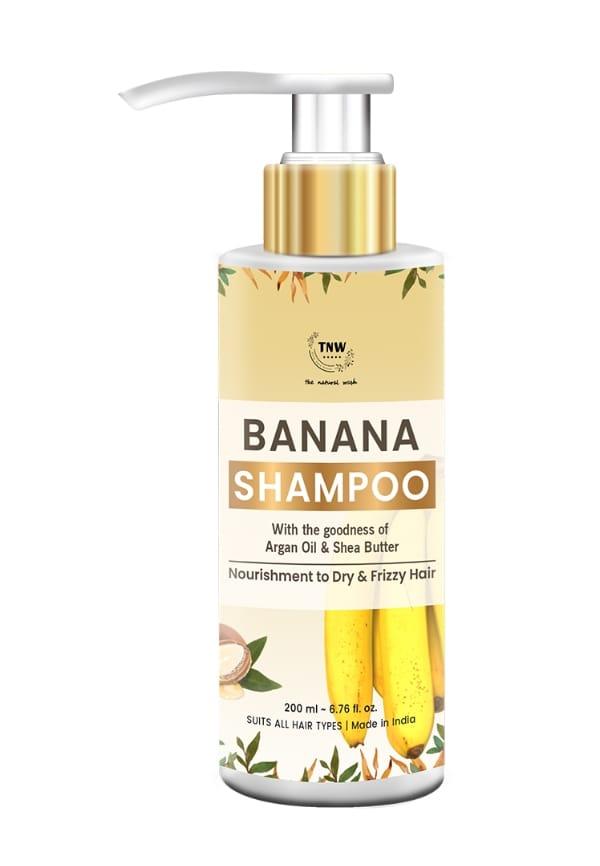
Banana Shampoo for Frizz | AntiFrizz Shampoo for All Hair Types | Banana Shampoo for Manageable Hair200ml
Different types of silicones offer varying levels of protection — some are water-soluble and wash out easily, whilst others provide longer-lasting humidity barriers. Polymers create flexible films on the hair that move with your strands whilst blocking moisture. If you prefer natural alternatives, look for plant-based ingredients like flaxseed gel or aloe vera that provide similar protective benefits.
Having the right products is only half the battle — knowing how to use them together is what transforms your hair from frizzy to fabulous. Your routine should work with your lifestyle, not against it, and be realistic enough that you'll actually stick to it. Let's map out a practical approach to taming frizzy hair that fits into real life.
Start with damp (not soaking) hair and apply your leave-in treatment from mid-length to ends. If you're air-drying, scrunch gently and avoid touching your hair whilst it dries. For heat styling, always use a heat protectant and keep temperatures moderate. Midday touch-ups can be as simple as lightly misting with water and reapplying a tiny amount of serum to problem areas.
Once a week, treat your hair to an intensive moisture mask — this is especially important for hair products for dry frizzy hair concerns. Protein treatments should be used sparingly (every 2-4 weeks) and only if your hair is damaged. Don't forget about your scalp — a healthy scalp grows healthier hair that's naturally less prone to frizz.
Summer calls for stronger humidity protection and UV shields, whilst winter might require richer moisturisers to combat dry air from heating systems. Spring and autumn can be tricky with changing weather patterns, so having both lightweight and heavier products on hand helps you adapt as needed.
Even with the best intentions, it's easy to make mistakes when building your anti-frizz routine. Some of these slip-ups can actually make your frizz worse, whilst others just waste your money. Let's talk about the most common pitfalls and how to avoid them when selecting your frizz-fighting arsenal.
More isn't always better when it comes to hair products. Using too many products can weigh your hair down and create buildup that actually attracts dirt and humidity. Signs you're overdoing it include hair that feels heavy, looks dull, or gets greasy quickly. A weekly clarifying shampoo can help reset your hair, but prevention is better than cure.
Hair porosity — how easily your hair absorbs and releases moisture — affects which products work best for you. Low porosity hair needs lighter products that won't sit on the surface, whilst high porosity hair can handle and often needs heavier formulations. The water test (drop a clean strand in water and see how quickly it sinks) can help you figure out your porosity level.
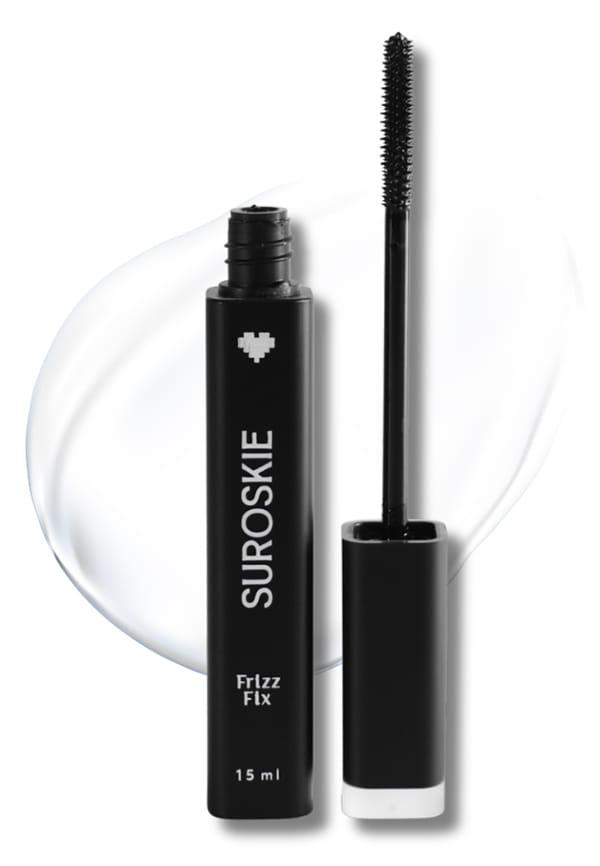
Anti Frizz Hair Stick
Your local climate plays a huge role in how your hair behaves. Hard water can make products less effective and cause buildup, whilst very dry or very humid environments require different approaches. Consider investing in a shower filter if you have hard water, and adjust your product selection based on seasonal changes.
The best approach starts with a sulfate-free shampoo and moisturising conditioner, followed by a leave-in treatment suited to your hair type. Add a frizz serum for styling and a weekly deep conditioning mask. Fine hair needs lightweight formulas, whilst thick or coarse hair can handle richer products. Always include heat protection if you use styling tools.
Several vitamin deficiencies can contribute to frizzy, unmanageable hair. Low levels of biotin, vitamin D, iron, and omega-3 fatty acids are commonly linked to hair texture issues. However, frizz is more often caused by external damage, humidity, or using the wrong products rather than nutritional deficiencies alone.
Hormonal changes during menopause can alter hair texture, making it drier and more prone to frizz. Focus on extra moisture with rich conditioners and weekly hair masks. Consider products with ingredients like hyaluronic acid and ceramides that help retain moisture. A silk pillowcase can also help reduce friction whilst you sleep.
The best frizz control product depends on your specific hair type and concerns. Serums work well for fine to medium hair, whilst creams suit thicker textures. Look for products with humidity-blocking ingredients like silicones or natural alternatives like flaxseed. Always choose formulations that match your hair's porosity and moisture needs.
Straight hair benefits from lightweight serums and heat protectants, wavy hair needs curl-enhancing creams that define without weighing down, curly hair requires rich moisturisers and leave-in treatments, and coily hair thrives with heavy creams and oils. Always consider your hair's thickness and porosity alongside its natural texture.
Finding the right frizz control products might take some trial and error, but understanding your hair type and needs puts you miles ahead of random guessing. Remember that consistency is key — even the best products won't work miracles overnight, but with regular use, you'll start seeing smoother, more manageable hair. The key is building a routine that works with your lifestyle and hair goals, not against them.
Whether you're dealing with humidity-induced frizz, heat damage, or just naturally unruly hair, there are solutions out there that can help. Focus on moisture, protection, and gentle handling, and don't be afraid to adjust your routine as your hair's needs change with the seasons or your lifestyle. Your perfect frizz-fighting routine is out there — it just takes a bit of experimentation to find it.
Not sure which products might work for your specific hair concerns? Smytten's curated selection includes anti-frizz solutions from trusted brands, and their trial-size options let you test different formulations before committing to full bottles. It's a smart way to discover your new fave without the guesswork — because when it comes to taming frizz, finding the right match makes all the difference.
