How to Choose Anti Hair Fall Shampoo for Thinning Hair


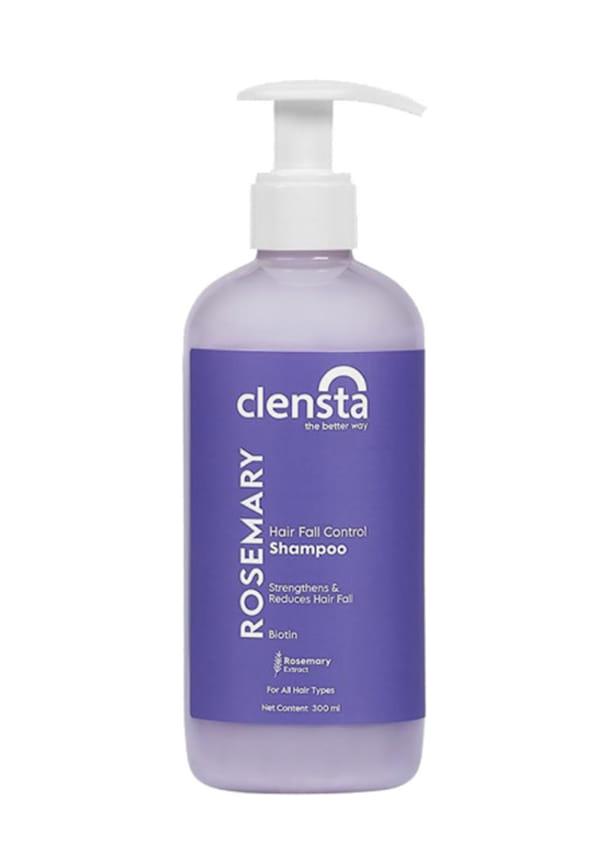
Rosemary Hair Fall Control Shampoo With Biotin For Reducing Hair Loss, Breakage & Daily Use
You know that sinking feeling when you run your fingers through your hair and come away with more strands than you'd like? Or when you catch a glimpse of your scalp in harsh lighting and wonder when your hair started looking so... sparse? If you're nodding along, you're definitely not alone. Hair fall and thinning affect millions of people, and while it's completely normal to lose 50-100 strands daily, excessive shedding can leave you feeling frustrated and searching for answers. The good news? The right anti hair fall shampoo can make a real difference, but knowing how to choose one that actually works for your specific needs is where things get tricky.
Let's be real—hair fall and hair thinning aren't the same thing, even though they often get lumped together. Hair fall is when you're shedding more strands than usual, whilst hair thinning means each individual strand is becoming finer and weaker over time. Think of it this way: hair fall is about quantity, and thinning is about quality.
Normal hair shedding happens because your hair follows a natural growth cycle. But when hormones go haywire (hello, stress and life changes), genetics kick in, or environmental factors pile up, that cycle gets disrupted. For women, hormonal fluctuations during pregnancy, menopause, or even switching birth control can trigger excessive shedding. Men often deal with pattern baldness driven by DHT sensitivity, which affects the hairline and crown area differently than general thinning.
The key is recognising when your hair loss crosses from normal into concerning territory. If you're seeing more hair in your brush than usual, noticing your ponytail feels thinner, or spotting areas where your scalp shows through more than before, it might be time to switch up your haircare routine with a targeted anti-hair fall shampoo for women or hair loss shampoo for men.
Right, let's talk ingredients—because not all anti hair fall shampoos are created equal. The difference between a shampoo that actually works and one that's just expensive water lies in what's inside the bottle.
Ketoconazole is probably the most researched ingredient for hair loss. Originally an antifungal, it also blocks DHT production on your scalp, which is brilliant news if you're dealing with pattern hair loss. You'll find it in concentrations of 1-2% in over-the-counter formulas, and dermatologists often recommend it as a first-line treatment.
Biotin and B-complex vitamins are your hair growth shampoo ingredients that actually have science backing them up. Biotin deficiency can cause hair thinning, so supplementing through your shampoo makes sense. Look for formulas that combine biotin with niacin and panthenol for maximum effectiveness.
For strengthening shampoo for weak hair, keratin and ceramides are worth obsessing over. Keratin is literally what your hair is made of, so adding it back helps fill in microscopic gaps in damaged strands. Ceramides work like mortar between bricks, keeping your hair cuticle smooth and strong.
Hyaluronic acid isn't just for your face—it's brilliant for scalp health too. A healthy scalp environment is crucial for hair growth, and hyaluronic acid helps maintain proper moisture levels without weighing your hair down.
On the natural side, rosemary oil has studies showing it's as effective as minoxidil for hair growth. Tea tree oil keeps your scalp clean and healthy, whilst caffeine can stimulate blood flow to hair follicles. Saw palmetto and pumpkin seed oil are natural DHT blockers that work particularly well for men dealing with receding hairlines.
What to avoid? Harsh sulfates like sodium lauryl sulfate can strip your scalp and weaken already fragile hair. Parabens and synthetic fragrances can cause scalp irritation, which definitely won't help your hair situation.
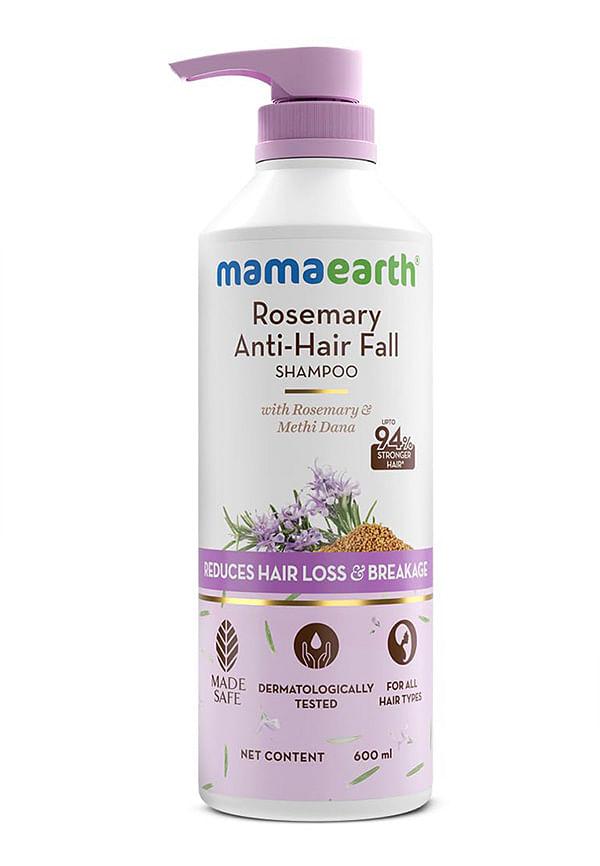
Rosemary Anti-Hair Fall Shampoo with Rosemary & Methi Dana for Reducing Hair Loss & Breakage
Your hair type completely changes which anti hair fall shampoo will work best for you. There's no one-size-fits-all solution here, and using the wrong formula can actually make thinning look worse.
If you've got fine or thin hair, you need a volumizing shampoo for fine hair that won't weigh down your strands. Look for lightweight formulations with ingredients like rice protein or wheat amino acids that add body without heaviness. Avoid anything with heavy oils or thick conditioning agents in the shampoo itself—save those for separate treatments.
Thick, coarse hair can handle richer formulations. You'll want strengthening ingredients like keratin and ceramides, plus gentle cleansing agents that won't strip your hair's natural oils. Your hair can typically handle more intensive treatments, so look for shampoos that combine anti-fall benefits with deep nourishment.
Got an oily scalp with hair fall? This combo is tricky because you need to control oil without over-cleansing. Look for clarifying ingredients like tea tree oil or salicylic acid, but make sure they're balanced with scalp-soothing components. The best shampoo for thinning hair in this category will clean thoroughly whilst supporting healthy hair growth.
Dry or damaged hair needs extra TLC. Seek out moisturising anti-fall combinations with ingredients like hyaluronic acid, natural oils, and protein treatments. Your shampoo should clean gently whilst adding back moisture and strength.
Men and women often experience hair loss differently, which means their shampoo needs vary too. Male pattern baldness typically affects the hairline and crown, creating a specific pattern that responds well to DHT-blocking ingredients. A good hair loss shampoo for men will focus heavily on ketoconazole, saw palmetto, and caffeine.
Women's hair loss tends to be more diffuse, affecting overall density rather than creating bald patches. Anti-hair fall shampoo for women often emphasises gentle strengthening and scalp health, with ingredients like biotin, keratin, and botanical extracts taking centre stage.
Ever wondered why dermatologists recommend certain shampoos over others? It comes down to clinical testing, proper ingredient concentrations, and pH balance. Professional-grade formulas undergo rigorous testing to prove they actually work, not just that they smell nice.
The concentration of active ingredients matters hugely. A shampoo might list ketoconazole on the label, but if it's only 0.1%, it won't be as effective as a 1% formula. Dermatologist-recommended products typically use therapeutic concentrations that have been proven effective in clinical trials.
pH balance is another factor most people overlook. Your scalp's natural pH is around 5.5, and shampoos that match this level are less likely to cause irritation or disrupt your scalp's protective barrier. Professional formulas pay attention to these details because they understand that scalp health directly impacts hair growth.
Choosing the right shampoo to reduce hair fall doesn't have to feel overwhelming. Here's how to approach it systematically.
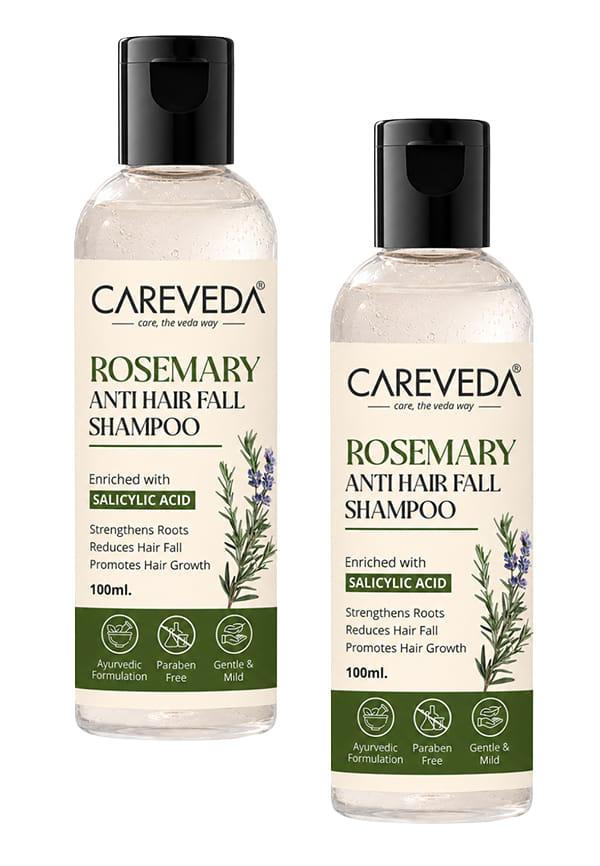
Rosemary Anti Hair Fall Shampoo
Start by honestly assessing your hair type and scalp condition. Is your scalp oily, dry, or somewhere in between? Are your individual strands fine, medium, or thick? Do you have any scalp sensitivities or conditions like dandruff? This baseline helps narrow down your options significantly.
Next, identify your primary concerns. Are you dealing with excessive shedding, gradual thinning, or both? Is the hair loss concentrated in specific areas or happening all over? Different patterns often require different approaches, so being specific helps you choose more targeted hair fall control products.
Research the ingredients in products you're considering. Look for clinical studies backing up the claims, and check that active ingredients are present in therapeutic concentrations. Don't just rely on marketing claims—dig into the actual science.
Consider your budget and how accessible the product is. The best anti hair fall shampoo is one you can afford to use consistently. Factor in whether you'll need complementary products like conditioners or treatments, as these costs add up.
Give any new shampoo at least three months to show results. Hair growth cycles are slow, and you won't see meaningful changes overnight. Track your progress with photos and notes about shedding patterns—this helps you evaluate whether the product is actually working.
The natural anti-hair fall remedies vs. commercial shampoo debate is ongoing, but here's the real talk: both have their place, and the best approach often combines elements of each.
DIY treatments like rosemary oil rinses, onion juice masks, and green tea scalp treatments do have research supporting their effectiveness. Rosemary oil, in particular, has been shown to be as effective as 2% minoxidil in some studies. The downside? Consistency and convenience. Making your own treatments takes time and effort that not everyone can maintain.
Commercial formulas offer convenience and standardised concentrations of active ingredients. You know exactly what you're getting, and the products are designed to work together as part of a routine. The trade-off is cost and the potential for unnecessary additives.
The sweet spot might be choosing commercial shampoos with natural active ingredients, or supplementing a good anti hair fall shampoo with occasional natural treatments. This gives you the best of both worlds without the hassle of completely DIY haircare.
Even with the perfect shampoo, certain mistakes can completely undermine your progress. Over-washing is a big one—daily shampooing can strip your scalp and weaken already fragile hair. Most people with hair fall concerns do better washing every other day or even less frequently.
Expecting immediate results is another progress killer. Hair growth happens in cycles, and it takes at least 3-6 months to see meaningful changes. Switching products every few weeks because you don't see instant results just confuses your scalp and prevents you from properly evaluating what works.
Ignoring scalp health whilst focusing only on hair strands is like trying to grow a garden in poor soil. Your scalp environment directly affects hair growth, so addressing issues like inflammation, excess oil, or dryness is crucial for long-term success.
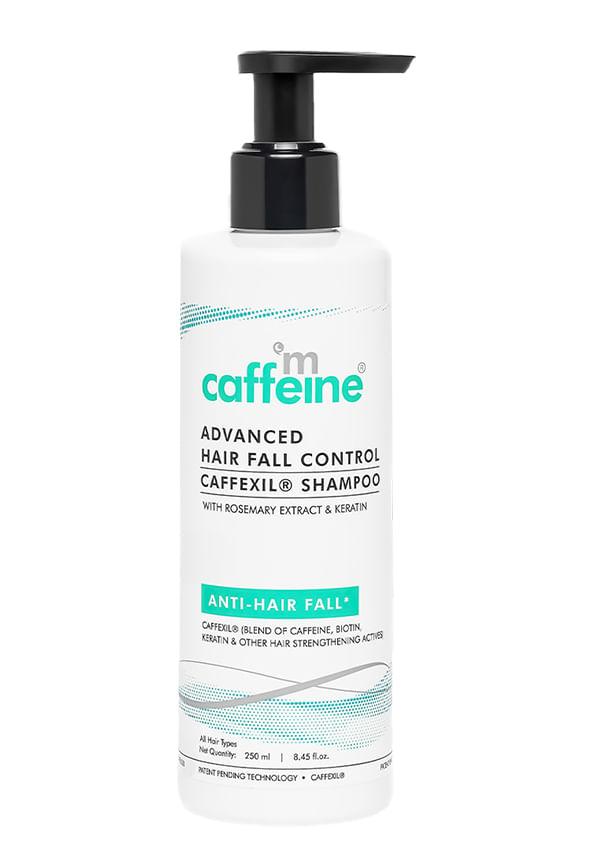
Advanced Hair Fall Control Caffexil® Shampoo With Keratin, Biotin & Rosemary
Using multiple new products simultaneously makes it impossible to identify what's helping and what might be causing problems. Introduce one new product at a time, give it a proper trial period, then add other treatments if needed.
The best shampoo depends on your specific hair type and the cause of your hair loss. Dermatologist-recommended formulas containing ketoconazole, biotin, and keratin tend to show the most consistent results. Look for clinically tested products with proven ingredients rather than just marketing claims.
For thin hair, select lightweight formulations that add volume without weighing strands down. Avoid heavy oils and thick conditioning agents in your shampoo. Key ingredients to look for include biotin, rice protein, and hyaluronic acid for scalp health without heaviness.
Dermatologists typically recommend shampoos containing 1-2% ketoconazole for their proven effectiveness against hair loss. Biotin-enriched formulas and those with natural DHT blockers like saw palmetto also receive professional endorsement for addressing thinning concerns.
Realistic results take 3-6 months of consistent use. Hair growth cycles are slow, and you're essentially training your scalp to produce healthier hair. Some people notice reduced shedding within 4-6 weeks, but visible thickness improvements take longer.
Most anti hair fall shampoos are designed for every other day use. Daily washing can strip your scalp's natural oils and potentially irritate sensitive skin. Follow the product instructions and adjust frequency based on how your scalp responds.
Finding the right anti hair fall shampoo for thinning hair isn't about finding one magic product—it's about understanding your specific needs and choosing a formula that addresses them systematically. Whether you're dealing with hormonal changes, genetic predisposition, or environmental stressors, the key is consistency with products that contain proven ingredients in effective concentrations.
Remember that hair health is a marathon, not a sprint. The best shampoo for thinning hair is one you can use consistently for months, not weeks. Focus on gentle, effective formulations that support both your scalp health and hair strength, and be patient with the process.
At Smytten, you'll find a curated selection of anti hair fall shampoos from trusted brands, each chosen for their proven ingredients and real-world effectiveness. With options for every hair type and concern, plus the convenience of India-wide delivery and cashback rewards, finding your perfect match becomes much less overwhelming. Not sure which formula suits your specific needs? Smytten also offers trial-size versions of many of these products—a smart way to test different options before committing to full bottles.
