How to Choose Anti-Dandruff Shampoo for Oily Scalp

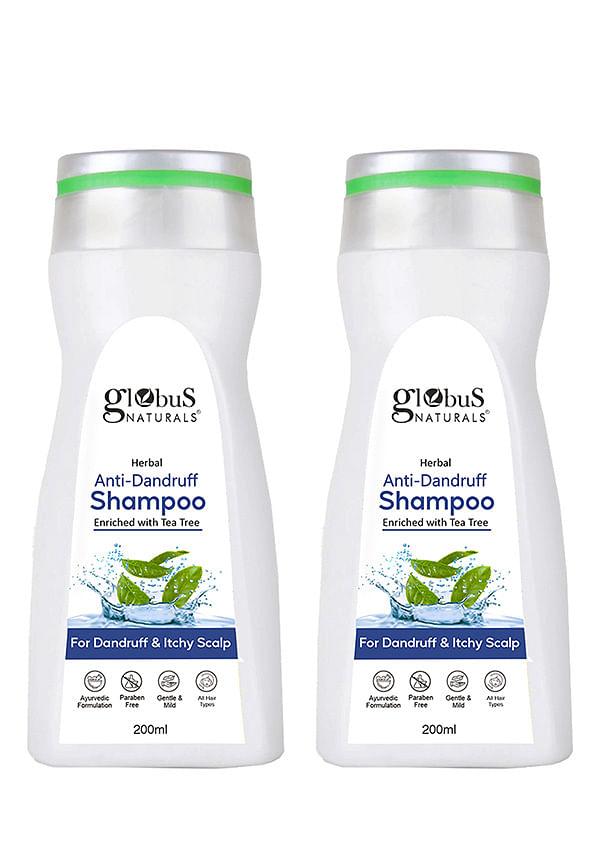
Anti Dandruff Shampoo, For Dandruff and Itchy Scalp
Picture this: you've just washed your hair yesterday, but by midday, your scalp feels greasy and those telltale white flakes are already making an appearance on your shoulders. Sound familiar? If you're dealing with both an oily scalp and dandruff, you're definitely not alone. This combo can feel like a never-ending cycle—wash too much and your scalp overcompensates with more oil, wash too little and the flakes multiply. The good news? Finding the right anti-dandruff shampoo for your oily scalp can break this frustrating pattern once and for all.
Let's be real—oily scalps and dandruff go together like that one friend who always brings drama to every gathering. Your scalp produces sebum (natural oil) to keep things moisturised, but when it goes into overdrive, it creates the perfect environment for Malassezia, a yeast-like fungus that feeds on those oils. This little troublemaker breaks down the sebum into fatty acids that irritate your scalp, leading to inflammation, flaking, and that persistent itch.
The tricky bit is that oily scalp dandruff treatment isn't just about controlling the flakes—you need to tackle the root cause. Seborrheic dermatitis, which is what most people experience with oily scalp dandruff, shows up as yellowish, greasy flakes rather than the dry, white flakes you might see with regular dandruff. You'll notice your scalp feels tender, looks red in patches, and the flakes tend to stick to your hair rather than falling freely.
What makes this particularly annoying is that excess oil production can be triggered by stress, hormonal changes, weather, or even using the wrong products. When your scalp's natural balance gets disrupted, it can take weeks to reset—which is why knowing how to control oily scalp with dandruff becomes essential for long-term scalp health.
When you're shopping for an effective dandruff shampoo for oily scalp, the ingredient list is your best friend. Not all anti-dandruff formulas are created equal, and what works for dry scalp dandruff might actually make your oily situation worse. Here's what you should be hunting for on those labels.
Ketoconazole is the gold standard here—this antifungal ingredient doesn't mess around when it comes to controlling Malassezia. You'll find it in concentrations of 1% or 2%, with the higher percentage being more effective for stubborn cases. Selenium sulfide is another heavy hitter that not only fights fungus but also helps regulate oil production, making it perfect for greasy scalps. Zinc pyrithione offers a gentler approach while still delivering antimicrobial benefits, ideal if you have sensitive skin but still need serious dandruff control.
Salicylic acid deserves a special mention for oily scalps—it exfoliates dead skin cells while helping to control sebum production. Think of it as your scalp's personal trainer, keeping things tight and balanced. Piroctone olamine provides gentle clarifying action without being too harsh, whilst coal tar (though quite strong) can be incredibly effective for severe cases, though you'll want to use it sparingly.
Avoid sulfates that strip your scalp so aggressively that it rebounds with even more oil production. Heavy moisturising agents like shea butter or coconut oil derivatives can weigh down oily hair and feed the very fungus you're trying to eliminate. Harsh alcohols might seem like they'd help with oil control, but they often trigger your scalp to produce even more sebum as a protective response.
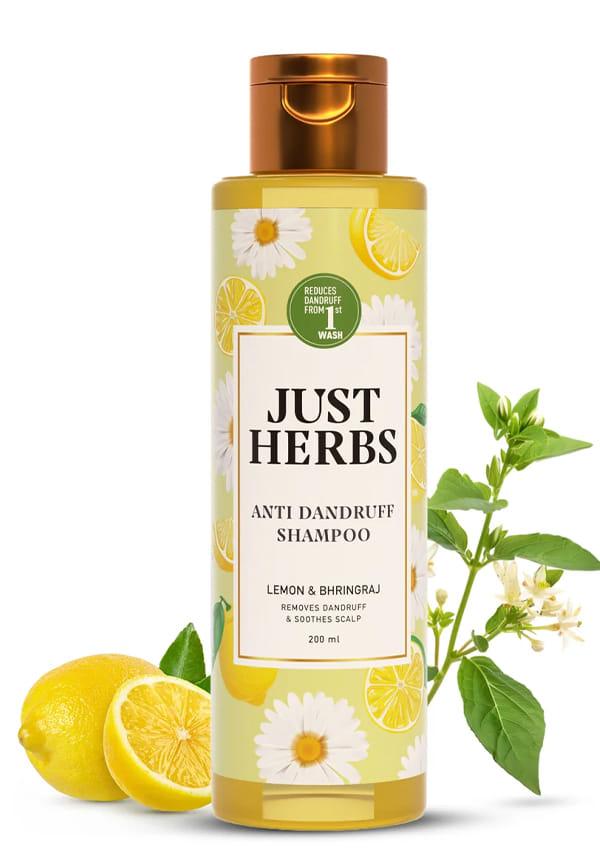
Anti Dandruff Shampoo | Lemon, Bhringraj & 12 Herbs
Choosing dandruff shampoo for oily skin isn't just about grabbing the strongest formula you can find. Your scalp's specific needs, sensitivity level, and the severity of your dandruff all play a role in finding your perfect match. Here's how to navigate the options like a pro.
Take an honest look at your scalp condition. Mild dandruff with occasional flaking might respond well to zinc pyrithione or piroctone olamine formulas. If you're dealing with thick, yellowish flakes and significant itching, you'll likely need something stronger like ketoconazole. Consider how often you currently wash your hair—if you're already washing daily and still struggling with oil and flakes, you need a formula that works efficiently without requiring constant use.
Active ingredient concentrations matter more than fancy marketing claims. Look for pH levels between 4.5-6.5, which help maintain your scalp's natural acid mantle whilst allowing the active ingredients to work effectively. Sulfate-free doesn't always mean better for oily scalps—sometimes you need that extra cleansing power, but look for gentler sulfates like sodium lauryl sulfoacetate rather than the harsher sodium lauryl sulfate.
Stick with dermatologist-recommended brands that have clinical testing behind their claims. FDA-approved active ingredients give you confidence that you're using something safe and effective. Don't be swayed by the most expensive option—sometimes the best shampoo for oily dandruff is a straightforward, no-frills formula with proven ingredients.
Understanding the different types of shampoo for greasy hair and flakes helps you narrow down your options based on your specific needs and preferences. Each category has its place in treating oily scalp dandruff, and sometimes the best approach involves rotating between different types.
These are your heavy-duty options, typically containing ketoconazole, selenium sulfide, or prescription-strength ingredients. They're designed for persistent dandruff that hasn't responded to gentler treatments. You might need a dermatologist's prescription for the strongest versions, but many effective medicated shampoos are available over the counter. Use these when you need serious intervention, but be prepared for a more clinical experience—they're about results, not luxury.
Tea tree oil-based shampoos offer natural antifungal properties whilst being gentler on sensitive scalps. Neem, rosemary, and other botanical ingredients can provide effective dandruff control for those who prefer plant-based solutions. These work well for mild to moderate dandruff and are often better tolerated for long-term use, though they might take longer to show results than their medicated counterparts.
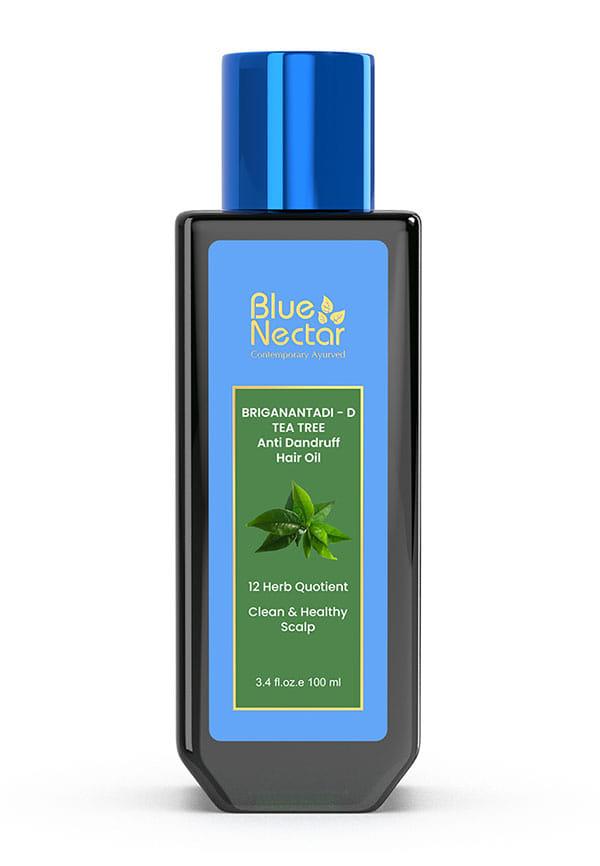
Tea Tree Anti Dandruff and Healthy Scalp Oil 12 Herbs
These combine deep-cleansing capabilities with anti-dandruff ingredients, perfect for oily scalps that need regular detoxing. They're particularly useful if you use styling products regularly or live in a polluted environment. Use these 2-3 times per week rather than daily, as they can be quite strong.
Having the right shampoo is only half the battle—how you use it determines whether you'll see real results or just waste your money. These oily scalp remedies for dandruff focus on technique as much as product choice.
Start with thoroughly wet hair and scalp—lukewarm water works best as hot water can stimulate more oil production. Apply the shampoo directly to your scalp, not your hair lengths. Use your fingertips (not nails) to massage the product in circular motions, focusing on areas where you notice the most flaking or oiliness. This isn't a quick rinse situation—let the active ingredients work for 2-5 minutes before rinsing thoroughly.
The rinsing step is crucial and often overlooked. Spend at least twice as long rinsing as you did applying the shampoo. Any residue left behind can irritate your scalp and actually contribute to more flaking. Follow with a lightweight conditioner applied only to the mid-lengths and ends of your hair, avoiding the scalp area entirely.
For oily scalps with dandruff, daily washing might be necessary initially, but aim to reduce frequency as your scalp balance improves. Consider rotating between a medicated anti-dandruff shampoo and a gentle, oil-controlling formula to prevent your scalp from becoming resistant to any one ingredient. Once your dandruff is under control, you can often maintain results with 2-3 uses per week of your anti-dandruff shampoo.
Real talk—some of the most well-intentioned haircare habits can actually sabotage your progress when dealing with oily scalp dandruff. Over-washing seems logical when your scalp feels greasy, but it can trigger a rebound effect where your scalp produces even more oil to compensate for being stripped too aggressively.
Using products designed for dry scalp conditions is another common mistake. Those rich, moisturising formulas will weigh down oily hair and potentially feed the fungus causing your dandruff. Inconsistent application routines also undermine your efforts—anti-dandruff treatments need time and consistency to work effectively.
Many people stop treatment as soon as they see improvement, but dandruff often returns if you don't maintain some level of ongoing care. Think of it like going to the gym—you can't just stop once you see results and expect them to last forever.
Sometimes DIY solutions aren't enough, and that's completely normal. If you've been consistently using appropriate products for 4-6 weeks without seeing improvement, it's time to consult a dermatologist. Severe inflammation, hair loss accompanying the dandruff, or signs of infection like pustules or open wounds definitely warrant professional attention.
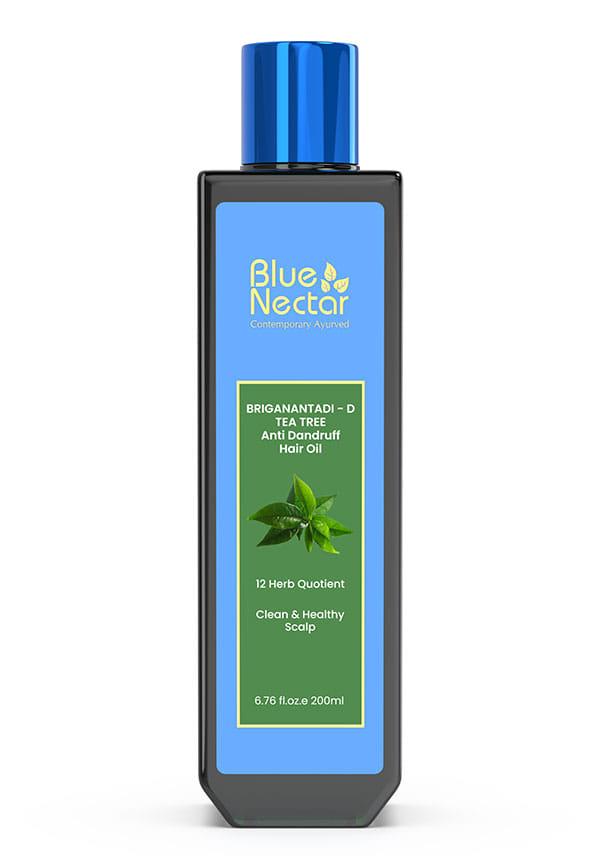
Tea Tree Anti Dandruff and Healthy Scalp Oil 12 Herbs
A dermatologist can determine whether you're dealing with seborrheic dermatitis, psoriasis, or another scalp condition that might require prescription treatments. They can also rule out underlying issues like hormonal imbalances or nutritional deficiencies that might be contributing to your scalp problems.
Shampoos containing ketoconazole 2% are generally considered most effective for oily scalp dandruff. Look for formulas that combine antifungal ingredients with oil-controlling agents like salicylic acid. Brands recommended by dermatologists often provide the best balance of efficacy and safety for long-term use.
Dual-action formulas containing zinc pyrithione or selenium sulfide work well for both concerns. These ingredients target the fungus causing dandruff whilst helping regulate sebum production. Avoid heavy moisturising formulas and opt for lightweight, clarifying options instead.
Yes, many anti-dandruff ingredients have sebum-regulating properties. Selenium sulfide and salicylic acid, in particular, help control oil production whilst treating dandruff. However, choose formulas specifically designed for oily hair rather than those meant for dry scalp conditions.
Initially, daily use might be necessary for severe cases. As symptoms improve, reduce to 2-3 times per week for maintenance. Oily scalps generally tolerate more frequent washing than dry scalps, but monitor your scalp's response and adjust accordingly.
Potential side effects include scalp irritation, dryness, or colour fading in treated hair. Start with less frequent use to assess tolerance. If you experience persistent irritation or worsening symptoms, discontinue use and consult a dermatologist.
Finding the right anti-dandruff shampoo for your oily scalp might take some trial and error, but understanding what to look for puts you miles ahead of random guessing. Focus on proven ingredients like ketoconazole, zinc pyrithione, or selenium sulfide, and don't forget that proper application technique is just as important as the product itself.
Remember that consistency beats intensity—it's better to use a moderately effective product regularly than to go all-out with harsh treatments sporadically. Your scalp needs time to reset its natural balance, so give any new routine at least 4-6 weeks before deciding whether it's working.
The key is finding that sweet spot where your scalp feels clean and comfortable without being stripped or irritated. With the right approach, you can absolutely get your oily scalp dandruff under control and enjoy hair that looks and feels genuinely healthy. Not sure which formulation might work best for your specific needs? Smytten offers trial-size versions of many anti-dandruff shampoos—a smart way to test different options before committing to full bottles.
