How to Choose a Non-Sticky Hairspray Easily


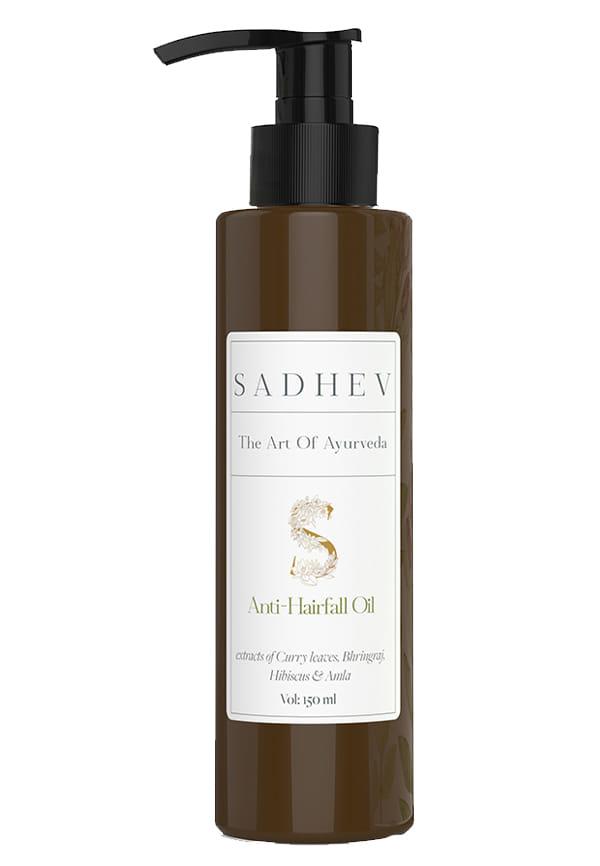
Anti-Hairfall Oil
We've all been there—you spray your hair, thinking you'll get that perfect hold, only to end up with crunchy, sticky strands that feel more like plastic than hair. The struggle of avoiding sticky hair spray is real, and it's one of the most common haircare complaints. The good news? You don't have to choose between great hold and touchable hair. Finding the right non sticky hairspray is totally doable once you know what to look for. Let's dive into everything you need to know about choosing a hairspray that actually works with your hair, not against it.
Real talk—most hairsprays contain ingredients that are basically designed to create a film on your hair. That's how they hold your style, but it's also why your hair can feel like you've dunked it in glue.
The main culprits behind that dreaded stickiness are heavy resins and plasticisers. These create a rigid coating that locks your style in place but also makes your hair feel stiff and unnatural. Dimethicone and other heavy silicones are another red flag—they build up over time and can make your hair feel weighed down and tacky. Sulfates and waxy compounds don't help either. They might give you initial hold, but they're notorious for leaving behind residue that's tough to wash out. The more you use these products, the more buildup you get, creating a cycle of increasingly sticky, lifeless hair.
Not all holds are created equal. Strong hold formulas typically use more aggressive binding agents, which means more stickiness. Flexible hold options use lighter polymers that move with your hair instead of cementing it in place. The finish matters too. Matte formulas often feel less sticky than glossy ones because they don't rely on heavy oils or silicones for shine. When you're avoiding sticky hair spray, look for products that specifically mention "natural movement" or "touchable hold."
Choosing the right hairspray without residue comes down to understanding what makes a formula lightweight and flexible. The best options work with your hair's natural texture instead of fighting against it.
Lightweight, fast-drying formulas are your best friend. They set quickly without giving those sticky ingredients time to build up on your strands. Alcohol-based sprays tend to be less sticky than water-based ones because they evaporate faster, though they can be drying if overused. Flexible polymers are the secret sauce here. These ingredients provide hold without creating that rigid, plastic-like coating. Look for products that mention humidity resistance too—they're formulated to work in challenging conditions without getting heavy or sticky.
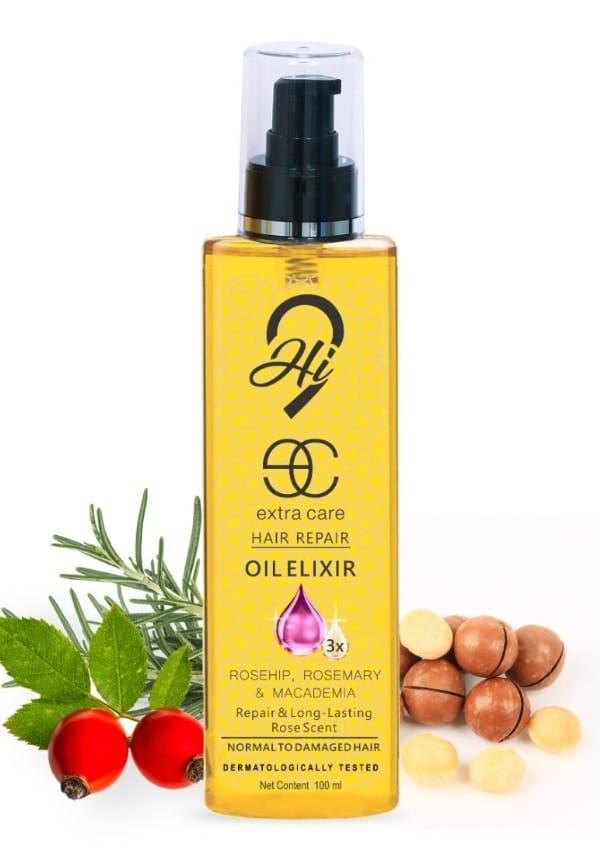
Oil Elixir
A fine mist application is crucial for avoiding sticky hair spray. Heavy, concentrated sprays dump too much product in one spot, leading to buildup and stiffness. The best non sticky hairspray options create an even, light coating that you can barely feel. Brushable hold is another key feature. If you can run your fingers through your hair after styling, you've found a winner. Products that promise "no white residue" or "no flaking" are also good bets—they're specifically formulated to avoid the common problems that make hairspray feel gross.
Fine hair faces unique challenges when it comes to styling products. What works for thick, coarse hair can completely overwhelm delicate strands, leaving them flat and sticky.
Fine hair shows buildup more easily than thicker hair types. Even a small amount of heavy product can weigh down your strands and make them look greasy or sticky. Plus, fine hair often lacks natural volume, so you need products that lift rather than flatten. The wrong hairspray can also make fine hair look stringy or separated. Heavy formulas clump strands together instead of giving you that natural, bouncy look you're after.
Light hold hairspray is usually the sweet spot for fine hair. These formulas provide enough control to keep your style in place without overwhelming your strands. Hairspray for volume is another great option—these products are specifically designed to lift hair at the roots while providing flexible hold throughout. Heat protection is a bonus feature worth looking for, especially if you use styling tools regularly. Many modern formulas combine light hold with thermal protection, giving you multiple benefits in one product.
Even the best non sticky hairspray can feel heavy and gross if you don't apply it correctly. Proper technique makes all the difference between professional-looking results and a sticky mess.
Hold your spray 8-12 inches away from your head—this is crucial for avoiding sticky hair spray. Too close, and you'll get concentrated spots of product that never dry properly. Too far, and you won't get enough coverage. Work in sections for even distribution. Spray each area lightly, then move on. You can always add more, but it's much harder to remove excess product once it's there.
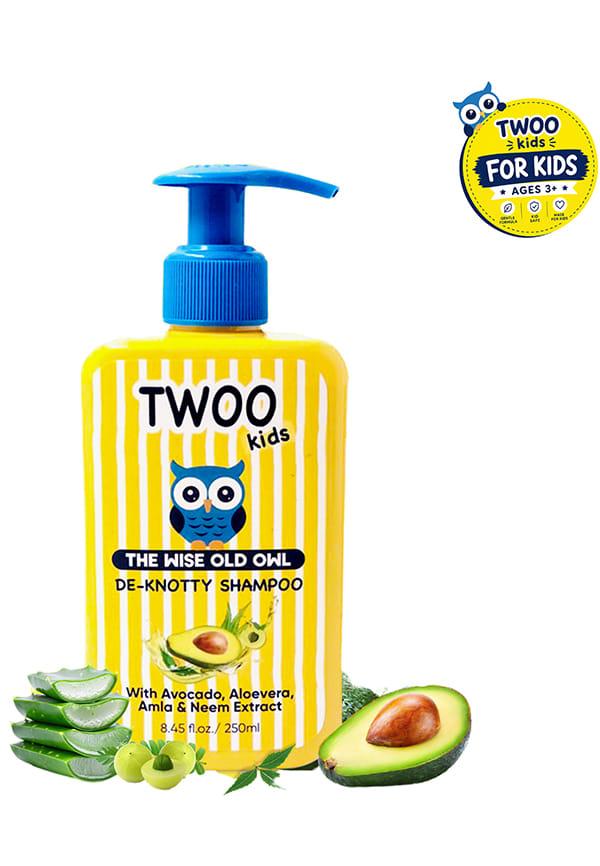
De-Knotty Shampoo
Only spray completely dry hair. Damp hair can't absorb the product properly, leading to uneven coverage and stickiness. If you're using heat tools, let your hair cool completely before applying hairspray—hot hair can cause the product to set unevenly. Layer your application if you need more hold. Two light coats work better than one heavy one and are much less likely to leave you with sticky, crunchy hair.
Even with the best products and techniques, some buildup is inevitable. Knowing how to properly cleanse your hair keeps it healthy and prevents that sticky feeling from becoming permanent.
A clarifying shampoo once a week works wonders for removing product buildup. These shampoos are stronger than regular formulas and can cut through the residue that regular shampoos leave behind. For stubborn buildup, try mixing a tablespoon of baking soda with your regular shampoo. The gentle abrasive action helps break down sticky residue without damaging your hair. Apple cider vinegar rinses are another natural option—they help dissolve buildup while adding shine.
Rotate your products to prevent your hair from getting too used to one formula. This also helps you identify which products work best for your hair type. Take occasional breaks from styling products altogether—your hair will thank you for the rest. Regular scalp massage during shampooing helps ensure you're thoroughly removing all product residue. Don't just focus on the lengths of your hair; buildup at the roots can make your whole head feel sticky and lifeless.
Sometimes the best way to avoid sticky hair spray is to skip traditional hairspray altogether. Modern styling technology offers plenty of alternatives that provide hold without the stickiness.
Natural hairspray alternatives include sea salt sprays for texture and light hold. These work especially well for beachy, tousled styles and rarely leave any sticky residue. Mousse is another great option for volume without stiffness—it provides lift at the roots while keeping your hair soft and touchable. DIY options like sugar water or flax seed gel can work for light hold, though they require more experimentation to get right.
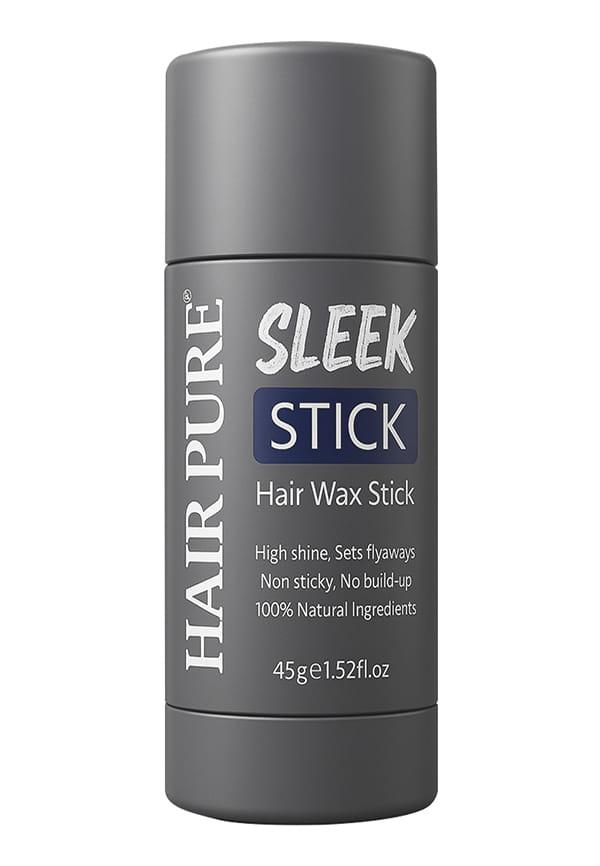
Sleek Stick
Texturising sprays offer a different approach to hair styling. Instead of creating hold through stiffness, they add grip and texture that helps styles last longer naturally. Heat-activated products are another innovation—they only provide hold when you style with heat tools, leaving your hair natural and flexible otherwise. Flexible hold gels and creams work well for shorter styles or when you want definition without the aerosol application. These products give you more control over placement and are easier to distribute evenly. With platforms like Smytten, you can try different hairspray formulas without committing to full-size bottles. This trial approach is perfect for finding your ideal non sticky hairspray—you can test multiple options until you find the one that works perfectly with your hair type and styling routine.
Use less product, maintain proper spraying distance, and choose flexible-hold formulas. Make sure your hair is completely dry before application, and consider switching to a lighter formula designed for your hair type.
Look for light hold hairspray or volumising formulas that specifically mention "weightless" or "touchable" hold. These are designed to provide control without overwhelming delicate strands.
Yes, alcohol-based sprays with fine mist application typically leave minimal residue when used correctly. Look for products that specifically advertise "no buildup" or "residue-free" formulas.
This usually indicates product buildup that regular shampoo can't remove. Try a clarifying shampoo or the baking soda method to deep clean your hair and remove accumulated residue.
This depends on how much product you use, but most people benefit from clarifying once a week. If you use hairspray for humidity or other heavy-duty formulas daily, you might need to clarify more frequently.
Finding the perfect non sticky hairspray doesn't have to be a nightmare. Focus on lightweight, flexible formulas that work with your hair type, not against it. Remember that proper application technique is just as important as choosing the right product—distance, timing, and amount all matter. Don't be afraid to experiment with alternatives like texturising sprays or natural options. Sometimes the best solution isn't traditional hairspray at all. The key is finding what works for your specific hair type, lifestyle, and styling goals. With the right approach, you can have the hold you want without sacrificing the soft, touchable hair you deserve.
