How to Choose a Natural Dandruff Shampoo for Scalp Health

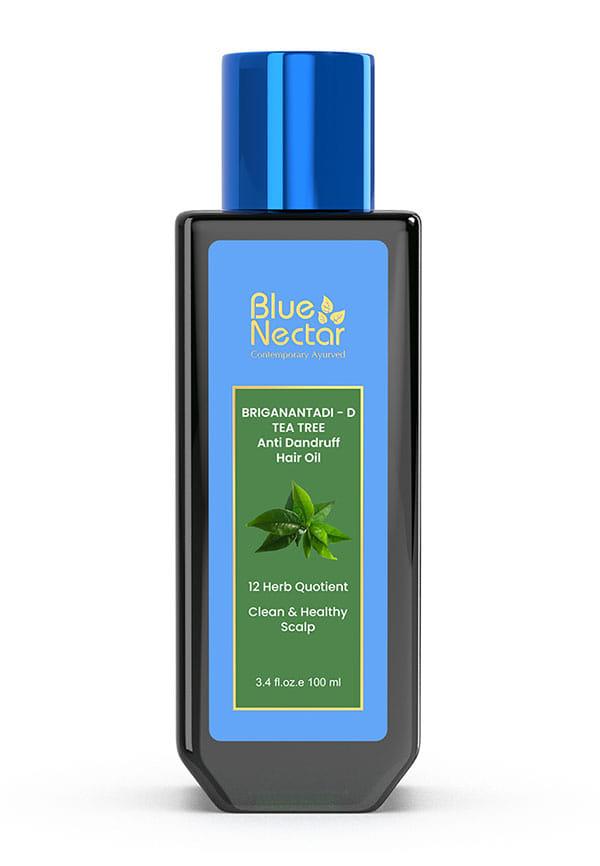
Tea Tree Anti Dandruff and Healthy Scalp Oil 12 Herbs
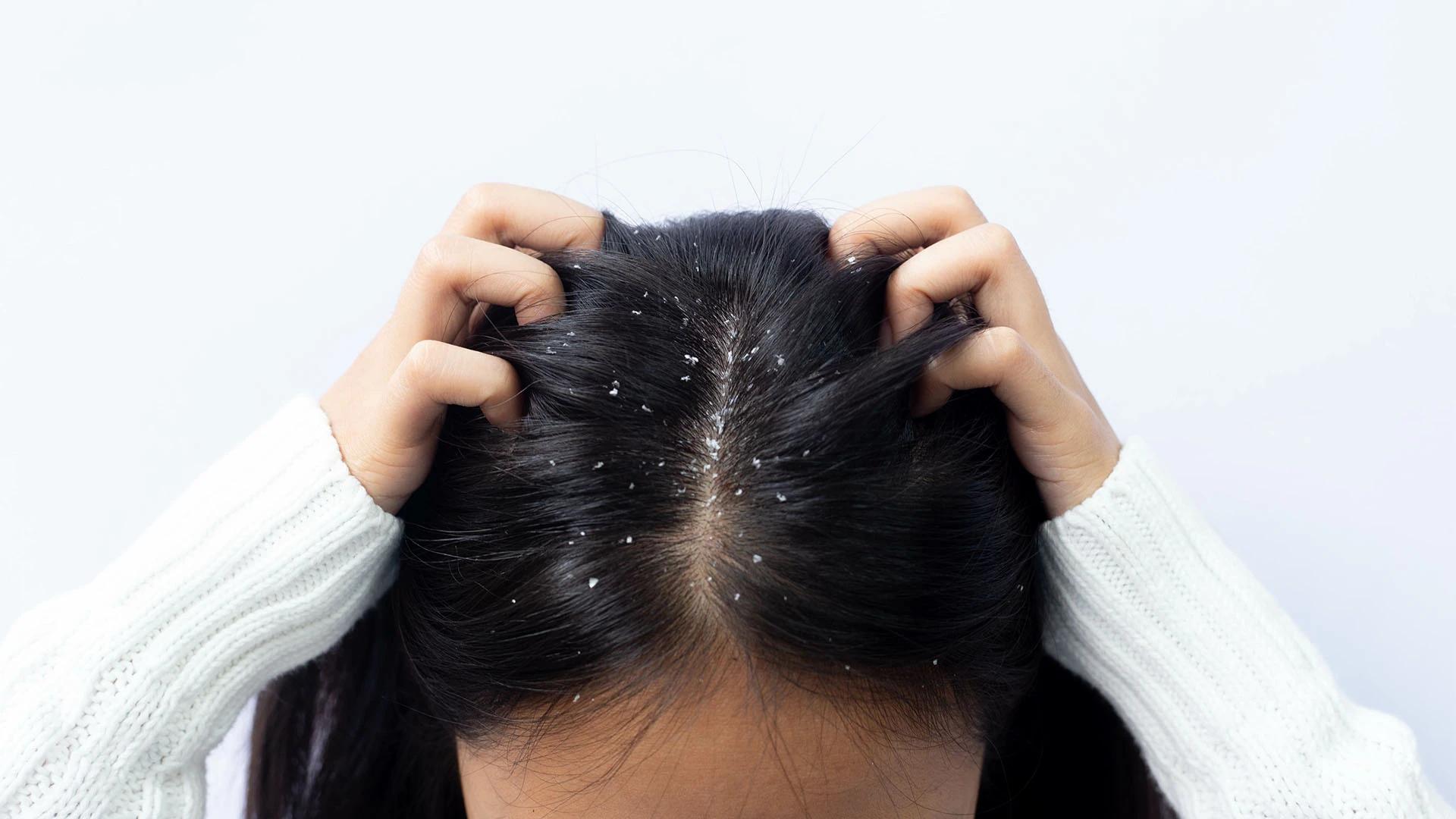
That moment when you're getting ready for an important meeting and notice those telltale white flakes on your shoulders again. You've tried every dandruff shampoo on the shelf, but your scalp still feels irritated and the flakes keep coming back. Sound familiar? You're definitely not alone—nearly half of adults deal with dandruff at some point, and more people are turning to natural solutions that actually work with their scalp, not against it. The thing is, choosing the right natural dandruff shampoo isn't just about grabbing the first bottle that says "organic" on it. Your scalp has its own unique needs, and finding the perfect match means understanding what's actually causing those flakes and which natural ingredients can help sort it out for good.
Before diving into ingredient lists and product reviews, let's get real about what's happening on your scalp. Not all dandruff is created equal, and the best natural shampoo for dandruff depends entirely on what's causing your specific situation. Think of it like skincare—what works for your mate's oily T-zone might be a disaster for your dry, sensitive skin.
First things first: is your scalp actually producing too much oil, or is it crying out for moisture? Oily scalp dandruff tends to create larger, yellowish flakes that stick to your hair, whilst dry scalp flaking shows up as smaller, white flakes that fall easily onto your clothes. A gentle shampoo for itchy scalp becomes crucial if you're dealing with sensitivity alongside the flaking. Try this quick test: wash your hair as usual, then check how your scalp feels after 24 hours. If it's greasy again, you're likely dealing with oily dandruff. If it feels tight or itchy, dryness might be your main concern.
Most dandruff comes down to a fungus called Malassezia that lives naturally on everyone's scalp but sometimes gets a bit too comfortable. When it overgrows, it feeds on your scalp's natural oils and creates irritation that leads to flaking. Seborrheic dermatitis is another common culprit—it's basically your scalp getting inflamed and producing those stubborn flakes. Sometimes the problem isn't biological at all; product buildup from harsh chemicals can create fake dandruff that looks real but is actually just your scalp reacting to ingredients it doesn't like.
Now for the good stuff—the natural ingredients that actually tackle dandruff at its source. Unlike conventional dandruff treatment shampoo that often strips your scalp bare, these plant-based powerhouses work gently but effectively to restore balance and keep flakes at bay.
Tea tree oil is probably the most researched natural anti-fungal ingredient out there. Studies show that a 5% concentration can be as effective as some medicated treatments, but you'll want to start with lower concentrations if you have sensitive skin. Neem extract has been used in traditional medicine for centuries and modern research backs up its anti-fungal and anti-inflammatory properties. Apple cider vinegar might sound like a kitchen hack, but it actually helps balance your scalp's pH levels, creating an environment where the Malassezia fungus can't thrive. Look for shampoos that include natural zinc sources too—they provide similar benefits to zinc pyrithione but without the harsh synthetic feel.
If your scalp feels irritated or itchy, aloe vera is your best friend. It reduces inflammation whilst providing gentle moisture that won't clog your hair follicles. For dry scalp types, coconut oil and argan oil offer deep hydration without the heavy feeling of petroleum-based ingredients. Fenugreek and rosemary extracts boost circulation to your scalp, which helps with overall scalp health and can reduce flaking over time. Chamomile and calendula are perfect for sensitive scalps—they calm irritation whilst gently cleansing away buildup.
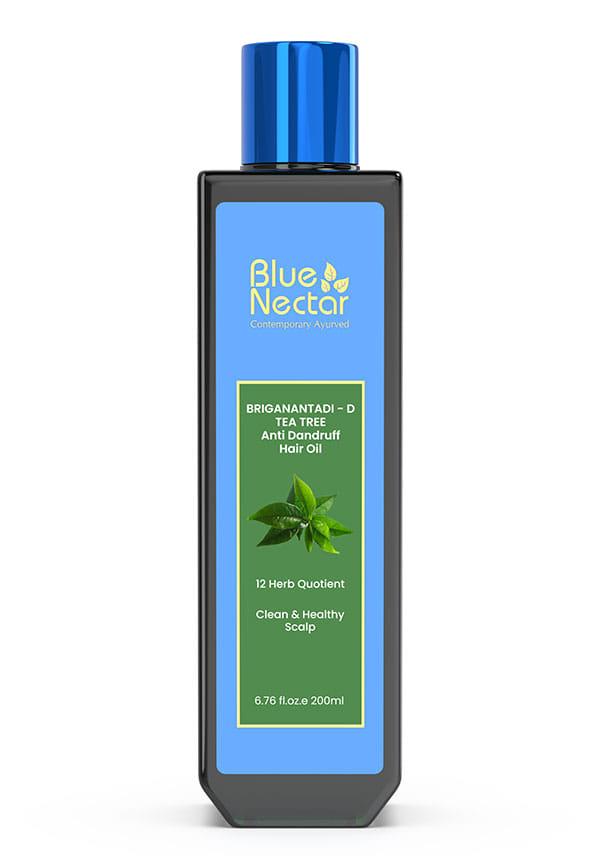
Tea Tree Anti Dandruff and Healthy Scalp Oil 12 Herbs
Just because a shampoo claims to be natural doesn't mean it's free from problematic ingredients. Watch out for sulfates hiding under different names, parabens that can disrupt your scalp's natural balance, and synthetic fragrances that might trigger sensitivity. Some "natural" shampoos still contain alcohol-based preservatives that can dry out your scalp and make dandruff worse.
Here's where it gets personal. The most effective organic dandruff shampoo for you depends on your specific scalp type and concerns. Let's break down the best approaches for different situations so you can narrow down your options.
If your scalp tends to get oily quickly, you'll want a dandruff control shampoo with clarifying botanicals like peppermint, eucalyptus, or rosemary. These ingredients help regulate oil production whilst providing that fresh, clean feeling. You can probably use these formulations more frequently—every other day or even daily if needed. The key is finding something that controls oil without completely stripping your scalp, which would just trigger more oil production. Look for natural astringents like witch hazel or green tea extract that tighten pores and reduce excess sebum.
Dry scalps need a completely different approach. A sulfate-free dandruff shampoo with hydrating ingredients like shea butter, oat extract, or honey will cleanse gently whilst adding moisture back to your scalp. Cream-based formulations tend to be more nourishing than gel-based ones, and you'll probably only need to wash 2-3 times per week. Always patch test new products behind your ear first—sensitive scalps can react to even natural ingredients if they're too potent.
Some lucky people deal with both oily roots and dry ends, or seasonal changes that shift their scalp needs. An organic dandruff shampoo with adaptive ingredients like jojoba oil (which mimics your scalp's natural sebum) or bamboo extract (which provides moisture without weight) can work for multiple conditions. You might also want to rotate between different natural shampoos depending on how your scalp feels that week.
Not all natural shampoos are created equal, and the marketing can be pretty confusing. Here's how to cut through the noise and find a plant-based dandruff shampoo that actually delivers results.
Look for proper certifications like USDA Organic, COSMOS, or Ecocert—these mean the product has been independently verified to meet strict natural standards. Pay attention to where active ingredients appear in the ingredient list; they should be in the first five ingredients if they're present in effective concentrations. Be wary of products that claim to be "natural" but don't specify what that means—"naturally-derived" often means the ingredient started natural but was heavily processed.
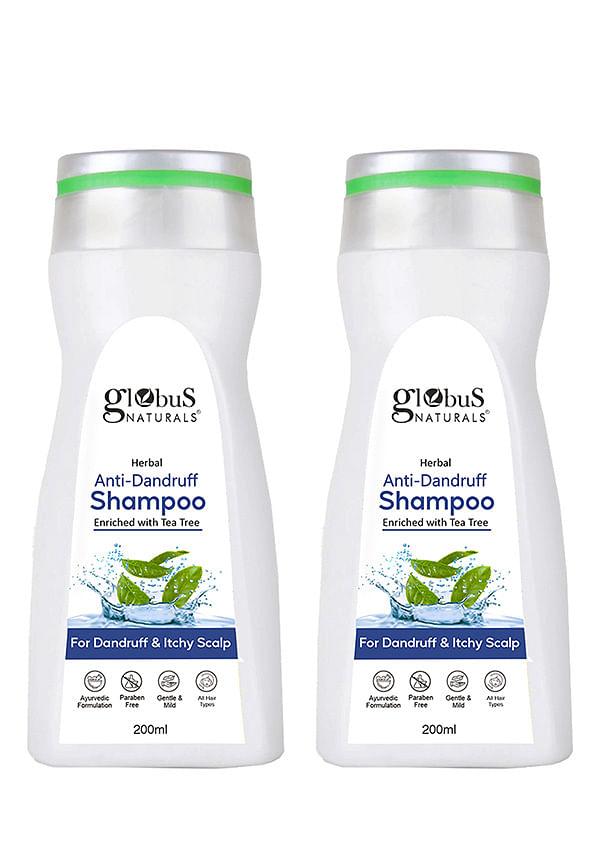
Anti Dandruff Shampoo, For Dandruff and Itchy Scalp
Effective for Itchy Scalp, Small Packing
 5
5“small packing, but a great offer in price product is nice on scalp to reduce itchy issues effectively”
Nice Shampoo
5“dis shampoo is very nice liked it”
Nice Shampoo
5“dis shampoo is very nice liked it”
The best plant-based dandruff shampoo options will have some research backing up their key ingredients. Look for brands that mention clinical studies or dermatologist testing on their packaging or website. User reviews can be helpful too, but focus on reviews from people with similar hair and scalp types to yours. Pay attention to how long people used the product before seeing results—natural ingredients often take longer to work than synthetic ones.
Natural shampoos often cost more upfront, but they're usually more concentrated than conventional options. Calculate the cost per wash rather than just looking at the bottle price. A ₹800 natural shampoo that lasts three months might actually be better value than a ₹300 conventional one that you go through in six weeks. Consider it an investment in your scalp health—the right natural shampoo can reduce your need for additional treatments and styling products.
Even the best natural ingredients won't work properly if you're not using them correctly. Here's how to get the most out of your scalp health shampoo.
Start with a pre-wash scalp massage using a few drops of natural oil like jojoba or sweet almond oil. This helps loosen flakes and prepares your scalp for the active ingredients. When you apply the shampoo, focus on your scalp rather than your hair lengths. Use your fingertips (not nails) to gently massage in circular motions for at least 60 seconds—this gives the natural ingredients time to work and improves circulation.
If you're switching from conventional to natural shampoos, your scalp might need time to adjust. Start by using your natural dandruff shampoo every third wash, gradually increasing frequency as your scalp adapts. Some people find that rotating between two different natural formulations prevents their scalp from getting too used to one set of ingredients.
Your shampoo is just one part of the equation. These additional herbal remedies for dandruff can boost your results and keep your scalp healthy long-term.
Once a week, try a simple apple cider vinegar rinse after shampooing—mix one part vinegar with three parts water and pour it over your scalp, then rinse thoroughly. For dry scalps, a pre-shampoo mask made from mashed avocado and honey can provide deep hydration. Oily scalps benefit from a clay mask with bentonite or rhassoul clay mixed with a few drops of tea tree oil.
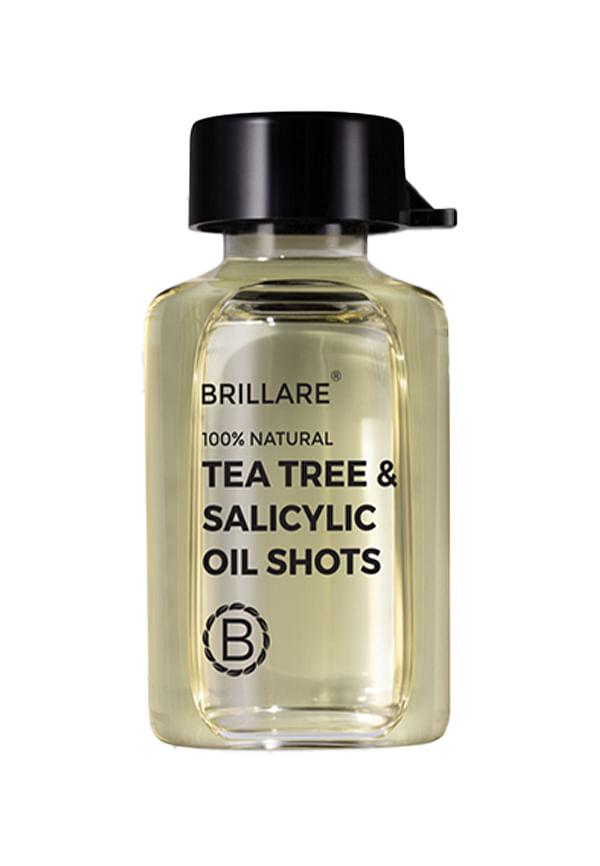
Tea Tree & Salicylic Oil Shots For Dry, Itchy Scalp to Fights Dandruff
Excellent Product Quality
5“nice product awesome quality 👍🏻😁”
Effective Brand
4“love this brand it's effective”
Amazing Product, Will Buy Full Size
5“amazing product going to buy full size”
What you eat affects your scalp health too. Omega-3 fatty acids from fish, walnuts, and flaxseeds help reduce inflammation, whilst zinc from pumpkin seeds and chickpeas supports healthy skin cell turnover. Managing stress through exercise, meditation, or whatever works for you can also reduce dandruff flare-ups, since stress hormones can trigger increased oil production and inflammation.
Start by identifying your scalp type—oily, dry, or combination—and the main cause of your dandruff. Look for natural ingredients that target your specific concerns: tea tree oil for fungal issues, aloe vera for irritation, or coconut oil for dryness. Consider starting with a gentle, sulfate-free formula and gradually introducing more potent natural actives if needed. Patch testing is always wise, especially if you have sensitive skin.
The best natural shampoo depends on your individual scalp needs, but look for formulations containing proven anti-fungal ingredients like tea tree oil, neem extract, or apple cider vinegar. For dry scalps, choose shampoos with moisturising ingredients like aloe vera or argan oil. Oily scalps benefit from clarifying botanicals like peppermint or rosemary. Always check for proper natural certifications and avoid hidden sulfates or synthetic fragrances.
The healthiest approach combines gentle, natural ingredients with proper application techniques and lifestyle factors. Choose sulfate-free formulations with clinically-proven natural actives, use them consistently but not excessively, and support your scalp health with a balanced diet rich in omega-3s and zinc. Avoid over-washing, which can disrupt your scalp's natural balance, and consider rotating between different natural formulations to prevent ingredient adaptation.
Natural ingredients typically take longer to show results than synthetic ones—expect to wait 4-6 weeks of consistent use before seeing significant improvement. Some people notice reduced itching within the first week, but visible reduction in flaking usually takes longer. Be patient and consistent with your routine, as natural ingredients work by gradually restoring your scalp's balance rather than providing quick fixes.
For mild to moderate dandruff, natural shampoos can be very effective and may eliminate the need for medicated treatments. However, severe dandruff, seborrheic dermatitis, or persistent scalp conditions may require medical intervention. If you've tried natural solutions consistently for 6-8 weeks without improvement, or if you experience severe itching, redness, or hair loss, consult a dermatologist for proper diagnosis and treatment.
Choosing the right natural dandruff shampoo is all about understanding your scalp's unique needs and matching them with proven natural ingredients. Whether you're dealing with oily scalp issues that need clarifying botanicals or dry, sensitive skin that requires gentle, moisturising formulations, there's a natural solution that can work for you. Remember that natural ingredients take time to show their full effects, so patience and consistency are key to seeing real results.
The beauty of natural dandruff care is that it works with your scalp's natural processes rather than against them, leading to healthier, more balanced skin over time. Combined with proper application techniques and supportive lifestyle choices, the right natural shampoo can help you achieve the flake-free, comfortable scalp you've been looking for. Not sure which natural ingredients might work best for your specific scalp concerns? Smytten also offers trial-size versions of many natural dandruff shampoos—a smart way to test different formulations before committing to full-size bottles.
