How to Care for Your Monsoon Scalp: Expert Tips

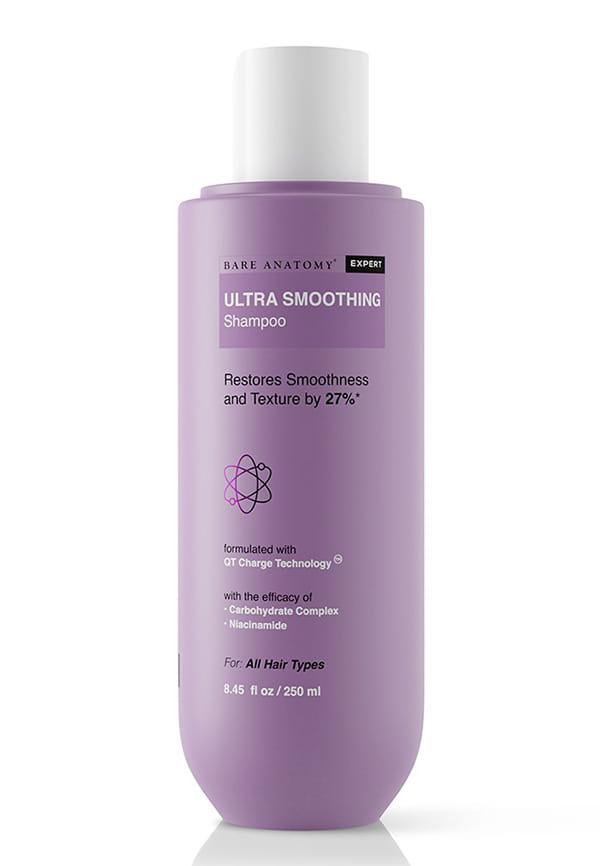
Expert Ultra Smoothing Shampoo To Restore Smoothness, Repair Damaged Hair And Locks In Moisture
Picture this: you step out feeling like your hair game is strong, only to get caught in an unexpected downpour. By the time you reach shelter, your scalp feels like it's hosting its own little ecosystem. Sound familiar? Monsoon season brings its own set of challenges for your scalp—from that persistent itch that makes you want to scratch in public to the sudden appearance of flakes on your favourite black top. The humidity, the dampness, and those surprise rain showers can turn even the healthiest scalp into a breeding ground for problems. But here's the thing—with the right approach, you can actually keep your scalp happy and healthy throughout the rainy season.
Let's be real—monsoon weather does things to your scalp that no other season can match. The combination of high humidity and frequent dampness creates the perfect storm for various scalp issues. When moisture levels in the air spike, your scalp's natural oil production goes into overdrive, leading to that greasy feeling by midday. At the same time, the constant humidity can disrupt your scalp's pH balance, making it more susceptible to fungal and bacterial growth.
The most common monsoon hair problems include persistent dandruff, scalp infections, and that annoying itchy feeling that seems to follow you everywhere. Fungal infections thrive in warm, moist environments—exactly what your scalp becomes during the rainy season. These infections can manifest as red, itchy patches, excessive flaking, or even small bumps that feel tender to touch. Meanwhile, the increased oil production can clog hair follicles, leading to scalp acne and inflammation.
What makes things trickier is that different people experience different types of scalp issues during monsoon. Some deal with an oily scalp monsoon situation where their hair looks greasy within hours of washing, while others might face a dry scalp monsoon scenario where the humidity paradoxically makes their scalp feel tight and flaky. Understanding which category you fall into is crucial for choosing the right care approach.
Creating a solid monsoon scalp care routine doesn't have to be complicated, but it does need to be consistent. The key is adapting your usual haircare habits to work with the season's unique challenges rather than against them. Think of it as switching from your regular skincare routine to one that accounts for different weather conditions—your scalp deserves the same thoughtful approach.
Your daily routine should focus on keeping your scalp clean and dry without over-washing. Washing your hair 2-3 times per week is usually sufficient during monsoon, but this can vary based on your scalp type and lifestyle. If you have an oily scalp, you might need to wash more frequently, while those with drier scalps should stick to the lower end of this range.
When you do get caught in the rain, don't let your hair stay wet for hours. Gently towel-dry your hair and scalp as soon as possible, and if you're at home, use a blow dryer on a cool setting to ensure your scalp is completely dry. Leaving your scalp damp for extended periods is like sending an open invitation to fungi and bacteria.
Once a week, give your scalp some extra attention with a gentle exfoliation. You can use a soft-bristled brush or even your fingertips to massage your scalp in circular motions before shampooing. This helps remove dead skin cells and product buildup that can accumulate more quickly during humid weather.
Oil massages can be beneficial, but choose your timing wisely. A light oil massage 30 minutes before washing can help nourish your scalp without making it overly greasy. Stick to lighter oils like jojoba or grapeseed during monsoon rather than heavier options like coconut oil, which might be too much for the humid weather.
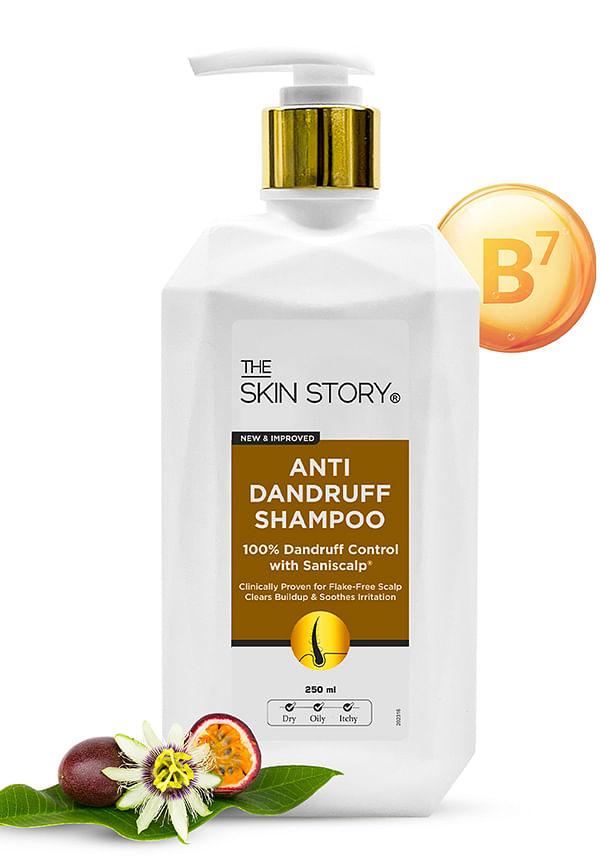
Anti Dandruff Shampoo For Oily Dry Itchy Scalp With Saniscalp
That persistent itch during monsoon season isn't just annoying—it's your scalp's way of telling you something's not quite right. An itchy scalp monsoon experience usually stems from fungal overgrowth, product buildup, or an imbalanced scalp environment. The good news is that there are both natural and medical solutions that can provide relief.
Aloe vera gel can be your scalp's best friend during monsoon. Its antifungal and anti-inflammatory properties help soothe irritation while providing moisture without greasiness. Apply fresh aloe vera gel directly to your scalp, leave it on for 20 minutes, then rinse with lukewarm water. You can do this 2-3 times a week for best results.
Tea tree oil is another powerful ally, but always dilute it before use. Mix 3-4 drops of tea tree oil with a tablespoon of carrier oil like jojoba, and massage it into your scalp. The antifungal properties help combat the microorganisms that thrive in humid conditions, while the massage improves blood circulation.
Sometimes, natural remedies aren't enough, and that's perfectly okay. If your scalp itching persists for more than two weeks, if you notice pus-filled bumps, or if the itching is accompanied by hair loss, it's time to consult a dermatologist. These could be signs of a more serious scalp infection monsoon that requires professional scalp treatment monsoon approaches.
Antifungal shampoos containing ingredients like ketoconazole or selenium sulfide can be incredibly effective for stubborn fungal infections. Your dermatologist might also prescribe topical treatments or, in severe cases, oral medications to get the infection under control.
Choosing the right products for haircare monsoon season can make the difference between a good hair day and a scalp disaster. The key is looking for formulations that address the specific challenges of humid weather while being gentle enough for regular use.
Sulfate-free shampoos are particularly beneficial during monsoon because they clean effectively without stripping your scalp of its natural oils. This is important because over-cleansing can actually trigger your scalp to produce more oil, creating a vicious cycle. Look for shampoos with ingredients like salicylic acid for gentle exfoliation or zinc pyrithione for antifungal properties.
When it comes to conditioners, focus on lightweight, water-based formulas rather than heavy, creamy ones. Apply conditioner only to the mid-lengths and ends of your hair, avoiding the scalp area to prevent additional buildup. Leave-in conditioners can be tricky during monsoon—if you use them, choose alcohol-free formulas and apply sparingly.
Anti-dandruff shampoos become particularly relevant during rainy season, but don't use them daily. Alternate between a gentle, sulfate-free shampoo and an anti-dandruff formula to maintain balance. Ingredients to avoid during monsoon include heavy silicones, which can build up quickly in humid conditions, and overly moisturising ingredients like shea butter in scalp products.
Hair fall monsoon is a real concern for many people, and it's often linked to scalp health issues that arise during the rainy season. When your scalp is dealing with infections, excess oil, or irritation, your hair follicles can become weakened, leading to increased shedding.
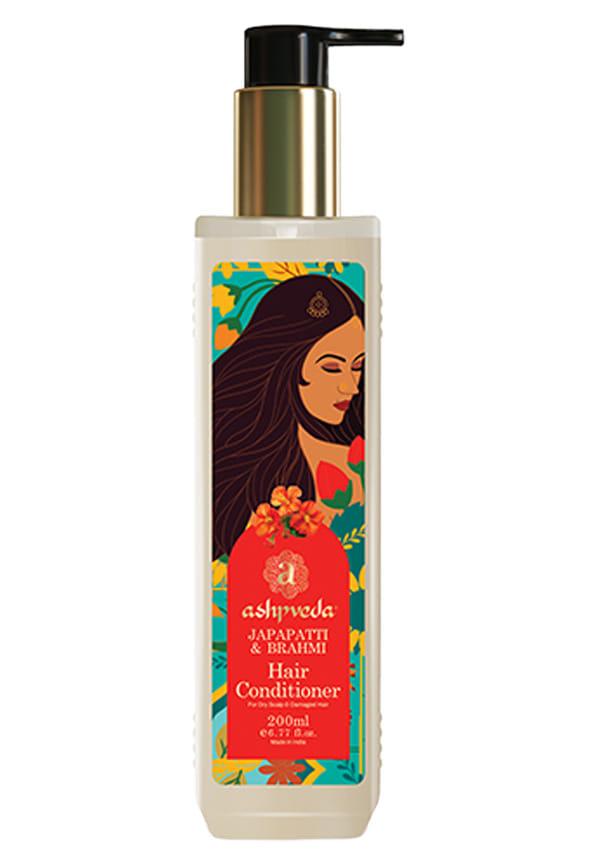
Japapatti & Brahmi Hair Conditioner for Dry Scalp, Damaged and Freezy Hair (200 ml)
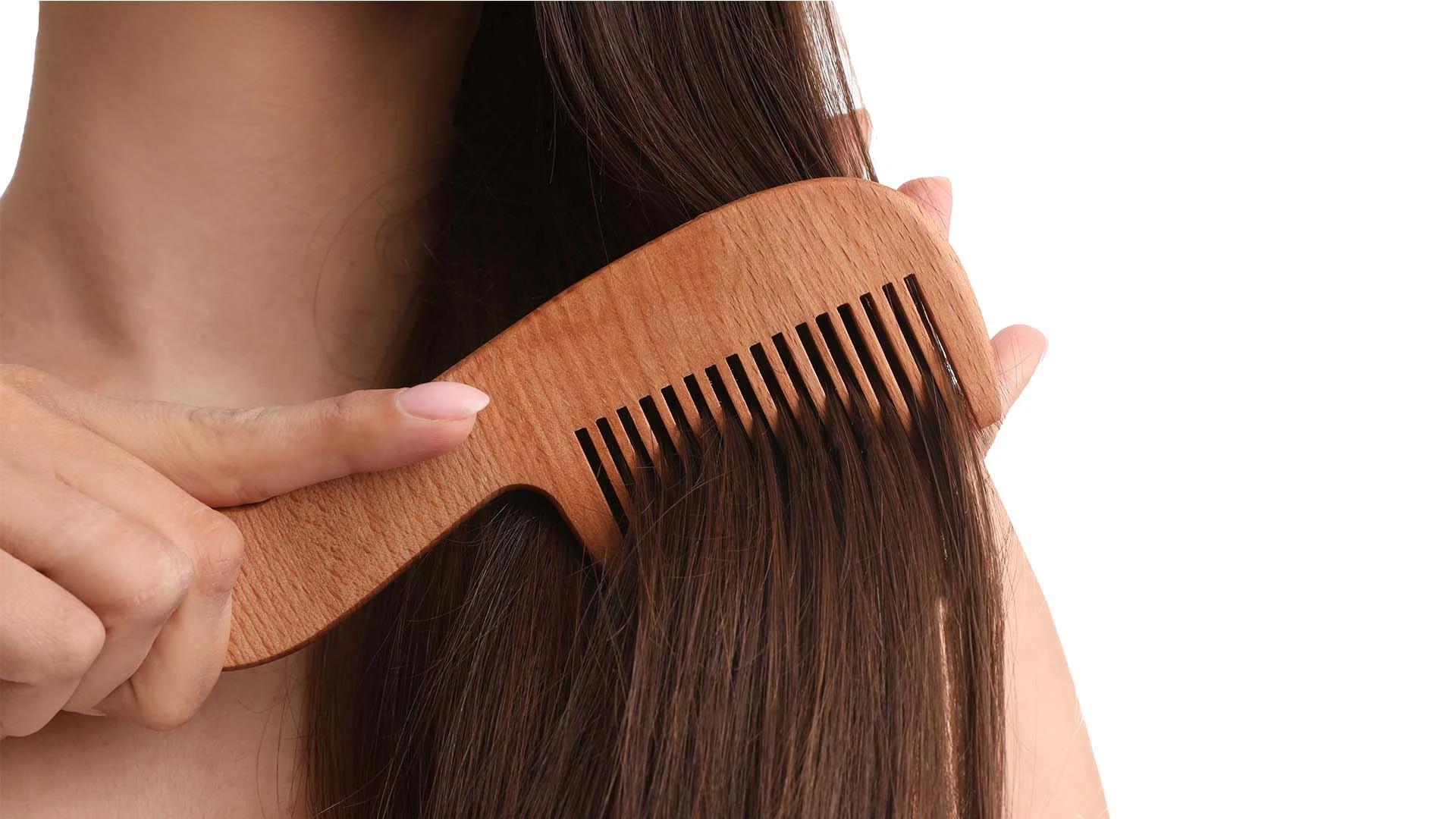
One of the most important things you can do is be extra gentle with wet hair. Hair is at its most vulnerable when wet, and the added stress of humid weather makes it even more prone to breakage. Use a wide-toothed comb to detangle, starting from the ends and working your way up. Never brush or comb wet hair aggressively, and avoid tight hairstyles that put tension on your scalp.
Protective hairstyles become crucial during monsoon, but choose them wisely. Loose braids, low buns, and gentle twists can help protect your hair from humidity while allowing your scalp to breathe. Avoid tight ponytails or styles that pull on your hairline, as these can exacerbate hair fall issues.
Your diet plays a bigger role in scalp health than you might think. During monsoon, focus on foods rich in zinc, iron, and B vitamins, which support healthy hair growth. Stay hydrated, even though the weather might make you feel like you need less water. Proper hydration helps maintain your scalp's natural moisture balance.
Sometimes the best solutions are sitting right in your kitchen. Natural remedies can be incredibly effective for monsoon scalp care, and they're often gentler than commercial products while being budget-friendly too.
Apple cider vinegar rinse is a game-changer for restoring your scalp's pH balance during monsoon. Mix one part apple cider vinegar with three parts water, and use it as a final rinse after shampooing. The acidic nature helps combat fungal growth while removing product buildup. Just make sure to dilute it properly—undiluted vinegar can be too harsh for your scalp.
Fenugreek seeds might not be the first thing you think of for scalp care, but they're incredibly effective for dandruff control. Soak two tablespoons of fenugreek seeds overnight, then grind them into a paste. Apply this to your scalp, leave for 30 minutes, then wash off with a mild shampoo. The antifungal properties help keep monsoon scalp problems at bay.
Creating your own oil blends allows you to target specific scalp concerns. For fungal issues, mix coconut oil with a few drops of neem oil. Neem's antifungal properties are well-documented, while coconut oil provides moisture without being too heavy for monsoon weather.
For those dealing with hair fall, try a blend of sesame oil with curry leaves. Heat a small amount of sesame oil, add fresh curry leaves, and let them splutter. Once cooled, strain the oil and massage it into your scalp. The nutrients in curry leaves can help strengthen hair follicles and reduce monsoon-related hair fall.
Most people should wash their hair 2-3 times per week during monsoon. If you have an oily scalp, you might need to wash every other day, while those with dry scalps should stick to twice a week. The key is finding the balance that keeps your scalp clean without over-drying it.
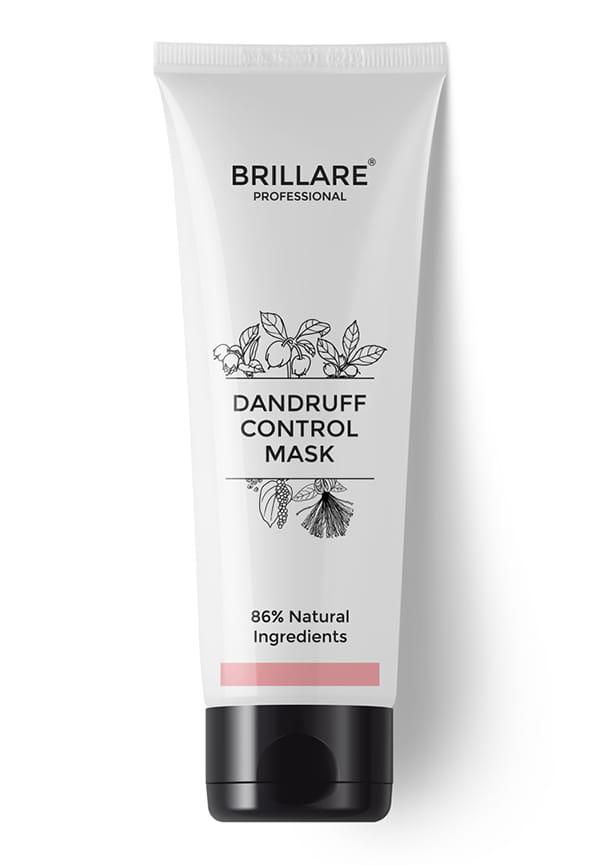
Conditioner For Itchy, Flaky Scalp
As soon as possible, gently towel-dry your hair and scalp. If you're at home, use a blow dryer on a cool setting to ensure your scalp is completely dry. Don't tie up wet hair or leave it damp for hours, as this creates the perfect environment for fungal growth.
Avoid heavy silicones, excessive moisturising agents like shea butter in scalp products, and alcohol-based products that can over-dry your scalp. Also, be cautious with protein-heavy treatments during humid weather, as they can make hair feel stiff and brittle.
Consult a dermatologist if your scalp issues persist for more than two weeks, if you notice pus-filled bumps, severe hair loss, or if over-the-counter treatments aren't providing relief. Professional treatment might be necessary for serious scalp infections.
Absolutely. A diet rich in zinc, iron, B vitamins, and omega-3 fatty acids supports healthy scalp function. During monsoon, also focus on foods with antifungal properties like garlic, ginger, and turmeric. Stay hydrated to maintain your scalp's natural moisture balance.
Use a clarifying shampoo once a week to remove buildup, avoid over-washing which can trigger more oil production, and choose lightweight, water-based products. Dry shampoo can be helpful between washes, but use it sparingly to avoid buildup.
Caring for your scalp during monsoon doesn't have to be a constant battle against humidity and dampness. With the right approach—combining proper cleansing routines, targeted treatments, and protective strategies—you can maintain a healthy scalp throughout the rainy season. Remember that consistency is key, and what works for your friend might not work for you, so don't be afraid to experiment with different approaches until you find your perfect routine.
The most important thing is to listen to your scalp and respond to its changing needs as the weather shifts. Whether you're dealing with excess oil, persistent itching, or unexpected hair fall, there are solutions available. From simple kitchen remedies to professional treatments, you have options that can help you maintain healthy, comfortable scalp conditions regardless of what the monsoon throws your way.
If you're looking to experiment with different scalp care products without committing to full-size bottles, Smytten offers trial-size versions of many haircare products from trusted brands. It's a smart way to test what works for your specific scalp needs during monsoon season before investing in larger quantities—because finding your perfect scalp care routine shouldn't have to break the bank.
