How to Care for Wet Hair: Simple Tips for Damage-Free Drying

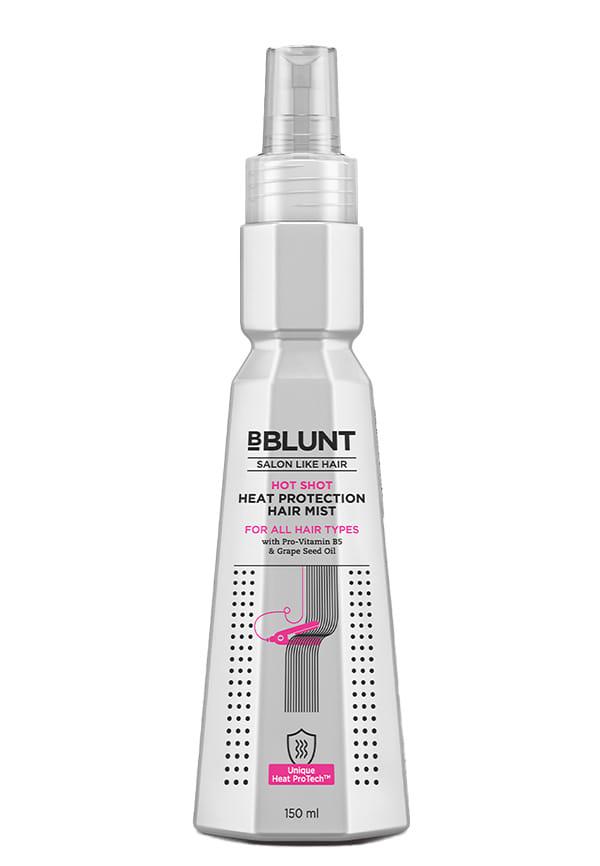
Hot Shot Heat Protection Mist with Grapeseed Oil & Provitamin B5
Picture this: you've just stepped out of the shower, hair dripping wet, and you're already running late. So you grab the nearest towel and give your hair a vigorous rub-down, maybe follow up with some aggressive brushing to get those tangles out. Sound familiar? Here's the thing though – your hair is actually at its most vulnerable when it's wet, and those seemingly innocent post-shower habits might be causing more damage than you realise. Wet hair requires a completely different approach compared to dry hair, and getting it right can be the difference between healthy, bouncy locks and brittle, damaged strands. Let's dive into how to care for wet hair properly, because your hair deserves better than a rough towel treatment.
When your hair gets wet, it doesn't just look different – it actually becomes structurally weaker. The science behind this is pretty fascinating. Water causes the hair cuticle (the outer protective layer) to swell and lift slightly, making the hair shaft more porous and fragile. At the same time, the hydrogen bonds that give your hair its strength temporarily break down, increasing elasticity by up to 30%. This means wet hair can stretch much further than dry hair before snapping, but it's also far more likely to suffer permanent damage if handled roughly.
Think of wet hair like a delicate fabric that's been soaked in water. The protein bonds that normally keep your hair strong and resilient become temporarily weakened, making each strand more susceptible to breakage, stretching, and cuticle damage. This is why you might notice that wet hair feels different to touch – it's literally in a more fragile state.
If you've been rough with your wet hair, you might already be seeing the consequences. Split ends that seem to appear overnight, increased frizz even after using smoothing products, hair that feels rougher or more tangled than usual, and breakage around your hairline are all telltale signs. The frustrating part is that wet hair damage often shows up gradually, so by the time you notice it, the harm's already been done.
Your haircare after shower routine sets the tone for how your hair will look and feel for the rest of the day. The first few minutes after washing are crucial, and small changes in your approach can make a massive difference to your hair's health over time.
Before you even think about reaching for a towel, give your hair a final rinse with cool water. This helps close the cuticles slightly and can add some immediate shine. When you're ready to step out, resist the urge to flip your hair around or shake it out vigorously – wet hair is heavy, and sudden movements can cause unnecessary stress on your roots.
Here's where most people go wrong with their wet hair care tips. That fluffy cotton towel might feel luxurious, but it's actually quite harsh on wet hair. The rough texture can catch on lifted cuticles and cause frizz and breakage. Instead, try a microfibre towel or even a cotton t-shirt – both are much gentler on delicate wet strands. The technique matters just as much as the tool. Rather than rubbing your hair dry, gently blot and squeeze sections to remove excess water. Start at the roots and work your way down, pressing the fabric against your hair rather than dragging it through. If you're dealing with longer hair, you can loosely wrap it in your microfibre towel for a few minutes to let it absorb moisture naturally.
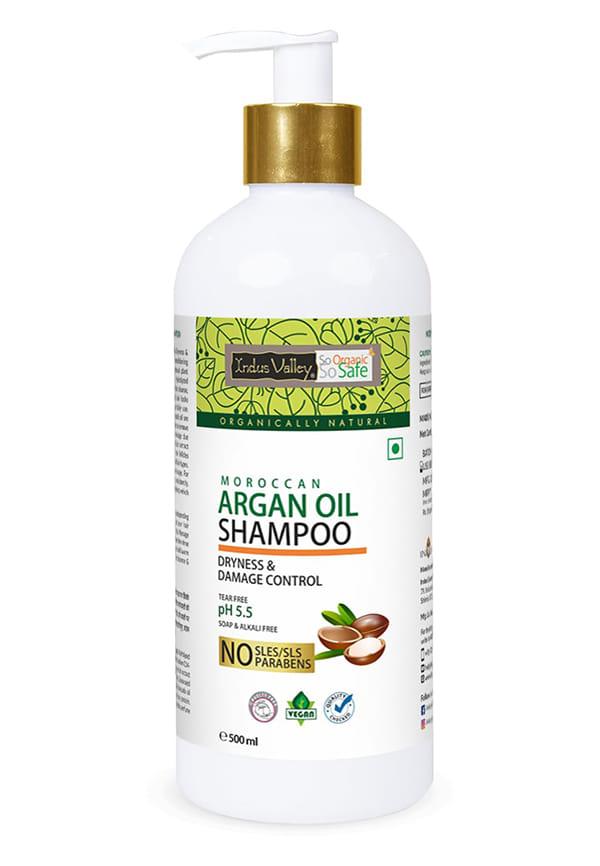
Argan Oil Shampoo for Dryness & Damage Control
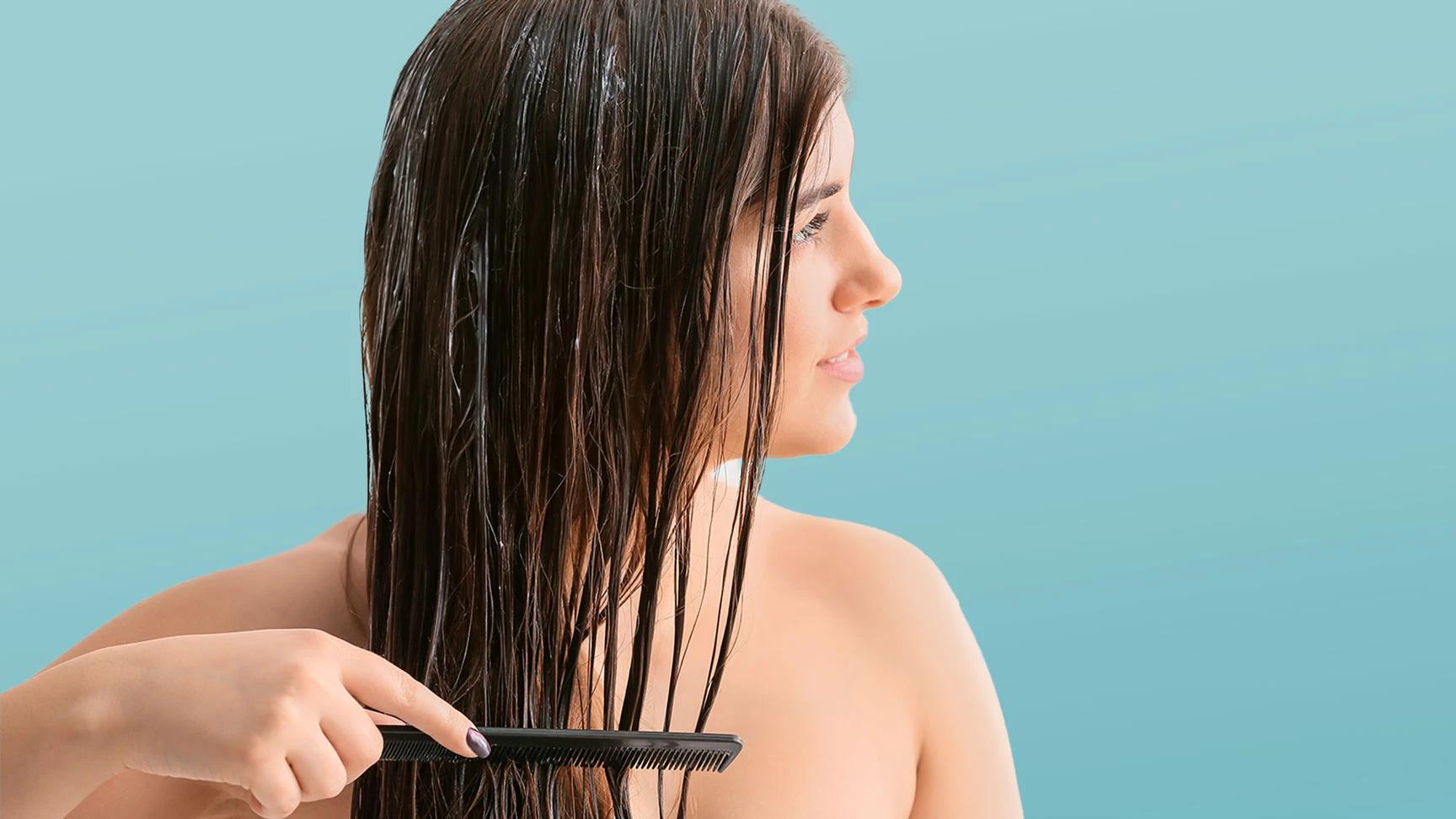
Hair detangling when wet requires patience and the right approach. Many people make the mistake of attacking knots with a regular brush, but this can lead to significant breakage and damage. Wet hair stretches more easily, which means it can snap back with less force than you might expect.
A wide-tooth comb is your best friend for wet hair detangling. The wide spacing between teeth means less pulling and tugging on individual strands. Alternatively, a brush specifically designed for wet hair (often called a 'wet brush') can work well – these typically have flexible bristles that bend rather than break hair when they encounter resistance. For those with particularly tangled or curly hair, finger detangling can be the gentlest option. It takes longer, but you have complete control over the pressure and can feel exactly where the tangles are.
Always start from the ends and work your way up – this prevents pushing tangles further down the hair shaft and creating bigger knots. Divide your hair into manageable sections, especially if you have thick or long hair. Take your time with each section, gently working through any knots you encounter. If you hit a particularly stubborn tangle, apply a bit of leave-in conditioner or detangling spray to help lubricate the strands.
Drying wet hair properly is perhaps the most important step in preventing damage. You've got several options, and the best way to dry hair depends on your hair type, lifestyle, and the look you're going for.
Air drying is generally the gentlest option for your hair, but it's not just about leaving your hair to dry naturally. The environment matters – high humidity can prolong drying time and potentially lead to frizz, while very dry air might leave your hair feeling brittle. For the best air drying results, gently squeeze out excess water, apply your leave-in products, and then either let your hair hang loose or try protective styling. For curly hair, 'plopping' with a microfibre towel or t-shirt can help maintain curl pattern while removing moisture.
If you need to use heat for drying wet hair, preparation is key. Always apply a heat protectant product first – this creates a barrier between your hair and the hot air. Use the lowest temperature setting that still gets the job done, and keep the dryer moving constantly to avoid concentrating heat on one area. Maintain at least 6 inches distance between the dryer and your hair, and consider using a diffuser attachment if you have curly or wavy hair. The diffuser spreads the airflow more evenly and reduces the risk of disturbing your natural texture.
Sometimes the most practical approach combines both air and heat drying. You might let your hair air dry about 70-80% of the way, then use a blow dryer on a low setting to finish the job. This reduces overall heat exposure while still giving you more control over your final style.
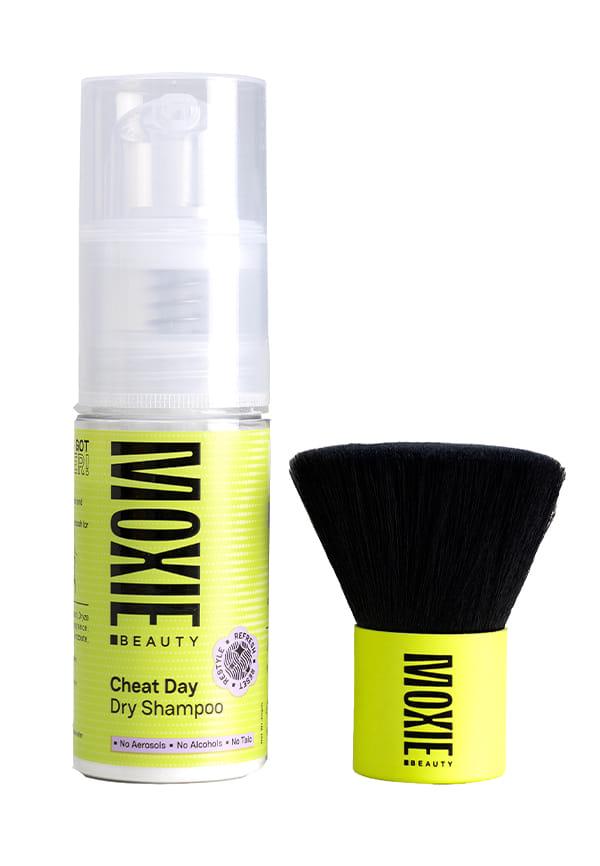
Cheat Day Dry Shampoo & Brush Duo
The right hair products for wet hair can make the difference between a good hair day and a great one. Wet hair is more receptive to treatments and styling products, so this is your opportunity to give your strands exactly what they need.
Leave-in conditioners are brilliant for wet hair because they provide ongoing moisture and protection as your hair dries. Look for lightweight formulas that won't weigh your hair down. Heat protectants are non-negotiable if you plan to use any heat styling tools – they form a protective barrier that helps prevent protein damage and moisture loss. Protein treatments can be particularly beneficial for damaged or chemically treated hair, but use them sparingly as too much protein can make hair brittle.
Many styling products work best when applied to damp hair. Curl creams and defining gels help enhance natural texture, while volumising mousses can give fine hair more body and lift. Anti-frizz serums and lightweight oils can smooth the cuticle and add shine, but remember that a little goes a long way with wet hair.
Developing a consistent wet hair routine helps ensure you're always treating your hair with the care it deserves. Your routine might vary slightly depending on whether you're washing in the morning or evening, but the core principles of gentle handling and proper product application should remain constant.
A solid routine for how to protect wet hair starts with gentle water removal, followed by detangling, product application, and finally drying. The order matters – applying products to soaking wet hair can dilute their effectiveness, while waiting too long might mean missing the window when your hair is most receptive to treatment. For morning washes, you might focus on products that speed drying time and provide all-day hold. Evening routines can include more intensive treatments since you have more time for your hair to absorb the benefits.
Fine hair needs lightweight products that won't cause buildup or weighing down. Thick, coarse hair can handle richer formulations and might benefit from extra moisture. Curly hair often requires specific techniques like scrunching or plopping to maintain curl pattern, while straight hair might need volumising products applied at the roots.
Real life doesn't always allow for lengthy hair routines, so having strategies for managing wet hair quickly and effectively is essential. Whether you're rushing to work or trying to get the kids ready for school, there are ways to care for your wet hair without compromising on health.
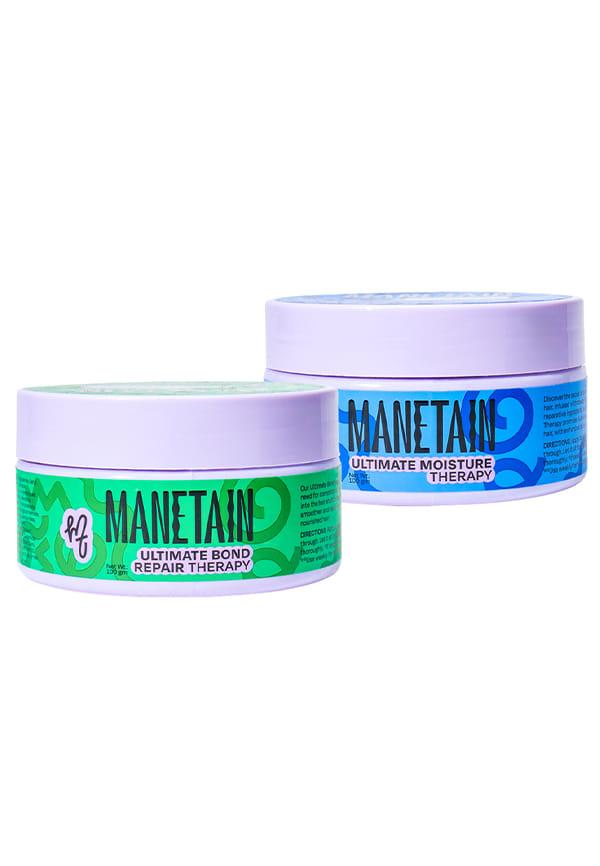
Ultimate Bond Repair & Moisture Therapy For Hair
When time is tight, focus on the essentials: gentle water removal, a quick detangle, and a multi-purpose product that can protect, condition, and style in one step. Protective styles like loose braids or buns can keep wet hair contained while it dries naturally throughout the day.
Sometimes you need to sleep with damp hair, and while it's not ideal, you can minimise damage. Loosely braid damp hair or twist it into a very loose bun secured with a silk scrunchie. A silk or satin pillowcase reduces friction and helps prevent frizz and tangles.
The key to caring for wet hair is gentle handling at every step. Use a microfibre towel or t-shirt to blot away excess water, detangle carefully with a wide-tooth comb starting from the ends, apply appropriate products for your hair type, and dry using the gentlest method possible. Always remember that wet hair is fragile and requires patience.
Air drying is generally the safest option, but if you need to use heat, always apply a heat protectant first and use the lowest effective temperature. Keep the dryer moving and maintain distance from your hair. Consider partial air drying followed by gentle heat styling for the best of both worlds.
Regular brushes can be too harsh for wet hair. Instead, use a wide-tooth comb or a brush specifically designed for wet hair. Always start detangling from the ends and work your way up to the roots to prevent pushing tangles further down the hair shaft.
This depends on your hair type and lifestyle. Oily hair might need daily washing, while dry or curly hair often benefits from less frequent washing – perhaps 2-3 times per week. Pay attention to how your hair feels and looks to find the right frequency for you.
Avoid heavy oils or thick creams that might weigh down wet hair or prevent proper drying. Also, be cautious with products containing high amounts of alcohol, as these can be drying. Always read product instructions – some are specifically formulated for wet application while others work better on damp or dry hair.
Caring for wet hair properly isn't complicated, but it does require a shift in mindset. Remember that wet hair is vulnerable hair, and treating it with gentleness and respect will pay off in healthier, stronger strands over time. The key principles are simple: gentle water removal, careful detangling, appropriate product application, and mindful drying techniques. Consistency is more important than perfection. Even small changes to your routine – like switching to a microfibre towel or being more patient with detangling – can make a noticeable difference in your hair's health and appearance. Your hair will thank you for the extra care, and you'll likely find that good wet hair habits become second nature with practice. Not sure which products work best for your specific hair type and concerns? Smytten offers trial-size versions of many haircare products from trusted brands – a smart way to test different formulations before committing to full-size bottles.
