How to Care for Rainy Hair: Beat Humidity & Frizz

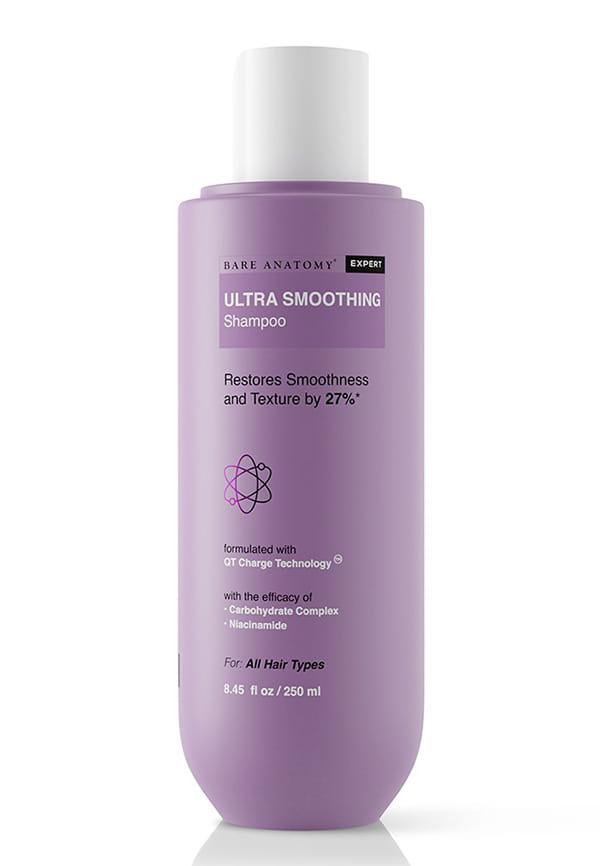
Expert Ultra Smoothing Shampoo To Restore Smoothness, Repair Damaged Hair And Locks In Moisture
Picture this: you wake up, spend ages perfecting your hair, step outside feeling confident, and then the first drops of rain hit. Within minutes, your sleek blowout has transformed into a frizzy mess that looks like you stuck your finger in an electrical socket. Sound familiar? If you've ever wondered how to care rainy hair without losing your sanity, you're definitely not alone. The monsoon season brings its own set of hair challenges, but with the right approach, you can actually work with the humidity instead of fighting it every single day.
Let's get real about what's actually happening to your hair when the weather gets moody. Understanding the science behind frizzy hair in humidity can help you tackle the problem more effectively. When moisture levels in the air spike, your hair basically becomes a sponge, absorbing water through tiny gaps in the hair cuticle. This causes the hair shaft to swell unevenly, creating that dreaded frizz and making your carefully styled hair look like it has a mind of its own.
Your hair's porosity plays a huge role in how it reacts to humid conditions. High-porosity hair has more gaps in the cuticle, making it super absorbent but also prone to losing moisture quickly. Low-porosity hair might seem more resistant at first, but once humidity penetrates, it can be just as problematic. Damaged hair from heat styling, chemical treatments, or environmental stress is particularly vulnerable because the cuticle layer is already compromised.
Beyond the obvious frizz factor, rainy day hair brings a whole host of issues. You might notice your roots getting greasy faster while your ends remain dry and brittle. Hair fall often increases during monsoons due to the constant wetting and drying cycle, plus scalp infections become more common in the warm, humid environment. Dandruff can also flare up because the scalp produces more oil to compensate for the moisture imbalance.
Building a solid haircare in humidity routine doesn't have to be complicated, but it does need to be consistent. The key is creating a barrier between your hair and the moisture-heavy air whilst keeping your strands healthy and manageable. Think of it as weatherproofing your hair the same way you'd waterproof your favourite jacket.
Start your routine before you even touch the shampoo. A weekly deep conditioning mask or overnight oil treatment can work wonders for creating that protective barrier. Coconut oil, argan oil, or even a simple DIY mask with yoghurt and honey can help seal the cuticles. Always detangle gently with a wide-toothed comb when hair is slightly damp and coated with a leave-in conditioner to prevent breakage.
When it comes to frizzy hair solutions, your washing technique matters just as much as the products you use. Look for sulphate-free shampoos that won't strip your hair of its natural oils. Focus the shampoo on your scalp rather than the lengths, and always follow with a moisturising conditioner applied from mid-length to ends. During monsoon season, you might need to wash less frequently to avoid over-drying your hair.
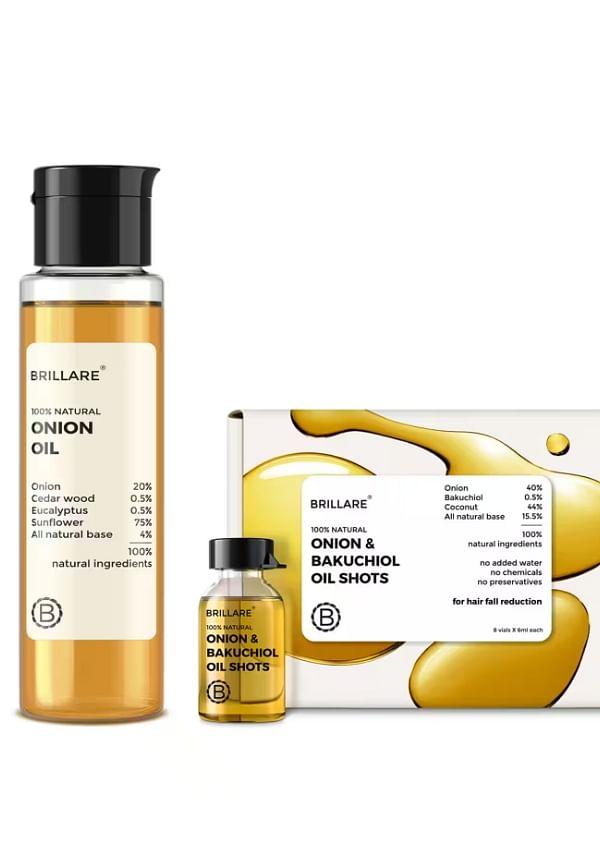
Hair & Scalp Treatment Duo for Dry, Frizzy & Hair Fall-Prone Hair
This is where the magic happens for humidity hair tips. Ditch the regular towel and use a microfibre cloth or cotton t-shirt to gently squeeze out excess water. Apply a leave-in conditioner while your hair is still damp, followed by a heat protectant if you plan to use any styling tools. The order matters here – moisture first, then protection.
Finding the right hair products for rain protection can feel overwhelming with so many options available. The trick is understanding what each type of product does and how to layer them effectively. You don't need a bathroom cabinet full of products – just the right ones that work well together.
Humidity-blocking serums are your best friend during rainy season. Look for products containing silicones like dimethicone or cyclopentasiloxane, which create a protective film around each hair strand. Lightweight leave-in conditioners with ingredients like glycerin can help maintain moisture balance without weighing your hair down. Weather-resistant hairsprays and gels with film-forming polymers can lock your style in place even when the humidity levels soar.
If you prefer keeping things natural, there are plenty of kitchen ingredients that work brilliantly for frizz control. Aloe vera gel mixed with a few drops of essential oil makes an excellent natural styling gel. Apple cider vinegar rinses can help seal the cuticles and add shine, while green tea rinses provide antioxidants that protect against environmental damage.
The way you apply products can make or break your anti-frizz hair routine. Work products through damp hair in sections, starting from the ends and working your way up. Use the praying hands method – smooth products down the hair shaft rather than scrunching, which can disrupt the cuticle pattern. Less is often more, so start with small amounts and build up if needed.
Sometimes the best approach to styling rainy hair is working with what you've got rather than fighting against it. Protective styles aren't just practical – they can look absolutely gorgeous when done right. The goal is to keep your hair contained and protected whilst still looking put-together.
Slicked-back ponytails are having a major moment, and they're perfect for humid weather. Use a strong-hold gel or pomade to smooth everything back, and finish with a weather-resistant hairspray. French braids and Dutch braids keep hair secure and look chic whether you're heading to work or weekend brunch. Half-up styles give you the best of both worlds – protection for the top section whilst letting the rest of your hair move naturally.
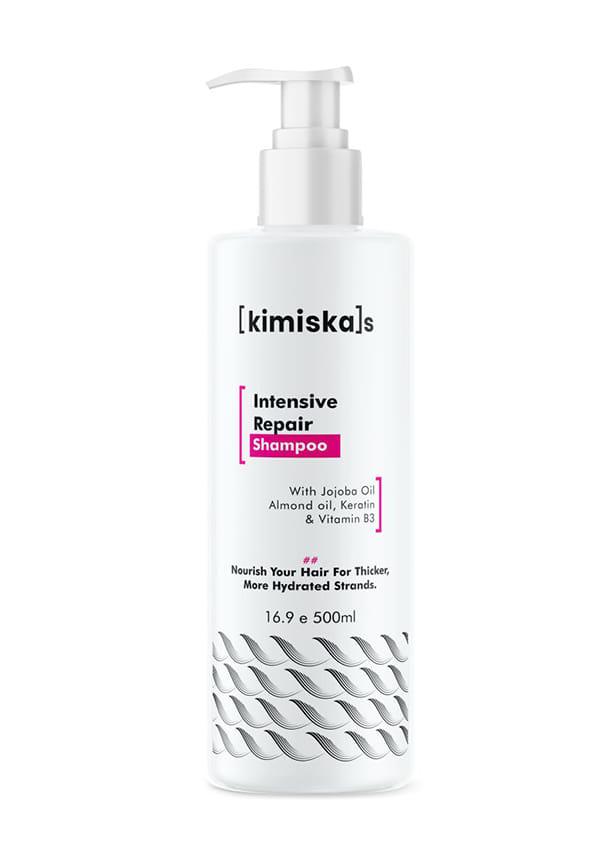
Intensive Hair Repair Shampoo for Dry and Frizzy Hair
Why fight the humidity when you can make it work for you? The intentional wet look is incredibly trendy and perfect for rainy days. Use a strong-hold gel or mousse to create that sleek, just-stepped-out-of-the-shower vibe. This style works particularly well with shorter hair or when you want something that'll last all day regardless of the weather.
Keep a small bottle of diluted leave-in conditioner in your bag for emergency touch-ups. A few spritzes can tame flyaways and refresh your style without starting from scratch. Silk or satin scrunchies are gentler on your hair than regular elastic bands and can help maintain your style longer.
We've all been there – caught in an unexpected downpour with nowhere to hide. The key to managing wet hair after rain exposure is acting quickly but gently. Your hair is most vulnerable when it's completely saturated, so every move you make needs to be careful and deliberate.
First things first – don't panic and start roughly towel-drying your hair. Instead, gently squeeze out excess water with your hands or a microfibre cloth. If you have long hair, twist it gently and squeeze rather than wringing it out like a dishcloth. Avoid brushing or combing wet hair unless you absolutely have to, and if you must, use a wide-toothed comb starting from the ends.
Once you're somewhere safe and dry, assess the damage. If your hair feels particularly tangled or rough, apply a leave-in conditioner or hair oil before attempting to detangle. Sometimes it's better to let your hair air-dry completely before trying to style it again. A weekly protein treatment can help strengthen hair that's been repeatedly exposed to rain and humidity.
Hair fall during rainy season is incredibly common, but it's not something you just have to accept. Understanding why wet hair is more vulnerable can help you take better care of it. When hair is wet, it stretches more easily and the bonds that hold the hair structure together become temporarily weaker.
The constant cycle of wetting and drying can weaken hair over time, leading to increased breakage. Environmental pollutants that get trapped in rainwater can also irritate the scalp and hair follicles. If you're noticing more hair in your brush or shower drain during monsoon season, it might be temporary shedding rather than permanent hair loss.
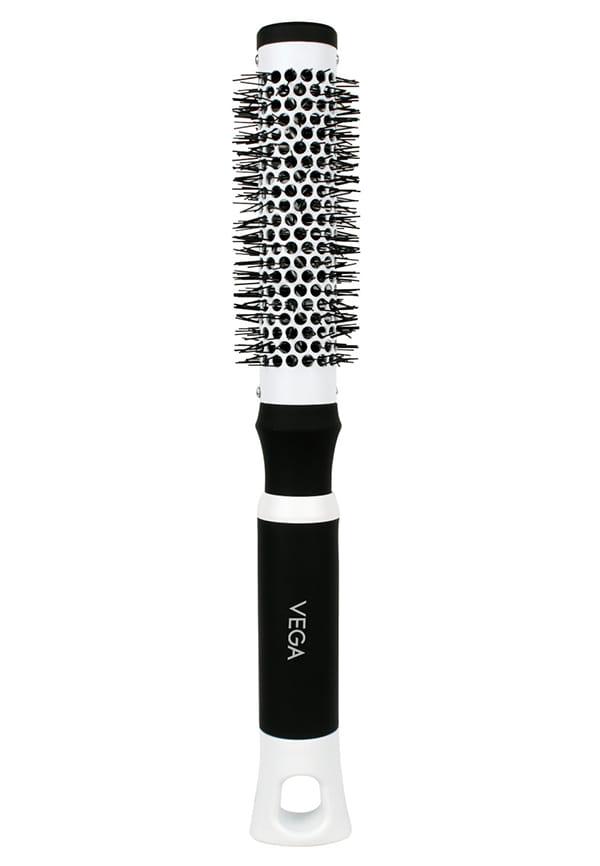
Hot Curl Hair Brushfor Hair Styling, Drying, Healthy Hair and Add Volume, Small (H1-PR S)
Your scalp needs extra attention during humid months. The warm, moist environment can promote bacterial and fungal growth, leading to conditions like seborrheic dermatitis or folliculitis. Keep your scalp clean but don't overwash, and make sure to dry your hair thoroughly after washing. A clarifying shampoo once a week can help remove product buildup and excess oil.
What you eat affects how your hair handles environmental stress. Protein-rich foods, omega-3 fatty acids, and vitamins like biotin and vitamin D all contribute to stronger, more resilient hair. Stay hydrated – your hair needs moisture from the inside out, especially when you're dealing with humidity-related challenges.
Use protective styles like braids or buns, apply anti-humidity products before heading out, and keep hair covered when possible. Focus on overnight treatments and gentle drying techniques when you do get caught in the rain. The key is preparation and having the right products on hand for quick fixes.
Opt for slicked-back ponytails, braids, or buns using weather-resistant products. Embrace textured styles that work with humidity rather than against it. The wet look is also a great option that actually benefits from a bit of moisture in the air.
Create a consistent routine with anti-frizz products, regular deep conditioning treatments, and protective overnight masks using natural ingredients like coconut oil or aloe vera. Focus on gentle handling and proper drying techniques to minimise damage.
Maintain proper scalp hygiene, avoid overwashing, use gentle detangling methods, and ensure your diet includes adequate protein and vitamins. Keep your scalp dry and clean to prevent infections that can contribute to hair loss.
Yes, increased humidity, frequent wetting and drying cycles, and scalp infections common during monsoons can lead to temporary hair loss. However, proper care and the right products can significantly minimise this effect and help your hair stay healthy throughout the rainy season.
Managing rainy day hair doesn't have to be a daily battle if you've got the right strategy in place. The secret is understanding your hair's needs and working with the humidity rather than constantly fighting against it. From protective styling to the right product combinations, there are plenty of ways to keep your hair looking great even when the weather isn't cooperating. Remember that consistency is key – a good routine will serve you much better than sporadic intensive treatments. Not sure which products might work best for your specific hair type and concerns? Smytten offers trial-size versions of many anti-frizz and humidity-protection products from trusted brands, letting you test different formulations before committing to full-size bottles.
