How to Care for Monsoon Hair: Beat Frizz & Hair Fall
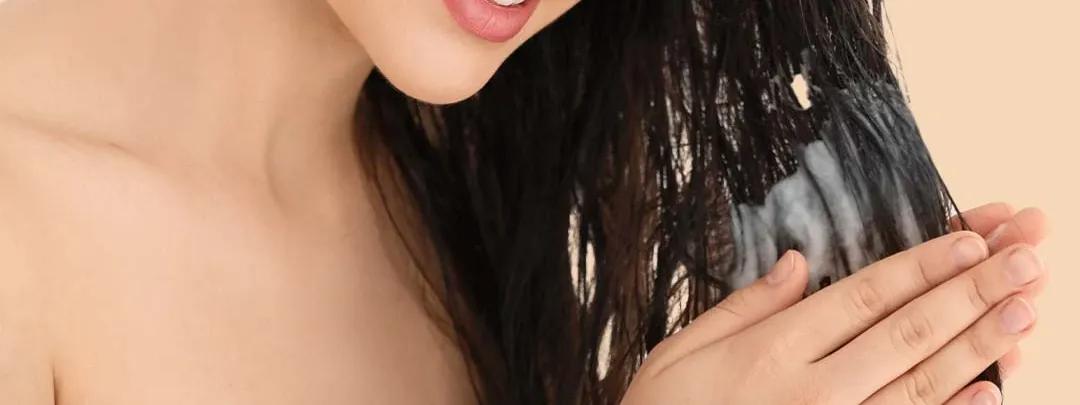

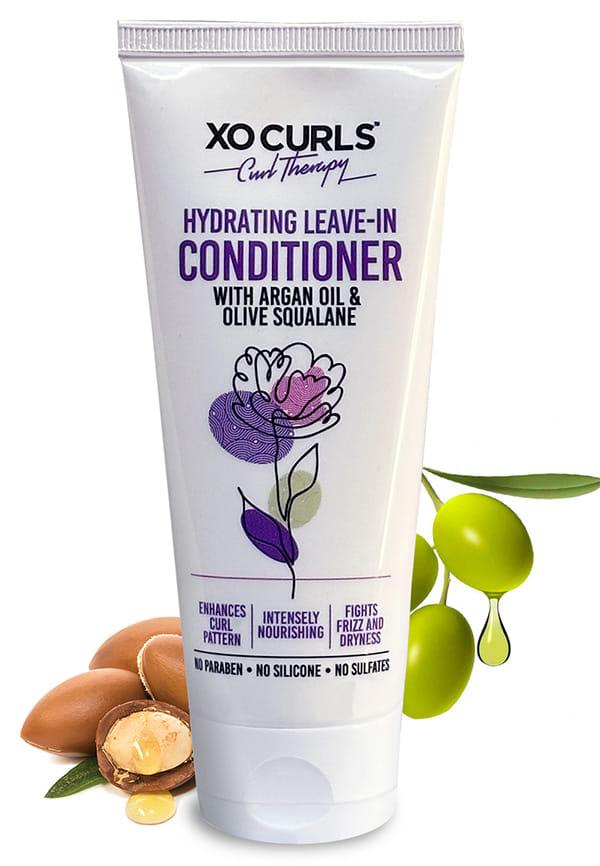
Hydrating Leave In Conditioner With Argan Oil And Olive Squalane To Tame Dryness & Frizz
That first monsoon shower hits differently when you're caught without an umbrella. Your hair goes from sleek to frizzy mess in seconds, and suddenly you're questioning every hair care choice you've ever made. Sound familiar? You're definitely not alone in this struggle. The rainy season brings its own set of hair challenges that can leave even the most dedicated hair care enthusiasts feeling defeated. From unexpected frizz explosions to increased hair fall, monsoon weather seems determined to test your hair's limits. But here's the thing – with the right approach and some smart tweaks to your routine, you can actually work with the humidity instead of fighting against it.
Let's be real – monsoon weather is basically your hair's arch nemesis. The increased humidity levels during rainy season create a perfect storm of hair issues that can feel overwhelming. When moisture levels in the air spike, your hair cuticles lift and become more porous, allowing excess moisture to penetrate the hair shaft. This leads to swelling, which disrupts your hair's natural structure and creates that dreaded frizz we all know too well.
The science behind monsoon hair problems is actually quite fascinating. Hair is hygroscopic, meaning it naturally absorbs moisture from the environment. During humid weather, this process goes into overdrive. Your hair can absorb up to 30% of its weight in water, which explains why even the most carefully styled hair can turn into a frizzy disaster within minutes of stepping outside.
Hair fall during monsoon is perhaps the most concerning issue for many. The combination of increased humidity, frequent washing due to getting caught in rain, and the stress of constant weather changes can trigger telogen effluvium – a temporary hair loss condition. Your scalp also becomes a breeding ground for fungal infections during this time, leading to dandruff and irritation that can further contribute to hair fall.
Frizzy hair solutions for monsoon become essential because humidity affects different hair types in unique ways. Curly and wavy hair tends to become more unruly and difficult to manage, whilst straight hair can lose its sleekness and develop unexpected waves or kinks. The paradox of dry hair in humid weather also confuses many – your hair might feel dry and brittle even though there's moisture everywhere. This happens because the outer layer of your hair becomes damaged from constant swelling and shrinking.
Adapting your hair care routine for monsoon doesn't mean completely overhauling everything you know. It's more about making strategic adjustments that work with the weather rather than against it. The key is understanding that your hair's needs change dramatically when humidity levels rise, and what worked perfectly in dry weather might actually make things worse during the rainy season.
One of the biggest mistakes people make is washing their hair too frequently during monsoon. Whilst it's tempting to shampoo daily when your hair feels greasy or you've been caught in the rain, over-washing can strip your scalp of natural oils. This triggers your sebaceous glands to produce even more oil, creating a vicious cycle. Instead, aim for washing every alternate day, or daily only if you have naturally oily hair or work in humid conditions.
When you do wash your hair, focus on proper technique rather than frequency. Use lukewarm water instead of hot water, which can further damage already vulnerable hair cuticles. Concentrate shampoo application on your scalp rather than the lengths of your hair, and always follow up with a lightweight conditioner applied from mid-length to ends. The goal is to cleanse without stripping, and condition without weighing down.
Drying your hair properly becomes crucial during monsoon. Never leave your hair damp for extended periods, as this creates an ideal environment for fungal growth. If you're air-drying, ensure good ventilation around your head. Consider using a microfiber towel or cotton t-shirt to gently squeeze out excess water – these materials are much gentler on wet hair than regular terry cloth towels.
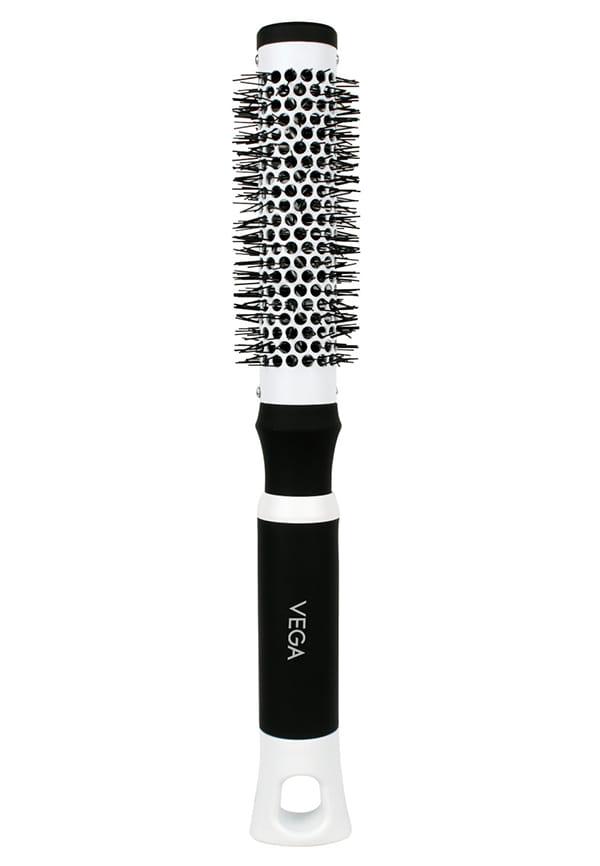
Hot Curl Hair Brushfor Hair Styling, Drying, Healthy Hair and Add Volume, Small (H1-PR S)
Choosing the right products for monsoon hair care can feel like navigating a maze of conflicting advice. The truth is, what works best depends on your specific hair type and the particular challenges you're facing. However, there are some universal principles that apply to most people dealing with monsoon hair problems.
Look for shampoos that balance cleansing power with gentleness. Sulfate-free formulations are generally better for damaged or chemically treated hair, but if you're dealing with significant oil buildup or product residue, a clarifying shampoo once a week can be beneficial. The key is finding products that clean effectively without over-stripping your hair's natural protective barriers.
Anti-frizz shampoos and conditioners often contain silicones that create a protective barrier around each hair strand. Whilst these can be helpful for managing frizz, they can also build up over time, making your hair feel heavy and lifeless. Look for water-soluble silicones or alternate between anti-frizz products and clarifying formulations to prevent buildup.
pH-balanced products become especially important during monsoon because your scalp's natural acid mantle can be disrupted by frequent washing and environmental stress. Products with a pH between 4.5 and 6.5 help maintain your scalp's natural protective barrier, reducing the risk of fungal infections and irritation that commonly occur during humid weather.
Humidity-blocking serums can be game-changers for frizzy hair solutions during monsoon. These products typically contain polymers that form a flexible film around your hair, helping to repel moisture from the environment. Apply them to damp hair before styling, focusing on the mid-lengths and ends where frizz tends to be most problematic.
Heat protectants become essential if you're using styling tools to combat frizz. Even if you're just using a blow dryer on low heat, the combination of heat and humidity can be particularly damaging to already vulnerable hair. Choose lightweight formulations that won't weigh your hair down or make it look greasy in humid conditions.
Sometimes the best solutions come from your kitchen rather than expensive salon treatments. Natural hair remedies for rainy season have been used for generations, and many of them are particularly effective because they work with your hair's natural structure rather than against it. The bonus? They're usually much gentler and more affordable than commercial alternatives.
Fenugreek seeds soaked overnight and blended with aloe vera gel create a powerful anti-frizz mask that's perfect for monsoon hair care. Fenugreek contains proteins that help strengthen hair strands, whilst aloe vera provides moisture without weighing hair down. This combination is particularly effective for those dealing with both frizz and hair fall during monsoon.
Neem and tea tree oil treatments are excellent for oily scalp treatment during monsoon. Both ingredients have natural antifungal properties that help prevent the scalp infections that commonly occur in humid weather. Mix a few drops of tea tree oil with coconut oil and massage into your scalp 30 minutes before washing. For neem treatments, boil fresh neem leaves in water, cool the mixture, and use it as a final rinse after shampooing.
Rice water has gained popularity recently, and for good reason. It contains amino acids and vitamins that can help strengthen hair and reduce breakage – particularly important during monsoon when hair fall tends to increase. Fermented rice water is even more effective because the fermentation process increases the concentration of beneficial nutrients.
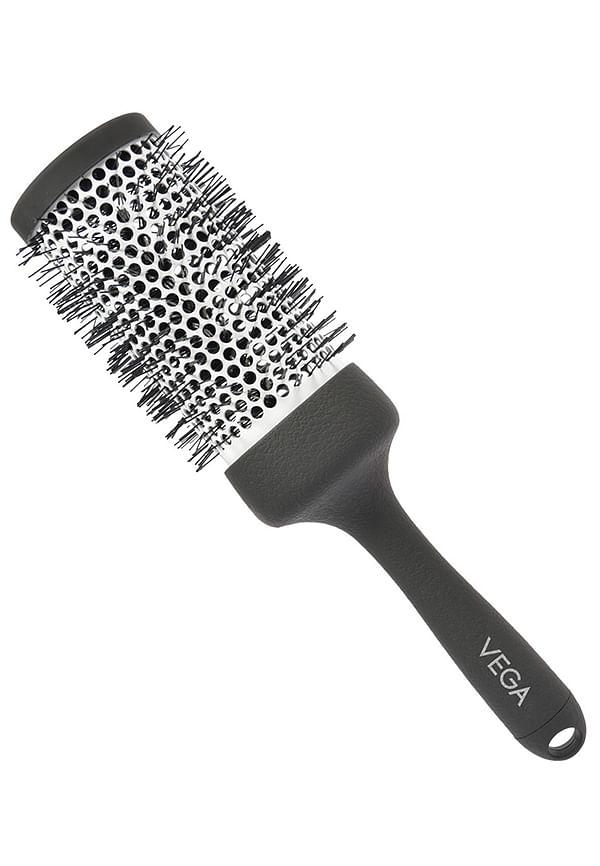
Hot Curl Brushfor Hair Styling, Drying, Healthy Hair and Add Volume, Large (H2-PRL)
Protecting your hair from humidity goes beyond just using the right products – it's about creating a comprehensive strategy that addresses both prevention and damage control. Think of it as building a defence system for your hair that works on multiple levels.
Environmental protection starts with simple tools like umbrellas and scarves, but there are smarter ways to use them. Choose umbrellas with good coverage and consider keeping a compact one in your bag for unexpected showers. Silk or satin scarves can protect your hair whilst adding style to your look, and they're much gentler on your hair than synthetic materials that can cause friction and breakage.
Your indoor environment plays a bigger role in hair health than you might realise. If possible, use a dehumidifier in your bedroom during monsoon season. This helps maintain optimal humidity levels whilst you sleep, preventing your hair from absorbing excess moisture overnight. If a dehumidifier isn't an option, ensure good ventilation and avoid sleeping with wet or damp hair.
Switching to a silk or satin pillowcase can significantly reduce friction-related frizz and breakage. These materials allow your hair to glide smoothly as you move during sleep, rather than catching and tugging like cotton pillowcases do. It's a small change that can make a noticeable difference in how your hair looks and feels in the morning.
Not all hair is created equal, and monsoon affects different hair types in distinctly different ways. Understanding your specific hair type and its unique challenges during humid weather is crucial for developing an effective care routine. What works brilliantly for your friend with curly hair might be completely wrong for your straight, fine strands.
Curly and wavy hair often becomes more defined but also more unpredictable during monsoon. The key is learning to work with your natural texture rather than fighting against it. Embrace the extra volume and movement that humidity can bring, but use techniques like plopping and scrunching to encourage your curls to form in a more controlled way.
The plopping technique involves wrapping your wet hair in a microfiber towel or cotton t-shirt to encourage curl formation whilst removing excess water. This method helps prevent frizz whilst enhancing your natural curl pattern. Follow up with a curl-defining cream or gel applied to soaking wet hair, then scrunch gently to encourage curl formation.
For second-day curls during monsoon, refresh sprays become essential. Mix water with a small amount of leave-in conditioner and a few drops of oil in a spray bottle. Lightly mist your hair and scrunch to reactivate your curl pattern without fully re-wetting your hair.
Straight, fine hair faces different challenges during monsoon – mainly limpness and greasiness. The humidity can make fine hair appear flat and lifeless, whilst increased oil production can make it look greasy faster than usual. The solution lies in lightweight products and volumising techniques that don't weigh your hair down.
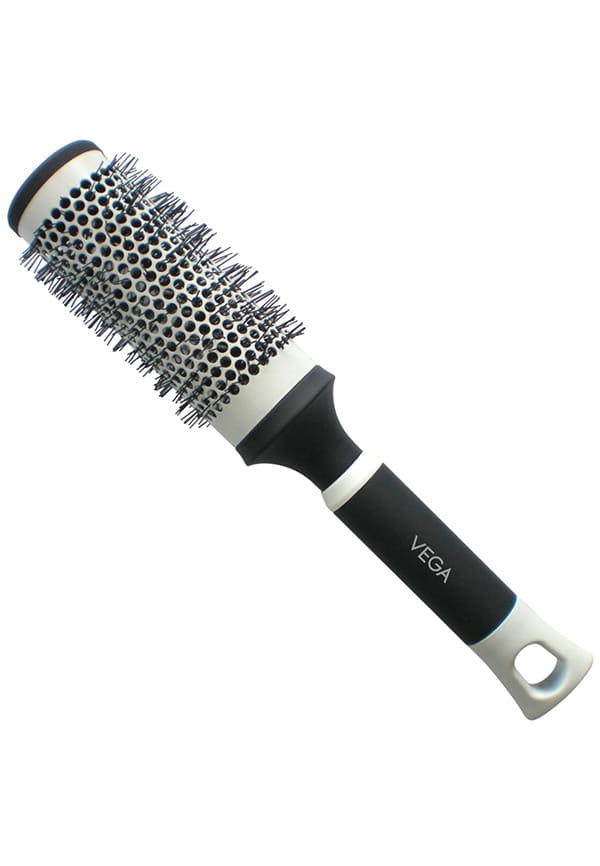
Hot Curl Hair Brushfor Hair Styling, Drying, Healthy Hair and Add Volume Big (H1-PR B)
Dry shampoo becomes your best friend during monsoon, but use it strategically. Apply it to clean, dry hair before bed to absorb oils overnight, rather than waiting until your hair already looks greasy. This proactive approach helps extend the time between washes whilst maintaining volume and texture.
Sometimes, despite your best efforts with at-home care, monsoon hair problems persist or worsen. Knowing when to seek professional help can save you months of frustration and prevent long-term damage to your hair. Professional treatments can provide more intensive solutions that aren't possible to achieve at home.
Keratin treatments are often marketed as the ultimate solution for frizzy hair, but they're not suitable for everyone, especially during monsoon. These treatments can make your hair more susceptible to damage from humidity changes, and the aftercare requirements can be challenging to maintain during rainy weather. Discuss the pros and cons with a professional stylist who understands your hair type and lifestyle.
Monsoon-related hair fall usually peaks during the rainy season and can continue for 2-3 months afterwards as your hair cycle adjusts. With proper care, you should see improvement within 6-8 weeks of starting a targeted routine. If hair fall persists beyond this timeframe or seems excessive, consult a dermatologist to rule out underlying conditions.
The best shampoo for monsoon depends on your specific hair type and scalp condition. Generally, look for gentle, sulfate-free formulations with anti-fungal ingredients like tea tree oil or zinc pyrithione. If you have oily hair, a clarifying shampoo once a week can help remove buildup, whilst those with dry or damaged hair should stick to moisturising formulations.
Yes, but choose your oils wisely and adjust your application method. Lightweight oils like argan or jojoba work better than heavy oils like coconut during humid weather. Apply oil only to the lengths and ends of your hair, avoiding the scalp if you're prone to oiliness. Pre-wash oil treatments work better than leave-in applications during monsoon.
Air drying in a well-ventilated area is ideal, but if you must use heat, keep it on the lowest setting and always use a heat protectant. Avoid leaving hair damp for extended periods, as this can lead to fungal infections. If you're caught in the rain, gently squeeze out excess water and dry your hair as soon as possible.
Caring for your hair during monsoon doesn't have to feel like an uphill battle. The key is understanding that this season requires a different approach – one that works with the humidity rather than against it. Focus on gentle cleansing, lightweight moisture, and protective styling techniques that embrace your hair's natural tendencies rather than fighting them.
Remember that consistency matters more than perfection. Small, daily adjustments to your routine will yield better results than dramatic changes that you can't maintain. Be patient with your hair as it adjusts to the seasonal changes, and don't be afraid to experiment with different techniques until you find what works best for your unique hair type and lifestyle. Whether you're dealing with frizz, hair fall, or scalp issues, the right combination of products and techniques can help you maintain healthy, manageable hair throughout the rainy season. Not sure which products might work best for your specific hair concerns? Smytten offers trial-size versions of many haircare products from trusted brands – a smart way to test different formulations before committing to full-size bottles.
