How to Care for Low Porosity Hair Effectively

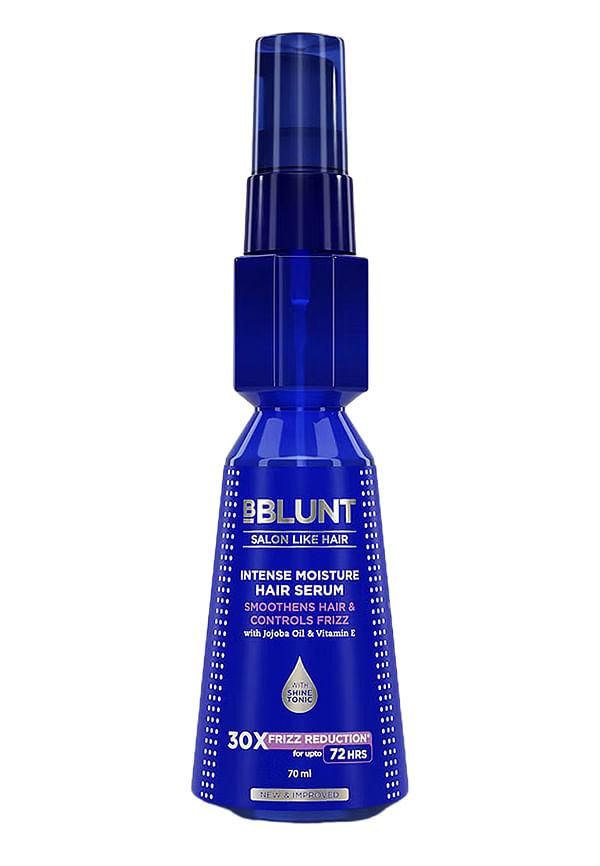
Intense Moisture Hair Serum
Good Product, Must Try
 4
4“Good product must be try once ”
Very Nice, Must Try
5“very nice.. liked it... must try”
So Good, Try This!
5“so good try this product definitely”
Ever wondered why your hair seems to repel moisture like it's got trust issues? If your strands take forever to get wet in the shower and products just sit on top instead of soaking in, you might be dealing with low porosity hair. This hair type has tightly closed cuticles that make it tricky for moisture to penetrate, but once you crack the code, your hair can look absolutely gorgeous. Let's dive into everything you need to know about low porosity hair care and how to give your strands the love they actually need.
Low porosity hair is basically hair with cuticles that are tightly packed and closed, making it resistant to moisture absorption. Think of it like trying to water a plant with waxy leaves—the water just rolls right off instead of soaking in. Your hair cuticles lie flat against the hair shaft, creating a barrier that keeps both moisture and products from penetrating easily. The science bit is pretty straightforward: hair porosity refers to your hair's ability to absorb and retain moisture. With low porosity hair, those cuticle scales are so tightly closed that water, oils, and treatments struggle to get through. This means your hair can look healthy and shiny (because those flat cuticles reflect light beautifully), but it might feel dry or take ages to dry after washing.
Want to know for sure if you've got low porosity hair? Try the float test: drop a clean strand of hair into a glass of water. Low porosity hair will float on top for ages because it repels water. You can also pay attention to how long your hair takes to get wet in the shower—if it takes several minutes of water running over it before it feels saturated, that's a telltale sign.
Your hair probably looks shiny and smooth when it's healthy, but products tend to sit on the surface rather than absorbing. You might notice that leave-in conditioners make your hair feel sticky or heavy, and oils seem to just coat your strands without actually nourishing them.
Creating an effective low porosity hair routine is all about working with your hair's natural structure, not against it. The key is opening those cuticles just enough to let moisture in, then sealing it properly. Your routine needs to focus on gentle clarification, heat-assisted treatments, and lightweight products that won't weigh your hair down. Think of it as a strategic approach rather than just slapping on heavy creams and hoping for the best.
Start with a clarifying shampoo once a month to remove product buildup. Low porosity hair is prone to accumulation because products don't absorb well, so they just layer on top of each other. A good clarifying session resets your hair and gives you a clean slate to work with.
Use warm (not hot) water to help open those stubborn cuticles slightly. When choosing a low porosity shampoo, look for gentle, sulfate-free formulas that clean without stripping. Massage your scalp thoroughly and let the shampoo work for a minute or two before rinsing.
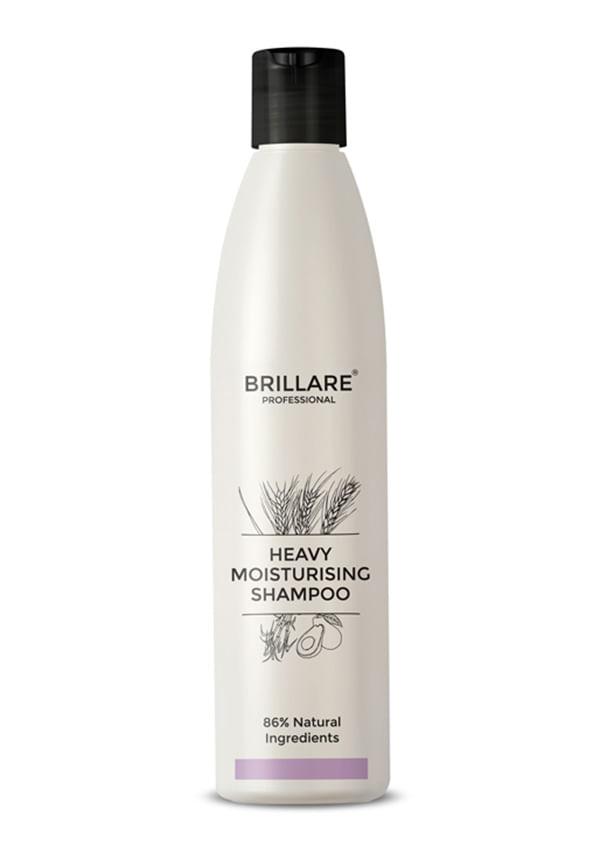
Professional Heavy Moisturising Shampoo
Excellent Product Quality
5“Awesome product best in class.”
Good Product, Pleasant Smell
4“It was good product and smells good”
Amazing Shampoo, Reduced Hairfall
5“amazing amazing amzing. literally amazing jewell of crown .top shampoo ,reduced hair fall ..soft on scalp”
This is where the magic happens. Apply your low porosity conditioner to damp hair and use heat to help it penetrate. You can use a shower cap and sit under a hooded dryer, or even just wrap your hair in a warm towel. Steam treatments work brilliantly too—the heat opens the cuticles just enough to let moisture slip through.
Choosing the right low porosity hair products can make or break your routine. Your hair needs lightweight, water-based formulas that can actually penetrate those tight cuticles. The golden rule is to avoid anything too heavy or thick. Your hair doesn't need more product sitting on top—it needs the right products that can actually get inside the hair shaft.
Water-based leave-ins and lightweight sprays are your best friends. Look for products with humectants like glycerin and hyaluronic acid that can draw moisture from the air. Protein-free or low-protein formulas work best since low porosity hair can easily get protein overload.
When it comes to best oils for low porosity hair, lighter molecular weight oils are the way to go. Jojoba oil is brilliant because it's technically a wax that mimics your scalp's natural sebum. Grapeseed oil and argan oil are also excellent choices that won't just sit on your hair looking greasy. Apply oils to damp hair and use heat to help them penetrate. A few drops mixed with water in a spray bottle can work wonders for daily moisture.
Steer clear of heavy butters like shea butter or cocoa butter—they'll just coat your hair without providing any real benefit. Coconut oil, despite its popularity, is often too heavy for low porosity hair. Silicone-heavy products can also create buildup that's hard to remove.
Learning how to hydrate low porosity hair effectively is all about timing, technique, and temperature. Your hair needs moisture, but it needs help getting it inside the hair shaft. The secret weapon is heat. Whether it's steam from your shower, a warm towel, or a proper steamer, heat temporarily opens those cuticles and allows moisture to penetrate. Apply your low porosity hair treatment to damp hair, add heat, and give it time to work. Layering lightweight products can also help. Start with a water-based leave-in, add a light oil while your hair is still damp, then seal with a lightweight cream. The key is applying each layer while your hair is still moist from the previous product.
Aloe vera gel mixed with water makes an excellent natural treatment. Rice water (fermented for extra nutrients) can also work well when used with heat. Green tea rinses provide antioxidants without weighing hair down.
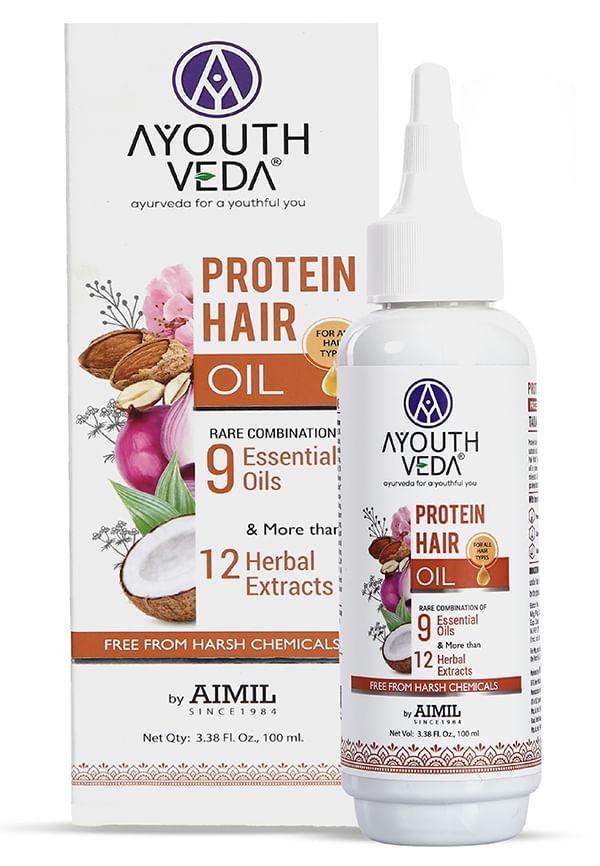
Protein Hair Oil
Product Recommendation
5“Nice products; you must buy this item.”
When it comes to low porosity hair styling, less is definitely more. Your hair looks best when it's not weighed down with heavy products or excessive manipulation. Protective styles work brilliantly for low porosity hair because they reduce daily handling and help retain moisture. Loose braids, buns, or protective scarves can keep your hair happy between wash days. For daily refresh, use a water-based spray with a tiny amount of leave-in conditioner. Avoid adding more product unless you're planning to wash soon—remember, your hair doesn't absorb products easily, so they'll just accumulate.
If you use heat tools, always apply a heat protectant to damp hair and use moderate temperatures. Your hair's tight cuticles actually provide some natural protection, but you still need to be careful not to damage them.
Satin or silk pillowcases reduce friction and help maintain moisture. You can also lightly mist your hair with water before bed and loosely braid or twist it to prevent tangling.
One of the biggest mistakes people make with low porosity hair is thinking more product equals better results. Your hair can easily become over-moisturised, leading to limp, sticky strands that feel worse than when you started. Product buildup is another major issue. Because your hair doesn't absorb products well, they layer on top of each other, creating a film that makes your hair look dull and feel heavy. Regular clarifying is essential to prevent this. Protein overload is surprisingly common with low porosity hair. Many people assume their hair needs protein when it feels dry, but too much protein can make low porosity hair feel straw-like and brittle.
If your hair feels mushy, stretches too much when wet, or looks limp and lifeless, you might be overdoing the moisture. Scale back on leave-ins and deep treatments for a week or two.
If your hair has become damaged from improper care, focus on gentle protein treatments (used sparingly) and consistent moisture with heat. Trim damaged ends and be patient—it takes time to restore balance. Trying different products to find what works for your specific hair can be expensive and frustrating. Smytten offers curated trial packs from over 1,500 trusted brands, letting you explore natural hair care for low porosity options without committing to full-size purchases. With low porosity hair tips varying so much between individuals, being able to test products first makes finding your perfect routine much easier and more affordable.
Focus on water-based treatments with heat application. Aloe vera gel, rice water, and light oils like jojoba work well when applied to damp hair with gentle heat from a warm towel or steamer.
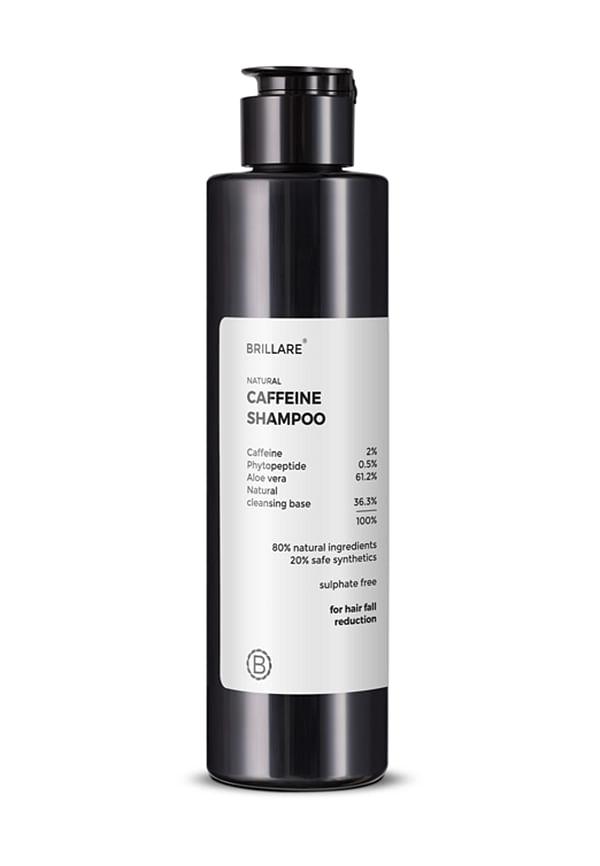
Caffiene Shampoo
Really Nice Product
5“really nice product. I recommend to use it.”
Gentle and Amazing Shampoo
5“Very gentle and amazing shamppoo”
Effective for Hairfall
4“Good product. works for me. Hairfall has reduced.”
Avoid heavy oils like coconut oil, thick butters, protein-heavy treatments, and silicone-laden products. These create buildup and can make your hair feel worse rather than better.
Light oils applied to damp hair with heat can be beneficial. Jojoba, grapeseed, and argan oils work best. Avoid heavy oils that will just sit on your hair surface.
Most people with low porosity hair do well washing 1-2 times per week, with a clarifying wash once a month to prevent product buildup.
Yes, through chemical processing, heat damage, or environmental factors. However, this usually indicates damage rather than a positive change.
Low porosity hair needs help getting moisture in (heat, lightweight products), while high porosity hair needs help keeping moisture in (heavier products, protein treatments).
You might notice immediate improvements in manageability, but significant changes in hair health typically take 4-6 weeks of consistent care.
Caring for low porosity hair doesn't have to be complicated once you understand what your hair actually needs. The key is working with your hair's natural structure, not fighting against it. Focus on lightweight, water-based products, use heat to help treatments penetrate, and don't overload your hair with too many products. Remember that finding the right products for your specific hair might take some experimentation. With Smytten's trial packs, you can test different haircare formulas from trusted brands before investing in full sizes. This approach helps you build a routine that actually works for your low porosity hair without the guesswork or expense of buying products that might not suit you. After all, why settle for hair that just looks okay when you can discover products that make it look absolutely gorgeous?
