How to Care for Fine Hair: Expert Styling Tips

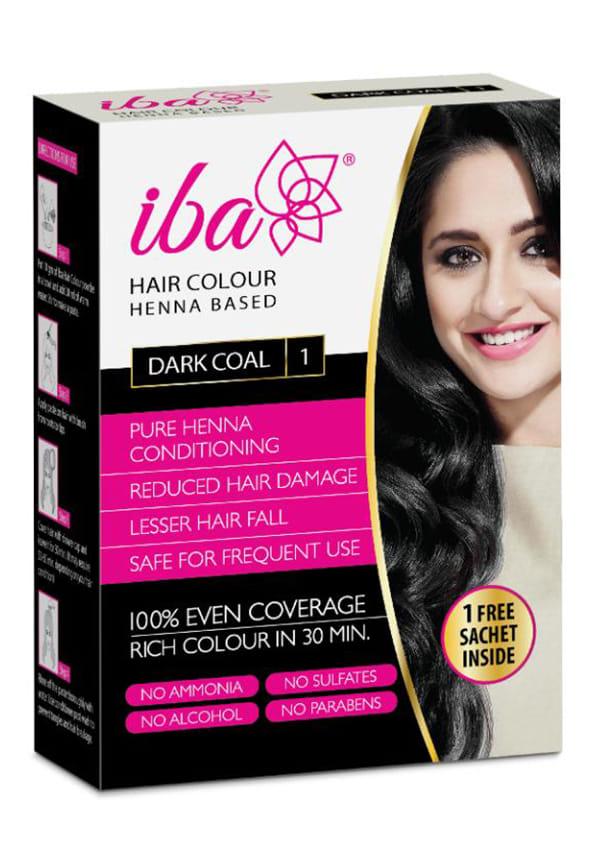
Halal Care Hair Colour
Loved Product, Found on Smytten
 5
5“loved the product I searched for this product in so many shopping apps but I didn't get it. finally I got it from smytten🤩”
Positive Product Review
5“love it 😀😀😀😀😀😀😀😀😀😀😀”
Great for Hair
5“it's really good for hair , no ammonia”
Fine hair can feel like a blessing and a curse rolled into one. On good days, it's silky and manageable. On bad days? Well, let's just say gravity wins every single time. If you've ever wondered how to care for fine hair without it falling flat by lunchtime, you're definitely not alone. The thing is, fine hair has its own set of rules, and once you crack the code, you'll wonder why you ever struggled in the first place. From choosing the right products to mastering styling techniques that actually add volume, caring for fine hair is all about working with what you've got rather than against it.
Let's clear this up once and for all because mixing up fine and thin hair is like confusing apples with oranges. Fine hair refers to the actual diameter of each individual strand—think of it as the thickness of a single hair. Even if you have loads of fine strands, each one is delicate and narrow. Thin hair, on the other hand, is about density—how many hairs you actually have on your head. You can have fine hair that's thick (lots of fine strands) or thin hair with coarse strands (fewer but thicker individual hairs). Knowing which category you fall into is crucial for your haircare for fine hair routine.
Grab a single strand of your hair and roll it between your fingers. If you can barely feel it, you've got fine hair. If it feels substantial and you can easily feel its texture, your hair is medium to coarse. For density, part your hair down the middle and look at your scalp. If you can see quite a bit of scalp, you likely have thin hair.
Fine hair gets weighed down easily because each strand can't support heavy products. It also tends to look oily faster since sebum travels down the hair shaft more quickly. Understanding this helps you choose the right fine hair products and techniques.
Caring for fine hair isn't rocket science, but it does require a different approach than other hair types. The goal is to cleanse without stripping, condition without weighing down, and style for maximum volume. Here's how to nail your routine from start to finish.
Fine hair needs washing more frequently than thicker hair types—usually every day or every other day. This might sound like a lot, but fine hair shows oil and product buildup faster. Use lukewarm water instead of hot, which can stimulate oil production and make your hair look greasy sooner. Focus your shampoo application on the scalp and roots, where oil accumulates. Let the suds rinse through the lengths naturally—this prevents over-cleansing the more delicate ends.
Here's where many people with fine hair go wrong: they skip conditioner entirely or apply it to their roots. Your conditioner for fine hair should be lightweight and applied only from mid-length to ends. Leave it on for just 30-60 seconds—any longer and you risk weighing down your strands. Rinse with cool water to seal the hair cuticles and add natural shine. This simple switch can make a massive difference in how your hair looks and feels.
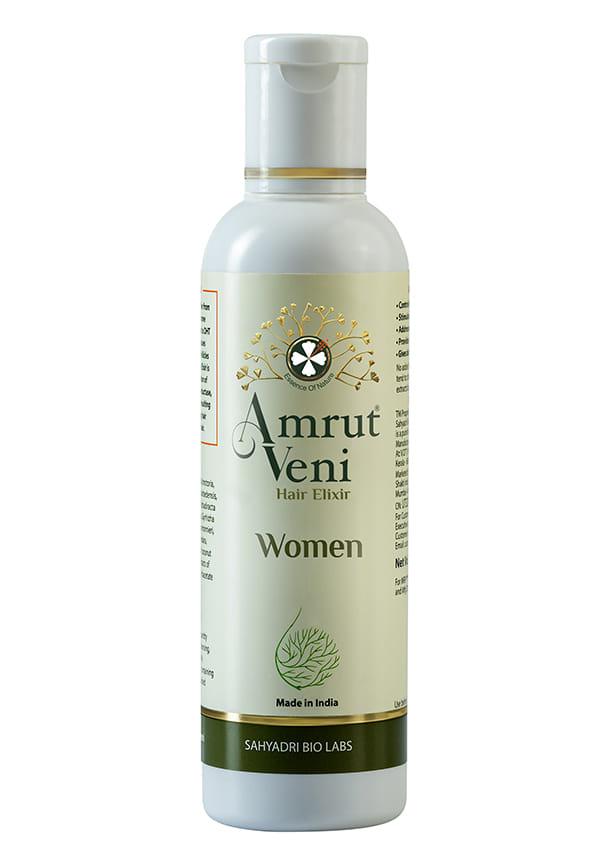
Hair Elixir Women
Product selection can make or break your fine hair game. The wrong formula will leave you looking like you haven't washed your hair in a week, while the right one can give you that bouncy, voluminous look you're after.
Look for best shampoo fine hair options that are sulfate-free but still provide good cleansing power. Volumising shampoos with ingredients like rice protein or biotin can add body without heaviness. For conditioning, cream-based formulas are usually too rich—opt for lightweight, liquid conditioners instead. Dry shampoo is your best friend for extending wash days and adding texture. Use it preventatively on clean hair for extra grip and volume, not just when your hair is oily.
Steer clear of anything with heavy oils like coconut or argan oil as primary ingredients. Thick, creamy leave-in treatments and heavy styling waxes are also no-gos. Even some protein treatments can be too much for fine hair if used too frequently. Alcohol-based products might seem like they'd add volume, but they can actually dry out fine hair and make it more prone to breakage.
This is where the magic happens. Volumizing fine hair is all about technique, timing, and the right tools. You don't need expensive salon treatments—just some smart styling tricks that work with your hair's natural tendencies.
Blow-drying upside down is a classic for good reason—it lifts the roots away from your scalp as they dry. Use a round brush to lift sections at the roots while directing airflow from roots to ends. This creates lasting volume that won't fall flat immediately. Keep heat settings moderate. Fine hair is more susceptible to damage, and fried hair never looks voluminous. A heat protectant is non-negotiable—choose one that's lightweight and won't add residue.
Not every day calls for heat styling. Try braiding damp hair loosely before bed for natural waves and texture. Velcro rollers on dry hair can add serious lift at the roots—just roll the front sections away from your face and leave them in while you do your makeup. Scrunching with a lightweight mousse while hair is damp can enhance natural texture and add body that lasts all day.
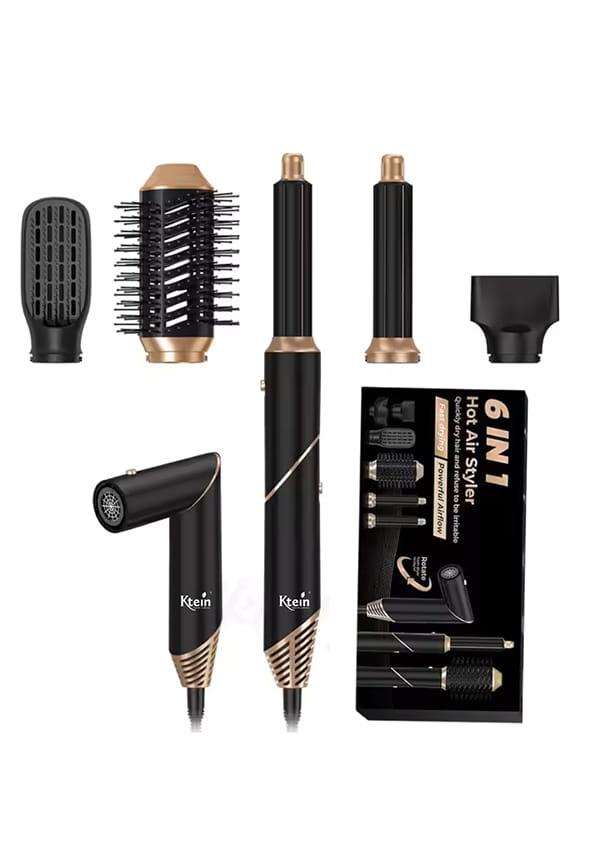
6-in-1 Hot Air Hair Styler for Women
While you can't actually change your hair's diameter, you can create the illusion of thicker hair and support overall hair health. How to thicken hair naturally involves both external care and internal support. Scalp massage increases blood circulation, which can promote healthier hair growth. Spend a few minutes each day gently massaging your scalp with your fingertips—not your nails. This simple habit can make a real difference over time. Nutrition plays a huge role in hair health. Protein, iron, and biotin are particularly important for strong, healthy strands. If you're not getting enough through food, consider supplements after chatting with your doctor.
Fine hair breaks easily, so gentle handling is crucial. Use a wide-tooth comb on wet hair, starting from the ends and working up. Never brush wet fine hair with a regular brush—it's a recipe for breakage. Silk or satin pillowcases reduce friction while you sleep, preventing tangles and breakage. Regular trims every 6-8 weeks keep ends healthy and prevent splitting, which can make fine hair look even thinner.
The length of your hair dramatically affects how you should approach fine hair styling. What works for a bob might be a disaster for long hair, and vice versa.
Shorter styles often work brilliantly for fine hair because there's less weight pulling everything down. Pixie cuts, bobs, and lobs can all look incredibly full and bouncy when cut and styled correctly. Use texturising sprays and light mousses to enhance natural movement. Layered cuts add the illusion of thickness by creating different lengths that don't all fall in the same place. Just make sure your stylist understands fine hair—too many layers can actually make it look thinner.
Long fine hair can be stunning, but it requires more strategic styling. Avoid blunt cuts that emphasise the lack of density at the ends. Instead, ask for long layers that start around your collarbone to add movement without sacrificing length. Braids, loose buns, and half-up styles can create the illusion of thicker hair while keeping it off your face. When wearing it down, try a slight wave or curl to add body and dimension.
Even with the best intentions, it's easy to fall into habits that work against fine hair. Over-conditioning is probably the biggest culprit—using too much product or leaving it on too long will flatten your hair faster than anything else. Brushing fine hair too aggressively or too often can cause breakage and make it look thinner. Stick to gentle detangling when necessary, and avoid brushing dry hair unless you're styling it. Using the wrong tools can also sabotage your efforts. Boar bristle brushes, while great for other hair types, can be too harsh for fine strands. Opt for brushes with flexible bristles or wide-tooth combs instead. When it comes to discovering the right products for your fine hair, trial and error used to be expensive and frustrating. That's where platforms like Smytten come in handy. With curated trial packs from over 1,500 trusted brands, you can test different fine hair tips and products without committing to full sizes. This approach lets you find your perfect haircare routine while making smarter, more confident choices about what actually works for your hair type.
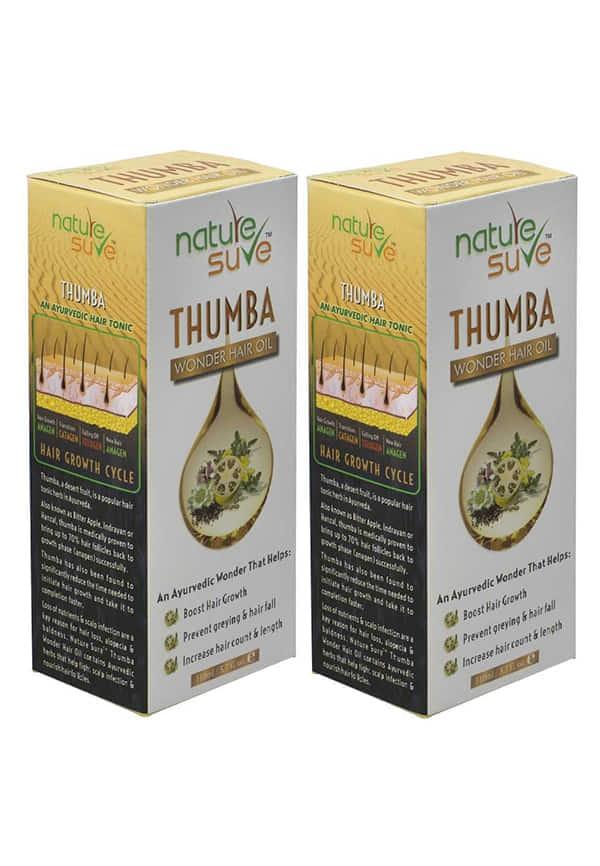
Thumba Wonder Hair Oil for Men and Women
Fine hair typically needs washing every day or every other day. Because oil travels down fine strands more quickly, it can look greasy faster than thicker hair types. Listen to your hair—if it looks flat or oily, it's time for a wash.
Regular shampoos can work, but volumising or lightweight formulas designed for fine hair will give you better results. Avoid anything too moisturising or heavy, as these can weigh down fine strands.
Gentle blow-drying with a round brush, using lightweight volumising products, and trying heat-free methods like braiding or velcro rollers are all great options. Always use heat protection when styling with hot tools.
Both can work beautifully! Short cuts often appear fuller because there's less weight, but long fine hair can look gorgeous with the right cut and styling. The key is working with a stylist who understands fine hair.
While not absolutely necessary, products formulated for fine hair will typically give you better results. They're designed to add volume and body without weighing down delicate strands.
Fine hair has less surface area per strand, so natural oils from your scalp can travel down the hair shaft more quickly, making it appear oily faster than thicker hair types.
Caring for fine hair doesn't have to be a daily struggle. Once you understand your hair's unique needs and adjust your routine accordingly, you can achieve the bouncy, voluminous look you're after. Remember, it's all about working with your hair's natural characteristics rather than fighting against them. The key is finding the right balance of cleansing, conditioning, and styling that works for your specific hair type and lifestyle. With the right hair volume tips and techniques, fine hair can look absolutely stunning—it just requires a slightly different approach than other hair types. Smytten's trial platform makes it easier than ever to discover products that actually work for your fine hair without the guesswork. With over 25 million users and access to trusted brands, you can explore different formulations and find your perfect haircare match. After all, why settle for flat, lifeless hair when you can try it all and find what makes your fine hair look its absolute best?
