How to Build an Anti-Frizz Routine for Smooth Hair
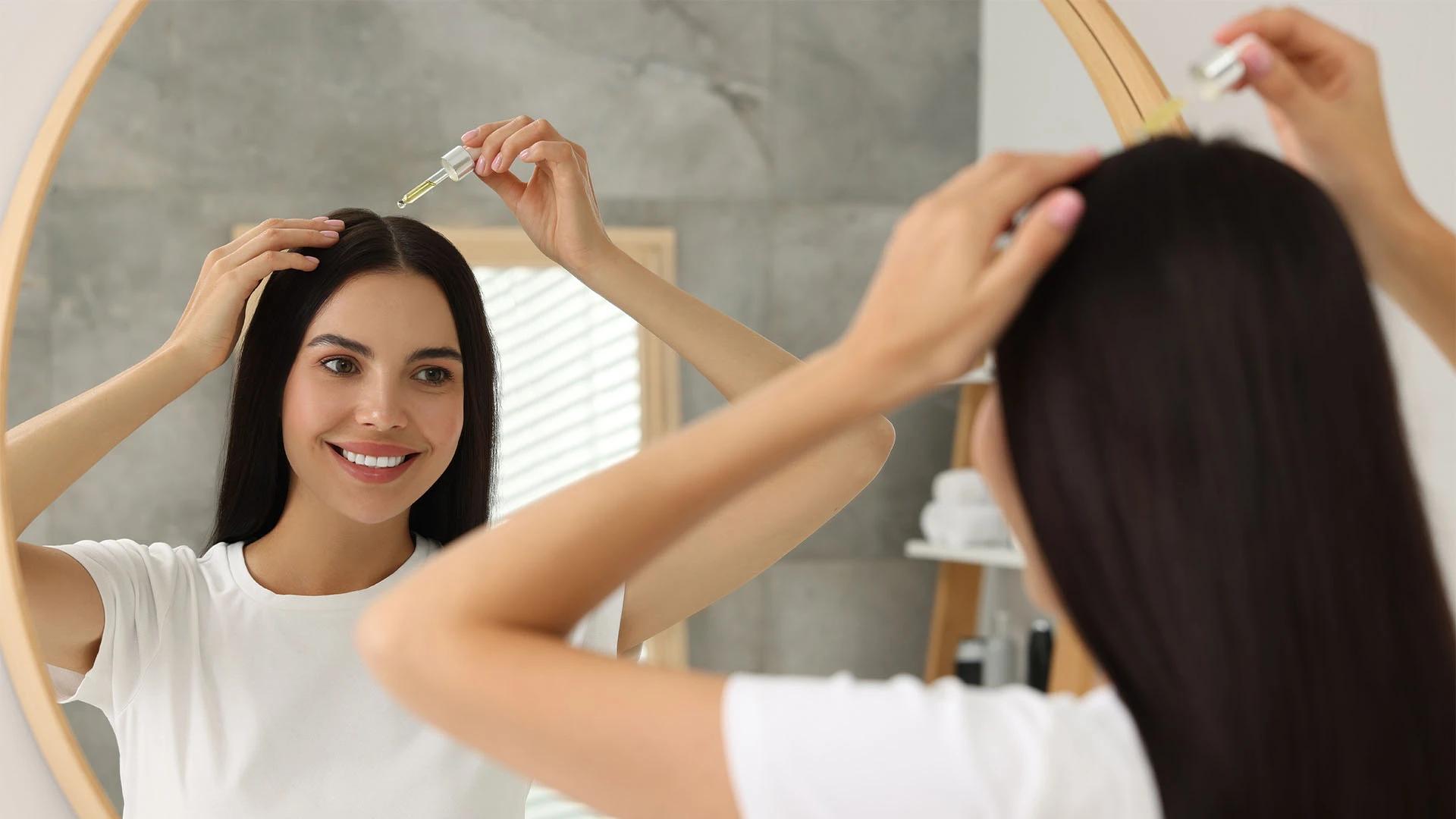

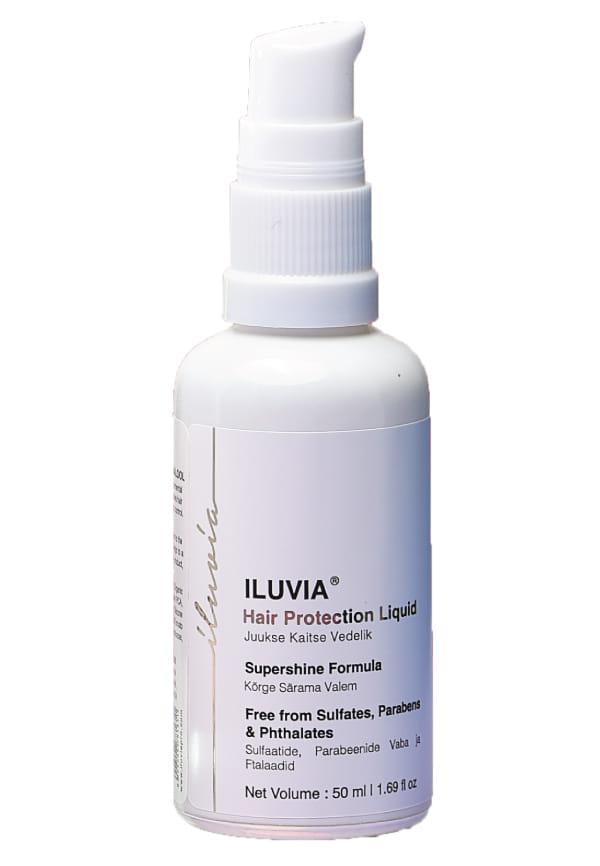
Hair Protections Liquid | Frizz control with super shiny hair + Heat Protection
Frizzy hair can feel like an endless battle, especially when humidity hits or your hair decides to have its own agenda. But here's the thing—building an effective anti-frizz routine isn't about fighting your hair's natural texture; it's about working with it to achieve smooth, manageable locks. Whether you're dealing with waves that won't behave, curls that spring out of control, or straight hair that puffs up at the first sign of moisture, the right approach can transform your hair game completely. The key lies in understanding what causes frizz and creating a personalised routine that addresses your hair's specific needs. With platforms like Smytten offering trial-sized versions of top haircare brands, you can experiment with different anti-frizz products without committing to full-size bottles, making it easier than ever to discover what works best for your unique hair type.
Frizz happens when hair cuticles lift due to damage, humidity, or lack of moisture—understanding your hair's porosity helps choose the right products
An effective anti-frizz routine includes gentle cleansing, deep conditioning, leave-in treatments, and proper drying techniques
Key products include sulfate-free shampoos, moisturising conditioners, anti-frizz serums, and heat protectants for styling
Natural DIY treatments like aloe vera masks and oil treatments can complement your routine affordably
Curly hair needs special consideration with techniques like the Curly Girl Method and proper product layering
Before diving into how to build anti-frizz routine strategies, let's get real about what's actually happening with your hair. Frizz occurs when the hair cuticle—the outermost layer of your hair shaft—lifts up, allowing moisture from the environment to enter and swell the hair strand. This creates that familiar puffed-up, unruly texture that seems impossible to tame.
Several factors contribute to frizzy hair, and knowing yours helps you manage frizzy hair more effectively. Humidity is the obvious culprit, but damage from heat styling, chemical treatments, and even aggressive towel-drying can roughen the cuticle. Genetics also play a role—some hair types are naturally more porous and prone to frizz. Additionally, using harsh shampoos with sulfates can strip your hair of natural oils, leaving it dry and more susceptible to environmental moisture.
Different hair textures experience frizz differently. Wavy hair often becomes undefined and stringy, whilst curly hair may lose its curl pattern and become a fluffy mess. Even straight hair can develop frizz, particularly around the hairline and crown. Understanding your specific frizz pattern helps you choose the right frizz control tips and products.
Hair porosity—how easily your hair absorbs and retains moisture—directly impacts frizz levels. High-porosity hair absorbs moisture quickly but also loses it fast, leading to constant frizz. Low-porosity hair resists moisture but can become frizzy when products build up on the surface. Knowing your porosity level guides your product choices and application techniques.
Creating a successful anti-frizz routine isn't about using every product on the market—it's about consistency and choosing the right steps for your hair type. A well-structured routine addresses cleansing, conditioning, treatment, and styling in a way that maintains moisture balance whilst protecting against environmental factors.
The foundation of any good routine starts with gentle cleansing that doesn't strip your hair's natural oils. Follow this with intensive conditioning, protective styling products, and proper drying techniques. The key is finding the right balance for your hair's needs without overwhelming it with too many products.
Your morning routine should focus on refreshing and protecting your hair for the day ahead. Start by lightly misting your hair with water or a leave-in conditioner to reactivate styling products from the previous day. Apply a small amount of anti-frizz serum or cream to damp hair, focusing on the mid-lengths and ends where frizz tends to be most problematic.
Evening care is all about protection and preparation for the next day. Use a silk or satin pillowcase to reduce friction, or wrap your hair in a silk scarf. Apply a lightweight oil treatment to the ends if your hair feels dry, and consider protective styling like loose braids for longer hair.
Weekly treatments are where you can really address frizz at its source. Use a deep conditioning mask or protein treatment depending on your hair's needs. High-porosity hair often benefits from protein treatments to fill in gaps in the cuticle, whilst low-porosity hair typically needs moisture-rich masks.
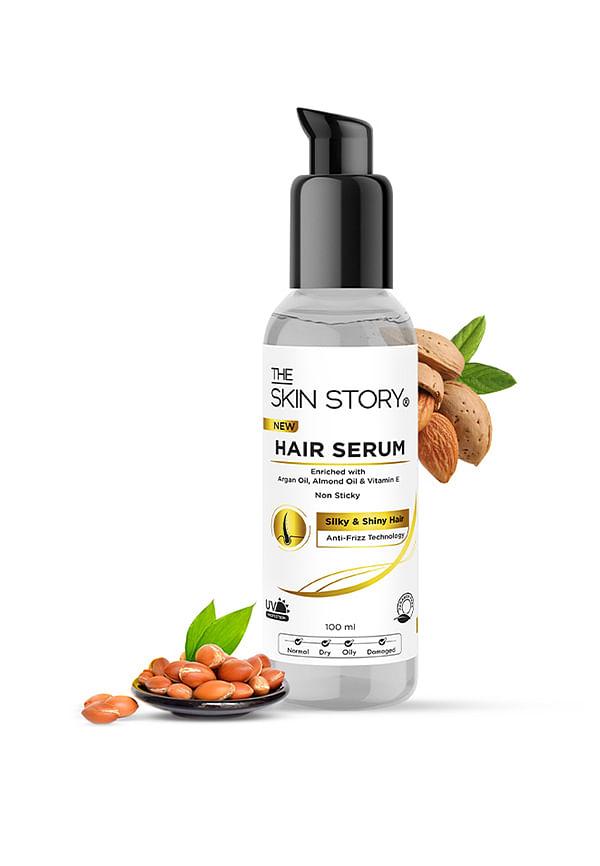
Hair Serum With Anti Frizz Technology And UV Protection, Non-Sticky For Silky Hair
Very Useful Product
 5
5“this product is very useful for me”
Makes Hair Smooth & Shiny
5“it makes the hair smooth and shiny”
Great Hair Serum, Silky & Shiny
4“I really like this hair serum! It makes my hair feel smooth, soft, and manageable. It has a lightweight texture and leaves my hair looking shiny without feeling too heavy. Overall, a great product and I’m happy with the results.”
The right anti-frizz hair products can make all the difference in your routine, but you don't need to break the bank to see results. From drugstore finds to salon-quality treatments, there are effective frizz free hair products at every price point. The key is understanding what each product type does and how it fits into your routine.
When shopping for products, look for ingredients like glycerin (in humid climates), silicones for smoothing, natural oils for moisture, and proteins for damaged hair. Avoid products with high alcohol content, as these can be drying and actually increase frizz over time.
Sulfate-free shampoos are essential for frizz-prone hair as they cleanse without stripping natural oils. Look for formulas with moisturising ingredients like coconut oil, argan oil, or shea butter. Co-washing (using conditioner to cleanse) can also be effective for very dry or curly hair types.
Both rinse-out and leave-in conditioners have their place in an anti-frizz routine. Rinse-out conditioners provide immediate moisture and detangling, whilst leave-in formulas offer ongoing protection and frizz control throughout the day. For best results, use both types strategically.
Anti-frizz serums work best on fine to medium hair, providing lightweight smoothing without weighing hair down. Creams are ideal for thicker, coarser hair that needs more moisture and control. Gels can help define curls whilst controlling frizz, but choose alcohol-free formulas to avoid dryness.
Mastering professional hair smoothing techniques at home can dramatically improve your results with any product routine. These methods focus on minimising cuticle damage and maintaining moisture balance throughout the styling process. The way you handle your hair during washing, drying, and styling makes a huge difference in the final outcome.
Professional techniques aren't just about the products you use—they're about how you use them. From the temperature of your water to the direction you dry your hair, every step matters when you're trying to smooth frizzy hair effectively.
Use lukewarm water instead of hot, as excessive heat can lift the cuticle and increase frizz. Focus shampoo on your scalp rather than the lengths of your hair, and always follow with conditioner from mid-length to ends. Rinse thoroughly to prevent product buildup.
Never rub your hair with a regular towel—instead, gently squeeze out excess water with a microfiber towel or cotton t-shirt. For curly hair, try "plopping" by wrapping your hair in a t-shirt to maintain curl pattern whilst absorbing moisture. Air-drying is gentlest, but if you must blow-dry, use a diffuser attachment on low heat.
Always use a heat protectant before any thermal styling. Keep temperatures below 180°C for fine hair and 200°C for thick hair. Work in small sections and avoid going over the same area multiple times. Consider using ionic or ceramic tools that distribute heat more evenly.
Sometimes the best frizz reduction methods come straight from your kitchen. DIY treatments can be incredibly effective for managing frizzy hair, especially when used as weekly intensive treatments alongside your regular routine. These natural options are budget-friendly and free from harsh chemicals that might irritate sensitive scalps.
The beauty of homemade treatments lies in their simplicity and customisation. You can adjust ingredients based on your hair's current needs—adding more protein for damaged hair or extra moisture for dry strands. Plus, you know exactly what's going into your hair.
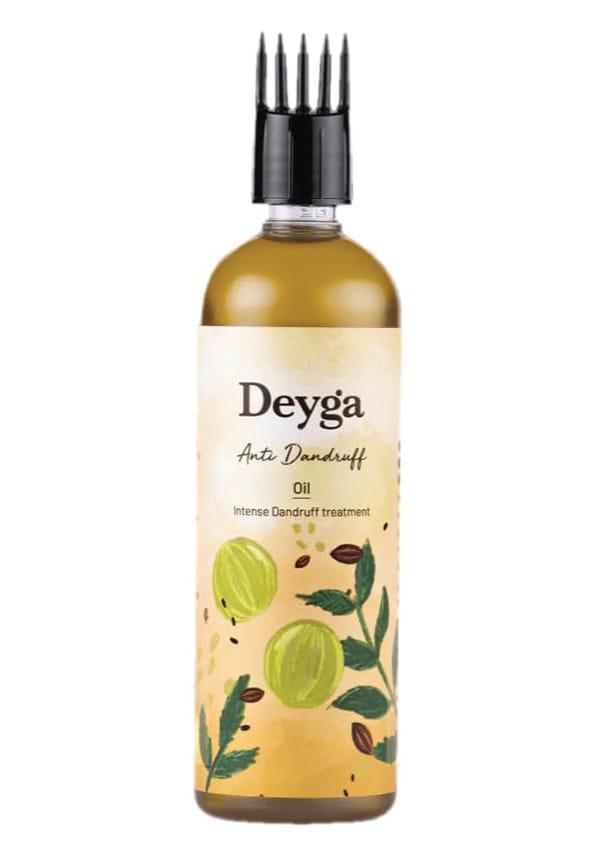
Anti Dandruff Oil Dandruff Control Neem Oil
Avocado masks are brilliant for dry, frizzy hair—simply mash one ripe avocado with a tablespoon of honey and apply to damp hair for 20 minutes. For protein-deficient hair, try an egg mask mixed with olive oil. Coconut oil masks work well for high-porosity hair that needs deep moisture.
Aloe vera gel makes an excellent natural leave-in treatment. Mix fresh aloe gel with a few drops of your favourite oil and apply to damp hair for lightweight moisture and frizz control. This treatment is particularly good for fine hair that gets weighed down by heavier products.
ACV rinses help balance your hair's pH and smooth the cuticle. Mix one part apple cider vinegar with three parts water and use as a final rinse after conditioning. This technique is especially helpful for those dealing with product buildup that contributes to frizz.
Curly hair requires a specialised approach to frizz control because the natural curl pattern makes hair more vulnerable to moisture loss and environmental factors. A curly hair anti-frizz routine focuses on maintaining curl definition whilst controlling frizz, which requires different techniques and products than straight or wavy hair.
The key to managing curly, frizzy hair lies in understanding that curls need more moisture and gentler handling than other hair types. Traditional brushing and towel-drying methods can actually create more frizz by disrupting the curl pattern and roughening the cuticle.
The Curly Girl Method eliminates sulfates, silicones, and heat styling to allow curls to form naturally. Start with a clarifying wash to remove buildup, then use only sulfate-free cleansers and silicone-free conditioners. Scrunch products into wet hair and air-dry or diffuse on low heat.
Layer products from thinnest to thickest consistency: leave-in conditioner first, then curl cream, and finally gel if needed. Apply each product to soaking wet hair using the "praying hands" method or scrunching to encourage curl formation without creating frizz.
Refresh curls on day two and beyond by lightly misting with water mixed with a small amount of leave-in conditioner. Scrunch gently to reactivate styling products and reshape curls. Avoid touching dry curls, as this can cause frizz and disrupt the curl pattern.
We've all been there—you're rushing out the door and your hair decides to have its own rebellion. Learning how to stop frizzy hair quickly can be a lifesaver for those unexpected frizz emergencies. These techniques work with what you've got and can transform unruly hair into something presentable in minutes.
Quick fixes aren't about perfection—they're about damage control and making your hair look intentional rather than chaotic. The best emergency techniques work with your hair's natural texture rather than fighting against it.
Keep a small spray bottle filled with water and a tiny amount of leave-in conditioner for quick touch-ups. Lightly mist frizzy areas and smooth with your hands. For immediate smoothing, run a small amount of hair oil or serum through your palms and gently press over frizzy sections.
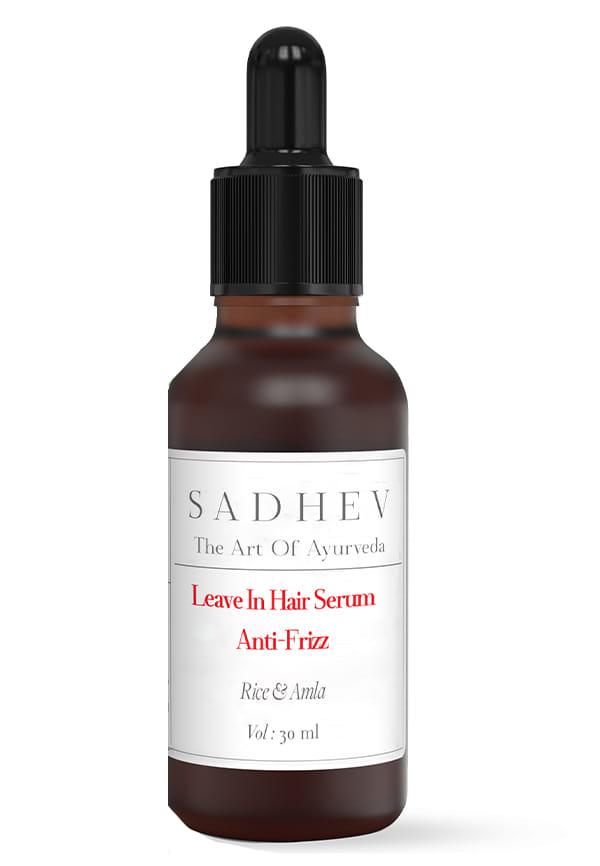
Leave-In Hair Serum - Anti-Frizz
Invest in travel-sized anti-frizz products that fit in your bag. A small tube of smoothing cream or a mini bottle of hair oil can work wonders for midday touch-ups. Even hand cream in a pinch can help smooth minor frizz—just use sparingly.
When all else fails, embrace protective styles. A low bun secured with bobby pins can hide frizzy lengths, whilst a headband or scarf can camouflage a frizzy hairline. Side braids or a sleek ponytail can also redirect attention from frizzy areas.
The best routine includes gentle sulfate-free cleansing 2-3 times per week, deep conditioning weekly, daily leave-in conditioner application, and protective styling. Focus on maintaining moisture balance and minimising heat damage. Consistency is key—stick to your routine for at least 4-6 weeks to see significant improvements.
Whilst you can't permanently eliminate frizz, you can significantly reduce it through consistent care. Regular deep conditioning, protein treatments when needed, protecting hair from heat and environmental damage, and using the right products for your hair type can create long-lasting smoothness. Professional treatments like keratin can provide temporary smoothing for 3-6 months.
Mix fresh aloe vera gel with a few drops of argan oil for a lightweight leave-in treatment. For a deep conditioning mask, blend one ripe avocado with two tablespoons of honey and one tablespoon of coconut oil. Apply to damp hair, leave for 20 minutes, then rinse thoroughly. These natural treatments provide moisture without harsh chemicals.
Lightly mist your hair with water mixed with leave-in conditioner, then smooth with your hands. Apply a small amount of anti-frizz serum to problem areas, or try the "glass of water" technique—wet your hands and smooth over frizzy sections. For severe cases, embrace protective styling like braids or buns.
Absolutely! Smytten's trial packs are perfect for testing different anti-frizz products without committing to full sizes. You can try various shampoos, conditioners, serums, and treatments from top brands to find what works best for your hair type before investing in full-size products.
Avoid products with high alcohol content (denatured alcohol), sulfates (sodium lauryl sulfate), and drying ingredients like some clays in leave-in products. Also be cautious with protein-heavy products if your hair is already protein-overloaded, as this can make hair brittle and more prone to frizz.
Building an effective anti-frizz routine is about understanding your hair's unique needs and consistently using the right combination of products and techniques. Remember that frizz is often a sign that your hair needs more moisture or protection from damage, so focus on gentle cleansing, intensive conditioning, and protective styling methods.
The best anti-frizz treatments combine quality products with proper application techniques. Whether you're dealing with naturally curly hair that needs definition or straight hair that puffs up in humidity, the principles remain the same: maintain moisture, protect the cuticle, and handle your hair gently. Don't expect overnight miracles—give your new routine at least a month to show significant results.
Budget doesn't have to be a barrier to smooth hair. DIY treatments using kitchen ingredients can be just as effective as expensive salon products when used correctly. The key is consistency and patience as your hair adjusts to healthier practices.
Discovering the perfect anti-frizz routine for your hair doesn't have to involve expensive guesswork or commitment to full-size products that might not work. Smytten is India's largest product discovery and trial platform, connecting consumers with top lifestyle, beauty, wellness, and grooming brands through curated trial packs from over 2,400 trusted brands. Each mini is linked with Trial Points, and users can get up to 10 Trial Points for just ₹279, with 100% cashback on trial purchases redeemable for future orders. This makes experimenting with different haircare products both affordable and rewarding. With over 28 million users and 100% authentic, directly sourced products available across 90% pincode coverage, you can try before you buy and build your ideal anti-frizz routine with confidence. After all, why settle for 'maybe' when you can #TryItAll!
