How to Build a Hair Routine for Healthy Hair

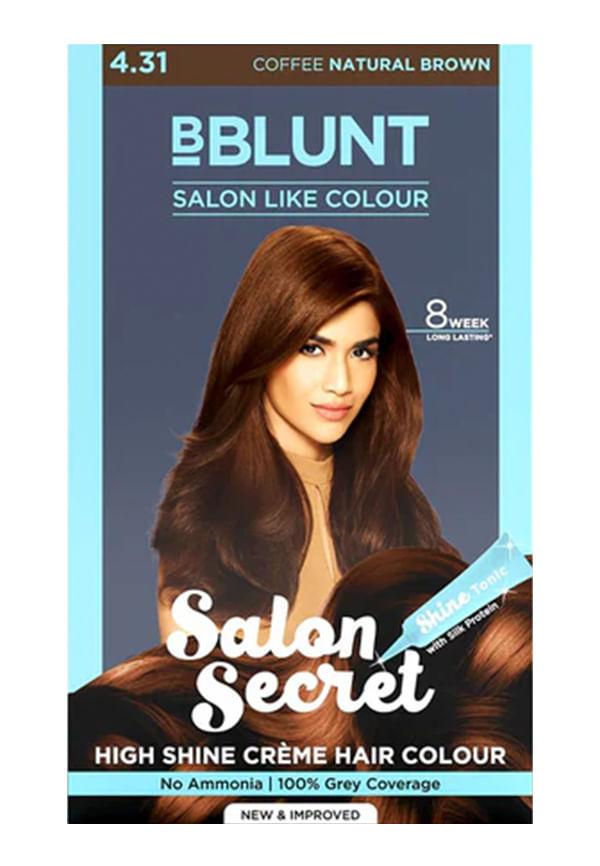
Salon Secret High Shine Conditioning Hair Colour
Ever stood in front of the mirror wondering why your hair looks nothing like the glossy locks you see on Instagram? You're not alone. Most of us have been there—trying random products, following generic advice, and feeling frustrated when nothing seems to work. The truth is, building a hair routine isn't about copying what works for someone else. It's about understanding your unique hair needs and creating a plan that actually fits your lifestyle. Let's break down how to build a hair routine that works for you, not against you.
Before diving into products and techniques, you need to know what you're working with. Think of it like getting to know a new friend—the better you understand your hair's personality, the better you can care for it.
Hair type isn't just about whether your hair is straight or curly. It's a whole classification system that helps you understand your hair's natural behaviour. Straight hair ranges from 1A (pin-straight and fine) to 1C (straight with some body). Wavy hair goes from 2A (loose waves) to 2C (strong waves with some curls). Curly hair spans 3A (large, loose curls) to 3C (tight corkscrews). Coily hair ranges from 4A (soft coils) to 4C (tight, densely packed coils).
Texture is about the actual thickness of each strand—fine, medium, or thick. You can test this by taking a single strand and rolling it between your fingers. If you can barely feel it, you've got fine hair. If it feels like a piece of thread, that's medium. If it feels more like a piece of wire, you're dealing with thick strands.
Your scalp is like the soil for your hair garden. If it's not healthy, your hair won't be either. Oily scalps tend to produce excess sebum, making hair look greasy quickly. Dry scalps might feel tight or flaky. Sensitive scalps react to products easily, while dandruff-prone scalps deal with persistent flaking and sometimes itching.
Common hair concerns include breakage (usually from damage or over-processing), thinning (which can be genetic or stress-related), frizz (often from humidity or damage), and dullness (typically from product buildup or lack of moisture). Your lifestyle also plays a role—frequent heat styling, chemical treatments, stress levels, diet, and even the water quality in your area can all affect your hair's needs.
Now that you know your hair, let's build a routine that works. These hair care routine steps form the backbone of any effective regimen, but how you execute them depends entirely on your specific needs.
Cleansing isn't just about getting your hair wet and adding shampoo. The frequency matters—most hair types do well with washing 2-3 times per week, but oily scalps might need daily cleansing while dry or chemically-treated hair might only need washing once or twice a week.
When you do wash, focus the shampoo on your scalp, not your ends. Your scalp produces the oil and collects the dirt, so that's where the cleaning action needs to happen. Massage gently with your fingertips (not nails) to stimulate circulation and ensure thorough cleansing. The suds will clean your lengths as you rinse.
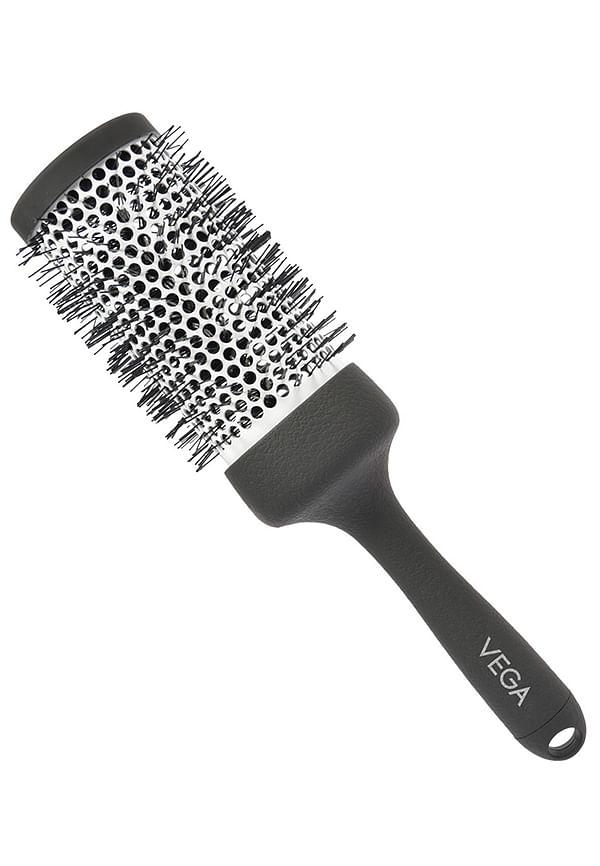
Hot Curl Brushfor Hair Styling, Drying, Healthy Hair and Add Volume, Large (H2-PRL)
Conditioner is your hair's best friend, but only if you use it right. Apply it from your mid-lengths to your ends—these are the oldest parts of your hair and need the most moisture. Avoid the roots unless you have very dry or chemically-treated hair.
Let the conditioner sit for 2-3 minutes to allow proper penetration. Use this time for other shower tasks. When rinsing, use lukewarm water to help seal the hair cuticles and lock in moisture.
How you dry your hair sets the stage for everything else. Ditch the rough towel rubbing—it causes friction and breakage. Instead, gently squeeze out excess water with a microfiber towel or even a cotton t-shirt.
If you're using heat tools, apply a heat protectant before styling. This creates a barrier between your hair and the high temperatures. Leave-in treatments can provide ongoing moisture and protection throughout the day.
A daily hair care plan is just the beginning. Your hair needs deeper attention on a weekly and monthly basis to stay truly healthy.
Once a week, give your hair some extra love with a deep treatment. Hair masks can be hydrating (for dry, brittle hair) or protein-based (for damaged, over-processed hair). The key is knowing which one your hair needs—too much protein can make hair stiff and brittle, while too much moisture can make it limp and lifeless.
Scalp care is equally important. A weekly scalp massage with oil (like coconut, jojoba, or argan) can improve circulation and provide deep nourishment. Some people benefit from gentle scalp exfoliation to remove buildup and dead skin cells.
Every month, take a step back and assess how your routine is working. Are you seeing the results you want? Has your hair's condition changed? Seasonal shifts, hormonal changes, stress levels, and even new medications can all affect your hair's needs.
This is also a good time to clarify your hair with a deep-cleansing shampoo to remove any product buildup that regular shampoo might miss.
While the basic framework remains the same, how you establish your hair regimen depends heavily on your specific hair type and concerns.
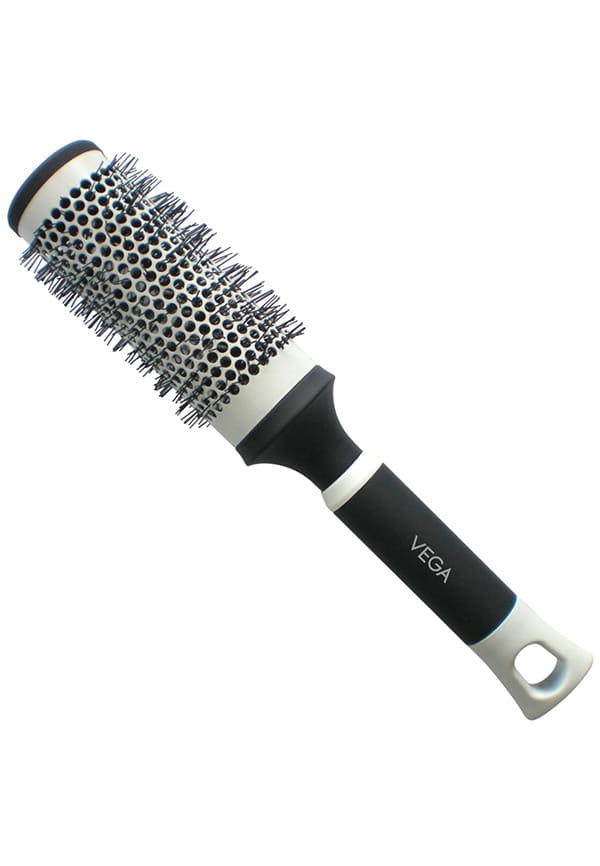
Hot Curl Hair Brushfor Hair Styling, Drying, Healthy Hair and Add Volume Big (H1-PR B)
Fine hair needs volume and body without being weighed down. Your morning routine might include a volumizing mousse applied to damp hair, followed by blow-drying with a round brush to create lift at the roots. Avoid heavy oils and creams that can make fine hair look greasy.
In the evening, use a silk pillowcase to reduce friction and prevent breakage. Gentle detangling with a wide-tooth comb is essential—fine hair breaks easily when wet.
Thick, coarse hair is all about moisture and manageability. Your routine should focus on intensive hydration—think rich conditioners, leave-in treatments, and nourishing oils. Detangling is crucial and should be done with patience, starting from the ends and working your way up.
Heat protection is non-negotiable if you style your hair, as thick hair often requires higher temperatures to achieve desired results.
Curly and coily hair types have unique needs that traditional hair advice often ignores. Co-washing (washing with conditioner only) might work better than regular shampooing for some curl types. The "plopping" technique—wrapping wet curls in a t-shirt—can help define curls without causing frizz.
Between wash days, refresh your curls with a spray bottle containing water and a small amount of leave-in conditioner. Protective styling can help minimise manipulation and reduce breakage.
Consistency is key when building any healthy hair routine. Create a weekly schedule that includes wash days, treatment days, and rest days. Some people prefer to do intensive treatments on weekends when they have more time, while others like to spread things out throughout the week.
Time management is crucial for maintaining your routine long-term. Have quick options for busy days—dry shampoo, leave-in treatments that don't require rinsing, and simple protective styles that take minutes to create.
Organise your products so everything is easily accessible. There's nothing worse than skipping your routine because you can't find what you need. Consider habit stacking—connecting your hair care routine to something you already do consistently, like brushing your teeth or having your morning coffee.
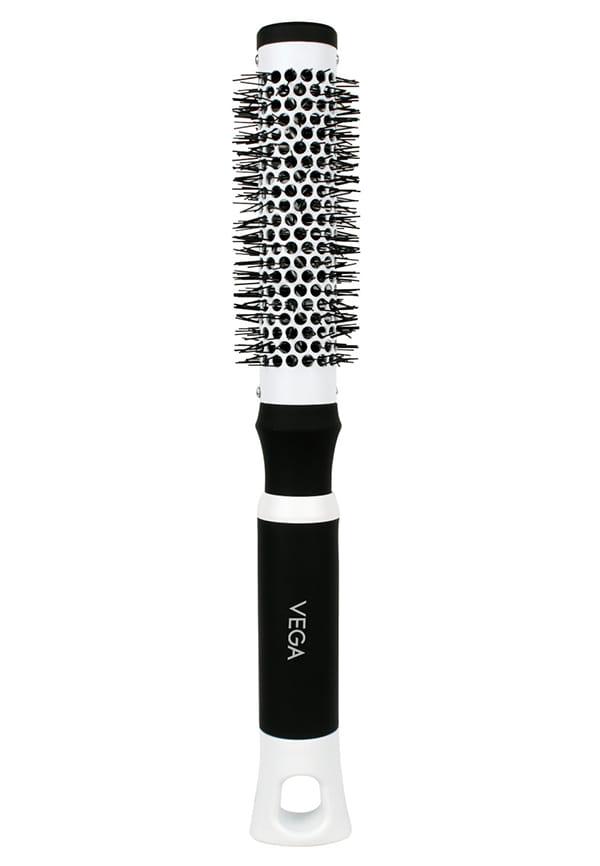
Hot Curl Hair Brushfor Hair Styling, Drying, Healthy Hair and Add Volume, Small (H1-PR S)
Most people start noticing improvements in hair texture and manageability within 2-4 weeks of starting a new routine. However, significant changes like increased length or thickness can take 2-3 months to become apparent, as this is roughly one full hair growth cycle.
Absolutely. While professional products can be beneficial, many drugstore and at-home options work brilliantly. The key is choosing products suited to your specific hair type and concerns, regardless of price point.
Your basic routine can stay consistent, but you might need to make seasonal adjustments or changes based on life circumstances. For example, you might need more moisture in winter or different products if you move to a new climate.
A hair growth routine focuses on scalp health, circulation, and creating optimal conditions for new hair growth. A maintenance routine is about keeping existing hair healthy and preventing damage. Most people benefit from a combination of both approaches.
Signs of a successful routine include easier detangling, less breakage, improved shine, better manageability, and overall healthier-looking hair. Your hair should feel stronger and look more vibrant over time.
Hair care is more about hair type and scalp condition than gender. Men and women with similar hair types can often use the same products and techniques, though styling preferences might differ.
Building a hair routine that actually works isn't about following the latest trends or using the most expensive products. It's about understanding your unique hair needs and creating sustainable habits that fit your lifestyle. Remember, consistency beats perfection every time—a simple routine you stick to will always outperform a complicated one you abandon after a week.
Start small, be patient with the process, and don't be afraid to adjust as you learn what works for your hair. Every head of hair is different, and what works for your friend might not work for you—and that's perfectly normal.
Not sure which products might work best for your hair type? Smytten offers trial-size versions of many haircare products from trusted brands—a smart way to test different formulas before committing to full-size bottles. After all, building the perfect routine is all about finding what truly works for you.
