How to Boost Volume for Fine, Thin Hair Naturally

How to Boost Volume for Fine, Thin Hair Naturally
Published Date - 19 January 2026
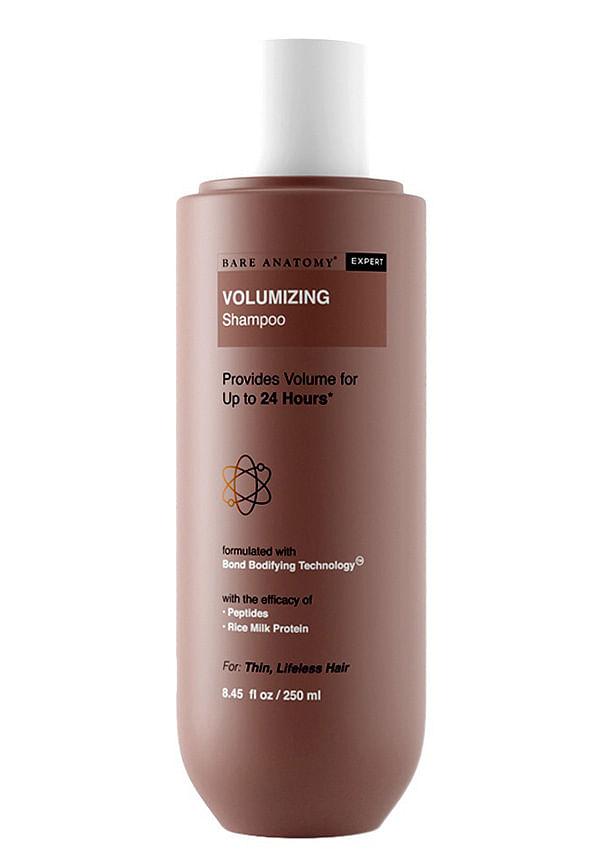
Expert Volumizing Hair Shampoo For Thicker, Fuller And Healthy Hair250 ml

Bare Anatomy

Expert Volumizing Hair Shampoo For Thicker, Fuller And Healthy Hair

59517 % OFF
494
Let's be real—dealing with fine thin hair can feel like a daily battle against gravity. You wash it, style it, and by lunchtime, it's flat against your scalp again. If you've been searching for thin hair solutions that actually work without breaking the bank or damaging your strands further, you're in the right place. Fine hair care isn't about fighting your natural texture; it's about working with it smartly. From the best shampoo for fine hair to volumizing hair tips that create lasting lift, we'll explore proven strategies that transform limp locks into bouncy, fuller-looking hair. Ready to discover hair volume boosters that don't require a salon visit? Let's dive in.

Understanding Fine, Thin Hair: Why Your Current Routine Isn't Working

First things first—let's clear up the confusion between fine and thin hair because they're not the same thing. Fine hair refers to the actual diameter of each strand, whilst thin hair describes the density or number of strands on your head. You can have fine hair that's dense (lots of thin strands) or thick hair that's sparse (fewer but thicker strands). Most people dealing with fine thin hair have both: strands that are narrow in diameter and fewer of them overall. This combination creates unique challenges that standard haircare routines often make worse. Heavy conditioners weigh down fine strands, whilst products designed for thick hair can overwhelm your delicate texture. Your hair might look greasy faster because oils travel down fine strands more easily, yet it also breaks more readily because each strand is fragile.

Signs You're Dealing with Fine Thin Hair

Your scalp shows through easily, especially when your hair is wet or under bright lights. Individual strands feel silky but fragile between your fingers. Hair ties slip out frequently because there isn't enough bulk to hold them. Your hair loses volume within hours of styling, no matter what products you use.

Why Traditional Hair Care Falls Short

Most haircare products are formulated for average hair thickness and density. Heavy moisturising shampoos and rich conditioners that work brilliantly on coarse or thick hair will leave fine strands limp and lifeless. Even "volumising" products can backfire if they contain heavy silicones or oils that accumulate on fine strands.

The Best Shampoo Strategy for Fine Hair Volume

Choosing the right cleansing routine is crucial for fine hair care success. Your scalp produces the same amount of oil regardless of hair thickness, but with fewer strands to distribute it through, fine hair appears greasy much faster. This means you'll likely need to wash more frequently than people with thicker hair—and that's perfectly fine. Look for volumising shampoos with lightweight formulas that cleanse without stripping. Ingredients like rice protein, biotin, and panthenol can temporarily plump hair strands without weighing them down. Avoid anything labelled "moisturising," "smoothing," or "for dry hair" as these typically contain heavier ingredients.

Ingredient Checklist for Fine Hair Products
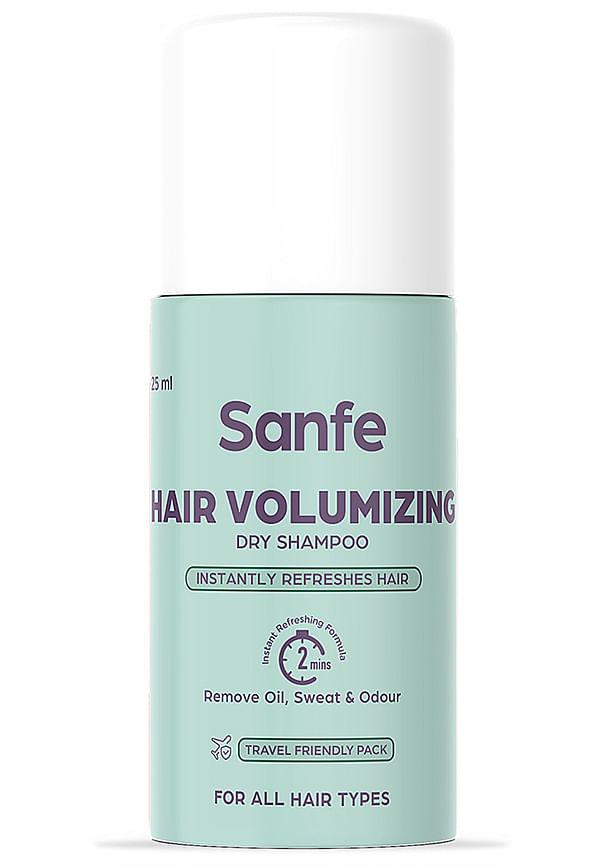
Hair Volumizing Dry Shampoo25 ml

Sanfe

Hair Volumizing Dry Shampoo

19910 % OFF
179
Seek out lightweight proteins that temporarily thicken strands. Hydrolysed wheat protein and keratin can add body without buildup. Volumising polymers create lift at the roots. Avoid heavy oils like coconut or argan oil in leave-in products, though they're fine in rinse-out treatments.

The Fine Hair Washing Method

Shampoo your scalp thoroughly, focusing on the roots where oil accumulates. Use conditioner sparingly and only on the mid-lengths to ends—never on your scalp or roots. Rinse with cool water to help hair cuticles lie flat and reflect more light, creating the illusion of thickness.

Proven Volumizing Hair Tips That Actually Work

The secret to creating volume in fine hair lies in strategic styling techniques that work with your hair's natural tendencies rather than against them. These thin hair solutions focus on creating lift at the roots whilst adding texture throughout the lengths. Start with damp hair and apply a lightweight volumising mousse from roots to ends. Flip your head upside down whilst blow-drying, using a round brush to lift sections away from your scalp. The key is to dry your hair in the opposite direction of how it naturally falls—this creates lasting lift at the roots.

Heat-Free Volume Methods

Not every day requires heat styling. Try braiding damp hair before bed for natural waves and texture. Velcro rollers on dry hair can add volume without heat damage. Even something as simple as changing your parting can create the illusion of more volume.

Fine Hair Hairstyles That Add Fullness

Layered cuts work brilliantly for fine hair because they remove weight whilst creating movement. Blunt cuts can make thin hair appear even thinner, whilst strategic layering adds the illusion of density. Consider shorter styles—shoulder-length or above—as longer hair tends to pull itself down with its own weight.

Scalp Health: The Foundation of Hair Density Solutions

Healthy hair starts with a healthy scalp, and this is especially crucial when dealing with fine thin hair. A congested or inflamed scalp can't support optimal hair growth, making already thin hair appear even sparser. Regular scalp massage improves blood circulation to hair follicles, potentially supporting better hair growth. Use your fingertips (not nails) to gently massage your scalp for a few minutes before washing. This simple technique can make a noticeable difference in how full your hair appears over time.

Scalp Exfoliation for Fine Hair

Just like facial skin, your scalp benefits from gentle exfoliation to remove dead skin cells and product buildup. Use a scalp scrub once weekly or try dry brushing before washing. This helps create an optimal environment for hair growth whilst ensuring your styling products can work effectively.

Natural Scalp Treatments

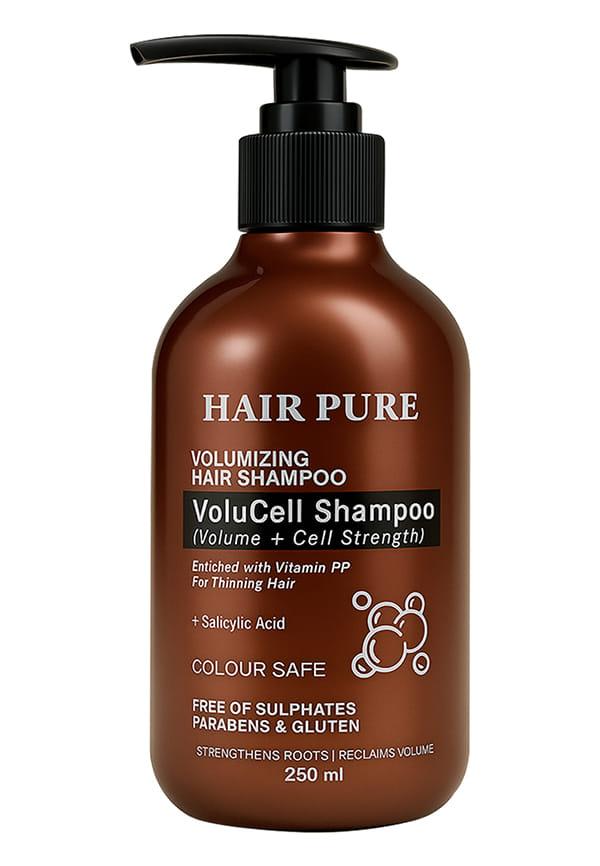
Volumizing VoluCell Shampoo250ml

Hair Pure

Volumizing VoluCell Shampoo

399
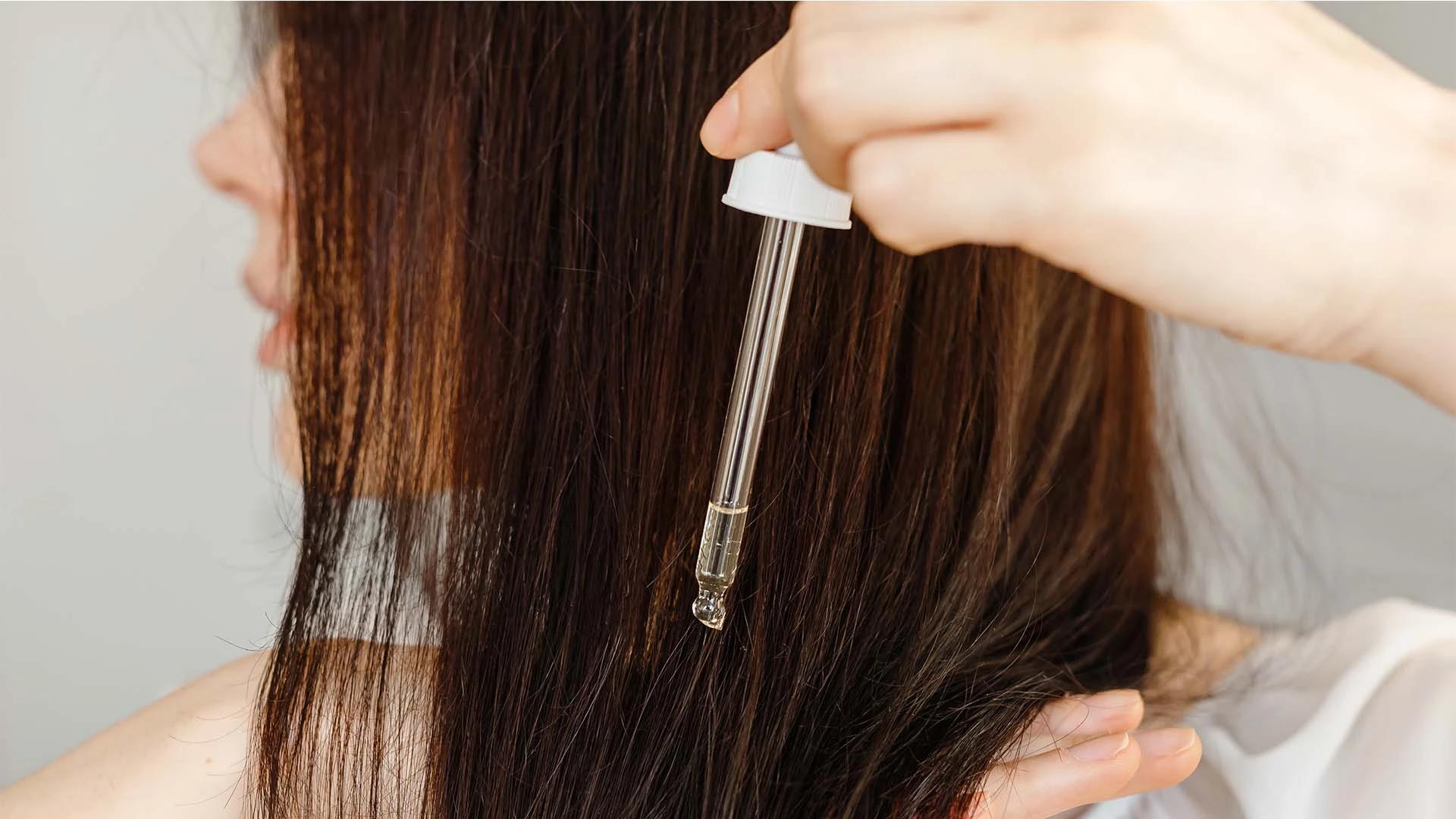
Diluted tea tree oil can help maintain scalp health without weighing down fine hair. Rosemary oil mixed with a carrier oil and massaged into the scalp may support circulation. Always patch test first and avoid getting oils on your hair lengths if you're prone to greasiness.

Hair Texture Improvement Through Lifestyle Changes

What you put into your body directly affects what grows out of your scalp. Hair thickening products can only do so much if you're not supporting hair health from within. Protein is crucial since hair is primarily made of keratin, a protein structure. Include lean meats, fish, eggs, legumes, and nuts in your diet. Iron deficiency is linked to hair thinning, so ensure you're getting enough through leafy greens, lean red meat, or supplements if recommended by your doctor. Biotin, whilst popular in hair supplements, is rarely deficient in people with balanced diets.

Hydration and Hair Volume

Dehydrated hair appears flatter and more lifeless. Drinking adequate water helps maintain hair's natural moisture balance. However, don't expect overnight changes—hair grows slowly, and improvements in texture typically take several months to become noticeable.

Stress and Sleep Impact

Chronic stress can push hair follicles into a resting phase, leading to increased shedding and thinner-looking hair. Quality sleep supports the body's repair processes, including hair growth. Managing stress through exercise, meditation, or other healthy outlets can support overall hair health.

Natural Hair Volume Boosters You Can Try at Home

DIY treatments can complement your regular routine without the expense of salon visits. Rice water, rich in amino acids and vitamins, can temporarily plump hair strands. Rinse your hair with cooled rice water after shampooing, leave for a few minutes, then rinse thoroughly. Egg white masks can add temporary protein to hair strands, making them appear thicker. Mix one egg white with a tablespoon of water, apply to damp hair, leave for 10 minutes, then rinse with cool water. The protein temporarily fills in microscopic gaps in the hair cuticle.

When to Trim for Maximum Thickness

Regular trims prevent split ends from travelling up the hair shaft, which can make fine hair appear even thinner. Aim for a trim every 6-8 weeks, removing just enough to maintain healthy ends whilst preserving length.

Realistic Expectations

Natural methods can improve the appearance and health of fine hair, but they won't dramatically change your hair's fundamental structure. The goal is to maximise what you have whilst maintaining hair health for the long term. Exploring different hair volume boosters doesn't have to mean committing to full-size products that might not work for your unique hair type. Smytten's curated trial packs let you test volumising shampoos, lightweight conditioners, and styling products from trusted brands before investing in full sizes. With over 1,500 brands available and the ability to try up to 8 minis for just ₹249, you can discover your perfect fine hair care routine without the guesswork.

Frequently Asked Questions

Daily Volumizing Shampoo200 ml

Ayouthveda

Daily Volumizing Shampoo

40022 % OFF
312

What's the difference between fine and thin hair?

Fine hair refers to the diameter of individual strands, whilst thin hair describes the density or number of strands on your head. You can have fine hair that's dense or thin hair with thick individual strands.

How often should I wash fine hair?

Fine hair typically needs washing every 1-2 days because oils travel down the strands more quickly, making hair appear greasy faster than thicker hair types.

Can I use heavy conditioners on fine hair?

Heavy conditioners will weigh down fine hair. Instead, use lightweight formulas and apply only to the mid-lengths and ends, avoiding the scalp and roots entirely.

Do volumising products really work for fine hair?

Yes, but choose lightweight formulas with volumising polymers rather than heavy creams or oils. Mousses and root lift sprays tend to work better than heavy styling creams.

Will cutting my hair short make it look thicker?

Shorter styles often appear fuller because there's less weight pulling the hair down. Layered cuts can also create the illusion of more volume and movement.

How long does it take to see improvements in hair thickness?

Hair grows approximately half an inch per month, so changes from improved nutrition or scalp health typically take 3-6 months to become noticeable. Styling changes show immediate results.

Final Thoughts

Dealing with fine thin hair doesn't mean you're stuck with limp, lifeless locks forever. The key lies in understanding your hair's unique needs and working with its natural characteristics rather than against them. From choosing the right products to mastering volumising techniques, small changes in your routine can create dramatically fuller-looking hair. Remember that consistency matters more than perfection. It's better to stick with a simple routine that works than to constantly switch between products hoping for a miracle cure. Your hair's appearance can improve significantly with the right approach, patience, and realistic expectations. Whether you're experimenting with new styling techniques or searching for the perfect volumising shampoo, the journey to fuller-looking hair is about finding what works specifically for you. After all, why settle for flat hair when you can discover the techniques and products that help you #TryItAll?
Sangria Experience Logo
Document