How to Boost Natural Hair Growth Effectively

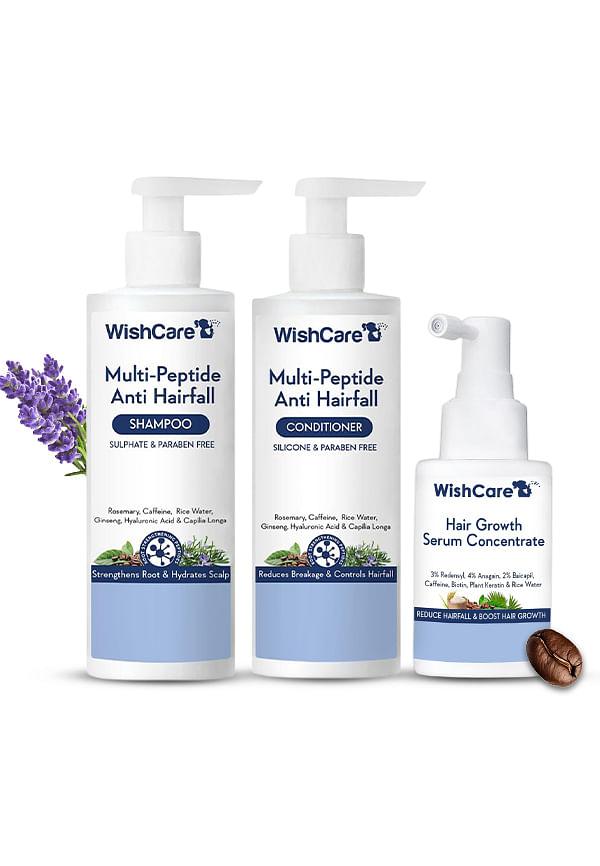
Growth Power Pack | 3 Step Growth Solution
Let's be real—we've all been there. Staring at our reflection, willing our hair to grow faster, trying every hack we've seen on social media. The truth is, natural hair growth tips actually work, but they require patience and consistency. Your hair grows about half an inch per month naturally, and while you can't magically speed that up overnight, you can create the perfect environment for healthy, strong hair growth. The key lies in understanding what your hair actually needs: proper nutrition, gentle care, and a bit of science-backed strategy. Ready to ditch the quick fixes and build a routine that actually delivers? Let's dive into the methods that genuinely work.
Before jumping into remedies, it helps to understand what's actually happening on your scalp. Your hair follows a specific growth cycle, and working with this natural process—rather than against it—makes all the difference.
Your hair goes through three distinct phases: anagen (growth), catagen (transition), and telogen (rest). The anagen phase lasts 2-7 years and determines your hair's maximum length. During catagen, which lasts about 2-3 weeks, growth stops and the follicle shrinks. Finally, telogen lasts around 3 months before the hair falls out and a new one begins growing. Understanding this cycle helps set realistic expectations—visible results from any hair growth routine typically take 8-12 weeks.
Your hair is roughly 90% protein, specifically keratin. This is why nutrition plays such a massive role in hair health. When your body lacks the building blocks it needs, your hair becomes weak, brittle, and prone to breakage. The connection between scalp health and hair growth is equally important—a healthy scalp provides the foundation for strong hair follicles.
What you eat directly impacts how your hair grows. Think of nutrition as the foundation of any effective hair care routine—without it, even the best topical treatments won't deliver their full potential.
Since hair is primarily protein, getting enough in your diet is non-negotiable. Aim for foods like eggs, lentils, legumes, lean meats, and fish. If you're plant-based, quinoa, hemp seeds, and spirulina are excellent alternatives. Most adults need about 0.8 grams of protein per kilogram of body weight daily, but if you're actively trying to improve hair growth, slightly increasing this can help.
Vitamin A helps produce sebum, which keeps your scalp moisturised. Vitamin C aids iron absorption and collagen production. Vitamin D plays a role in creating new hair follicles, while vitamin E acts as an antioxidant. Iron deficiency is one of the most common causes of hair loss, especially in women. Zinc supports hair tissue growth and repair, whilst biotin (though often overhyped) does contribute to keratin production.
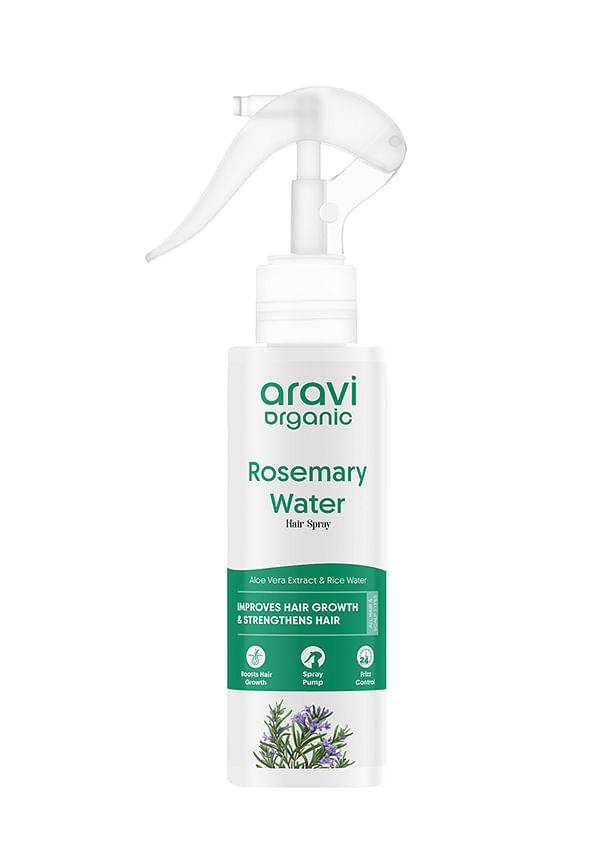
Rosemary Water Hair Spray For Hair Growth
Dehydration affects every part of your body, including your hair follicles. Aim for 8-10 glasses of water daily, and remember that water-rich foods like cucumbers, watermelon, and leafy greens contribute to your hydration levels. When you're properly hydrated, your scalp can better transport nutrients to hair follicles.
Your scalp is where the magic happens, and giving it some attention can significantly impact how to grow hair faster naturally. These techniques cost nothing but time and can be surprisingly effective.
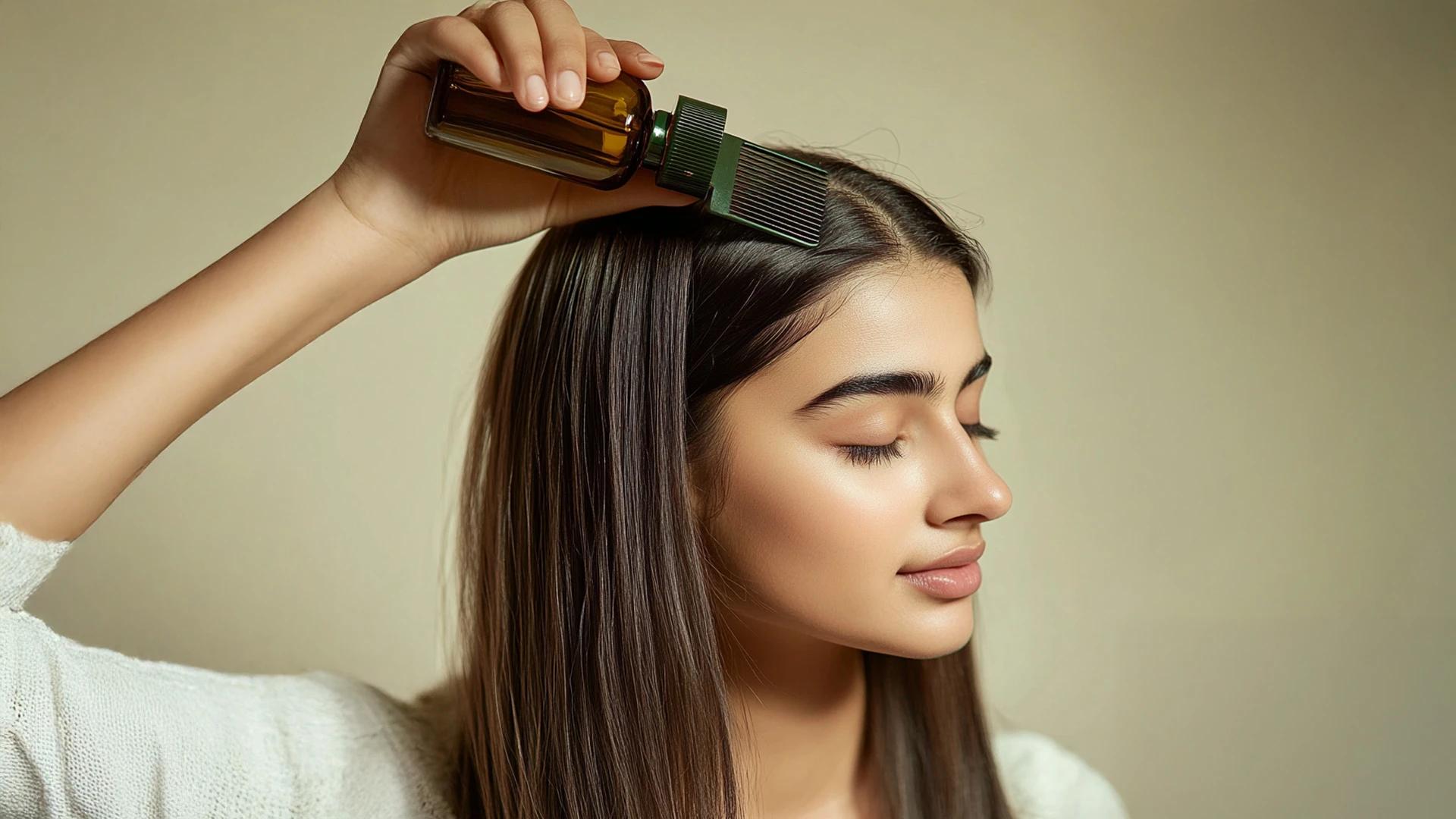
Spend 5-10 minutes daily massaging your scalp with your fingertips (not nails). Use gentle, circular motions, working from your hairline to the crown. This increases blood flow to hair follicles, potentially stimulating growth. Studies suggest regular scalp massage can increase hair thickness over time. The key is consistency—make it part of your evening routine while watching TV or before bed.
Rosemary oil has shown promising results in studies, with some research suggesting it's as effective as certain hair growth treatments. Mix a few drops with a carrier oil like coconut or jojoba before applying. Coconut oil penetrates the hair shaft better than most oils, whilst castor oil is rich in ricinoleic acid, which may improve circulation. Always dilute essential oils and do a patch test first.
Onion juice might smell terrible, but it's rich in sulphur, which supports collagen production. Blend an onion, strain the juice, and apply to your scalp for 15 minutes before washing. Aloe vera soothes the scalp and contains enzymes that may promote healthy hair growth. Fenugreek seeds, when soaked overnight and ground into a paste, create a protein-rich mask that can strengthen hair and prevent hair breakage.
Sometimes, the best way to achieve longer hair is to focus on preventing damage rather than just promoting growth. Protecting what you have is just as important as encouraging new growth.
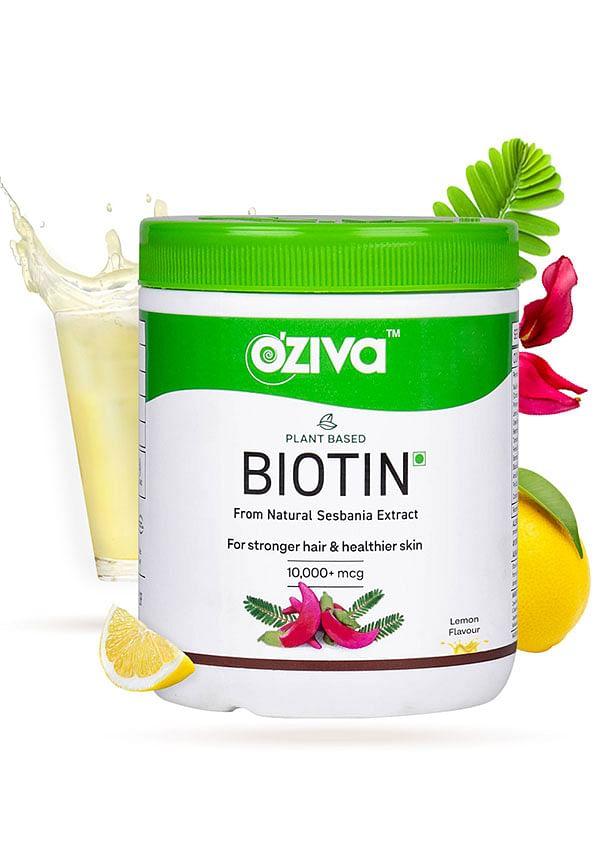
Plant Based Biotin for hair growth 10000mcg+ with Amla - Biotin Lemon
Heat styling is one of the biggest culprits behind hair damage. If you must use heat tools, always apply a heat protectant and keep temperatures below 180°C. Air-drying when possible gives your hair a break. Chemical treatments like bleaching and perming can severely weaken hair structure, so space them out and consider gentler alternatives. When detangling, start from the ends and work your way up to prevent unnecessary breakage.
Tight ponytails, braids, and buns can cause traction alopecia over time. Vary your hairstyles and avoid pulling hair too tightly. Silk or satin scrunchies are gentler than elastic bands. Protective styles like loose braids or buns can actually help retain length by keeping hair ends tucked away from friction.
Switching to a satin or silk pillowcase reduces friction while you sleep, preventing tangles and breakage. Alternatively, wrap your hair in a silk scarf or use a satin bonnet. For longer hair, try a loose braid or a high, loose bun to prevent tangling. These small changes can make a significant difference in hair health over time.
Your overall health directly impacts your hair's ability to grow strong and healthy. These lifestyle factors might seem unrelated to hair, but they play a crucial role in natural hair care.
Chronic stress can push hair follicles into the telogen (resting) phase prematurely, leading to increased shedding. Regular exercise, yoga, and meditation can help manage stress levels. Even 10 minutes of deep breathing daily can make a difference. Find stress-relief methods that work for you—whether that's reading, walking, or listening to music.
Your body repairs and regenerates during sleep, including hair growth. Aim for 7-8 hours of quality sleep nightly. Growth hormone, which supports hair growth, is primarily released during deep sleep phases. Create a sleep-friendly environment: cool, dark, and quiet. Establishing a consistent bedtime routine can improve sleep quality significantly.
Now that you understand the science and techniques, it's time to create a routine that fits your lifestyle. The best hair growth routine is one you'll actually stick to consistently.
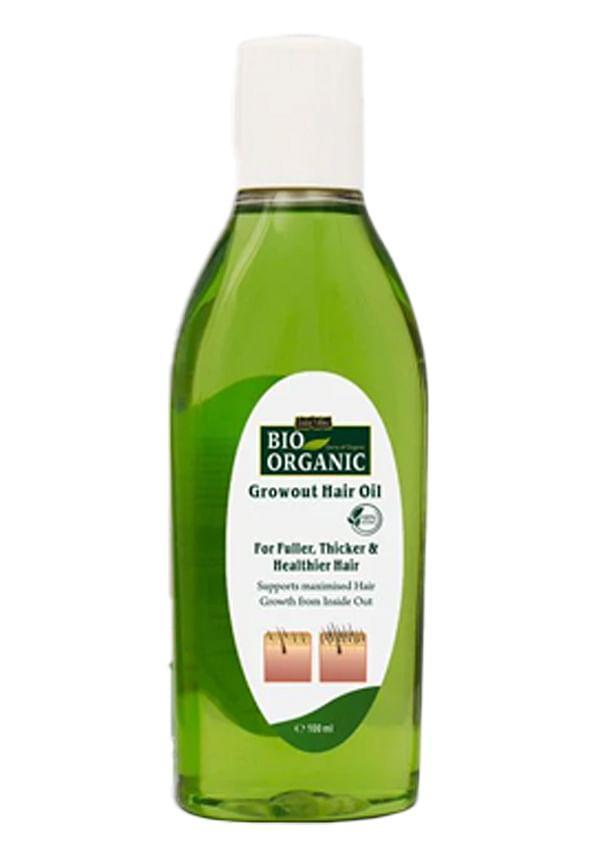
Bio Organic Growout Hair Oil
Daily practices should include gentle scalp massage, proper nutrition, and adequate hydration. Weekly treatments might include a nourishing hair mask, deep conditioning, or an oil treatment. Monthly assessments help you track progress and adjust your routine as needed. Remember, consistency trumps intensity—a simple routine followed religiously beats an elaborate one you abandon after a week.
Take photos from the same angles in similar lighting conditions monthly. Measure from a consistent point, like your hairline to the longest point. Look for improvements in hair thickness, shine, and overall health—not just length. Sometimes the first signs of a successful routine are stronger, less breakage-prone hair rather than dramatic length increases. When exploring hair growth products to complement your natural routine, platforms like Smytten make it easier to discover what works for your specific hair type. With trial packs from trusted haircare brands, you can test different products without committing to full sizes, making your hair growth journey both affordable and effective.
Combine scalp massage, proper nutrition, stress management, and protective styling. Focus on creating optimal conditions for growth rather than forcing speed. Consistency with these natural hair growth tips typically shows results within 8-12 weeks.
Natural methods can improve hair density and health, but true regrowth depends on the underlying cause of hair loss. Nutritional deficiencies, stress, and damage respond well to natural approaches. Genetic hair loss may require professional intervention alongside natural methods.
Prioritise protein-rich nutrition, daily scalp massage, gentle handling, adequate sleep, and stress management. These five foundations support both hair growth and overall hair health most effectively.
Most people notice improvements in hair texture and strength within 4-6 weeks. Visible length increases typically become apparent after 8-12 weeks of consistent care, since hair grows approximately half an inch per month naturally.
Natural hair growth isn't about miracle cures or overnight transformations—it's about creating the right conditions for your hair to thrive. The most effective approach combines proper nutrition, gentle care, scalp health, and patience. Remember, healthy hair growth is a marathon, not a sprint. Start with one or two changes rather than overhauling your entire routine overnight. Whether it's adding a daily scalp massage, improving your diet, or switching to a silk pillowcase, small consistent changes compound over time. Your hair will thank you for the gentle, sustained care, and you'll likely notice improvements in overall hair health long before you see dramatic length increases. The journey to healthier, longer hair is deeply personal, and what works for others might need tweaking for your specific needs. Stay consistent, be patient with the process, and celebrate the small wins along the way. After all, the best hair growth routine is one that becomes a natural part of your self-care ritual.
