How to Boost Hair Health with the Right Diet


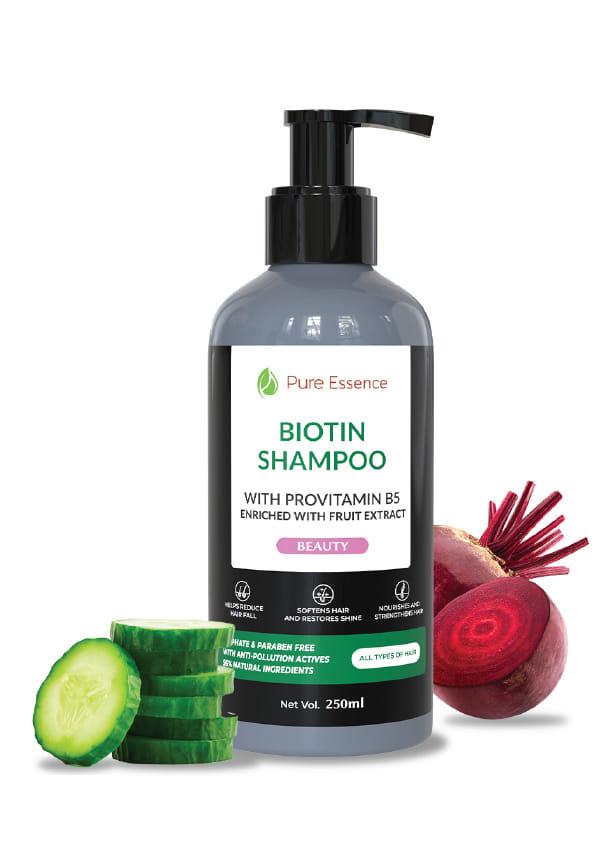
Biotin Shampoo | Softens Hair | Nourishes Scalp | Lowers Hairfall
Positive Product Review
 5
5“Good product, thank you for the support”
Positive Product Experience
5“it's better experience everything in this product is soo nice good worth it ❤️”
Let's be real—we've all been there. You're scrolling through Instagram, seeing those gorgeous hair transformations, and wondering why your locks aren't cooperating. Here's the thing: while the right shampoo and conditioner matter, the real magic happens from within. Your diet for healthy hair is basically the foundation that determines whether your strands will be strong, shiny, and full of life or dull and prone to breakage. Think of it this way—your hair follicles are like tiny factories that need the right raw materials to produce quality results. When you feed your body the right nutrients, you're essentially giving those factories everything they need to create your best hair yet.
Your hair follicles are some of the most active cells in your body, which means they're constantly hungry for nutrients. Every strand of hair you see is essentially a protein structure called keratin, and creating this requires a steady supply of amino acids, vitamins, and minerals from your bloodstream. When you follow a proper hair growth diet, you're ensuring these follicles get everything they need to function at their best.
The hair growth cycle has three phases: anagen (growth), catagen (transition), and telogen (rest). During the anagen phase, which lasts 2-7 years, your follicles are working overtime to produce new hair cells. This is when nutrition for strong hair becomes absolutely crucial. If your body is lacking essential nutrients during this phase, it can lead to weaker hair structure, slower growth, or even premature entry into the resting phase.
Research shows that nutritional deficiencies can disrupt this cycle, leading to hair thinning, increased breakage, and noticeable hair loss. Iron deficiency, for instance, is one of the most common causes of hair fall in women. Similarly, inadequate protein intake can result in brittle, weak hair that breaks easily. The good news? When you start eating the right foods, you can typically expect to see improvements in hair texture and strength within 3-4 months, with significant growth changes visible after 6 months.
Understanding which vitamins for hair are most important can help you make smarter food choices. Your hair needs a cocktail of nutrients to thrive, and each one plays a specific role in keeping your strands healthy and strong.
Since hair is about 95% protein, getting enough of this macronutrient is non-negotiable for healthy hair growth. Your body needs approximately 0.8 grams of protein per kilogram of body weight daily, but if you're dealing with hair loss or want to boost growth, you might benefit from slightly more.
Best protein sources include:
Eggs (complete protein plus biotin)
Fish like salmon and mackerel
Legumes and lentils
Nuts and seeds
Greek yoghurt
Biotin works alongside protein to strengthen hair structure and prevent breakage. While deficiency is rare, ensuring adequate intake through eggs, nuts, and seeds can support optimal hair health.
Iron deficiency is one of the leading causes of hair fall, especially in women. Your hair follicles need iron to produce healthy red blood cells that carry oxygen to the scalp. Without enough iron, follicles can't function properly, leading to thinning and loss.
Vitamin C enhances iron absorption and is essential for collagen production, which strengthens hair structure. Pairing iron-rich foods with vitamin C sources maximises absorption—think spinach with lemon juice or lentils with tomatoes.
These nutrients work together to maintain scalp health and add natural shine to your hair. Omega-3s have anti-inflammatory properties that can help with scalp conditions, while vitamin D supports the creation of new hair follicles.
Fatty fish like salmon, sardines, and mackerel are excellent sources of both. For vegetarians, flaxseeds, chia seeds, and walnuts provide omega-3s, while fortified foods or supplements can help with vitamin D.
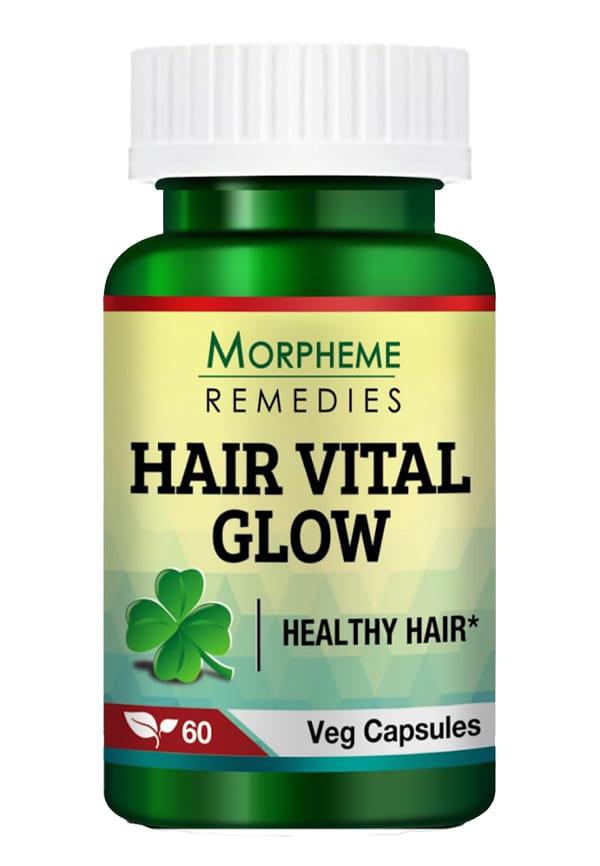
Hair Vital Glow - For Hair Health
These nutrients act as antioxidants, protecting hair follicles from damage and supporting repair mechanisms. Zinc is particularly important for hair tissue growth and repair, while selenium helps preserve hair elasticity.
However, be careful with supplementation—too much zinc can actually cause hair loss. It's better to get these nutrients from foods for hair health like pumpkin seeds, Brazil nuts, and sunflower seeds.
Now that you know which nutrients matter, let's talk about the actual healthy hair foods that should be on your plate regularly. These aren't exotic superfoods—they're accessible ingredients that can easily fit into your daily meals.
Eggs are basically nature's hair supplement. They contain high-quality protein, biotin, and choline, which supports scalp health. Plus, they're versatile enough to eat any time of day.
Fatty fish like salmon, mackerel, and sardines provide omega-3 fatty acids that keep your scalp healthy and add natural shine to your hair. Aim for 2-3 servings per week.
Greek yoghurt offers protein plus probiotics that support overall health, including nutrient absorption. The protein helps build strong hair structure while probiotics may improve scalp health.
Leafy greens like spinach and kale are iron powerhouses. They also contain folate, which helps create red blood cells that carry oxygen to hair follicles.
Sweet potatoes are rich in beta-carotene, which your body converts to vitamin A. This vitamin helps produce sebum, the natural oil that keeps your scalp moisturised.
Avocados provide healthy fats and vitamin E, which protect hair from environmental damage and add natural moisture.
Berries are packed with antioxidants and vitamin C, which protect hair follicles from damage and support collagen production for stronger hair structure.
Nuts and seeds provide zinc, selenium, and healthy fats. Almonds, walnuts, pumpkin seeds, and sunflower seeds are particularly beneficial.
Citrus fruits boost vitamin C levels, which enhances iron absorption and supports collagen production for stronger, more resilient hair.
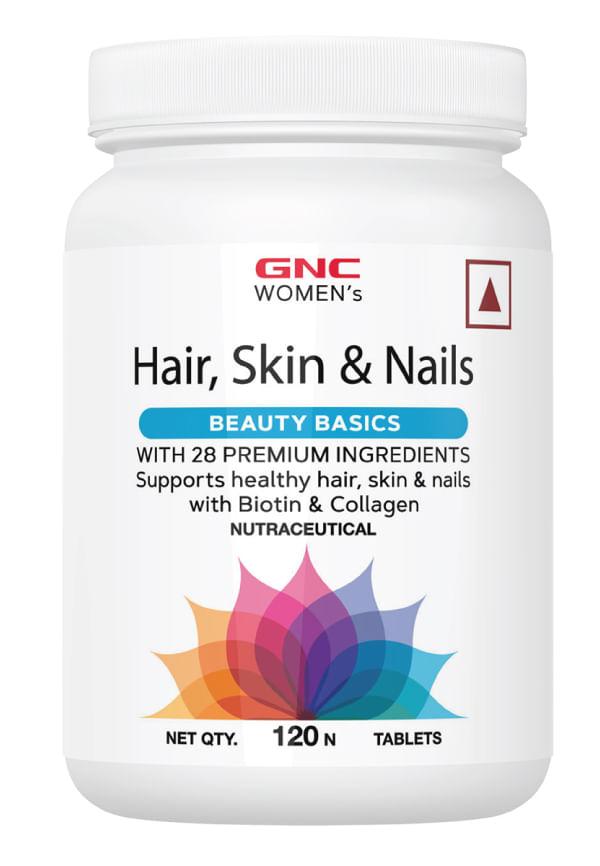
Women's Hair, Skin & Nails - For Stronger Hair, Clearer Skin, and Healthier Nails
Good Daily Vitamin
4“decent product for daily vitamin intake”
Amla (Indian gooseberry) is incredibly rich in vitamin C and antioxidants. It's been used traditionally for hair health and can be consumed fresh, as juice, or in powder form.
Curry leaves contain amino acids and beta-carotene that may support hair growth. They're easy to add to dal, rice, or vegetable dishes.
Lentils and beans provide plant-based iron, protein, and zinc. They're budget-friendly options that work well in Indian cuisine.
Building a sustainable haircare diet doesn't mean overhauling your entire eating routine overnight. Instead, focus on incorporating hair-healthy foods into meals you already enjoy. The key is consistency—your hair follicles need a steady supply of nutrients to function optimally.
Start your day with protein-rich options like eggs, Greek yoghurt with berries, or a smoothie with spinach and nuts. For lunch, combine iron-rich foods with vitamin C sources—think a spinach salad with citrus dressing or lentil curry with tomatoes. Dinner should include omega-3 rich fish or plant-based proteins with plenty of vegetables.
Between meals, reach for hair-healthy snacks like a handful of nuts, seeds with fruit, or Greek yoghurt with berries. These provide steady nutrient supply without blood sugar spikes that can affect hair health.
Stay hydrated throughout the day—dehydration can make hair brittle and prone to breakage. Aim for 8-10 glasses of water daily, and consider herbal teas like green tea, which provides antioxidants.
Prepare hair-healthy ingredients in advance. Cook a big batch of lentils, chop vegetables, and portion out nuts and seeds. This makes it easier to create nutritious meals even when you're short on time.
Consider batch-cooking salmon or preparing overnight oats with nuts and berries. Having these ready-to-eat options ensures you don't skip the nutrients your hair needs.
While focusing on what to eat is important, knowing what to limit can be equally beneficial for your hair loss nutrition goals. Certain foods can interfere with nutrient absorption or create inflammation that affects hair health.
Refined sugar and processed carbohydrates can cause blood sugar spikes that may affect hair growth cycles. They also don't provide the nutrients your hair needs, essentially taking up space that could be filled with more beneficial foods.
Excessive alcohol can interfere with nutrient absorption and dehydrate your body, affecting hair health. Similarly, too much caffeine can interfere with iron absorption if consumed with iron-rich meals.
High-mercury fish like king mackerel or shark should be limited, as mercury can accumulate and potentially affect hair health. Stick to lower-mercury options like salmon, sardines, and anchovies.
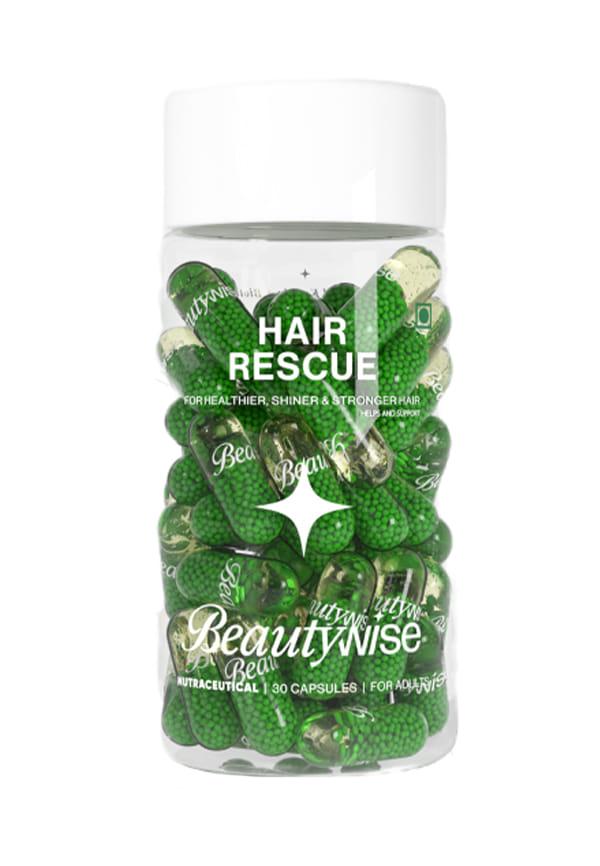
Hair Rescue, Hair Aminos, Vitamins, DHT Blocker for Hairfall Control & Growth
Good product, slow hair growth
4“good product but slow process of growth of hair”
Hair Improvement
5“my hair are improving day by day.”
Fried foods and those high in unhealthy fats can create inflammation that may affect scalp health. While you don't need to eliminate them completely, moderation is key.
Understanding the timeline for dietary changes to affect hair health helps set realistic expectations. Since hair grows slowly—about half an inch per month—patience is essential when implementing a best diet for hair approach.
Within the first month, you might notice improved hair texture and less breakage. After 2-3 months, new growth may appear stronger and shinier. Significant length and thickness improvements typically become visible after 6 months of consistent dietary changes.
Keep track of changes by taking photos and noting improvements in hair texture, shine, and manageability. Sometimes the changes are gradual enough that you might not notice them day-to-day, but photos can reveal significant progress.
Just like finding the right haircare products, discovering what works best for your hair health might take some experimentation. This is where platforms like Smytten come in handy—you can try different hair supplements and products in mini sizes before committing to full-size purchases, making it easier to find what truly works for your hair goals.
Diet can significantly improve hair health, especially if hair loss is related to nutritional deficiencies. However, genetic hair loss, hormonal changes, or medical conditions may require additional treatments. A proper diet for shiny hair and overall health is always beneficial, but it's best to consult a healthcare provider for persistent hair loss issues.
You might notice improved hair texture within 4-6 weeks, but significant growth and thickness changes typically take 3-6 months. Hair grows slowly, so patience is key when implementing nutritional changes for hair health.
Most people can get adequate nutrients from a well-balanced diet rich in healthy hair foods. However, supplements might be helpful if you have specific deficiencies, dietary restrictions, or increased needs. Always consult a healthcare provider before starting supplements.
Protein is fundamental since hair is primarily made of keratin, but iron, biotin, and omega-3 fatty acids are also crucial. Rather than focusing on one nutrient, aim for a balanced approach that includes all essential vitamins for hair health.
Yes, proper hydration supports overall hair health. Dehydrated hair can become brittle and prone to breakage. Aim for 8-10 glasses of water daily as part of your comprehensive hair health strategy.
Your hair health journey starts from within, and the right nutrition can make a remarkable difference in how your hair looks and feels. While it might take a few months to see dramatic changes, the improvements in texture, strength, and shine can be worth the wait. Remember, consistency is key—occasional hair-healthy meals won't create lasting change, but making these foods a regular part of your routine can transform your hair health.
The beauty of focusing on nutrition for hair health is that you're not just improving your strands—you're boosting your overall wellbeing too. These same nutrients that support strong, shiny hair also contribute to better skin, stronger nails, and improved energy levels.
As you explore what works best for your hair, consider that everyone's needs are different. What transforms your friend's hair might not have the same effect on yours, and that's completely normal. This is where having access to trial-sized products becomes invaluable. Smytten offers curated trial packs from over 1,500 trusted brands, letting you explore different haircare products alongside your nutritional changes. With over 25 million users and 100 million trial minis delivered, the platform makes it easy to discover what truly works for your unique hair needs without the commitment of full-size purchases. After all, why settle for 'maybe' when you can try it all and find your perfect hair health combination?
