How to Boost Hair Health Through Your Diet

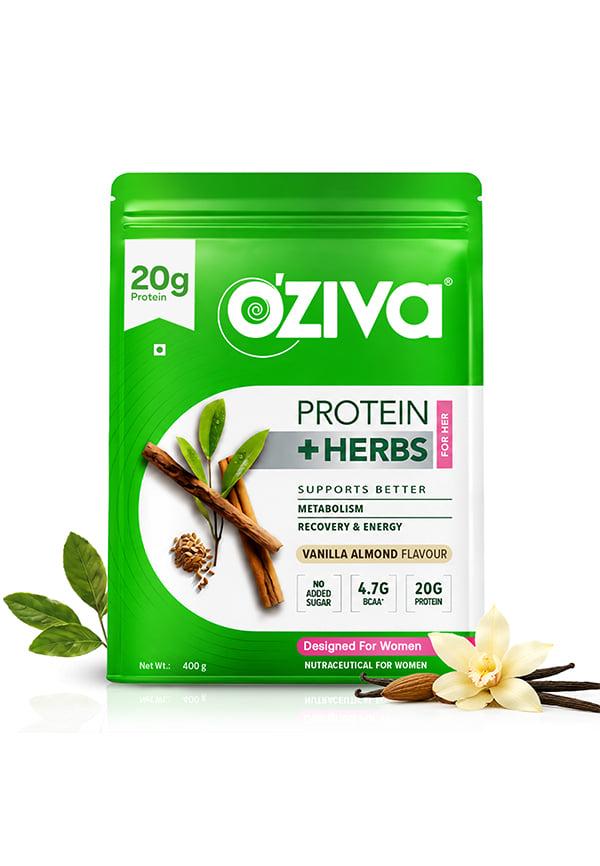
Protein & Herbs, Women for Better Metabolism, Skin & Hair - Vanilla Almond
Loved the Oziva Product
 4
4“very good product love itttttt oziva”
Loved the Oziva Product
4“very good product love itttttt oziva”
Loved the Oziva Product
4“very good product love itttttt oziva”
Let's be real—your hair is basically a reflection of what's happening inside your body. That gorgeous, glossy hair you see on your favourite influencer? It's not just down to expensive products or good genes. Your diet for healthy hair plays a massive role in how your locks look and feel. Think of your hair follicles as tiny factories that need the right raw materials to produce strong, shiny strands. When you're not feeding them properly, they go on strike, leaving you with dull, brittle, or thinning hair. The good news? You can totally turn things around with the right nutrition strategy.
Your hair is basically 90% protein, specifically a tough protein called keratin. This means that without adequate protein in your diet, your hair literally can't build itself properly. But it's not just about protein—your hair growth cycle depends on a complex orchestra of nutrients working together. Hair grows in three distinct phases: anagen (growth), catagen (transition), and telogen (rest). During the anagen phase, which lasts 2-7 years, your hair follicles are working overtime to produce new strands. This is when they need the most nutritional support.
Each hair strand starts deep in your scalp, where blood vessels deliver nutrients to the hair bulb. If your blood isn't carrying enough iron, vitamins, or protein, your hair follicles can't do their job properly. This is why crash diets often lead to hair loss—your body prioritises essential organs over hair growth when nutrients are scarce.
Protein forms the foundation of every hair strand. Without enough, your hair becomes weak and prone to breakage. Iron carries oxygen to your hair follicles—low iron levels are one of the most common causes of hair loss in women. Omega-3 fatty acids keep your scalp healthy and reduce inflammation that can interfere with hair growth. Biotin strengthens hair follicles from within, whilst vitamin C helps your body absorb iron and produces collagen for hair structure.
Building a hair growth diet doesn't mean you need to completely overhaul your eating habits overnight. Start by incorporating more of these powerhouse foods that specifically target hair health.
Eggs are basically nature's perfect hair food. They're packed with high-quality protein plus biotin, which directly strengthens hair follicles. Try having scrambled eggs with spinach for breakfast—you'll get protein plus iron in one go. Fatty fish like salmon and mackerel are brilliant for hair health. They provide complete protein along with omega-3 fatty acids that keep your scalp healthy. Aim for two servings per week. Greek yoghurt is another winner. It's loaded with protein and contains vitamin B5, which helps with blood flow to your scalp. Top it with berries for extra antioxidants.
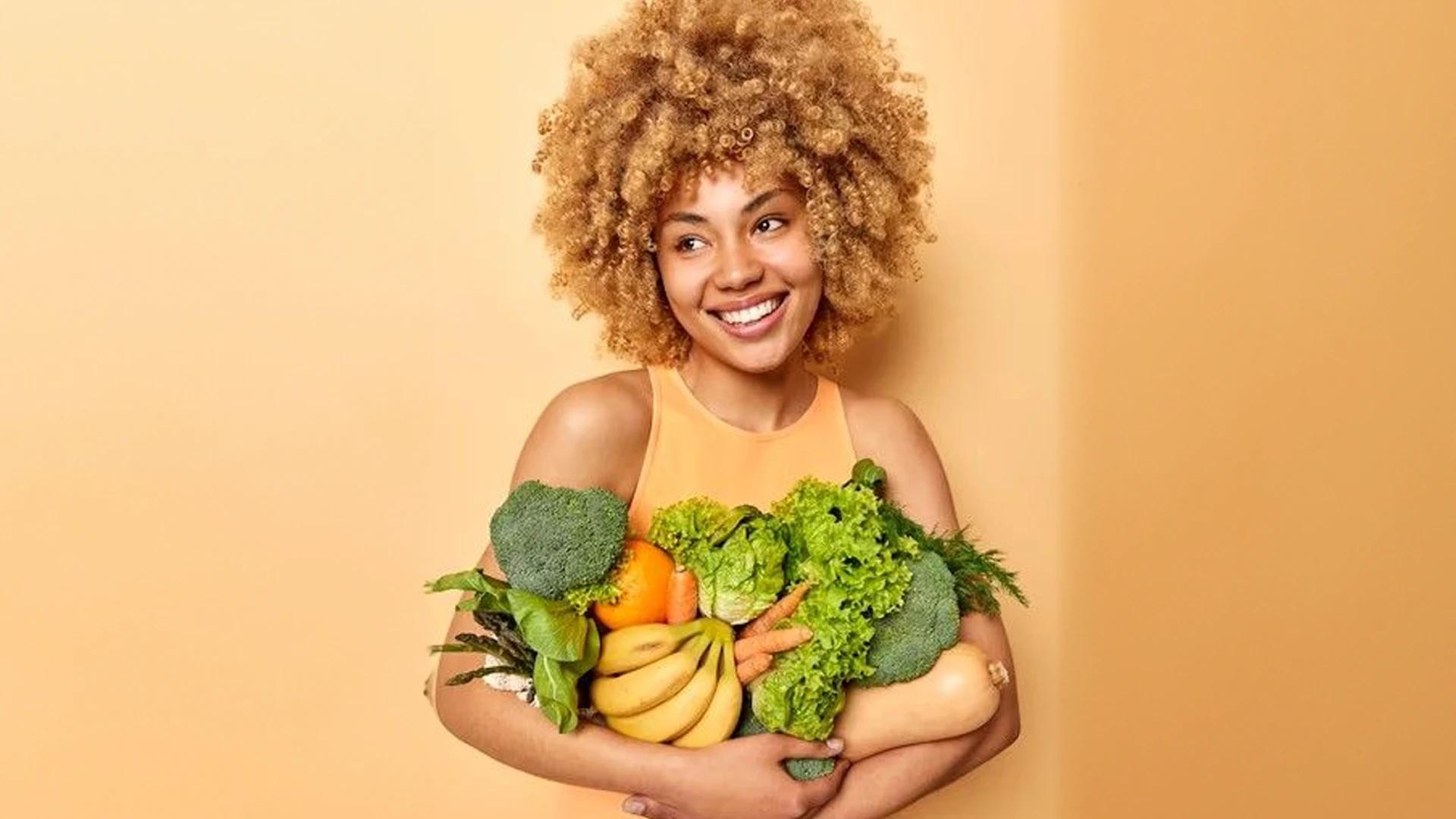
Leafy greens like spinach are absolute heroes for hair health. They're packed with iron, folate, and vitamins A and C. The vitamin C helps your body absorb the iron more effectively—it's like a perfect nutritional partnership. Sweet potatoes and carrots contain beta-carotene, which your body converts to vitamin A. This vitamin helps produce sebum, your scalp's natural oil that keeps hair moisturised. Berries and citrus fruits provide vitamin C and antioxidants that protect hair follicles from damage. Plus, they're delicious—win-win.
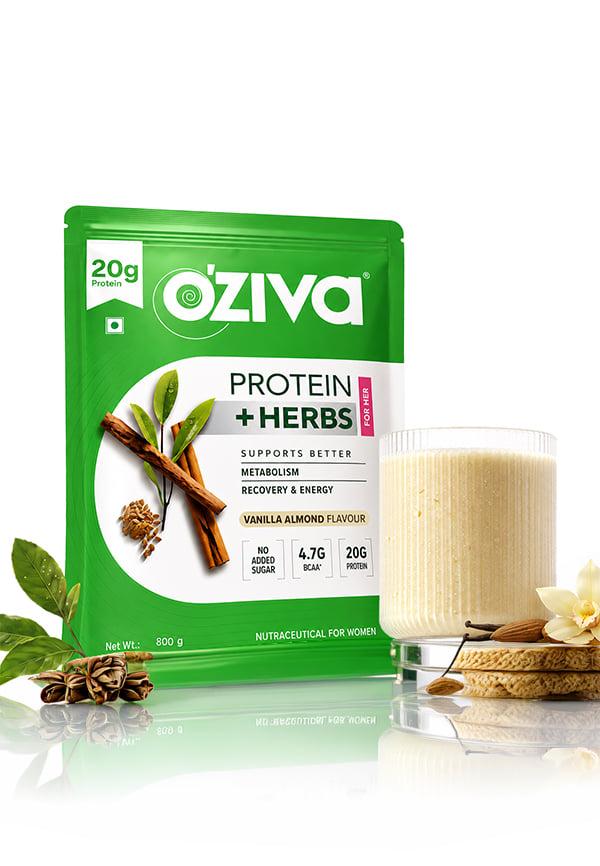
Protein & Herbs, Women for Better Metabolism, Skin & Hair - Vanilla Almond
Very Good Product
5“very good product I am so happy thank you so much oshiva”
Great Protein Powder
5“great protine powder with out artificial ingredients”
Amazing Product
5“Amazing product. it is so tasty and does the job”
Nuts and seeds are brilliant for hair health. Almonds provide vitamin E, walnuts offer omega-3s, and pumpkin seeds are rich in zinc. Keep a small handful as your go-to snack. Amla (Indian gooseberry) is a traditional hair health food that's incredibly high in vitamin C. You can find amla powder to add to smoothies or eat fresh amla if available.
If you're dealing with hair fall, your hair loss nutrition strategy needs to be more targeted. Focus on foods that directly address the most common nutritional causes of hair loss.
Iron deficiency is behind many cases of hair loss, especially in women. Load up on iron-rich foods like lean red meat, lentils, and dark leafy greens. Always pair them with vitamin C sources to boost absorption. Zinc deficiency can also cause hair loss. Oysters are the richest source, but if they're not your thing, try pumpkin seeds, chickpeas, or cashews. Anti-inflammatory foods like turmeric, ginger, and fatty fish can help if scalp inflammation is contributing to hair loss.
Aim for about 50-60 grams of protein daily if you're trying to stop hair fall. That's roughly two palm-sized portions of protein-rich foods. Hydration is crucial—dehydrated hair is weak hair. Aim for 8-10 glasses of water daily, and include water-rich foods like cucumber and watermelon. Timing matters too. Try to spread your protein intake throughout the day rather than having it all in one meal.
Building a sustainable diet for strong hair means creating meals you actually enjoy eating. Here's how to structure your daily eating for optimal hair health.
Start your day with protein and healthy fats. Think eggs with avocado, or Greek yoghurt with nuts and berries. This gives your hair follicles fuel right from the morning. Lunch should include iron-rich foods paired with vitamin C. A spinach salad with grilled chicken and bell peppers is perfect. Dinner can focus on omega-3s and more protein. Grilled salmon with sweet potato and broccoli ticks all the boxes.
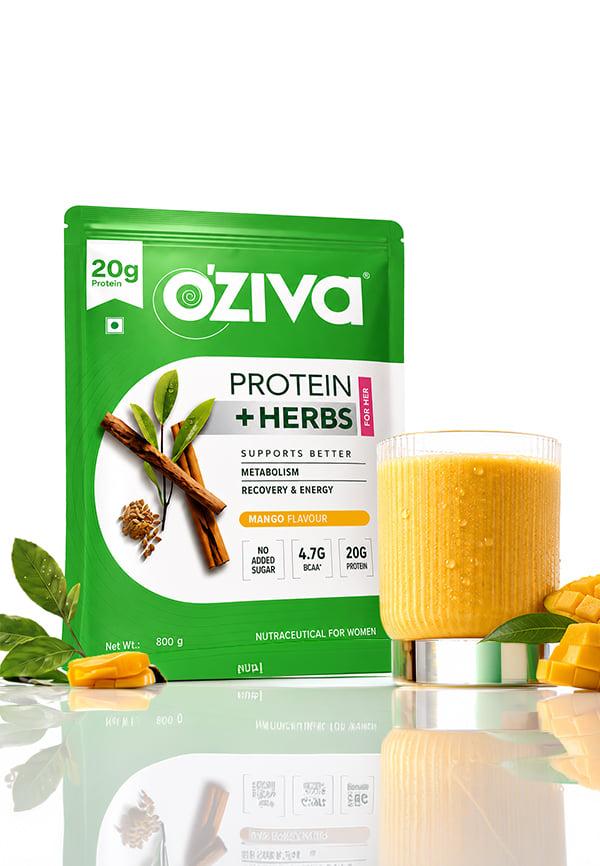
Protein & Herbs, Women for Better Metabolism, Skin & Hair - Mango
Good Quality Protein
5“protein powder is very good quality”
Tasty and Protein-Rich
4“good taste and had good amount of protein”
Keep hair-healthy snacks on hand. A small handful of mixed nuts, an apple with almond butter, or carrot sticks with hummus all provide nutrients your hair needs. If you're constantly on the go, consider keeping some nutrients for hair in portable forms—like a small container of mixed seeds or a protein bar made with real ingredients.
Whilst vitamins for hair supplements can be helpful, they're not magic bullets. Your body absorbs nutrients from whole foods much more effectively than from pills.
If you have a diagnosed deficiency (like low iron or vitamin D), supplements can help bridge the gap whilst you work on your diet. Biotin supplements are popular, but most people get enough biotin from food unless they have a specific deficiency. Always chat with a healthcare provider before starting supplements, especially if you're taking other medications.
Whole foods provide nutrients in combinations that work synergistically. For example, the vitamin C in strawberries helps your body absorb iron from spinach when you eat them together. Plus, focusing on healthy hair foods improves your overall health, not just your hair. You'll likely notice better skin, more energy, and improved mood too.
Just as some foods boost hair health, others can sabotage your efforts. Here's what to limit if you're serious about improving your hair through diet.
Refined sugars cause inflammation throughout your body, including your scalp. They also interfere with nutrient absorption, so even if you're eating the right foods, your body might not be using them effectively. Processed foods are typically stripped of the nutrients your hair needs. They're also often high in sodium, which can interfere with nutrient absorption. Excessive alcohol depletes B vitamins and interferes with iron absorption. If you drink, do so in moderation and always with food.
Stress hormones like cortisol can interfere with hair growth cycles. Even if your diet is perfect, chronic stress can still cause hair problems. Poor sleep affects how your body uses nutrients. Aim for 7-9 hours of quality sleep to support your hair health efforts. Regular exercise improves circulation to your scalp, helping deliver nutrients to your hair follicles more effectively.
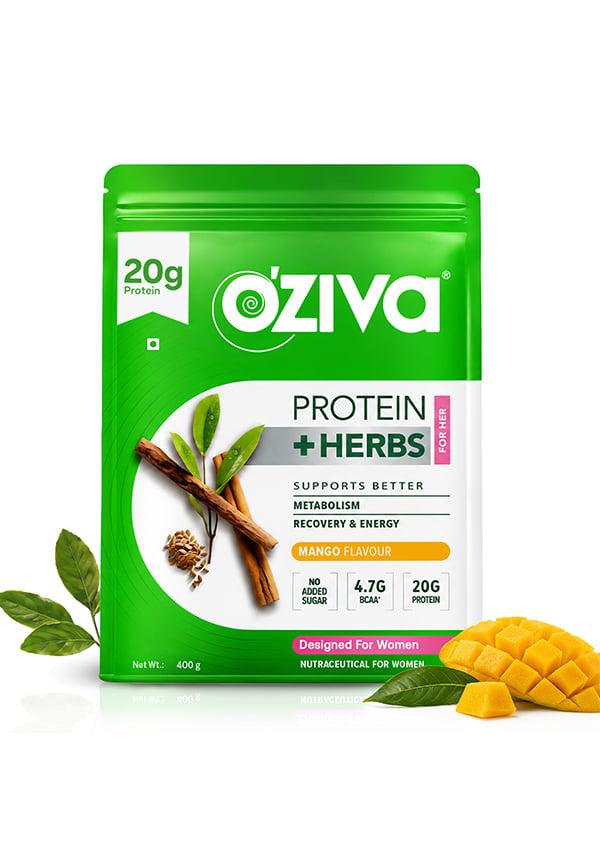
Protein & Herbs, Women for Better Metabolism, Skin & Hair - Mango
Good Quality Product
4“good quality 😁💯💯💯💯💯💯💯💯💯💯💯”
Positive Product Review
4“good product and good quality.”
OZiva: Strength & Energy
5“I really like OZiva protein and herbs for women. It gives strength to the muscles and keep you energetic the whole day.”
Hair grows about half an inch per month, so you'll typically see new growth in 2-3 months and significant improvement in 6 months. Be patient—hair health is a marathon, not a sprint.
Diet can address nutritional causes of hair loss, but genetics, hormones, and medical conditions also play roles. A good diet is essential but might not be the complete solution for everyone.
Focus on lentils, quinoa, nuts, seeds, and leafy greens. Pair iron-rich plant foods with vitamin C sources, and consider a B12 supplement since it's mainly found in animal products.
Not at all. Basic foods like eggs, spinach, lentils, and seasonal fruits provide excellent hair nutrition without breaking the bank.
They can help if you have specific deficiencies, but they're not necessary if you're eating a balanced diet. Most people get better results from improving their overall nutrition.
Your diet for healthy hair doesn't have to be complicated or expensive. Focus on getting enough protein, iron, and vitamins from whole foods rather than relying on supplements. Remember that hair health is a reflection of your overall nutrition, so eating well for your hair means eating well for your entire body. Whilst you're working on your nutrition, don't forget that external haircare matters too. Smytten offers curated trial packs from trusted haircare brands, letting you discover products that work for your hair type without committing to full sizes. With over 1,500 brands available and the ability to try up to 8 minis for just ₹249, you can explore different haircare options whilst your improved diet works its magic from within. After all, why settle for 'maybe' when you can try it all and find what truly works for your hair goals?
