How to Boost Hair Growth with Proper Nutrition

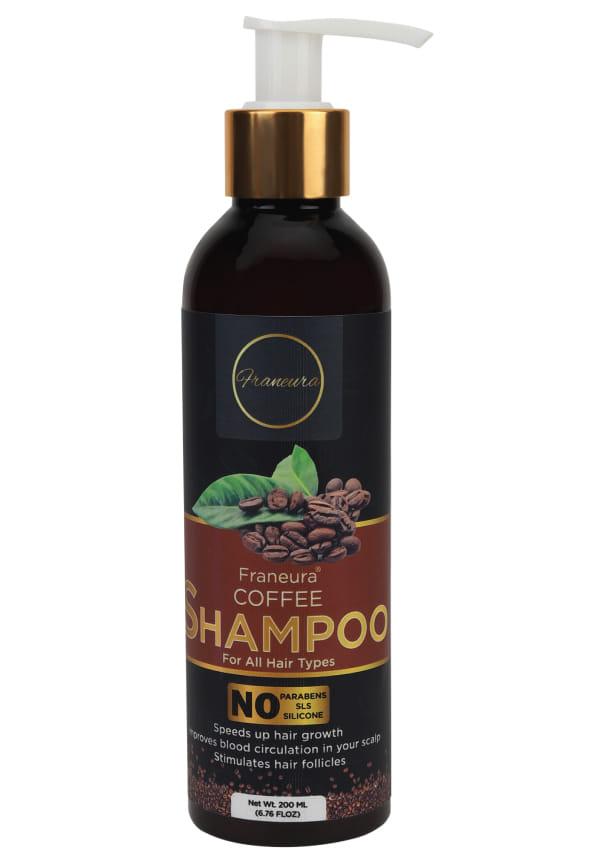
Daily Use Natural Coffee Shampoo - Revitalize and Strengthen Hair
Let's be real—we've all been there. Staring at our reflection, wondering why our hair looks more like a sad plant than the luscious locks we see on social media. While genetics play a role, the secret to stronger, healthier hair might just be sitting in your kitchen. Nutrition for hair growth isn't just about popping a vitamin and hoping for the best. It's about understanding what your hair actually needs to thrive and giving it exactly that. Think of your hair follicles as tiny factories that need the right raw materials to produce quality results. When you feed them properly, they reward you with hair that's worth obsessing over.
Your hair follicles are some of the most active cells in your body, which means they're also some of the hungriest. Each strand goes through a growth cycle that depends heavily on the nutrients flowing through your bloodstream. When you're lacking in key vitamins and minerals, your hair is often the first to show signs of distress.
Here's what's actually happening beneath your scalp: your hair follicles need a constant supply of hair growth nutrients to maintain their three-phase cycle—growth, transition, and rest. During the growth phase, which lasts 2-7 years, your follicles are working overtime to produce new hair cells. This is when proper nutrition matters most.
When your body doesn't get enough essential nutrients, it prioritises vital organs over hair growth. This survival mechanism means your hair often gets the leftovers, leading to thinning, breakage, and slower growth. Iron deficiency, for instance, can push hair follicles into the resting phase prematurely, causing noticeable hair loss within 2-3 months.
Don't expect overnight miracles. Hair grows about 1.25cm per month, so improvements from better nutrition typically show up after 3-4 months of consistent effort. You might notice stronger, shinier hair within 4-6 weeks, but visible length and thickness changes take patience.
Not all nutrients are created equal when it comes to hair health. Some are absolute game-changers, while others are nice-to-haves. Let's focus on the ones that actually make a difference to your hair growth journey.
Hair is made up of 95% protein, specifically keratin. Without adequate protein intake, your hair becomes weak, brittle, and grows slowly. You need about 0.8-1 gram of protein per kilogram of body weight daily, but if you're trying to boost hair growth, aim for the higher end.
Best protein sources for hair:
Eggs (complete protein plus biotin)
Fish (omega-3s bonus)
Lentils and chickpeas (plant-based option)
Greek yoghurt (protein plus probiotics)
B vitamins, especially biotin (B7), are crucial for hair growth. Biotin helps produce keratin, while other B vitamins improve blood circulation to your scalp. A deficiency in any B vitamin can lead to hair loss or slow growth.
Iron carries oxygen to your hair follicles. Low iron levels are one of the most common causes of hair loss, especially in women. If you're vegetarian, pair iron-rich foods with vitamin C to boost absorption.
Forget expensive treatments—your local grocery store has everything you need for a healthy hair diet. These foods pack the nutrients your hair craves without breaking the bank.
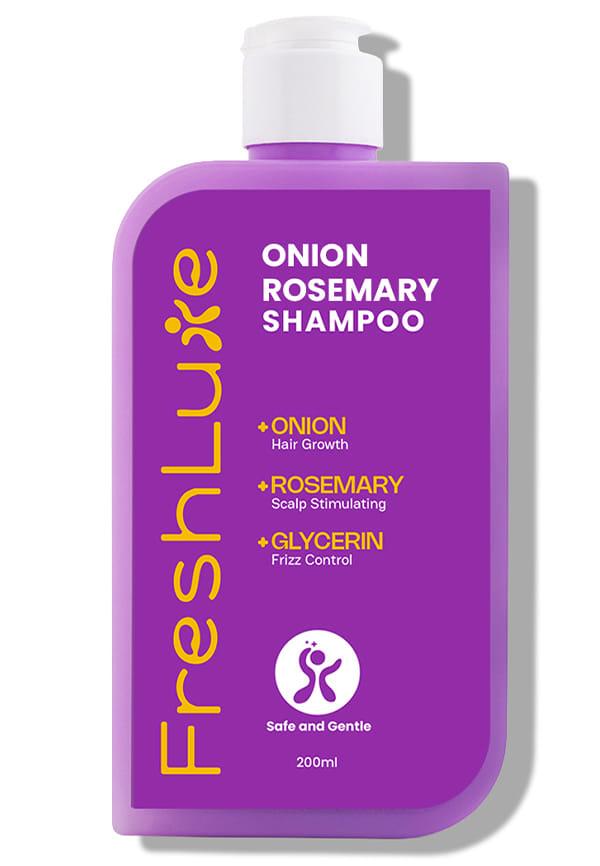
Growth Boost Shampoo Onion & Rosemary Strengthens Hair & Promotes Growth
Eggs are basically nature's hair supplement. They contain high-quality protein, biotin, and choline—all essential for hair growth. Plus, they're versatile enough to eat daily without getting bored.
Salmon, mackerel, and sardines provide omega-3 fatty acids that keep your scalp healthy and add shine to your hair. These healthy fats also reduce inflammation that can interfere with hair growth.
Spinach, kale, and other dark leafy greens are packed with iron, folate, and vitamins A and C. They're also rich in sebum, which acts as a natural hair conditioner.
Walnuts provide omega-3s, while pumpkin seeds offer zinc and iron. A small handful daily gives your hair the healthy fats it needs to stay moisturised and strong.
Your body converts beta-carotene into vitamin A, which helps produce sebum. Sweet potatoes are one of the best sources, plus they're delicious roasted with a bit of olive oil.
While whole foods should be your first priority, hair growth supplements can help fill nutritional gaps. But not all supplements are worth your money, and some can actually harm your hair if taken incorrectly.
Unless you're actually deficient in biotin (which is rare), mega-doses won't give you Rapunzel hair. Most people get enough biotin from food. If you do supplement, stick to 30-100 micrograms daily.
Only take iron supplements if you're deficient, as confirmed by blood tests. Too much iron can be toxic and actually cause hair loss. If you need iron, take it with vitamin C and away from calcium-rich foods.
A good multivitamin often provides better value than expensive hair-specific supplements. Look for one that includes iron, B vitamins, vitamin D, and zinc.
The best hair nutrition plan is one you can actually stick to. Instead of completely overhauling your diet overnight, make gradual changes that become sustainable habits.
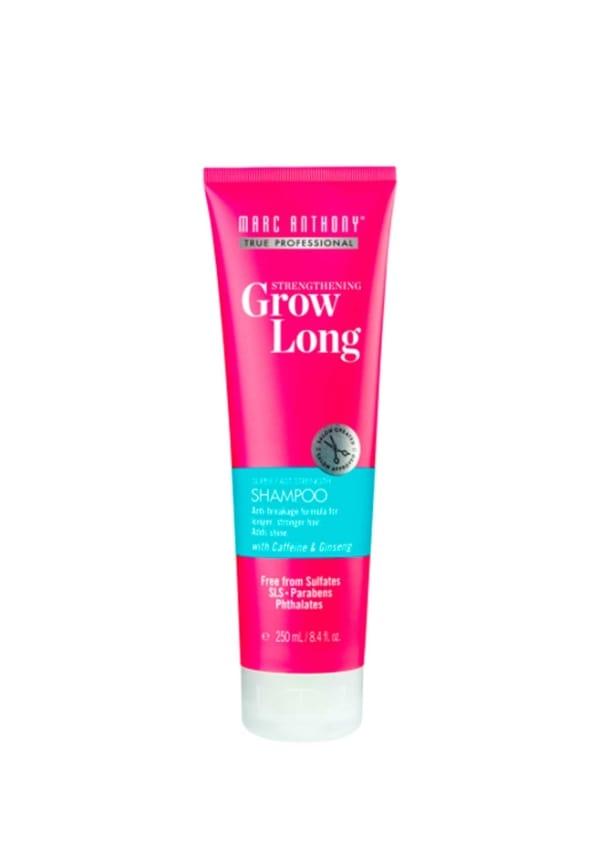
Strengthening Grow Long Shampoo
Breakfast: Start with protein—eggs, Greek yoghurt, or a protein smoothie with berries and spinach.
Lunch: Include a palm-sized portion of protein, plenty of vegetables, and healthy fats like avocado or nuts.
Dinner: Focus on lean protein, complex carbs, and colourful vegetables. Think grilled fish with sweet potato and steamed broccoli.
Your scalp needs adequate hydration to function properly. Aim for 8-10 glasses of water daily, and consider green tea for its antioxidant benefits.
Eating for hair health doesn't have to be expensive. Eggs, lentils, and seasonal vegetables provide excellent nutrition without the premium price tag. Buy frozen fish and vegetables when fresh options are costly.
Even the perfect diet won't help your hair if lifestyle factors are working against you. Stress, poor sleep, and certain habits can block nutrient absorption and interfere with hair growth.
Chronic stress increases cortisol levels, which can push hair follicles into the resting phase. It also depletes B vitamins and magnesium, both crucial for hair health. Regular exercise, meditation, or yoga can help manage stress levels.
Your hair grows most during sleep when growth hormone levels peak. Poor sleep quality can disrupt this process and affect nutrient absorption. Aim for 7-9 hours of quality sleep nightly.
Smoking reduces blood flow to hair follicles, while excessive alcohol depletes B vitamins and interferes with protein synthesis. Even moderate changes in these habits can improve hair health.
Well-meaning attempts to boost hair growth can sometimes backfire. Avoid these common pitfalls that might be sabotaging your hair goals.
Rapid weight loss often leads to temporary hair loss because your body goes into survival mode. Extreme calorie restriction deprives hair follicles of essential nutrients. Aim for gradual, sustainable weight loss if needed.
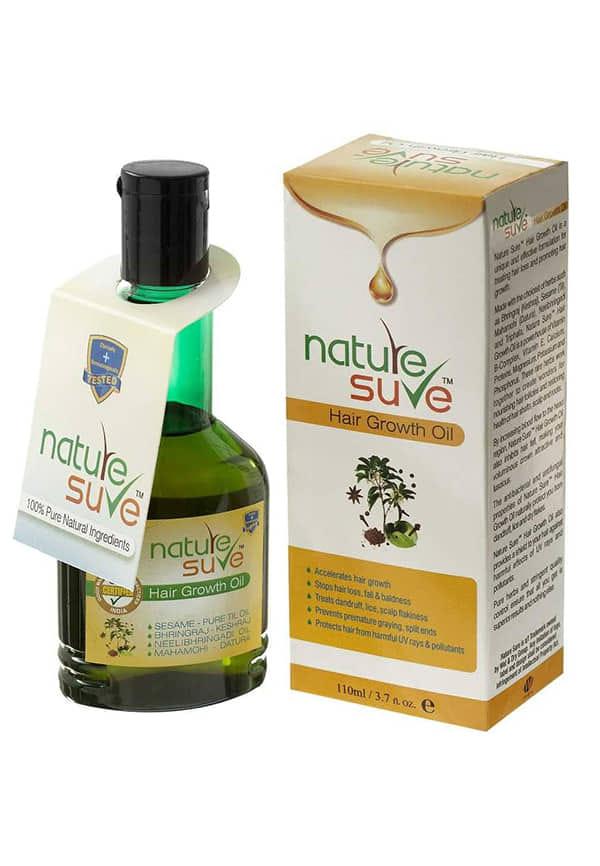
Hair Growth Oil for Darker and Stronger Hair in Men and Women
More isn't always better with vitamins for healthy hair. Excessive vitamin A, selenium, or zinc can actually cause hair loss. Stick to recommended doses and focus on food sources first.
Hair growth is a slow process, and nutritional improvements take time to show. Don't give up after a few weeks—consistency over months is what delivers results.
While you're working on your nutrition, don't forget that external haircare matters too. Smytten offers curated trial packs from trusted haircare brands, letting you discover products that complement your nutritional efforts. With over 1,500 brands available, you can try different shampoos, conditioners, and treatments to find what works best for your hair type—all without committing to full-size purchases.
Eggs, fatty fish like salmon, leafy greens, nuts, and seeds provide the most comprehensive nutrition for hair growth. These foods offer protein, omega-3s, iron, and essential vitamins that hair follicles need to thrive.
You might notice stronger, shinier hair within 4-6 weeks of improving your diet. However, visible growth and thickness changes typically take 3-4 months because hair grows slowly and needs time to reflect nutritional improvements.
Supplements can help address specific deficiencies, but whole foods provide the best combination of nutrients and absorption for optimal hair growth. Think of supplements as insurance, not replacement for good nutrition.
Water is most important for scalp hydration. Green tea provides antioxidants, while protein smoothies can boost your daily protein intake. Limit alcohol as it depletes B vitamins essential for hair health.
Hair growth vitamins work if you have nutritional deficiencies, but they won't create miraculous results if your diet is already balanced. Biotin supplements, for example, only help if you're actually biotin deficient, which is uncommon.
Limit processed foods high in sugar, as they can cause inflammation and interfere with nutrient absorption. Excessive alcohol and foods high in mercury (like certain large fish) can also negatively impact hair health.
Your hair is a reflection of your overall health, and proper nutrition is the foundation of healthy hair growth. While there's no magic food that will transform your hair overnight, consistent attention to nutrition for hair growth will gradually improve your hair's strength, shine, and growth rate.
Focus on a balanced diet rich in protein, healthy fats, and essential vitamins rather than chasing expensive supplements or miracle cures. Remember, the best foods for hair are often the same ones that benefit your overall health—eggs, fish, vegetables, nuts, and seeds.
As you work on nourishing your hair from within, consider exploring external haircare options too. Smytten's platform connects you with over 1,500 trusted beauty and wellness brands, offering trial-sized products that let you experiment with different haircare solutions. With trial packs available for just ₹249 and 100% cashback on purchases, you can discover your perfect haircare routine without the commitment. After all, why settle for 'maybe' when you can try it all and find what truly works for your unique hair needs?
