How to Boost Hair Growth with a Scalp Massager

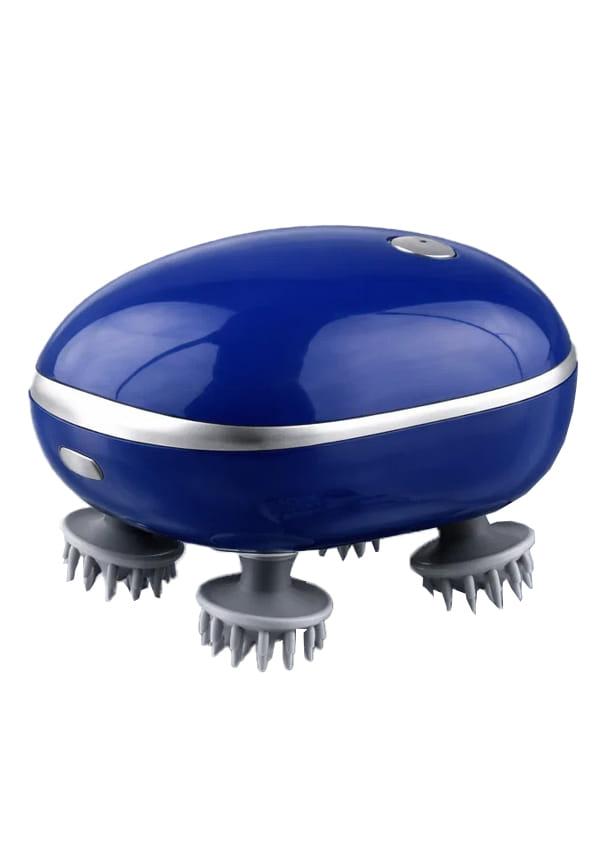
Portable Scalp Massager
Very good, relaxing experience
 5
5“bahut acchi hai aur bahut relax feel Ho Jaati”
Let's be real—we've all been there. Staring at our hairline in the mirror, wondering if that's a new gap or just the lighting playing tricks. Hair growth feels like one of those mysteries that everyone claims to have cracked, but the truth is, most of us are just winging it. Enter the scalp massager, a simple tool that's been quietly making waves in the haircare world. While it might look like just another gadget, the science behind scalp massager benefits is actually pretty solid. From boosting blood flow to your hair follicles to giving you that spa-like relaxation at home, these little tools pack more punch than you'd expect. Ready to discover how something so simple could be your hair's new best friend?
Here's where things get interesting. Your scalp isn't just the foundation for your hair—it's basically the soil in your hair garden. And just like plants need good soil circulation to thrive, your hair follicles need proper blood flow to do their thing. When you use a scalp massager, you're essentially giving your scalp a wake-up call, encouraging blood to rush to the area and deliver all the good stuff your hair needs to grow.
Think of scalp stimulation as a gentle nudge to your circulatory system. When you massage your scalp, you're increasing blood flow to the area, which means more oxygen and nutrients reach your hair follicles. This process, called hair follicle stimulation, helps strengthen the roots and can potentially encourage new growth. It's like giving your hair the VIP treatment it deserves—better circulation means better nourishment, and better nourishment often translates to stronger, healthier strands.
A 2016 study found that regular hair massage can actually increase hair thickness over time. Participants who massaged their scalps for just four minutes daily showed measurable improvements in hair density after 24 weeks. The research suggests that the mechanical stress from massage helps stretch the cells in hair follicles, potentially promoting growth. While you shouldn't expect overnight miracles, consistent scalp massage could be worth adding to your routine if you're playing the long game with your hair goals.
Now that we've covered the science bit, let's dive into what a scalp massage tool can actually do for you. Spoiler alert: it's not just about hair growth. These benefits might just convince you that your scalp deserves more attention than it's been getting.
This is the big one. Better blood flow means your hair follicles get a steady supply of nutrients and oxygen. Think of it as upgrading from dial-up to broadband for your hair's nutrient delivery system. When circulation improves, your scalp becomes a more hospitable environment for healthy hair growth.
A good scalp massager works like a gentle exfoliator for your scalp. It helps lift away dead skin cells and product buildup that can clog hair follicles and contribute to dandruff. Regular use can be surprisingly effective as a dandruff treatment, especially when combined with the right shampoo. Your scalp will thank you for the deep clean.
If you're dealing with an itchy, irritated scalp, a massager can provide much-needed relief. The gentle stimulation helps soothe inflammation and can reduce that annoying urge to scratch. For itchy scalp relief, consistency is key—a few minutes of gentle massage daily can make a real difference.
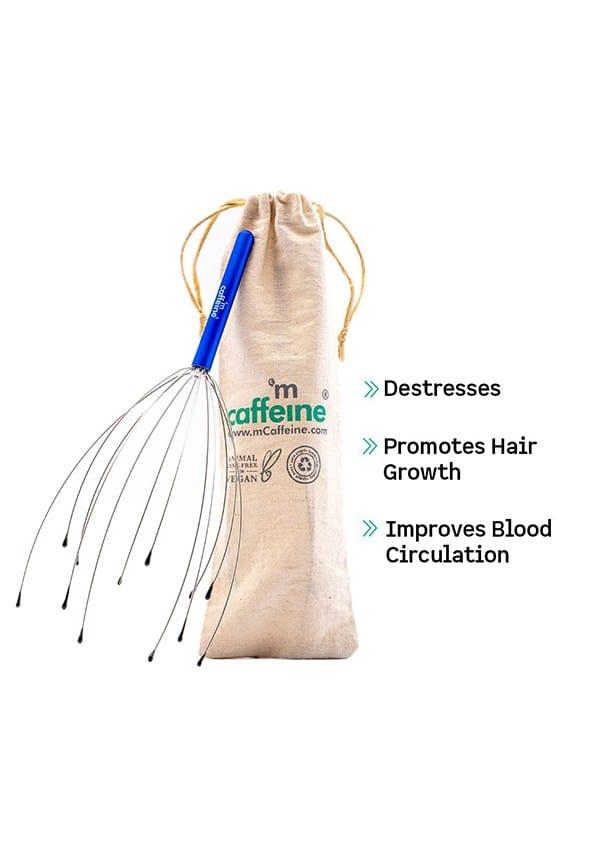
De-stress Scalp Massager
Here's a bonus you might not have expected: scalp massage is incredibly relaxing. It helps reduce stress hormones, which is brilliant because stress can actually contribute to hair loss. So while you're working on your scalp health, you're also giving yourself a mini spa moment. Win-win.
Not all scalp massagers are created equal, and choosing the right one depends on your preferences, budget, and hair type. Let's break down your options so you can find your perfect match.
These are the simple, no-fuss options that get the job done without any bells and whistles. Silicone brush-style massagers are popular because they're gentle, easy to clean, and perfect for use in the shower. Wooden tools offer a more traditional approach and can feel incredibly soothing. The best part? They're budget-friendly and travel-friendly.
If you want to level up your massage game, electric options offer vibration technology that can enhance the scalp stimulation experience. These tools often come with different speed settings and can provide a more intense massage. They're pricier than manual options, but if you're serious about your scalp care routine, they might be worth the investment.
Sometimes the best tool is the one you were born with. Your fingertips can provide excellent hair massage when used correctly. Use gentle circular motions, starting from your hairline and working towards the crown. Apply light pressure—you want to stimulate, not irritate.
Ready to put your scalp massager to work? Here's how to get the most out of your massage sessions without overdoing it.
Start with clean hands and a clean massager. If you're using oils, apply them before you begin. Check your scalp for any cuts or irritation—if you spot anything concerning, skip the massage until it heals. Dry hair works fine, but slightly damp hair can make the process smoother.
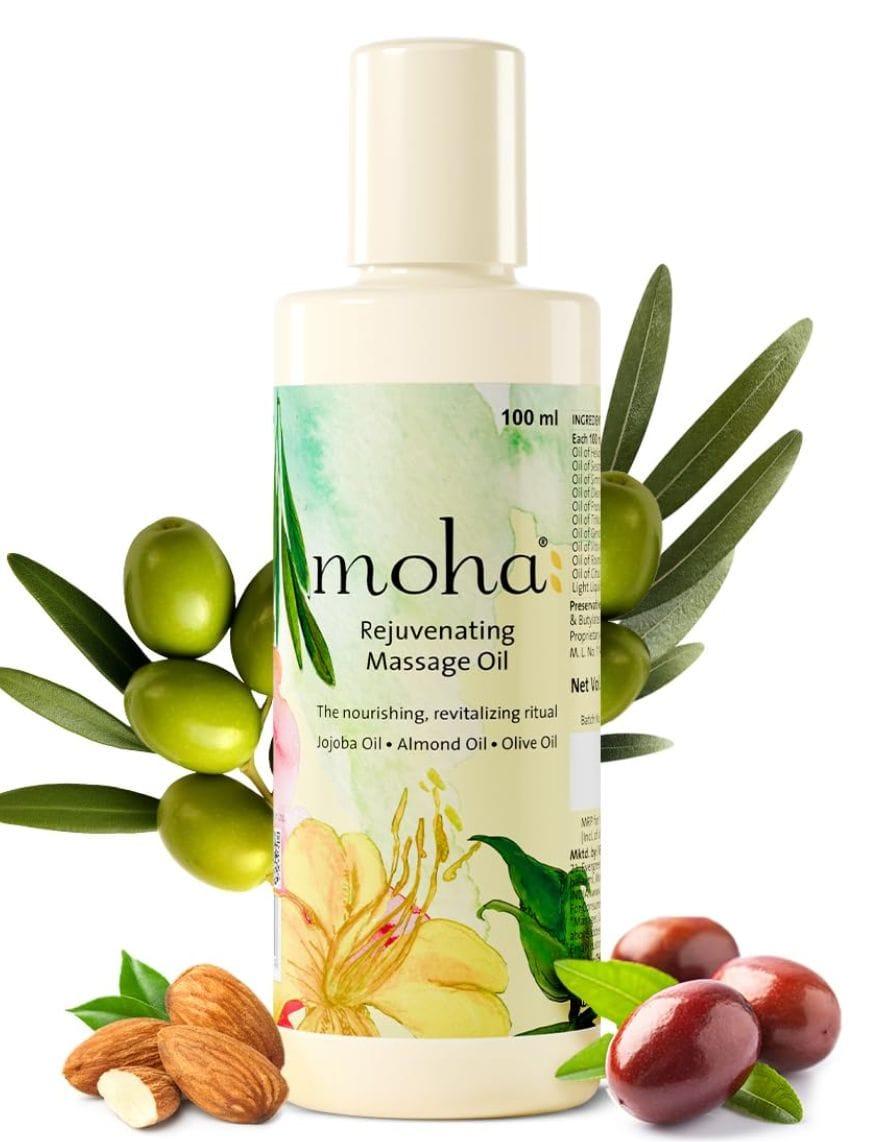
Rejuvenating Massage Oil
Satisfactory, Limited Use
5“The product demonstrates satisfactory performance for up to two uses”
Good, useful experience
5“really good and useful enjoyed using it”
Relaxing and Wonderful
5“seriously wonderful must try so relaxing”
Gentle is the name of the game here. Use light to medium pressure and work in small circular motions across your entire scalp. Start at your hairline and gradually work your way back, spending about 30 seconds on each section. Aim for 5-10 minutes total—any longer and you risk overdoing it.
After your massage, give your scalp a moment to settle before washing your hair. If you've used oils, follow up with a gentle shampoo to remove any residue. Your scalp might feel slightly tingly afterwards—that's normal and shows the increased blood flow is working.
Your hair type matters when it comes to choosing the right tool. What works brilliantly for thick, curly hair might be too intense for fine strands.
If you have fine hair, opt for softer bristles or gentler vibration settings. You want to stimulate without causing breakage. Silicone massagers with flexible bristles are often the safest bet for delicate hair.
Thicker hair can handle more robust massage tools. Look for massagers with firmer bristles that can penetrate through your hair to reach the scalp effectively. Electric options with stronger vibration can work well here.
Sensitive scalps need extra gentle tools, while oily scalps might benefit from massagers that help with deep cleansing. If you're dealing with specific scalp conditions, consider consulting with a dermatologist before adding massage to your routine.
The magic happens when you integrate scalp massage into your existing haircare routine rather than treating it as a separate step. This is where platforms like Smytten come in handy—with access to trial-sized products from trusted brands, you can experiment with different oils and treatments to find what works best with your massage routine.
Use your scalp massage tool while shampooing to enhance the cleansing process. The massage helps distribute the product evenly and can make your shampoo more effective at removing buildup. Just remember to be gentle—wet hair is more fragile.
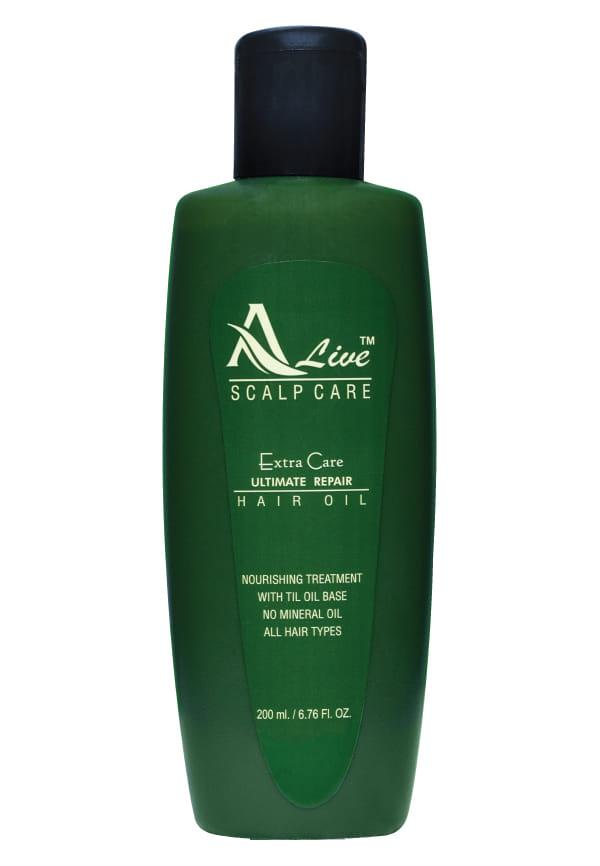
Scalp Care Hair Oil
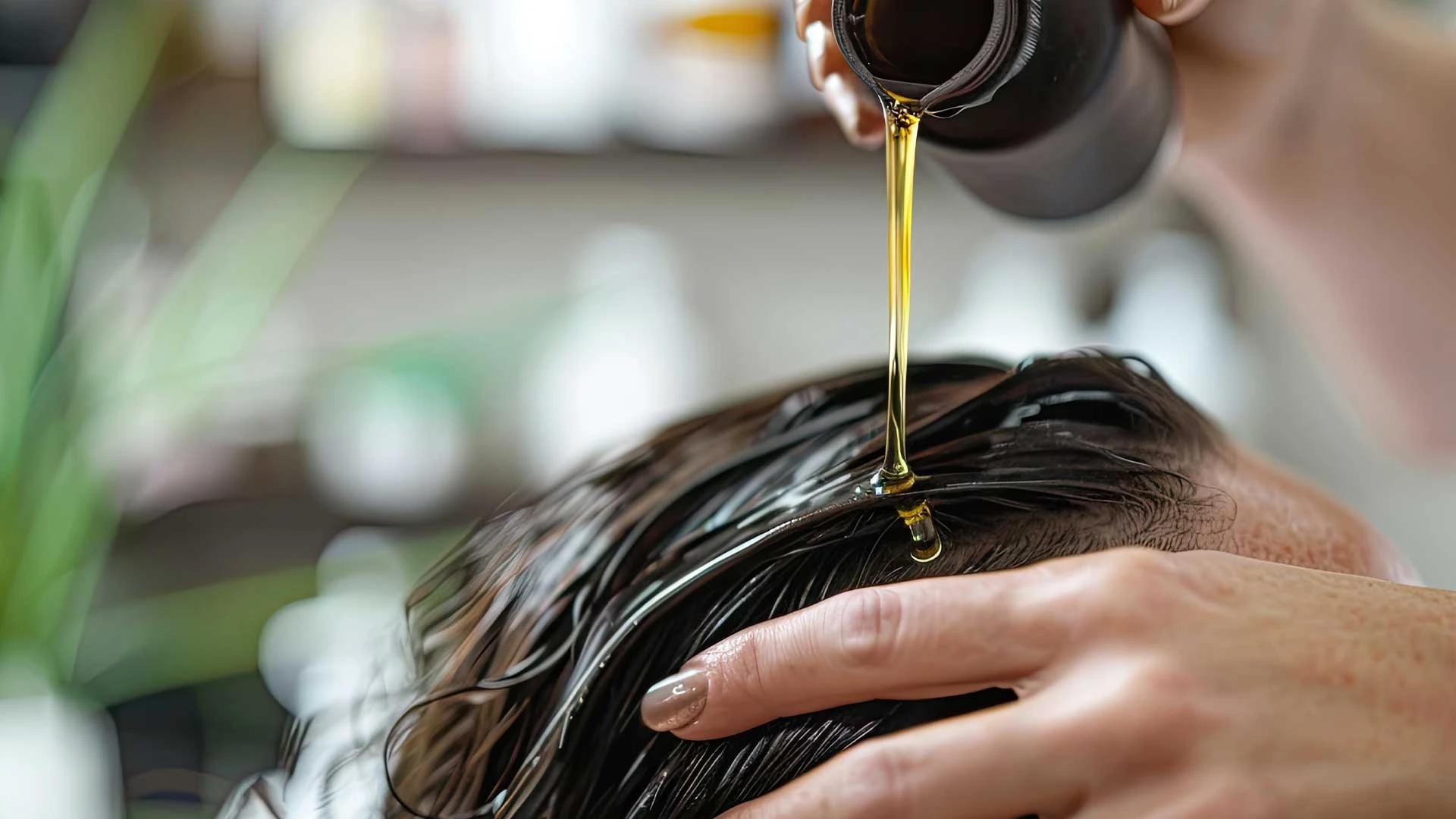
Certain oils like rosemary, peppermint, and jojoba can enhance the benefits of scalp massage. Apply a few drops before massaging, but always do a patch test first. The combination of oil and massage can be particularly effective for dry or irritated scalps.
Consistency beats intensity every time. It's better to do a gentle 5-minute massage daily than an aggressive 20-minute session once a week. Track your progress with photos or notes—hair growth is slow, so documenting changes can help you stay motivated.
Absolutely. Scalp massager benefits include improved circulation, better scalp health, and potential hair growth stimulation. They're also great for relaxation and stress relief.
Daily gentle scalp massage is generally safe and beneficial for most people. Just keep sessions to 5-10 minutes and use light pressure to avoid over-stimulation.
Potential downsides include hair breakage from excessive pressure, scalp irritation from overuse, and possible worsening of certain scalp conditions if used incorrectly. Always start gently and listen to your scalp.
Visible improvements typically appear after 12-24 weeks of consistent use. Hair growth is a slow process, so patience is key. Focus on scalp health improvements in the meantime.
While scalp massagers may support healthy hair growth through improved circulation, they're not a cure for medical hair loss conditions. If you're experiencing significant hair loss, consult a healthcare professional.
Scalp massagers aren't just another beauty gadget—they're backed by real science and can genuinely improve your scalp health. From boosting circulation to providing dandruff treatment and itchy scalp relief, these tools offer multiple benefits beyond just potential hair growth. The key is consistency, gentleness, and finding the right tool for your hair type. Remember, great hair starts with a healthy scalp, and sometimes the simplest tools can make the biggest difference. Whether you choose a basic silicone massager or invest in an electric option, the most important thing is using it regularly and correctly. With platforms like Smytten, you can explore different haircare products to complement your massage routine—from nourishing oils to gentle shampoos—all in trial sizes that let you discover what works best for your unique hair needs. After all, why settle for guessing when you can try it all and find your perfect scalp care combination?
