How to Boost Hair Growth Naturally: Expert Tips


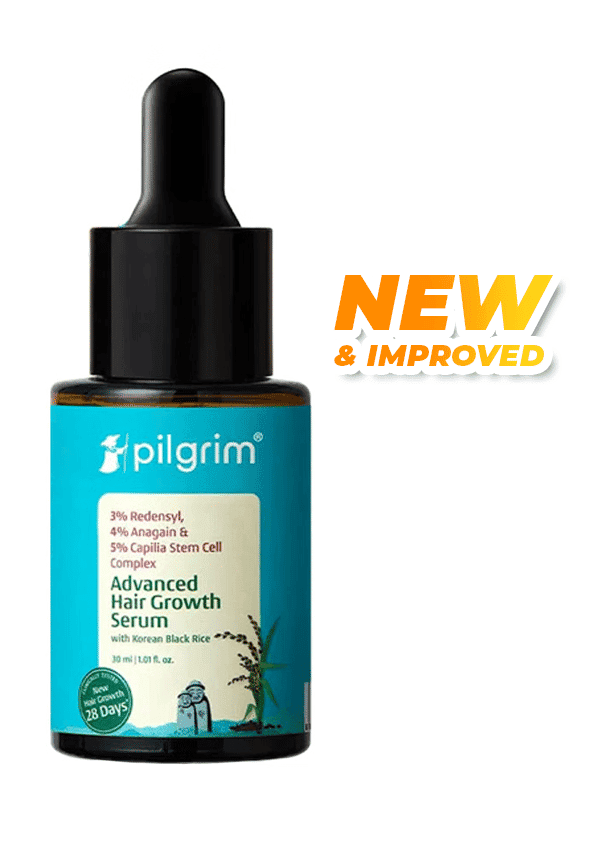
3% Redensyl, 4% Anagain & 5% Capilia Stem Cell Complex Advanced Hair Growth Serum
Good Product
 5
5“Gooddddddd producttttttttttttt”
Good Product
5“Gooddddddd producttttttttttttt”
Loved the product and its results
4“really like the product and loved it's result”
Let's be real—we've all been there, staring at our reflection and wishing our hair would just grow faster. Whether you're recovering from a questionable haircut or simply dreaming of those long, luscious locks you see on Instagram, the quest for natural ways for hair growth is totally valid. The good news? Your hair growth journey doesn't require expensive treatments or harsh chemicals. With the right approach, you can nurture your scalp and strands using methods that actually work—and science backs them up. Ready to discover what your hair's been missing?
Before diving into hair growth tips, it's worth understanding how your hair actually grows. Your hair follows a three-phase cycle that's pretty fascinating when you think about it.
The anagen phase is where the magic happens—this is when your hair actively grows. It lasts anywhere from two to seven years, and about 85% of your hair is in this phase at any given time. Then comes the catagen phase, a brief transitional period lasting about two weeks where growth stops. Finally, there's the telogen phase, where hair rests for about three months before naturally shedding to make room for new growth.
Several factors influence how well this cycle works for you. Genetics play a huge role—thanks, mum and dad—but so do age, hormones, and nutrition. As we get older, the anagen phase shortens, which is why many people notice their hair doesn't grow as long as it used to. Hormonal changes, particularly during pregnancy, menopause, or due to conditions like PCOS, can also affect hair growth patterns.
Here's why natural approaches to promote hair growth actually work: they focus on nourishing your hair follicles and creating the optimal environment for healthy growth. Unlike quick fixes that promise overnight results, natural methods work with your body's existing processes rather than against them.
Let's set realistic expectations though. Hair typically grows about half an inch per month, so visible results from any hair growth treatment take time—usually two to three months minimum. The key is consistency and patience.
Think of these fundamentals as the groundwork for everything else you'll do. Without a solid foundation, even the best hair growth remedies won't reach their full potential.
Your scalp is literally the soil where your hair grows, so keeping it healthy is non-negotiable. This means gentle cleansing without stripping natural oils, maintaining proper pH balance, and ensuring good blood circulation. A clean, well-nourished scalp creates the perfect environment for thicker hair.
Heat styling tools and harsh chemicals might give you instant gratification, but they're working against your hair loss prevention goals. Try air-drying when possible, use heat protectants when you must style, and choose sulphate-free shampoos that won't strip your hair.
Swap your cotton pillowcase for silk or satin—your hair will thank you for reducing friction while you sleep. Avoid tight hairstyles that pull on your hairline, and when you do tie your hair up, use soft scrunchies instead of elastic bands.
Regular trims don't make your hair grow faster, but they prevent split ends from travelling up the hair shaft and causing breakage. Think of it as maintenance that helps you keep the length you're growing.
Chronic stress elevates cortisol levels, which can push hair follicles into the resting phase prematurely. Finding healthy ways to manage stress—whether through exercise, meditation, or your favourite hobby—supports your overall hair health.
Now for the fun part—DIY treatments that actually work. These natural hair care remedies use ingredients you probably already have in your kitchen or can easily find at any store.
Studies show rosemary oil can be as effective as minoxidil for hair growth, minus the side effects. Mix a few drops with a carrier oil like coconut or jojoba, massage into your scalp, and leave for at least 30 minutes before washing out. Do this twice a week for best results.
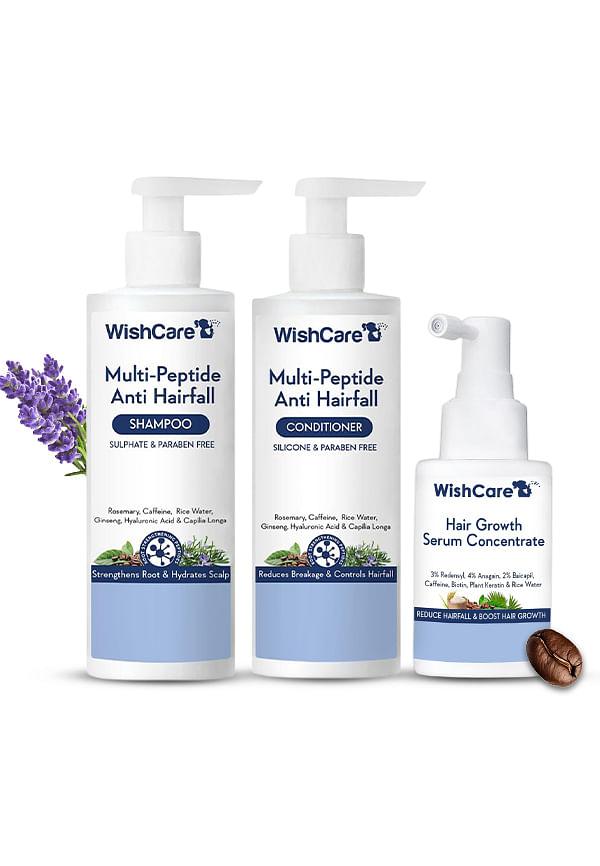
Growth Power Pack | 3 Step Growth Solution
Nice Product, Clear Results
4“Product is nice, Now after use I can see clear results”
Good for Hair Growth
5“good gor hair growth it controls hair growth and helps to grow new hairs faster”
Nice kit, removes dandruff
5“nice kit for hair and remove dendruff”
Yes, it smells a bit, but onion juice is rich in sulphur compounds that improve blood circulation to hair follicles. Blend an onion, strain the juice, apply to your scalp for 15 minutes, then shampoo thoroughly. The smell disappears once you wash it out, promise.
Castor oil contains ricinoleic acid, which has anti-inflammatory properties and may help improve scalp health. Its thick consistency makes it perfect for scalp massage, which boosts circulation. Use it as a pre-shampoo treatment once a week.
Eggs are packed with protein and biotin—exactly what your hair needs to grow strong. Whisk one or two eggs (depending on your hair length), apply to damp hair, leave for 20 minutes, then rinse with cool water. Hot water will cook the egg, and nobody wants scrambled eggs in their hair.
Green tea contains antioxidants and may help block DHT, a hormone linked to hair loss. Brew a strong cup, let it cool, and use it as a final rinse after shampooing. The caffeine can also stimulate hair follicles.
Fresh aloe vera gel soothes an irritated scalp and provides moisture without weighing hair down. Apply directly to your scalp, leave for 30 minutes, then rinse. It's particularly helpful if you have a sensitive or flaky scalp.
What you eat directly impacts your hair health. Think of it this way—your hair follicles are some of the most active cells in your body, so they need proper fuel to function optimally.
Hair is essentially protein, so inadequate protein intake can lead to weak, brittle strands or even hair loss. Include lean meats, fish, eggs, beans, and nuts in your diet. Vegetarians and vegans should pay extra attention to combining proteins to get all essential amino acids.
Iron deficiency is one of the most common nutritional causes of hair loss, especially in women. Load up on spinach, lentils, red meat, and dark chocolate. Pair iron-rich foods with vitamin C sources like citrus fruits to improve absorption.
Biotin supports keratin production, while vitamin D helps create new hair follicles. Zinc plays a role in hair tissue growth and repair, and vitamin C helps your body absorb iron and produces collagen. A balanced diet usually provides these, but supplements can help if you're deficient.
These healthy fats reduce inflammation and add shine to your hair. Find them in fatty fish like salmon, walnuts, and flaxseeds. They're particularly important for scalp health.
Dehydration affects every part of your body, including your scalp. Aim for at least eight glasses of water daily to keep your scalp and hair follicles properly hydrated.
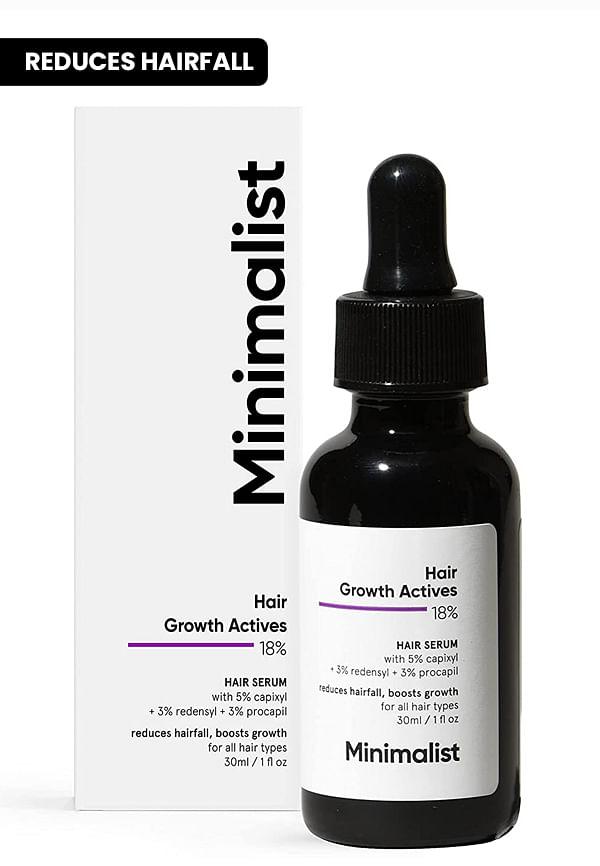
Hair Growth Actives 18% Hair Growth Serum
Effective for hair growth
5“hair growth in consistent use,”
Light and Non-Greasy Feel
4“non sticky, feels like water... no greasiness”
Light and Non-Greasy Feel
4“non sticky, feels like water... no greasiness”
Excessive sugar and highly processed foods can cause inflammation and may interfere with nutrient absorption. You don't need to eliminate them completely, but moderation is key for optimal hair health.
Ready to level up your routine? These techniques take a bit more effort but can significantly boost your results when combined with the basics.
Spend five to ten minutes daily massaging your scalp with your fingertips using circular motions. This improves blood circulation, bringing more nutrients to your hair follicles. You can do this dry or with oils for extra benefits.
Warm oils penetrate the hair shaft better than cold ones. Try coconut oil for moisture, jojoba oil for balance, or argan oil for shine. Warm the oil slightly, apply from mid-length to ends, then work any remaining oil into your scalp.
Fenugreek seeds soaked overnight create a protein-rich rinse. Amla powder mixed with water provides vitamin C and antioxidants. Licorice root tea can help soothe scalp irritation. Use these as final rinses after shampooing.
Consistency beats intensity every time. Choose one or two treatments and stick with them rather than trying everything at once. Your hair responds better to regular, gentle care than sporadic intensive treatments.
This involves hanging your head upside down for a few minutes daily to increase blood flow to the scalp. While some people swear by it, scientific evidence is limited. If you try it, start slowly and stop if you feel dizzy.
Micro-needling the scalp may stimulate hair growth by increasing blood flow and encouraging the production of growth factors. Use a 0.5mm derma roller once a week, but be gentle and ensure it's properly sterilised.
Now that you know the techniques, let's put together a realistic routine that fits your lifestyle. The key is finding what works for you and sticking with it long enough to see results.
Mornings: Gentle scalp massage while shampooing, followed by a nourishing conditioner. Evenings: A few minutes of scalp massage with or without oils, depending on when you last washed your hair.
Pick one day for your weekly mask or oil treatment. This could be a protein mask, deep conditioning treatment, or scalp massage with essential oils. Consistency matters more than perfection.
Take photos and measurements to track your progress. Hair growth is gradual, so monthly check-ins help you see changes you might otherwise miss. Note any improvements in thickness, shine, or overall hair health too.
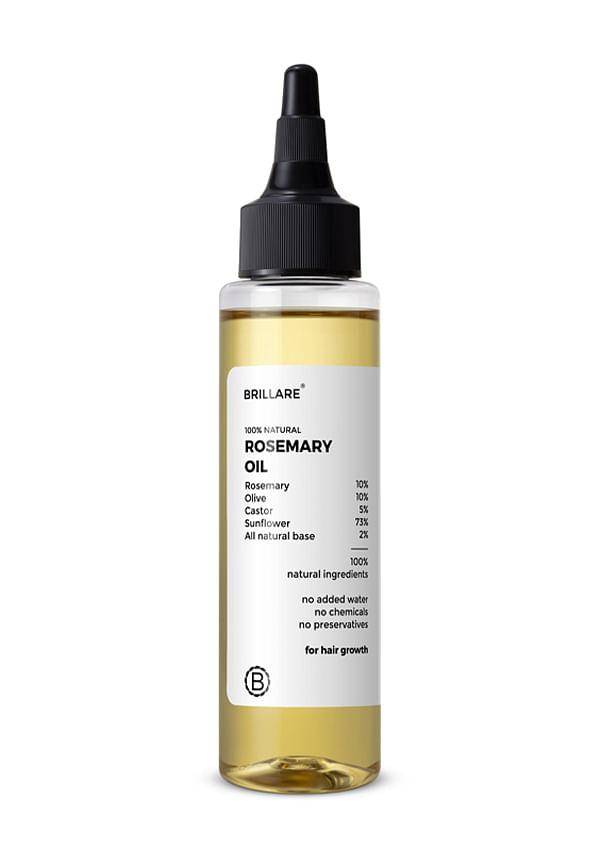
Rosemary oil
Nourishing Herbal Hair Oil
4“I really liked the Billare Rosemary Hair Oil. It has a pleasant herbal fragrance and feels nourishing without being too heavy on the hair. After using it, my hair feels softer, smoother, and more manageable. I also like that it works well for regular scalp massage and fits easily into my hair-care routine. Overall, a nice herbal hair oil for anyone looking for a simple and refreshing hair-care option. 🌿✨”
Nice Lightweight Oil
5“nice oil for light weight easy to use”
Loved it, Great & Affordable
5“Loved it , great , affordable .”
Your hair needs change with the weather. Winter might call for more moisturising treatments, while summer could require extra protection from sun and chlorine. Stay flexible with your routine.
Don't over-manipulate your hair or use too many products at once. Product buildup can clog follicles, and excessive handling can cause breakage. Sometimes less really is more.
If you notice sudden hair loss, bald patches, or significant changes in your hair's texture or growth pattern, consult a dermatologist or trichologist. Some conditions require medical treatment alongside natural care.
Speaking of trying new products, platforms like Smytten make it easier to discover what works for your hair without the commitment of full-size purchases. With trial packs from trusted haircare brands, you can experiment with different natural hair care products and find your perfect match before investing in the full-size versions.
Focus on scalp massage with natural oils, eat protein-rich foods, use weekly hair masks, avoid heat damage, and maintain a nutrient-rich diet with adequate hydration. Consistency with gentle, nourishing practices yields the best results.
Rosemary oil is scientifically proven to be as effective as minoxidil for hair growth, while scalp massage and protein-rich nutrition provide foundational support. Combine these approaches for optimal results.
While significant growth in one week isn't realistic, you can improve hair health with daily scalp massage, protein treatments, and gentle handling to prevent breakage. Focus on creating the right conditions for healthy growth.
Hair growth averages 0.5 inches monthly, so visible regrowth takes 2-3 months. However, improved hair health and reduced breakage can be noticed within 3 weeks of consistent natural care.
No remedy works overnight, but some treatments like protein masks can immediately improve hair texture and reduce breakage, creating the appearance of healthier hair. Real growth takes time and consistency.
Key vitamins include biotin, vitamin D, iron, zinc, vitamin C, and omega-3 fatty acids, which support follicle health and protein synthesis. A balanced diet usually provides these nutrients.
Your hair growth journey is exactly that—a journey, not a sprint. The natural ways for hair growth we've covered work because they address the root causes of hair health rather than promising impossible overnight transformations. From nourishing your scalp with gentle massage to feeding your follicles with the right nutrients, every small step contributes to stronger, healthier hair.
Remember, what works for your best friend might not work for you, and that's completely normal. Hair is as individual as you are, influenced by genetics, lifestyle, and even the climate you live in. The key is to start with the basics—proper nutrition, gentle handling, and consistent care—then gradually introduce treatments that appeal to you.
With Smytten's trial packs, you can explore different haircare products and natural treatments without the pressure of committing to full sizes. Whether you're curious about a new oil blend or want to try a protein treatment from a trusted brand, having the option to test products first makes your hair growth journey both affordable and exciting. After all, why settle for guessing what might work when you can try it all and find what actually does?
